• Do not use 98.2% or 550VDC (that is ID 133)
• Do not use 30–180VDC (that is ID 131)
• Do not use 160A (that is ID 125)
CTA
RFQ: 4.2 or 6.2, battery voltage, whether dual-load will actually be wired. If dual-load will not be wired, consider the simpler 5KW PLUS and save the customer a conversation.
Installer sequence for this cabinet
1. Confirm 4.2KW PLUS (24V-class cut 26/27V) vs 6.2KW PLUS (48V-class cut 52/54V) on the carton, not on memory.
2. Land PV Voc under 500VDC at the coldest site temperature.
3. Land battery CAN before first charge.
4. Program second-load breakers physically in the DB — a menu setting without a second breaker is theatre.
5. Test grid-loss with the actual inductive load on the main ring.
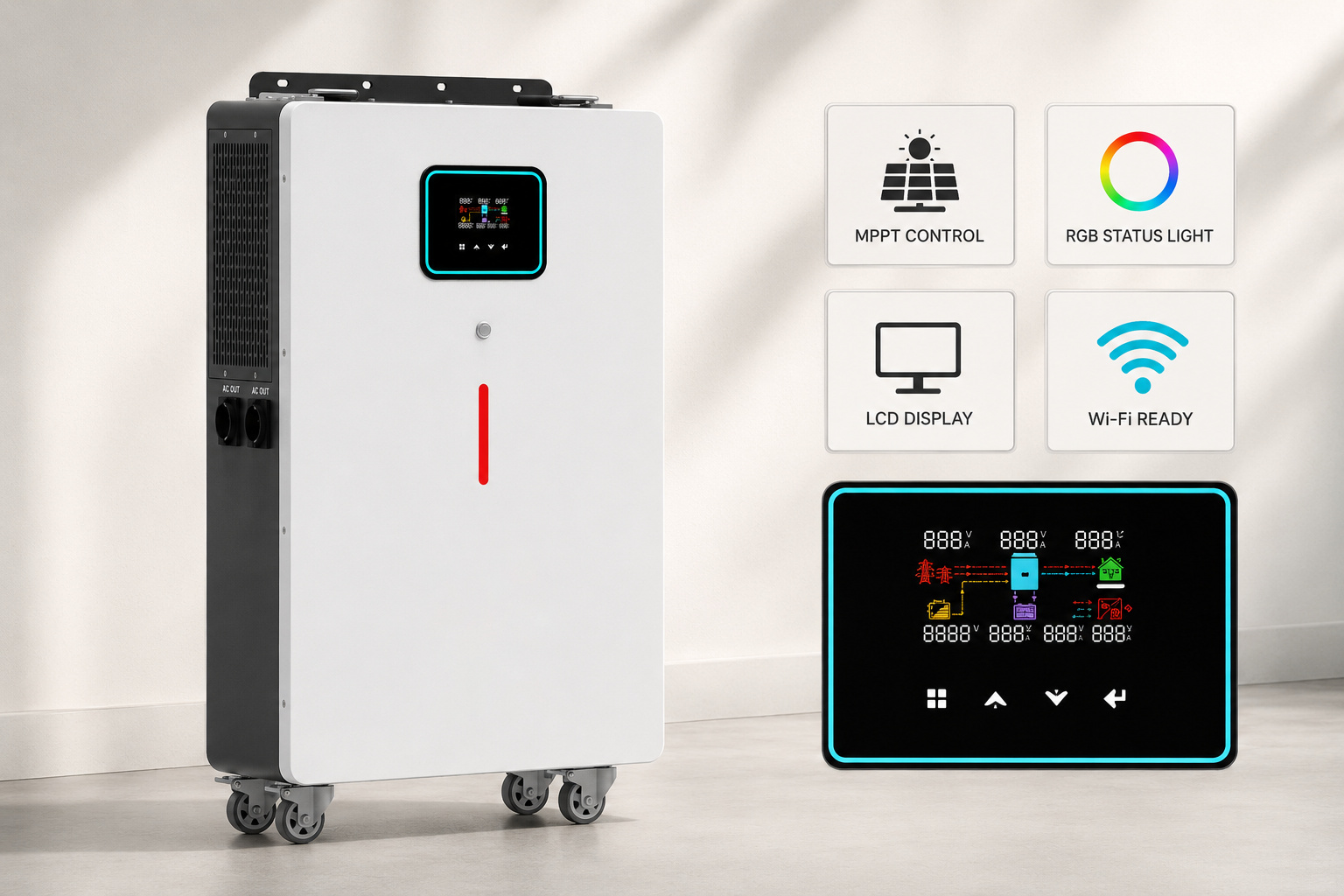
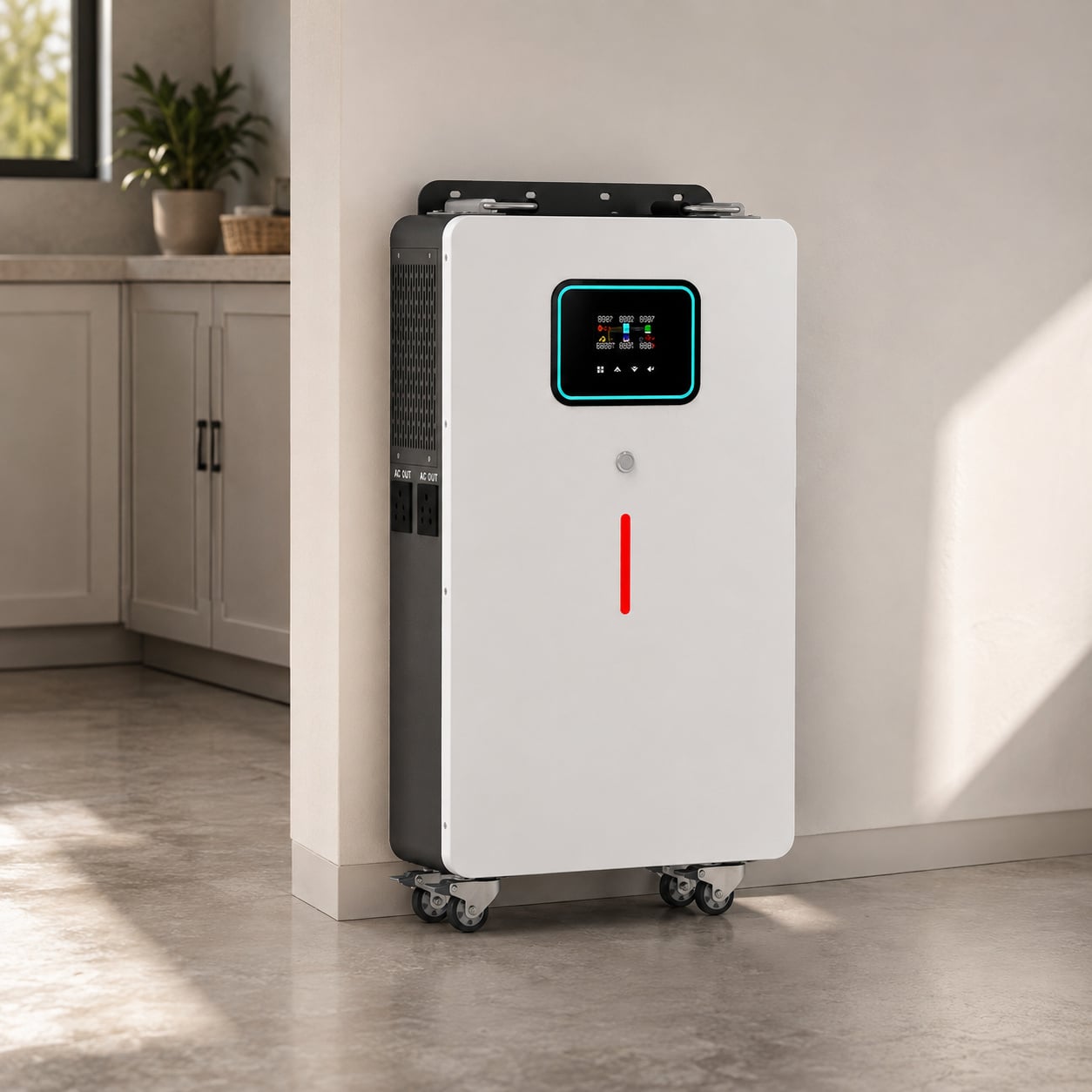
6. Photograph the LCD home screen for the handover pack.
Comparison (do not merge these pages)
|
ID 116 |
ID 132 3/5KW |
ID 133 5.5/7.5KW |
| Dual-load V2.0 |
Yes 1200/2067W |
Not the pitch |
Not the pitch |
| MPPT window |
60–450V |
60–400V |
100–480V |
| Max DC |
500V |
450V |
550V |
| PV-to-AC |
98% |
98% |
98.2% |
| Role |
Planned whole home |
Volume mid |
Large home / heat pump |
FAQ unique to 4.2/6.2 PLUS
Can I start on 4.2 and firmware-upgrade to 6.2?
No. Different current hardware.
Can I skip dual-load wiring?
Yes, but then you paid for a feature you will not use — consider 5KW PLUS.
Is this the same as the wall 4.2/6.2 hybrid?
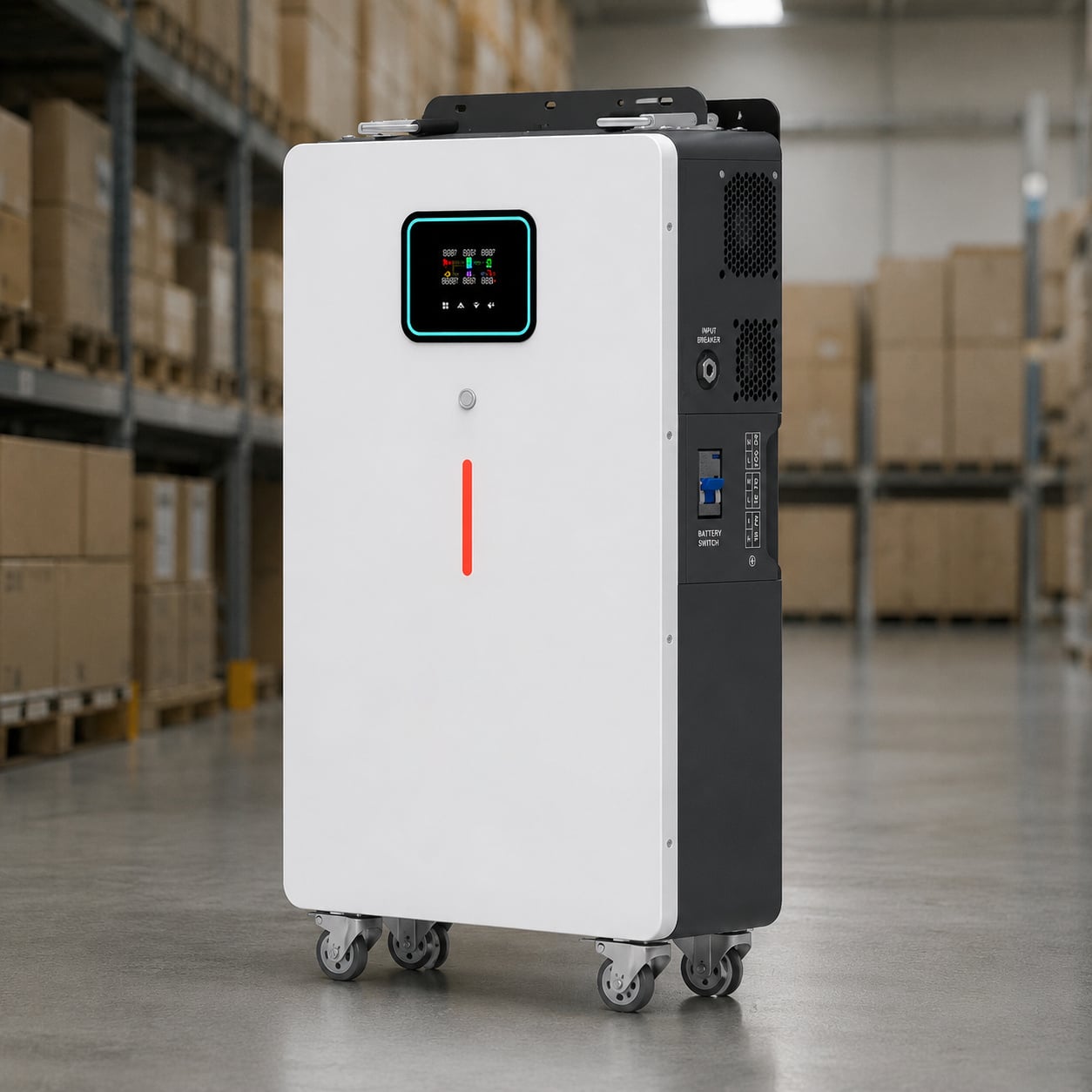
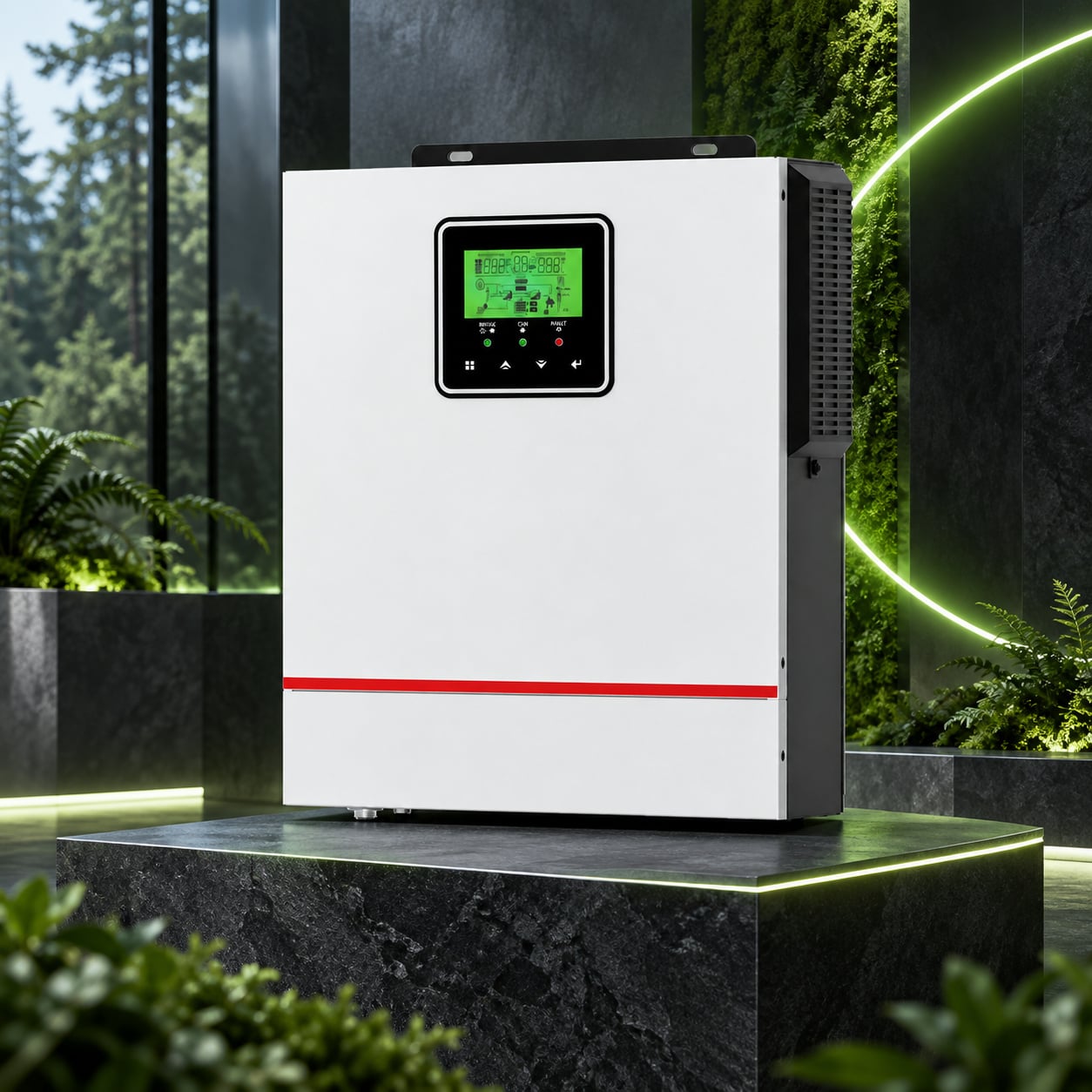
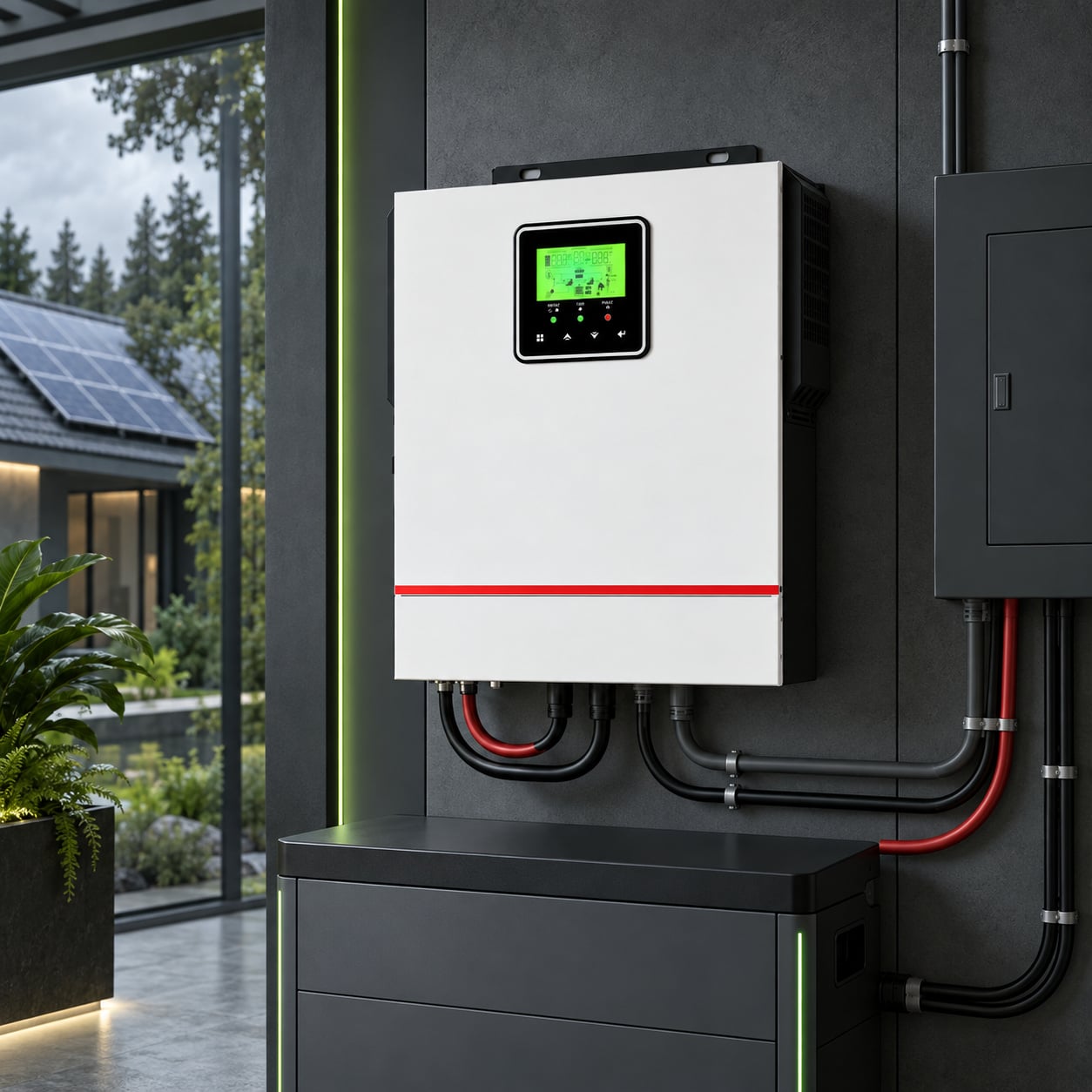
Same electrical family, different mechanical product (cabinet vs wall inverter). Keep both SKUs if you sell both form factors; do not upload one essay to both.
Closing
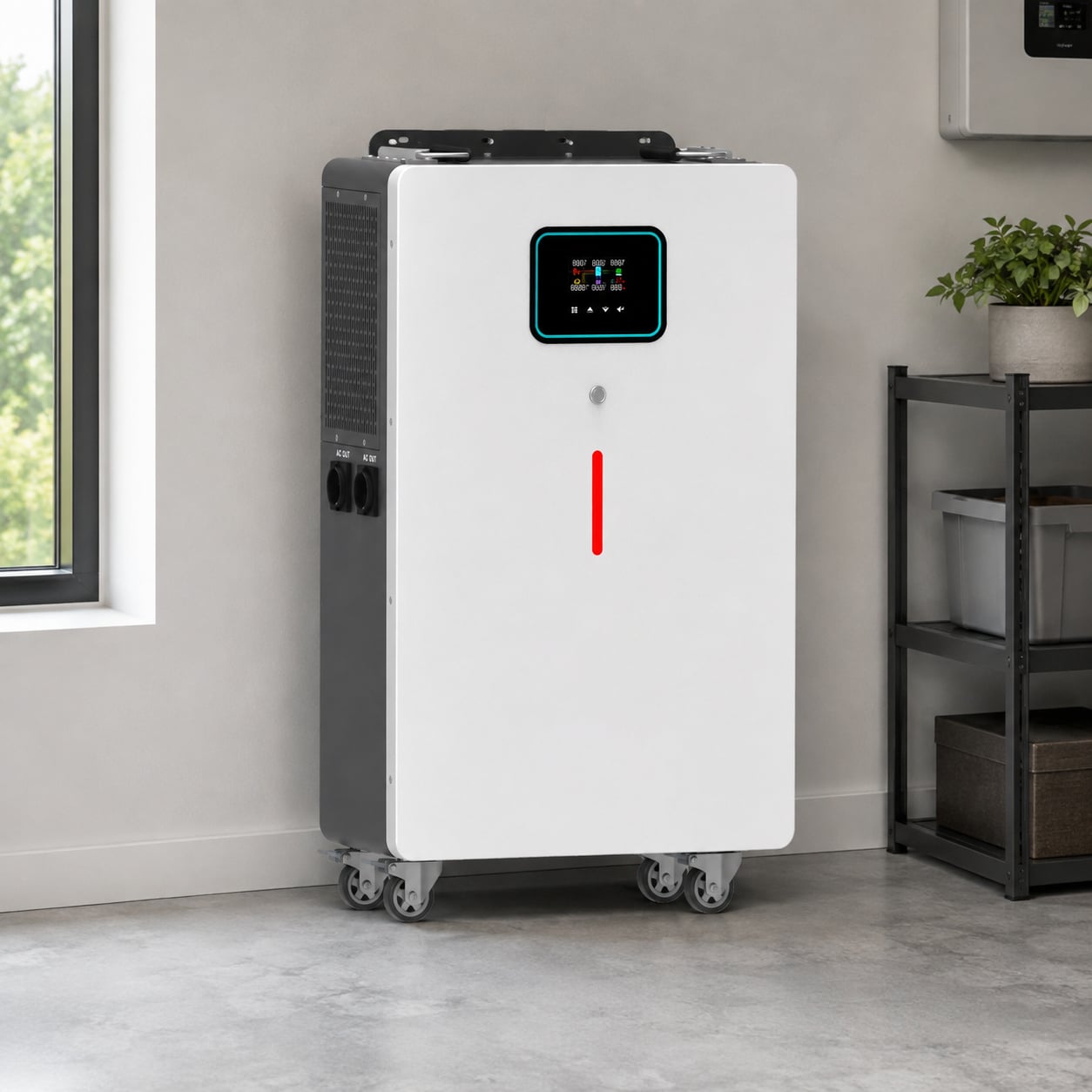
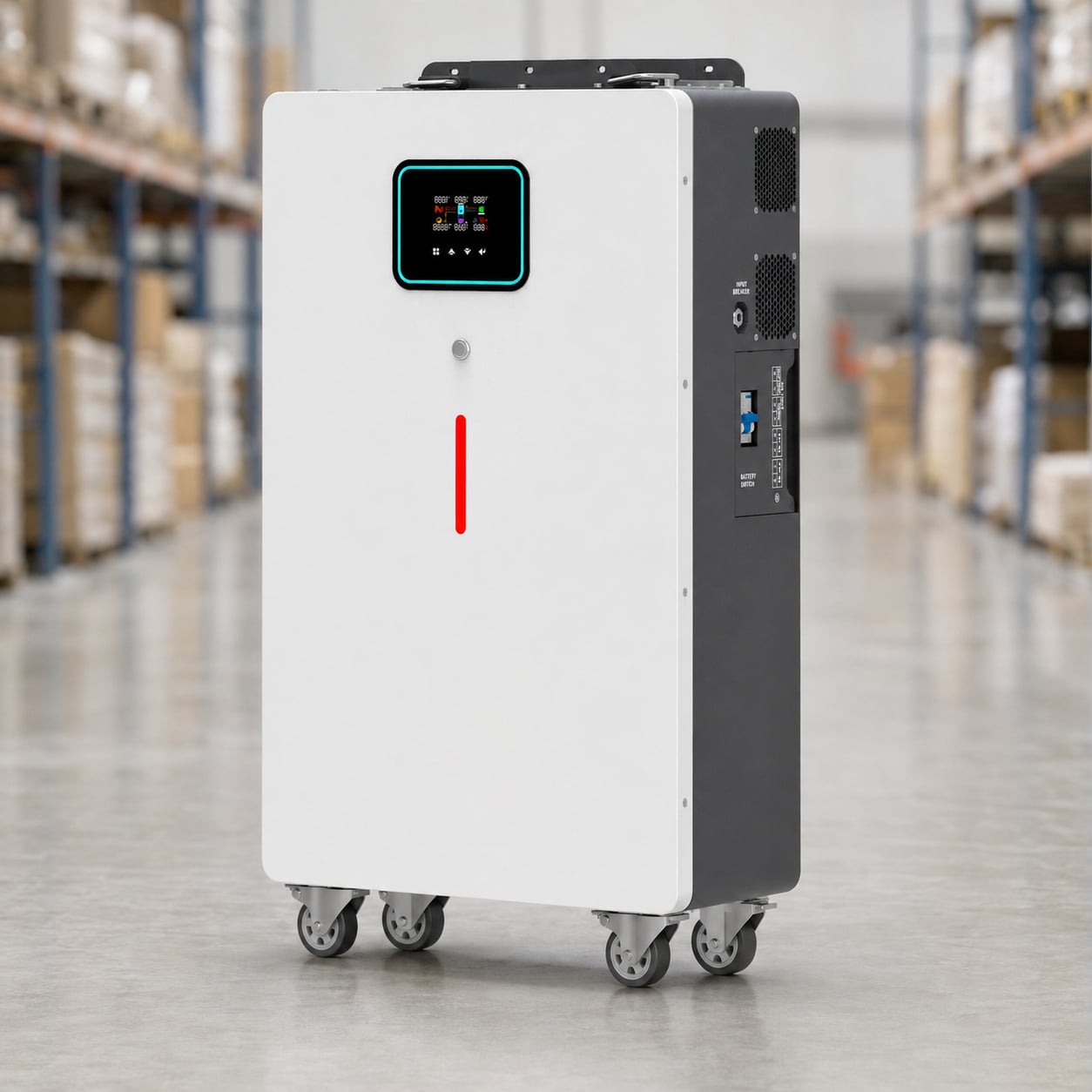
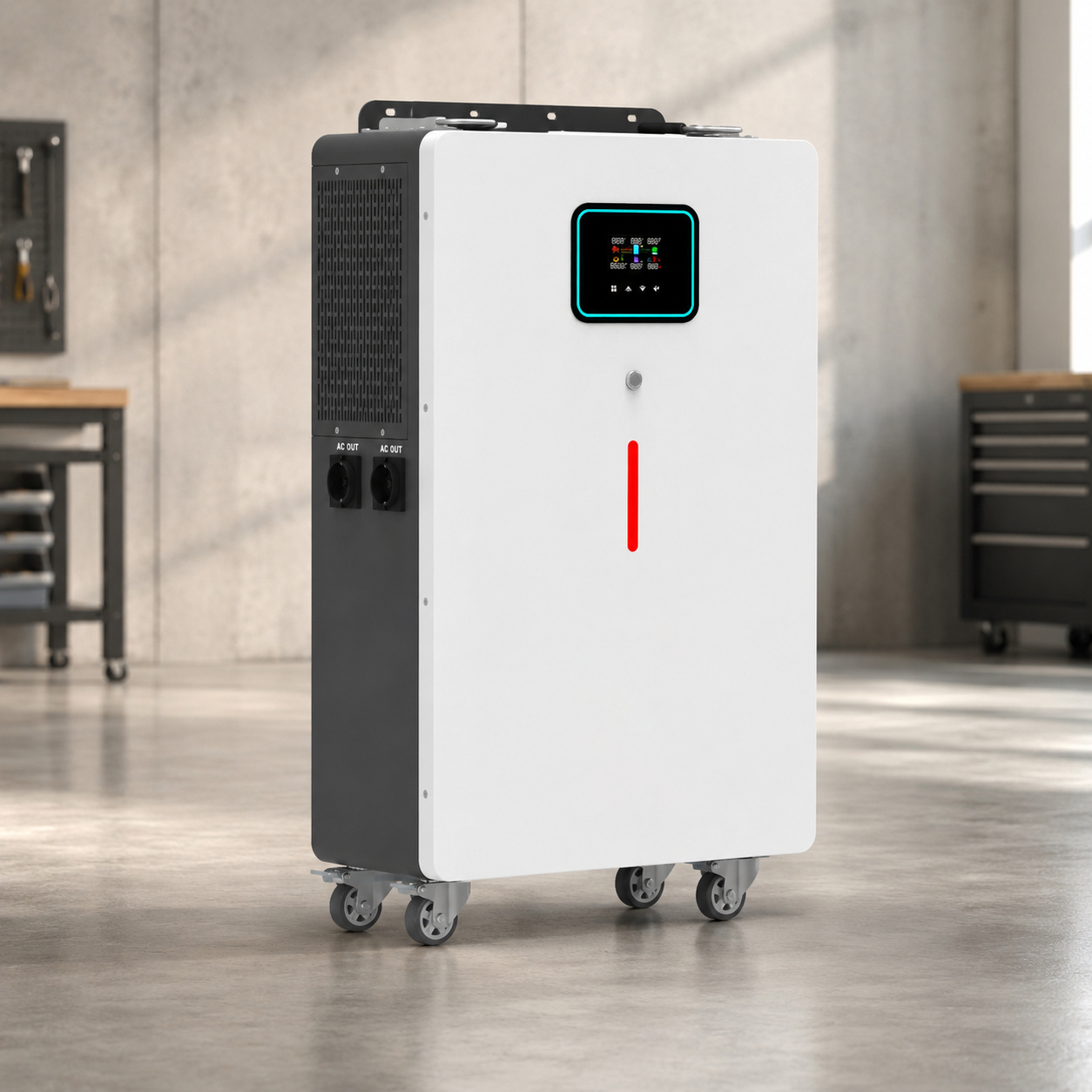
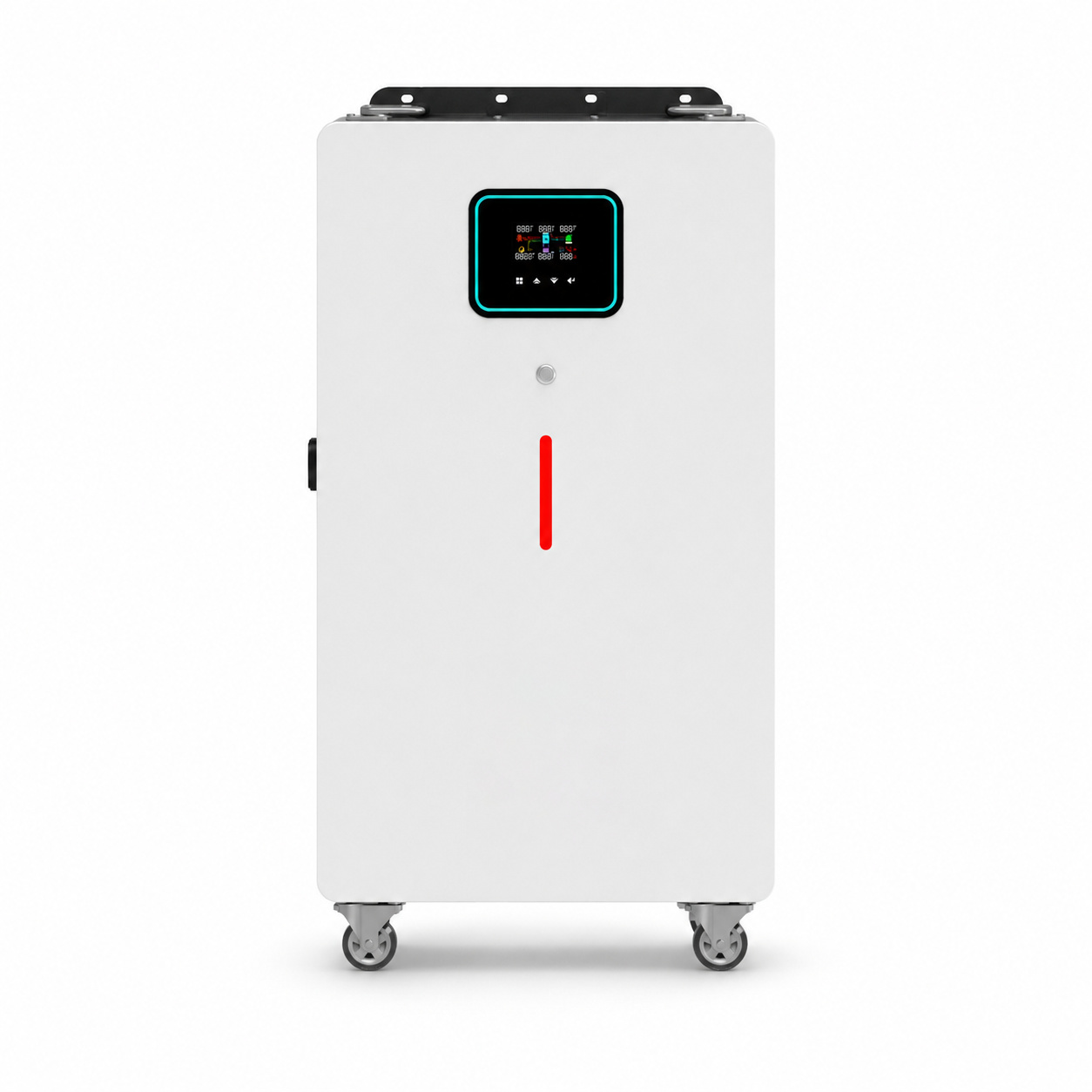
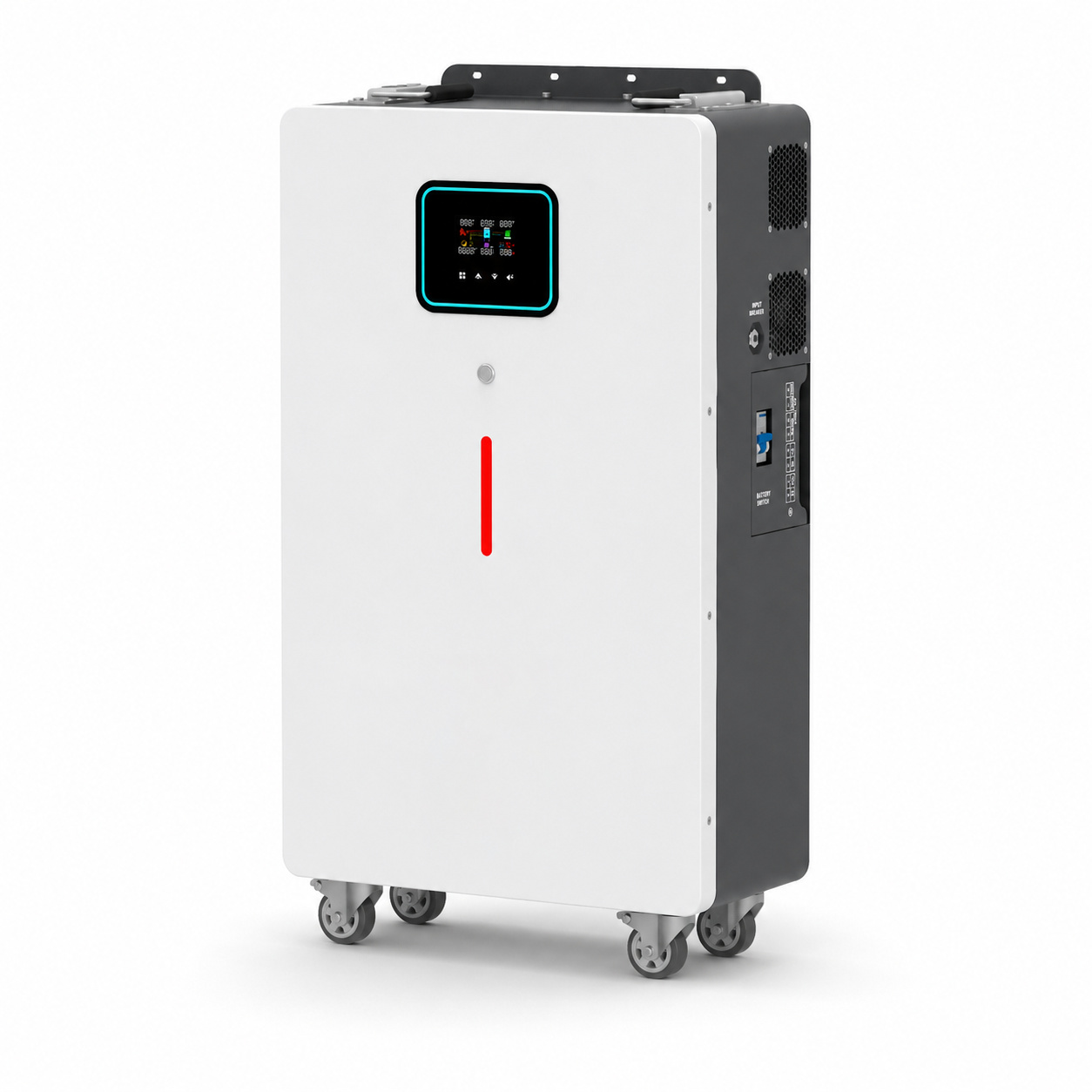
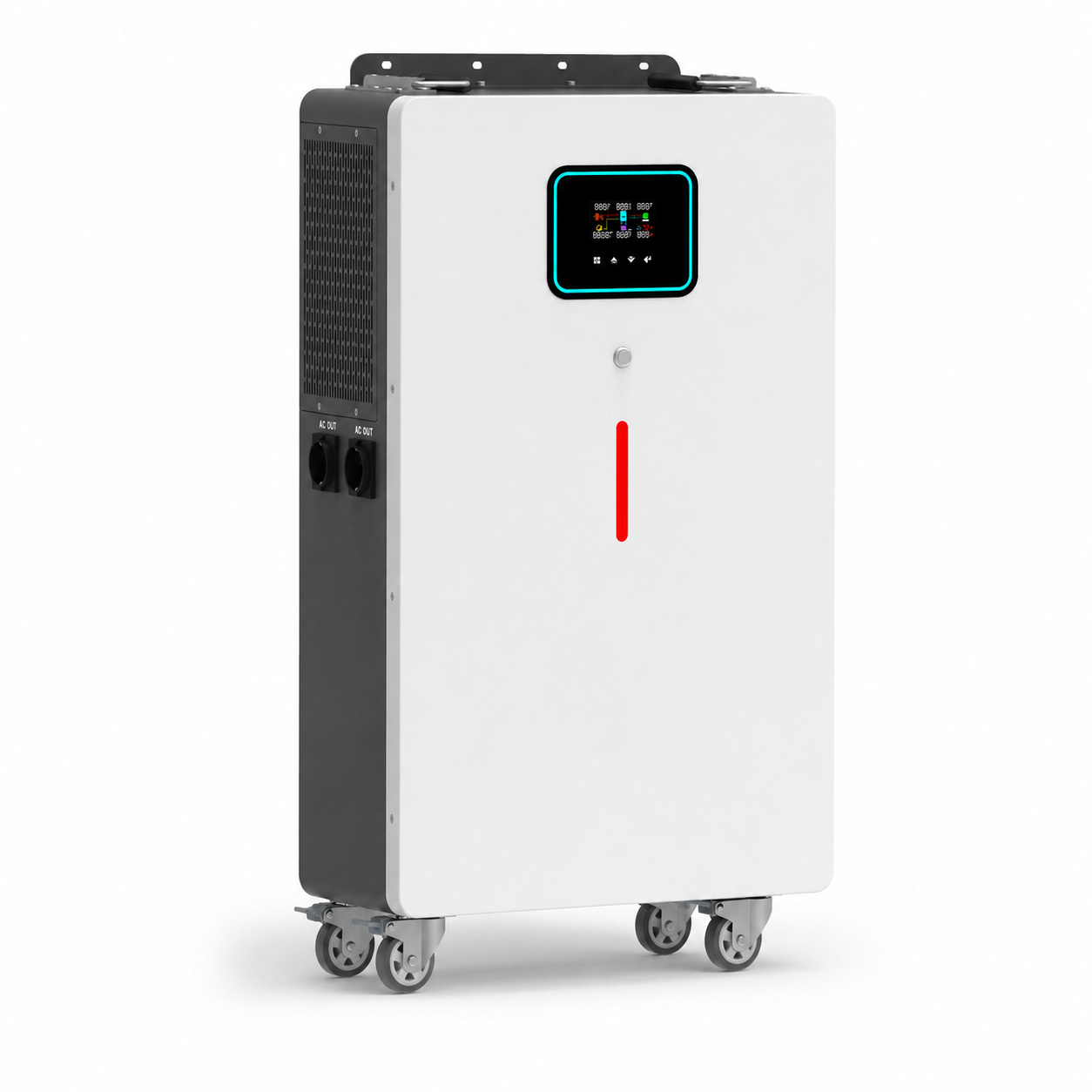
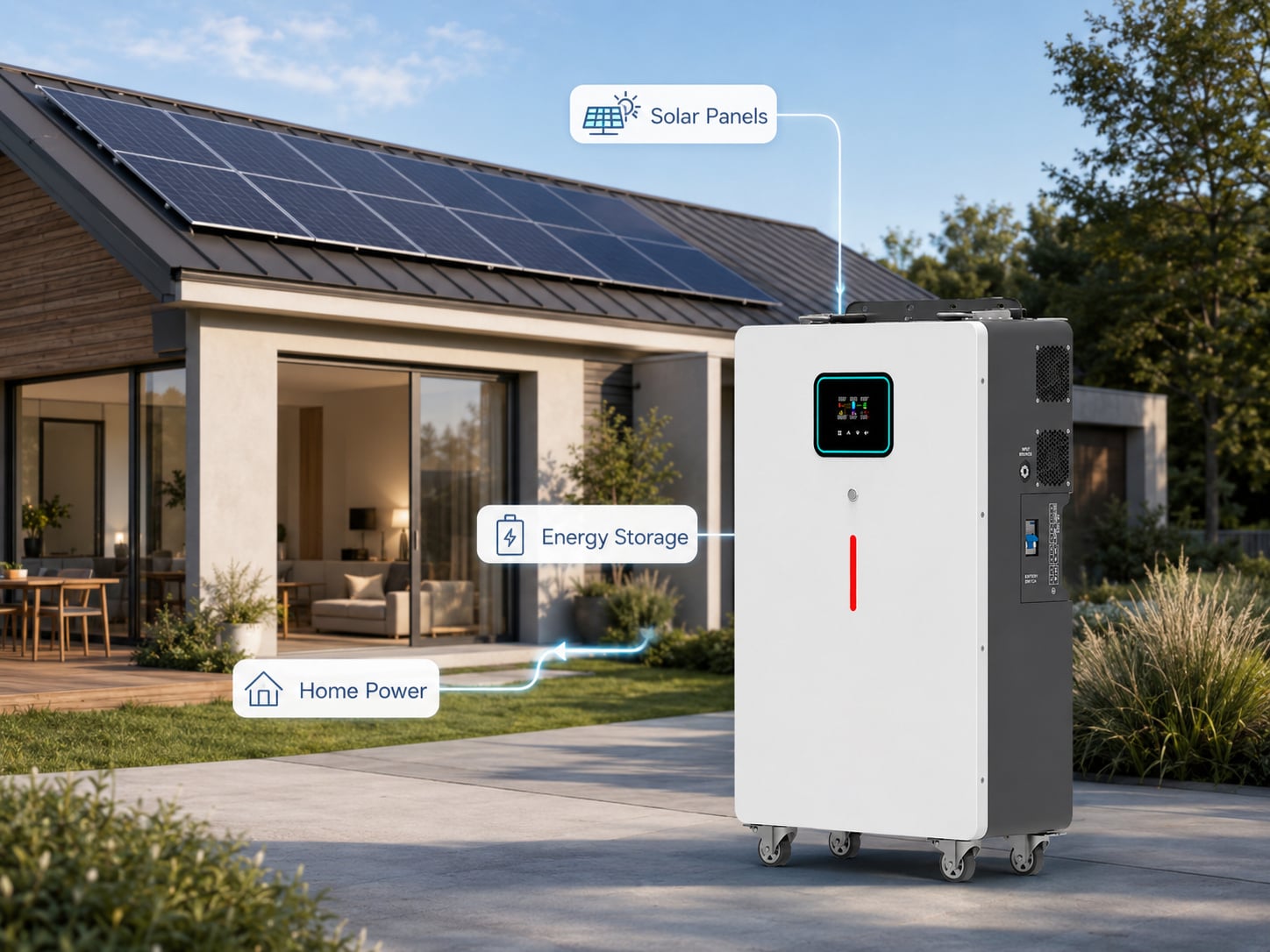
This Energy Storage System is the dual-load PLUS cabinet. Quote 6.2KW PLUS + 10.24 kWh wall battery as the standard kit. Quote 4.2KW PLUS only when the battery bus is 24V. Send those two facts.
 EN