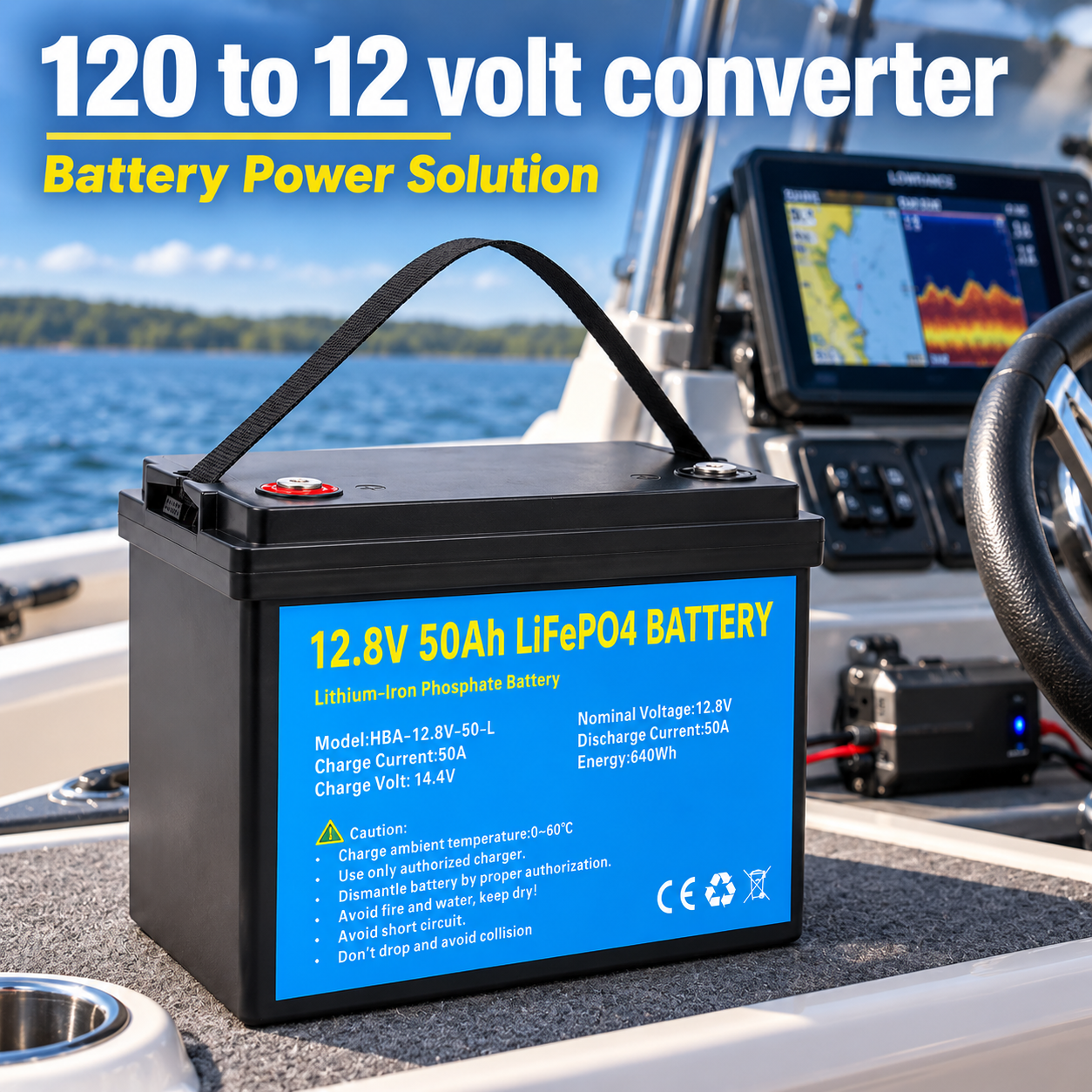
Choosing the Right 120 to 12 Volt Converter

5,000+ units ready stock, 1–5 days fast global delivery

application/120-to-12-volt-converter, application/120-to-12-volt-converter, 
Inquiry
Inquiry

120 to 12 volt converter

In  the world  of energy conversion, a 120  to 12 volt  converter plays  a crucial  role in adapting power supplies for various applications, particularly  in solar, RV,  UPS,  and  marine sectors.  B2B buyers, including purchasing managers,  engineers, and product managers, often  have  specific concerns regarding efficiency, compatibility, and quality. This article aims  to provide a  comprehensive  understanding of 120 to 12 volt converters, addressing key specifications, selection criteria, cost factors,  common  issues, and essential  insights for effective sourcing.

How to Choose the Right 120 to 12 Volt Converter for Your Projec

How to Choose the Right 120 to 12 Volt Converter for Your Projec

Choosing the right 120  to 12 volt converter involves a  systematic approach to ensure compatibility and performance.  Here are key factors to consider:


Application Requirements: Identify the  specific needs of your project. For instance, if  the converter is intended  for an  off-grid solar system, ensure it can handle the energy load and environmental conditions typical of solar applications.

Compatibility with Existing Systems: Ensure  that the converter is compatible with other components in your energy system, such as batteries and inverters. Mismatched  components can lead to inefficiencies or  equipment failure.

Customization Options: Depending  on your application, you may need specific features or configurations. Engage with manufacturers to discuss customization capabilities,  such as adjusting output voltage or integrating additional safety features.

Supplier Reputation: Research potential suppliers, looking for those with a  proven track record in manufacturing and customer service. Reviews, case studies, and industry certifications  can provide insight into their  reliability.

Testing and Samples: Before committing to a  bulk order,  request samples to test in your application. This allows you to evaluate  performance under real-world conditions and verify that the specifications  meet your needs.

Cost Factors to Consider When Sourcing 120 to 12 Volt Converters

Understanding the cost  factors associated with sourcing 120 to 12 volt converters is vital  for budget management. Consider  the following:


Unit Price: The basic cost of the converter will vary  based on specifications, brand, and supplier. Compare prices across multiple suppliers,  but be cautious of the lowest price, as it may indicate  lower  quality.

Volume Discounts: Many manufacturers offer discounts for bulk purchases. Assess your projected needs  to determine if  ordering larger  quantities can reduce the per-unit cost.

Shipping and Handling: Factor in shipping  costs, especially for international orders. Consider the location of the supplier and the associated logistics  costs.

Customization Fees: If you require specific modifications or  custom features,  inquire about associated fees. Customization can significantly affect  the overall cost.

Warranty and Support: A manufacturer that offers  comprehensive warranty and support  services adds value to your purchase. Ensure  that you understand the terms and how they might impact long-term  costs.

Common Problems with 120 to 12 Volt Converters and Their Solutions

While 120 to 12 volt  converters are generally reliable, certain issues can arise. Here are some common problems  and their solutions:

Overheating: If a converter overheats, it may  indicate that it is operating beyond its specified  load capacity.  Solution: Ensure that the converter is appropriately rated for your application  and consider installing additional cooling solutions if necessary.

Voltage Fluctuations: Inconsistent output voltage can lead to  device malfunction. Solution: Use a converter with a  high efficiency rating and built-in  voltage regulation  features to ensure stable output.

Noise Interference: Some converters can introduce electrical noise that affects  sensitive  electronics. Solution: Implement filtering solutions or choose converters designed to minimize electromagnetic interference.

Short Circuit Damage: Damage can occur if the converter is exposed to  short circuits. Solution: Select a converter with robust protection features, including  short circuit protection, to safeguard  against  damage.

Incompatibility Issues: Mismatched converters  can lead to performance issues in the overall system. Solution: Verify compatibility with  existing systems  and components before  purchasing.

What You Need to Know

When sourcing a 120 to 12 volt converter, knowledge is key  to making informed decisions.  Here  are essential points to remember:

Customization  and Flexibility: Many manufacturers offer customization options, allowing you  to  tailor the converter to specific project needs.  Discuss  these options early in the sourcing process.

Supplier Communication: Clear communication with suppliers is critical. Provide detailed specifications  and application requirements to ensure that  the  provided product meets your  needs.

Quality Assurance: Prioritize suppliers with established quality control processes. Request  information on how they conduct quality assurance throughout the  manufacturing process.

Technical Support: Consider the level  of technical  support offered by the manufacturer. Reliable support can be  invaluable during installation and troubleshooting phases.

By understanding these critical aspects of  120 to 12 volt converters, you can effectively navigate the  sourcing process, ensuring that you select a product that meets your performance expectations  and application requirements.

Key Specifications for Quality 120 to 12 Volt Converters

When evaluating 120  to 12 volt  converters, it's essential to consider several critical specifications that directly impact performance.


Input and Output  Voltage Range: The converter must effectively handle input voltages of 120 volts while reliably outputting 12 volts. This range ensures compatibility with a variety of applications.

Efficiency Rating: A high-efficiency  converter minimizes energy loss during the voltage transformation process. Look for converters with efficiency ratings  above 85% to  ensure optimal performance and reduced heat generation.

Load Capacity: Assess the maximum  load the converter can handle, typically measured in watts  (W).  This specification is crucial for ensuring the converter meets the power requirements of your specific application, whether it be for  residential energy storage or powering RV appliances.

Size and Weight: Depending on your application, the physical dimensions  and weight of the converter may be important. Compact and lightweight models are often preferable for  mobile applications, such as in RVs or marine environments.

Protection Features: Quality converters should  include built-in protections  against overvoltage, overcurrent, and short  circuits. These features enhance safety and prolong the lifespan  of both the converter and connected devices.

Certifications: Look for converters that hold relevant  certifications such as CE and UN38.3. These  certifications indicate compliance with international safety and performance  standards, which is particularly vital when sourcing products for export.

Get a Free Quote

Our representative will contact you soon.
0/1000

Related product categories