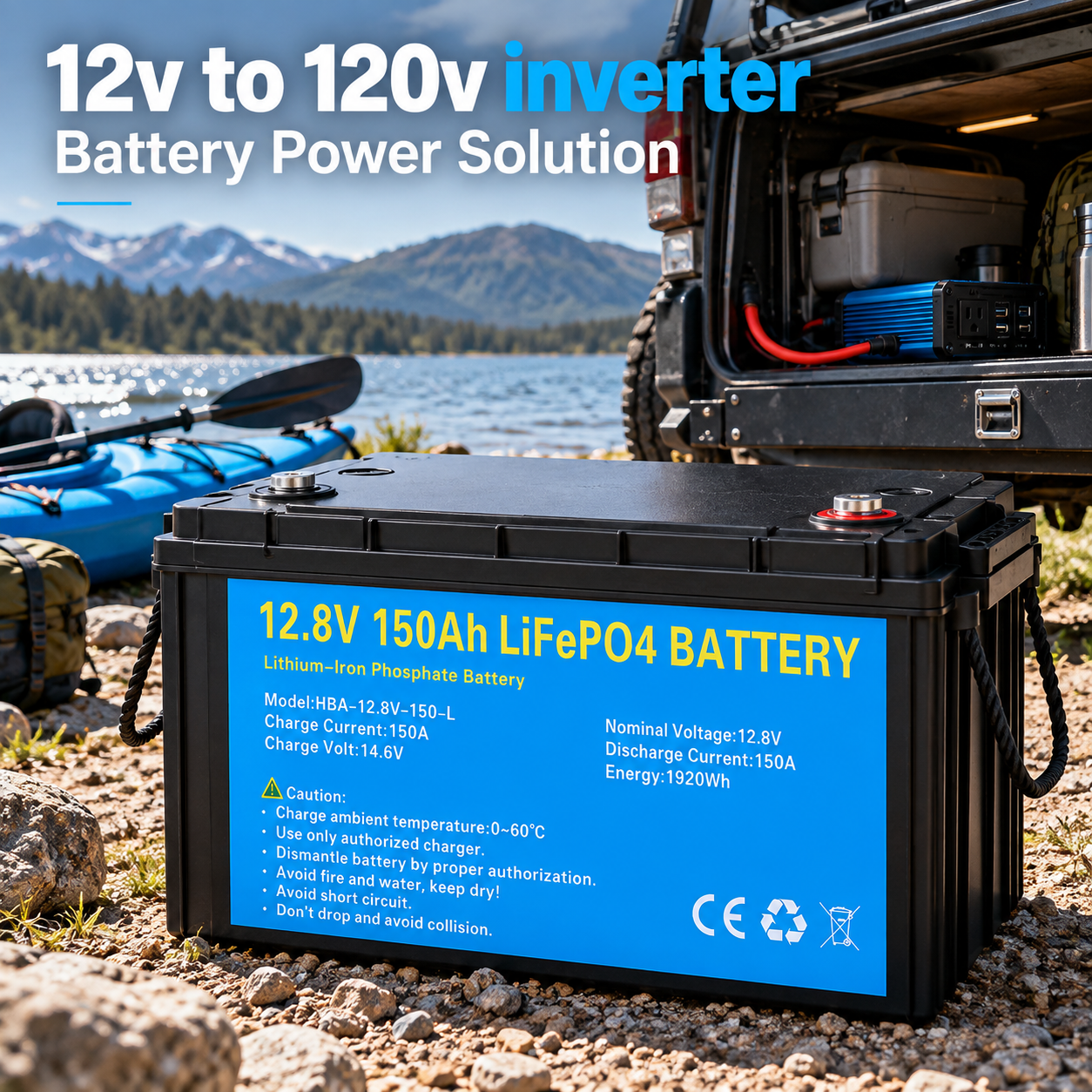
Choosing the Right 12V to 120V Inverter for Your Needs

5,000+ units ready stock, 1–5 days fast global delivery

application/12v-to-120v-inverter, application/12v-to-120v-inverter, 
Inquiry
Inquiry

12v to 120v inverter

In the world of power  solutions, a 12V to 120V inverter is essential for converting low-voltage DC power  into  high-voltage AC power, making it  a critical component  for various applications, including solar  energy systems,  recreational vehicles (RVs), uninterruptible power supplies (UPS), and marine  uses. When  selecting the right  inverter, B2B buyers must consider factors such  as  compatibility, performance specifications, and  reliability, as these components can directly  impact the efficiency and safety of their power systems. This article will guide you through  the crucial aspects of choosing  a 12V to  120V inverter, sourcing suppliers, understanding  cost factors, installation  guidance, and providing a comprehensive buyer’s  guide tailored for contractors.

Where to Source Reliable 12V to 120V Inverter Suppliers

Where to Source Reliable 12V to 120V Inverter Suppliers

Finding reliable suppliers for 12V to 120V inverters  involves researching  manufacturers that specialize in power  electronics and  have a proven track record in the industry. Start by looking for companies that hold relevant certifications, such as UN38.3 and CE, which indicate compliance  with international safety and  quality standards. Review supplier portfolios to assess  their  product offerings, ensuring they align with  your specific requirements.

Another effective approach is to  attend industry trade shows or  exhibitions where manufacturers showcase their latest products and  technologies.  This not only allows for direct discussions with company representatives but also  the opportunity to evaluate product samples firsthand. Furthermore, consider leveraging online B2B marketplaces or industry-specific directories that provide access to a wide range of suppliers, along with customer reviews and ratings to gauge their  reliability.

When evaluating potential suppliers, inquire about their manufacturing  capabilities, lead times, and minimum order quantities  (MOQs). Establishing a  relationship with a supplier  who offers customization options can also be advantageous, as it enables you to tailor the inverter to meet unique  project specifications.

Cost Factors to Consider When Purchasing 12V to 120V Inverters

The cost of 12V to 120V inverters can  vary significantly based  on several factors. Begin by considering the power capacity; higher wattage inverters typically come at  a premium. Additionally, inverter type plays a crucial role in  pricing. Pure  sine wave  inverters are generally more expensive  than modified sine  wave inverters  due to their  advanced technology and versatility. For example, an Energy Storage Systems 3.6KW 5.5KW 24V 48V On/Off Grid Solar Inverter Pure Sine Wave Inverter MPPT Hybrid Inverters could be a suitable investment for high power needs.

Customization options, such as specific connectors,  integrated battery management  systems (BMS), or additional features like  remote monitoring, can also impact the final price. It's important to balance cost with quality and performance; investing in a reliable inverter can lead  to long-term savings through energy efficiency and  reduced maintenance costs.

Shipping and handling fees should not be overlooked, especially if you are sourcing from  international  suppliers. Always request a  comprehensive quotation that outlines all potential costs, including  any associated import duties or taxes, to avoid  unexpected expenses.

Installation Guidance for 12V to 120V Inverters in Various Applications

Proper  installation of a 12V to 120V inverter is crucial for optimal performance and safety. Begin by  reviewing the  manufacturer's installation guidelines, as  they often provide  detailed instructions tailored to specific models. Ensure that the installation location is  well-ventilated  to prevent overheating,  as inverters can generate significant  heat during operation.

For solar applications, connect the inverter to the battery bank and ensure that appropriate fuses or circuit breakers are installed to  protect  your system from overloads.  In RV or marine settings, it’s essential to secure the inverter to prevent movement during operation, which could  lead to damage or safety hazards.


Moreover, verify that all electrical connections are tight and secure to minimize the risk of  voltage drops or electrical  arcing. If unfamiliar with electrical  installations, consider hiring a qualified electrician  to ensure compliance with  local codes and standards.


A Buyeru2019s Guide for Contractors

For contractors looking to purchase 12V to 120V inverters, it’s essential to prepare a comprehensive request for quotation (RFQ)  that outlines your project needs. Key details to include are  the inverter type, required wattage, application  context (e.g., solar, RV, UPS), and any  specific features or certifications needed.

When evaluating supplier responses to your RFQ, consider not  only the price but  also the supplier's  reputation, lead times, and  customer service. Request samples when  possible, as testing the  inverter under actual operating conditions  will  help confirm its suitability for your projects.

Keep in mind the importance of post-purchase support. Inquire about warranty terms and availability of  replacement parts or technical assistance to ensure  you can address any issues  that may  arise after installation. By being thorough in your preparations and evaluations,  you can make  informed purchasing  decisions that enhance  your project's success and reliability.

How to Choose the Right 12V to 120V Inverter for Your Projects

When selecting  a 12V  to 120V inverter, it's important to consider several key specifications that can  affect performance and  suitability for your specific application. Start  by assessing the  power  rating  of the inverter, which is usually measured in watts (W). Ensure that the inverter can handle the  total wattage of the devices you plan to power, including any potential surge loads. For optimal energy storage, consider using a High Performance 50Ah LiFePO4 Lithium Ion Battery Pack Deep Cycle 12V High Efficiency Lithium Iron to support your inverter.


Next, evaluate the inverter's waveform output. There are primarily three types: modified sine wave, pure sine wave, and  square wave. Pure sine wave inverters are generally more efficient and compatible with sensitive electronics, making them  ideal for applications like home entertainment  systems or medical devices. Modified sine wave inverters may suffice for less sensitive equipment but  could lead to  performance issues or damage in the long run.

Additionally, check for the inverter's efficiency rating, which indicates how well it converts DC power to AC power.  Higher efficiency means lower energy losses during  conversion, which is particularly important in off-grid or  battery-powered setups. Consider the inverter's safety features, such as  short-circuit protection, over-voltage protection, and thermal shutdown, to ensure  the safety and longevity of both the inverter and the devices it powers.

Get a Free Quote

Our representative will contact you soon.
0/1000

Related product categories