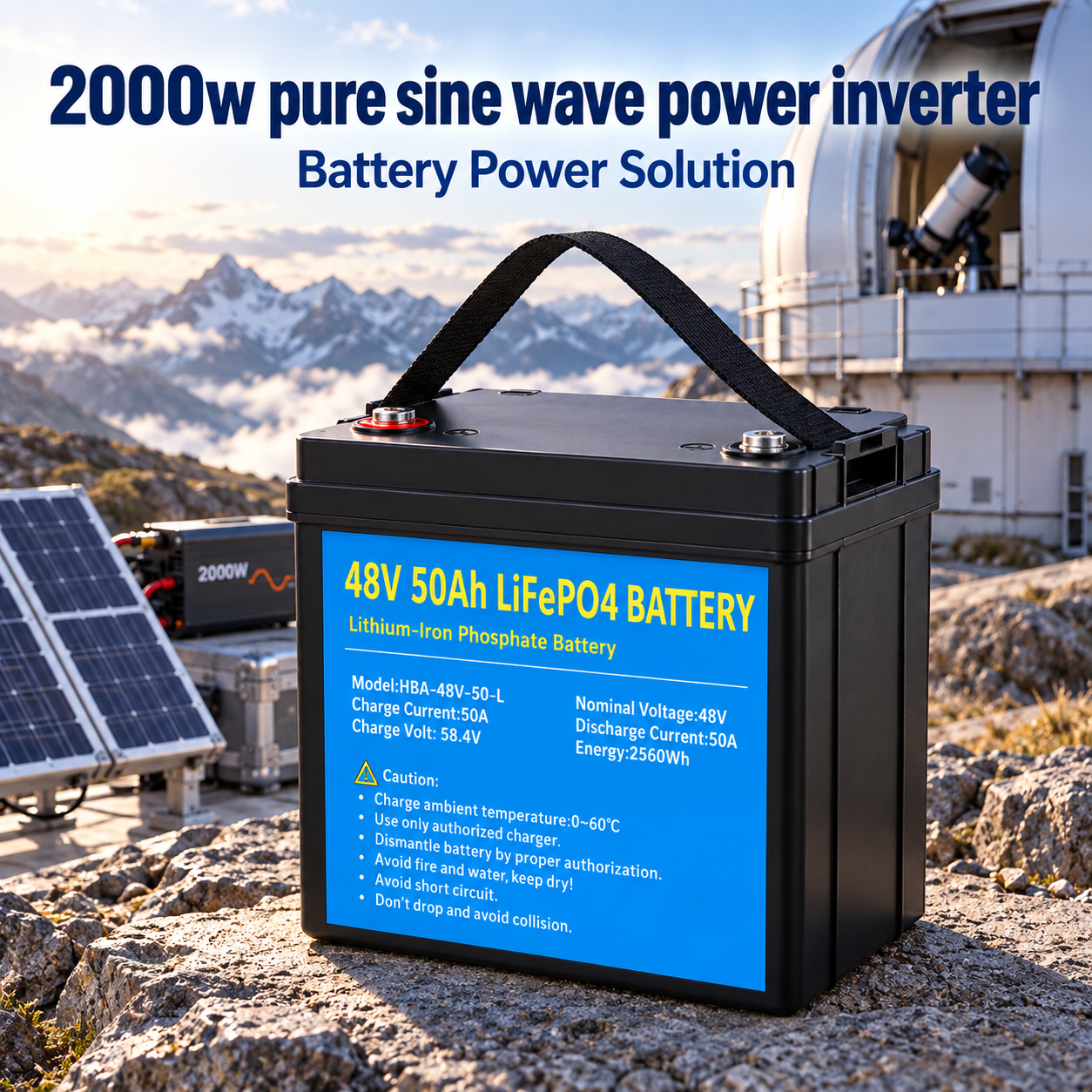
Choosing the Right 2000W Pure Sine Wave Inverter

5,000+ units ready stock, 1–5 days fast global delivery

application/2000w-pure-sine-wave-power-inverter, application/2000w-pure-sine-wave-power-inverter, 
Inquiry
Inquiry

2000w pure sine wave power inverter

A  2000W pure sine wave power inverter  is  an essential device for converting direct current (DC)  from batteries into  alternating  current (AC) for  powering various  appliances  and equipment. B2B  buyers, such as purchasing managers  and engineers, often have  concerns regarding efficiency, compatibility,  and application  suitability when selecting the right inverter  for their projects. This article aims to provide  detailed insights into choosing,  evaluating, and installing 2000W pure sine wave power inverters,  helping buyers make informed  decisions.

 
Key Specifications of 2000W Pure Sine Wave Power Inverters You Should Know

Key Specifications of 2000W Pure Sine Wave Power Inverters You Should Know

When assessing  2000W pure  sine  wave power inverters, several  key  specifications are vital for ensuring optimal performance:

Continuous and Peak Power Rating: The continuous power rating indicates the maximum load the inverter can sustain over time, while the peak power  rating reflects the maximum load the inverter can handle for brief periods (usually a few seconds). This is crucial for powering devices that require  a surge of power during startup.

Input Voltage  Range: Ensure that the  inverter supports the voltage levels from your battery system. Most  inverters are available for 12V, 24V,  or 48V systems, and selecting the right  voltage ensures compatibility  and safe operation.

Efficiency: Look for inverters with an efficiency rating above 85%. Higher efficiency not only reduces energy waste but also extends battery life, which is crucial for  off-grid applications.

Waveform Output: Pure sine  wave output is essential for sensitive electronics.  Check the Total Harmonic Distortion (THD); a lower THD indicates cleaner power.

Dimensions and Weight: Consider the physical size and weight  of  the inverter, especially if space is a constraint in your installation area.

Cooling System: An  inverter with  effective cooling mechanisms ensures it operates safely and efficiently, especially under heavy loads.

Evaluating the Quality of 2000W Pure Sine Wave Power Inverters for Bulk Orders

When considering bulk orders  of 2000W  pure sine wave power inverters, quality evaluation is crucial. Begin by checking for certifications, such as CE and UL, which indicate compliance with international safety and performance standards. These certifications are essential  for ensuring the reliability and  safety of  the inverters.


Request samples before placing a bulk order. Testing  a  sample unit under real operating conditions allows you to assess performance,  verify specifications, and identify any potential issues early. Look for consistent quality in terms of  materials, construction, and  performance.

Additionally,  evaluate the manufacturer's quality  control processes. A reputable manufacturer  should have strict  quality control measures in place,  including regular testing and inspection  during production.  Ask about  warranty terms  and after-sales support, as these can significantly impact your overall satisfaction with the product.

Common Installation Problems with 2000W Pure Sine Wave Power Inverters and Solutions

Installing  a 2000W pure sine wave power inverter  can  present several challenges.  One common issue is improper sizing, where the inverter may not match the total wattage  of the devices intended to be powered. To prevent  this, always  calculate the total wattage of connected  devices, including any startup surges.

Another frequent problem is inadequate ventilation. Inverters  generate heat during operation, and insufficient airflow can lead to  overheating. Ensure  that the inverter is installed in a well-ventilated area, and consider using additional cooling measures if necessary.

Wiring mistakes,  such as incorrect gauge or length, can  also cause  performance  issues. Use appropriately rated cables, and follow the manufacturer's  guidelines for installation. Additionally, pay attention  to grounding requirements to avoid electrical hazards.

Finally, ensure that all  connections are secure. Loose connections can lead to voltage  drops or even equipment damage.  Regularly check connections and perform maintenance as needed.

Essential Buyer Insights

When  preparing to purchase a 2000W pure sine wave power inverter, gather essential  information to facilitate a smooth  quotation process. Prepare details about your specific application, including the  type of  devices to be powered, total wattage requirements, and any customization needs.


It's also important to inquire about the minimum order quantity (MOQ) and lead times for production and  delivery.  Understanding these factors can help you plan your project  timeline effectively.

Lastly, consider  the manufacturer’s experience and reputation in the industry. A supplier with a track record of producing  reliable power solutions, such as Shenzhen Yanshuosheng Technology Co., Ltd., can provide  valuable insights and support throughout  the purchasing process.

Ensure you have all  pertinent documentation ready, such as  technical drawings or  specifications, to facilitate accurate quotations and  timely responses from suppliers. This preparation will enable you to make informed decisions  and streamline  your purchasing  process.

How to Choose the Right 2000W Pure Sine Wave Power Inverter for Your Needs

Selecting the  right 2000W pure sine wave power inverter requires an understanding of your specific application and power requirements.  First, consider the  types  of devices you plan to  power. For sensitive electronics, such as medical equipment and precision instruments, a pure sine wave inverter is necessary, as  it provides a clean, stable power output that  mimics the power supply from the  grid.

Next, evaluate the inverter's input  voltage compatibility with  your battery system. Common configurations include 12V, 24V, and  48V systems. Ensure the inverter can handle the peak  and continuous power demands of your devices. Additionally, look for features such as overload  protection, short-circuit protection, and thermal management to ensure safe  operation.

Finally, consider the inverter's efficiency  rating. A  higher  efficiency means less energy loss during the  conversion process, which can result in longer battery  life and  reduced operational costs.

Get a Free Quote

Our representative will contact you soon.
0/1000