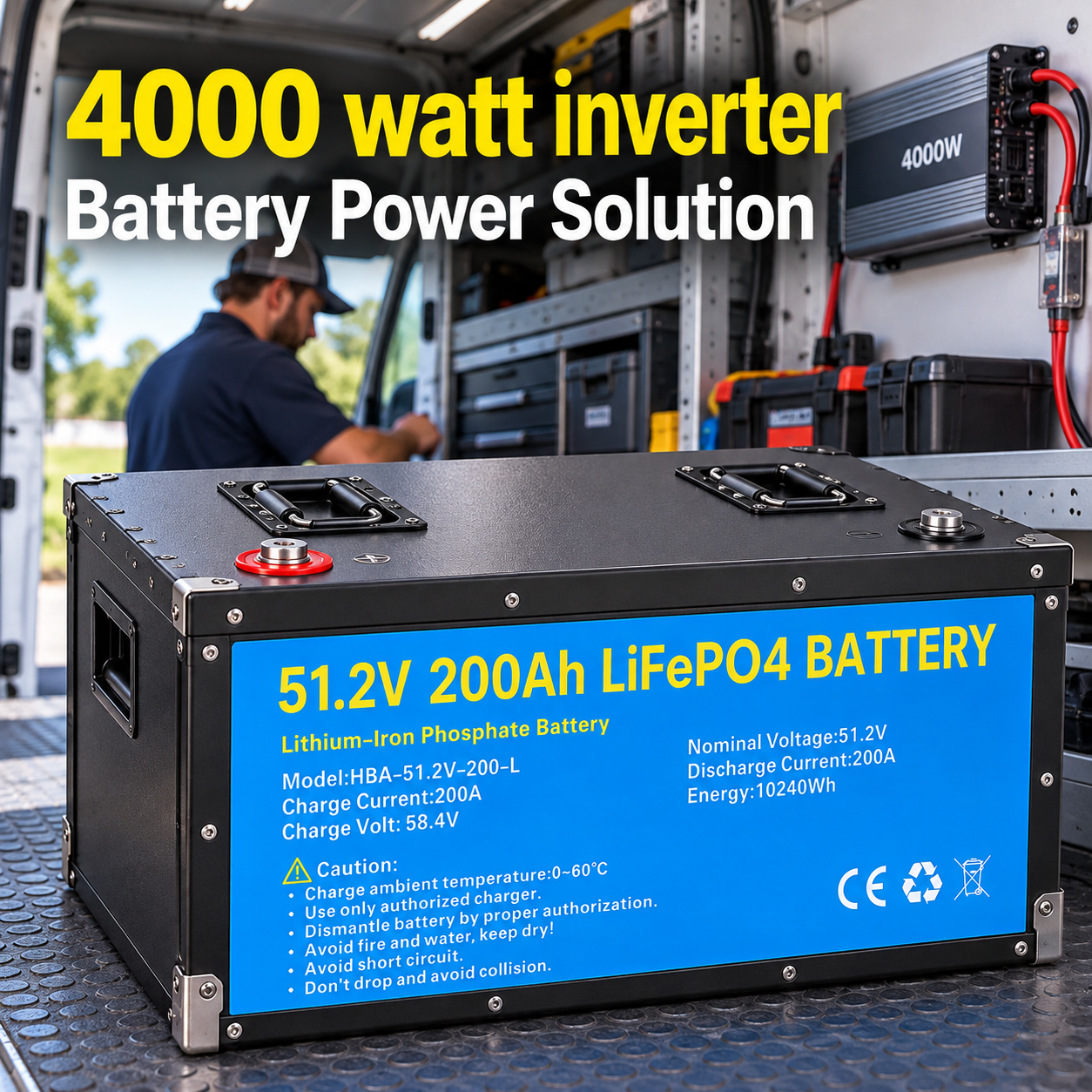
4000 Watt Inverter: Choosing the Right Supplier

5,000+ units ready stock, 1–5 days fast global delivery

application/4000-watt-inverter, application/4000-watt-inverter, 
Inquiry
Inquiry

4000 watt inverter

A  4000 watt inverter is a critical component for various applications, offering reliable  power  conversion  from DC to AC. For B2B  buyers,  particularly in sectors like  solar  energy, RV, UPS, and  marine, understanding the specifications  and supplier capabilities is crucial. This  article will guide  purchasing  managers and  engineers  through  selecting the  right 4000 watt inverter, evaluating  key specifications, and exploring its applications, ensuring that they make informed decisions that meet their  operational needs.

 
Key Specifications to Evaluate When Purchasing a 4000 Watt Inverter

Key Specifications to Evaluate When Purchasing a 4000 Watt Inverter

When purchasing a 4000 watt inverter, several  specifications must be evaluated to ensure it  meets your operational needs. Key specifications include:

Output Waveform: Determine whether you need a pure sine wave or modified sine wave inverter. Pure  sine wave inverters are essential for sensitive electronic devices, while modified sine wave inverters can be suitable for less sensitive equipment.

Input Voltage  Range: Ensure  the inverter can accommodate the voltage range of  your application, whether it’s  from a battery bank or other power sources. An inverter that is compatible with your system's voltage will maximize efficiency and performance.

Efficiency Rating:  Look for inverters  with high efficiency ratings, typically above 85%. Higher efficiency means less energy  is wasted as heat, leading to lower operational costs.

Surge Capacity: Evaluate  the  inverter’s surge capacity to handle momentary spikes  in power demand, which is common when appliances start up. This is particularly important for applications  like solar  systems where loads can vary significantly.

Cooling Mechanism: Check the inverter's cooling system—whether it relies on passive or active cooling. Active cooling systems often allow for  higher performance but may require more maintenance.

By  carefully considering these  specifications, buyers can select a  4000 watt inverter that aligns with their operational requirements and maximizes performance.


Applications of 4000 Watt Inverters in Solar and Marine Settings

4000 watt inverters are versatile  and can be applied in various settings, particularly  in solar  energy systems and marine environments.

In solar applications, these inverters convert DC electricity  generated by solar panels into usable AC power for home appliances and the  grid. They are  essential  for off-grid solar systems, allowing users to  run household appliances directly from stored energy, making them ideal for remote locations.

In marine settings, 4000  watt  inverters  provide power for onboard systems, including lighting, refrigeration, and  navigation  equipment. Their robust design ensures reliable performance even in  harsh conditions, making them suitable for  both recreational and commercial vessels. The inverter's ability to  handle large  power  loads  is  critical in these settings, where equipment reliability can significantly impact safety and functionality.

Comparing Quality Features of 4000 Watt Inverters for Bulk Orders

When ordering 4000  watt inverters in bulk, it’s essential to compare quality features to  ensure consistency and reliability across units. Key considerations include:

Build  Quality: Assess the materials used in construction. High-quality  components such as durable casings and reliable internal circuitry will enhance  longevity  and performance.

Warranty and Support: Look for suppliers that  offer comprehensive warranties  and customer support. This  is vital for bulk orders, as any issues can lead to significant downtime and  loss  of productivity.

Customization Options: Determine if the supplier can provide customization  options, such  as specific input/output configurations or additional features like  remote monitoring. Customization can enhance functionality for specific applications.

Testing Protocols: Understand the testing  protocols the supplier employs.  Inverters should  undergo rigorous testing for performance and safety before delivery. Ask for documentation that outlines these processes.

By comparing these quality features, buyers can ensure they receive inverters that  meet their operational standards and  provide reliable service over time.


Technical Advantages of LiFePO4 Batteries in 4000 Watt Inverters

LiFePO4 (Lithium Iron Phosphate)  batteries offer several technical advantages when paired  with 4000 watt inverters, making them an excellent  choice for energy storage solutions.

Safety: LiFePO4  batteries are known for their  thermal stability  and lower risk of overheating. This is  crucial in applications where reliability and safety are paramount, such as  marine and solar setups.

Cycle Life: These batteries typically have a longer cycle life compared to traditional lead-acid batteries,  often exceeding 2000 cycles. This longevity translates to lower replacement costs over time and less environmental impact.

Efficiency: LiFePO4 batteries exhibit higher charge and discharge efficiencies, which means more of  the stored energy  is available for use. This  efficiency is particularly beneficial  in systems that require frequent cycling, such as solar  energy systems.

Weight and  Size: LiFePO4 batteries are lighter and more compact than their counterparts, making  them easier to install and reducing the overall weight of the system—a significant  consideration in marine applications.

By  understanding these advantages, buyers can make informed decisions about integrating LiFePO4 batteries with their 4000 watt  inverters, ensuring optimal performance and  reliability in their applications.

How to Choose a Reliable 4000 Watt Inverter Supplier for Your Needs

Selecting a reliable supplier  for a 4000 watt inverter  involves evaluating several key factors. First,  assess  the manufacturer's experience in producing inverters and  their understanding of specific industry requirements.  Look for suppliers with  a proven track  record in sectors like renewable energy or marine applications, as they are likely to  have insights into the unique demands  of these  markets.

Additionally, verify that the supplier holds relevant certifications such as UN38.3 and CE, which indicate compliance with safety and quality  standards. This is especially important in industries  where operational reliability is critical. Request  information about their quality control processes, production capacity,  and lead times to ensure they can meet your  demand consistently.

Finally, consider asking for references  or  case studies from previous clients.  This can provide insight into their responsiveness, product quality, and overall customer satisfaction.


Get a Free Quote

Our representative will contact you soon.
0/1000