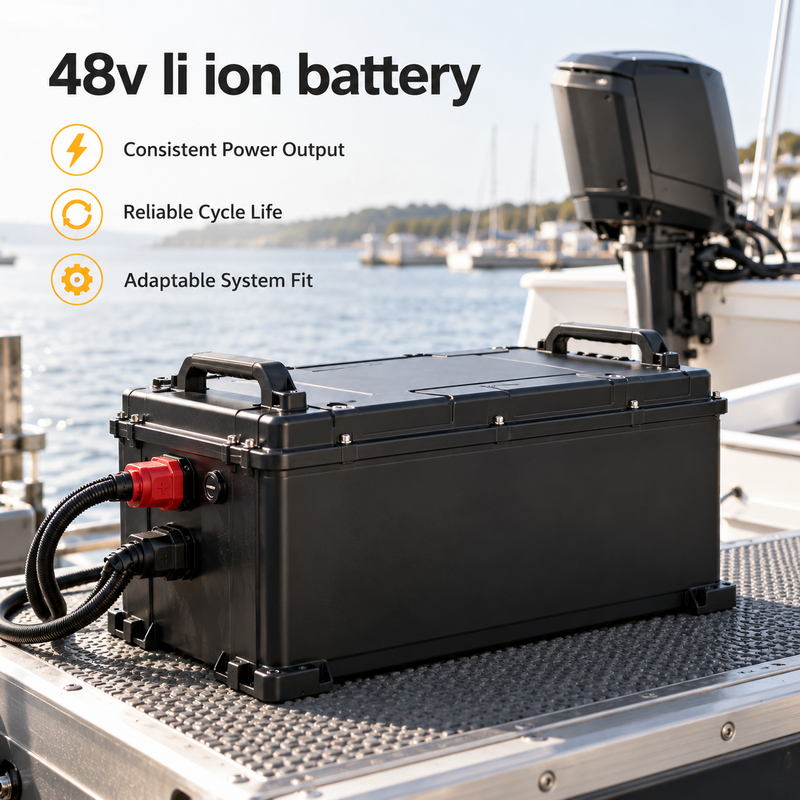
Installation Guidance for 48V Li-Ion Battery Systems in Various Applications
Installing a 48V Li-ion battery system requires careful planning to ensure optimal performance and safety. Start by assessing the installation site and ensuring that it is well-ventilated to facilitate heat dissipation during operation. This is especially important for applications like solar energy storage, where batteries may be charged and discharged frequently.
When wiring the battery system, follow the manufacturer’s guidelines to ensure proper connections. Pay attention to the polarity and ensure that cables are appropriately rated for the expected current load. Using high-quality connectors can minimize resistance and improve reliability.
In applications such as UPS (Uninterruptible Power Supply) systems, it’s crucial to integrate the battery with other components effectively. Compatibility with the existing DC/AC inverter, load management systems, and safety devices like circuit breakers should be verified.
Finally, after installation, conduct thorough testing to ensure the system operates as intended. Monitor performance metrics such as voltage, current, and temperature to identify any issues early. Regular maintenance checks can prolong battery life and maintain performance standards.
By understanding these elements, B2B buyers can make informed decisions regarding 48V Li-ion batteries, ensuring they select the right products for their specific applications while minimizing risks and optimizing performance.
 EN