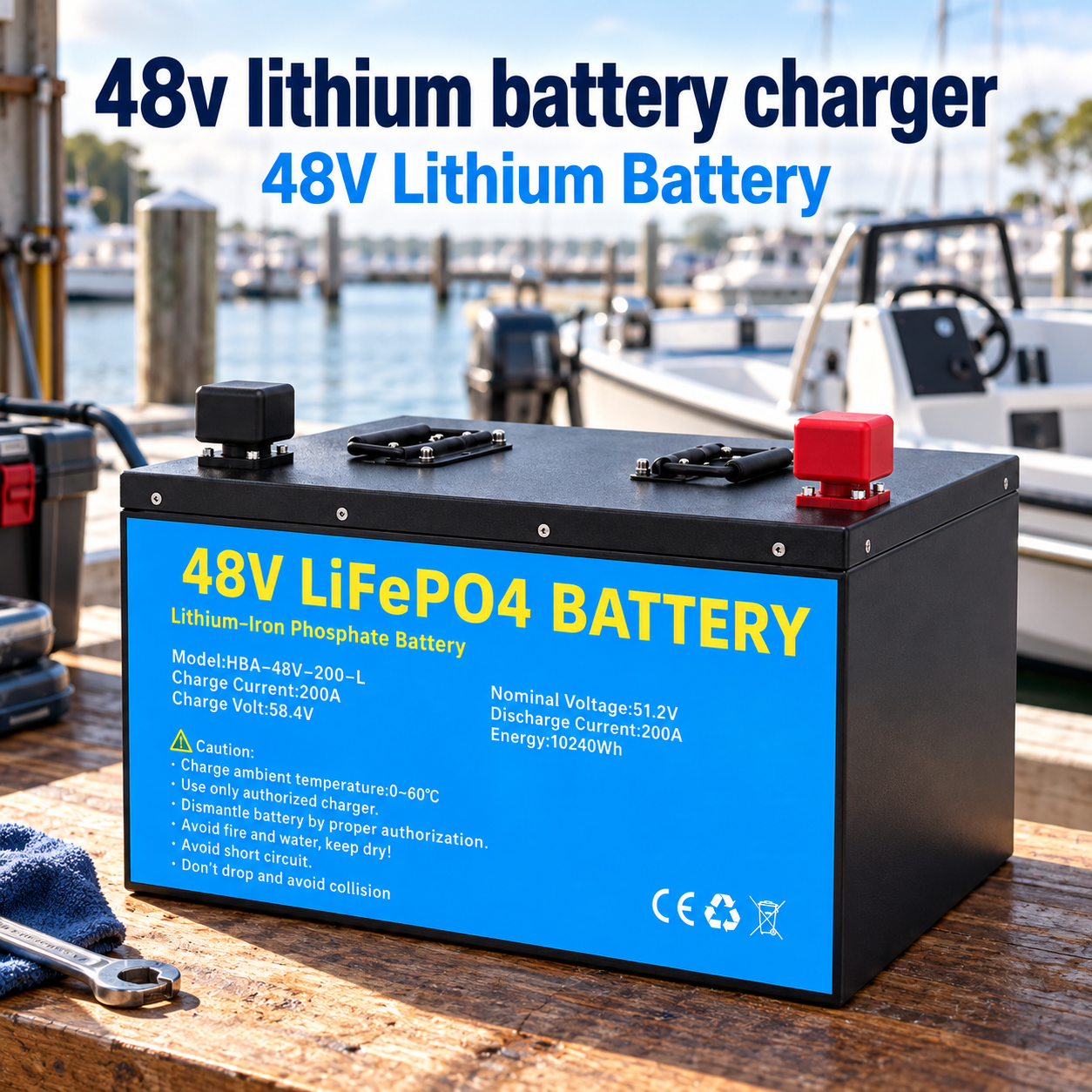
Expert Insights on 48V Lithium Battery Charger Quality Control
Quality control is a critical aspect of manufacturing 48V lithium battery chargers. Here are some insights:
Testing and Inspections: Before products reach the market, they should undergo rigorous testing, including electrical safety tests and performance assessments under various load conditions. This helps to identify any potential issues early in the production process.
Material Selection: The materials used in the charger, such as housing and internal components, must meet specific standards to ensure durability and safety. For instance, high-temperature resistant materials can prevent overheating during operation.
Production Equipment: Advanced manufacturing equipment can improve precision and consistency in production, leading to higher quality products. Suppliers should be transparent about their manufacturing capabilities and processes.
Feedback and Iteration: Continuous feedback from users can help manufacturers improve product designs and address common issues. Engaging with customers post-sale ensures that any concerns are addressed promptly.
Compliance and Certification: Adhering to international standards and obtaining relevant certifications is essential to demonstrate commitment to quality and safety. Buyers should verify that their suppliers maintain these standards.
By understanding these aspects of 48V lithium battery chargers, buyers can make informed decisions that align with their operational needs and ensure they select the right charging solutions for their applications.
 EN