Choosing the Right Battery Inverter for Your Needs

5,000+ units ready stock, 1–5 days fast global delivery

application/battery-inverter, application/battery-inverter, 
Inquiry
Inquiry

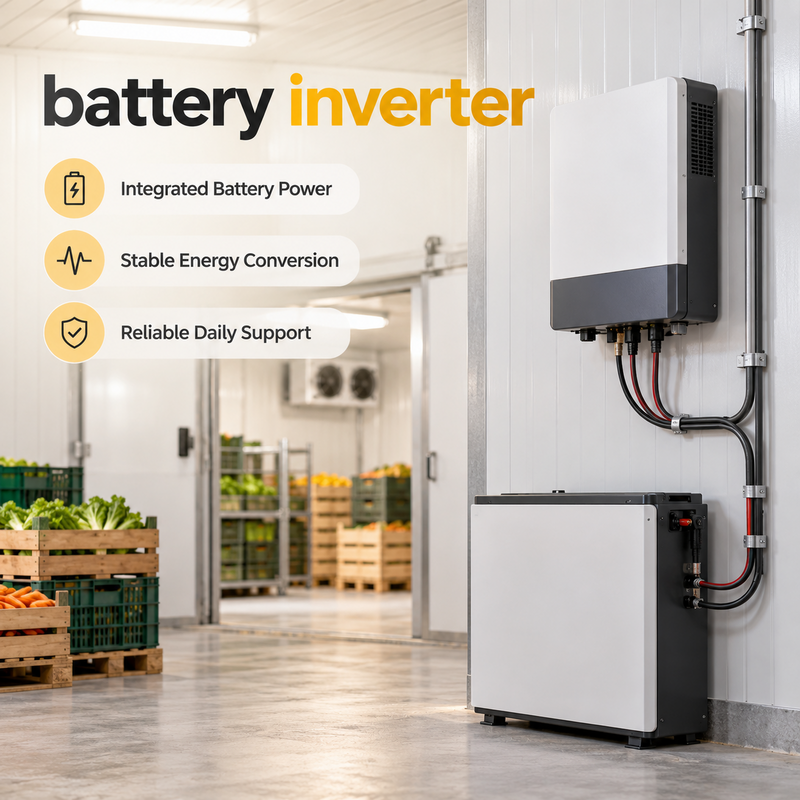
battery inverter

Battery inverters are essential components in  energy storage  systems, especially for applications like solar energy, RVs, UPS, and marine environments.  As  a purchasing  manager  or distributor, you may have specific concerns about selecting  the  right  battery inverter,  evaluating  its specifications, and ensuring that it meets your operational  needs. This article aims to guide you through the process of choosing the right battery inverter, comparing specifications for optimal  performance,  understanding cost factors when purchasing in bulk, best practices for  procurement,  and  where  to  source high-quality battery  inverters.

Comparing Battery Inverter Specifications for Optimal Performance

Comparing Battery Inverter Specifications for Optimal Performance

When comparing battery inverters, focus on key specifications that can directly impact  performance:

Continuous Output  Power  vs. Surge Power: Continuous  output power is the amount  the inverter can  supply over an extended period, while surge power is the maximum power it can  provide for short bursts. Ensure that the continuous output meets your application needs, while also considering surge requirements for starting motors or appliances.

Total Harmonic Distortion (THD): This measures the quality  of the power output. A lower THD indicates cleaner power and is particularly important for sensitive electronics.  Aim for a THD of less than 5% for optimal performance.

Cooling Mechanisms: Inverters can generate  heat during operation. Check for models with effective cooling systems, such as built-in fans or  heat sinks, to enhance performance and prolong lifespan.

Operating Temperature  Range:  Ensure the inverter can operate effectively  in the environmental conditions it will face, whether that's  extreme heat in a solar  application or cold temperatures  in an RV.

Certifications: Look  for certifications like UN38.3  and CE, which indicate compliance with safety and  performance standards. These certifications can provide assurance regarding the quality and reliability of the inverter.

Understanding the Cost Factors of Battery Inverters in Bulk

When  purchasing battery inverters in bulk, several cost factors  come into  play:


Volume Discounts: Many manufacturers  offer discounts based on order quantity. It's advisable to discuss your expected order volume with  suppliers  to negotiate  better pricing.

Shipping and Handling: Bulk orders may incur higher shipping costs  due to size and weight. Explore shipping options, including freight shipping, to optimize costs.

Lead Time: Consider the  lead time  for bulk  orders, which can vary based on  manufacturing schedules and stock availability. Longer  lead times may affect project timelines, so factor  this  into your planning.


Customization Costs: If you require custom specifications, such as unique dimensions or special features, this can impact the price. Ensure you communicate your needs clearly to get an accurate estimate.

Warranty and Support: Evaluate the warranty offerings and after-sales support. A longer  warranty period may provide  better long-term value, while robust customer support can help resolve  any issues that arise post-purchase.

Best Practices

To ensure successful  procurement of battery  inverters,  follow these  best  practices:

Request Samples: Before placing a bulk  order, request samples to evaluate performance and compatibility with your application. Testing samples  can  help  identify any potential issues early.


Conduct Quality Inspections: Implement  quality  control checks upon receipt of your order to  verify  that products meet specified standards and performance expectations.

Review Technical  Documentation: Ensure you receive comprehensive technical documentation, including operation manuals and installation guidelines,  to facilitate proper usage and maintenance.

Engage with the Manufacturer: Maintain open communication with your supplier for any queries or  concerns. Understanding their manufacturing processes can  provide insights  into product quality and reliability.


Where to Source High-Quality Battery Inverters for Your Projects

When sourcing battery  inverters, consider the  following  avenues:

Established Manufacturers: Partnering  with reputable  manufacturers, such as Shenzhen Yanshuosheng Technology  Co., Ltd., ensures access to high-quality inverters backed by industry certifications and a proven  track record.

Trade Shows and Industry Events: Attending  trade  shows can provide direct access to a variety of manufacturers and products. This allows  for  hands-on evaluation and networking  opportunities.

Online Marketplaces: Platforms like Alibaba or Global  Sources can connect you with multiple suppliers. However, ensure to verify their credentials and read  reviews  before making decisions.

Distributors: Established distributors often have extensive product knowledge and  can provide  valuable insights into the best options for your specific requirements.

By focusing on  these aspects and utilizing reliable sourcing channels, you can confidently select and procure  battery inverters that meet your  project's needs effectively.

How to Choose the Right Battery Inverter for Your Needs

Selecting the right battery inverter begins with understanding your specific application requirements. Consider the  following factors:

Power Output: Determine the wattage requirements of your application. The inverter  should be capable  of handling the peak power demands of your devices.

Input and Output Voltage: Ensure compatibility with  your  battery bank and the devices  you intend to power. Common configurations include 12V, 24V, and 48V systems.

Efficiency Rating: Look for inverters with high efficiency ratings, typically above 90%. Higher efficiency means  less  energy  loss during conversion, which is  vital for maximizing battery performance.

Type of Inverter: Decide between pure sine wave and modified sine wave  inverters. Pure sine wave inverters are ideal for  sensitive electronics, while modified  sine wave inverters can be suitable for less sensitive loads and are generally more  cost-effective.

Size and Weight: Consider the physical dimensions and  weight of the inverter, especially if it needs  to fit into a confined space in RVs or marine applications.

Safety  Features: Look for built-in safety features such as short-circuit  protection, over-temperature protection,  and low-voltage cut-off, which can help prevent damage to your equipment.


Get a Free Quote

Our representative will contact you soon.
0/1000