Cost Factors and Applications of 48V Chargers

5,000+ units ready stock, 1–5 days fast global delivery

application/charger-48v, application/charger-48v, 
Inquiry
Inquiry

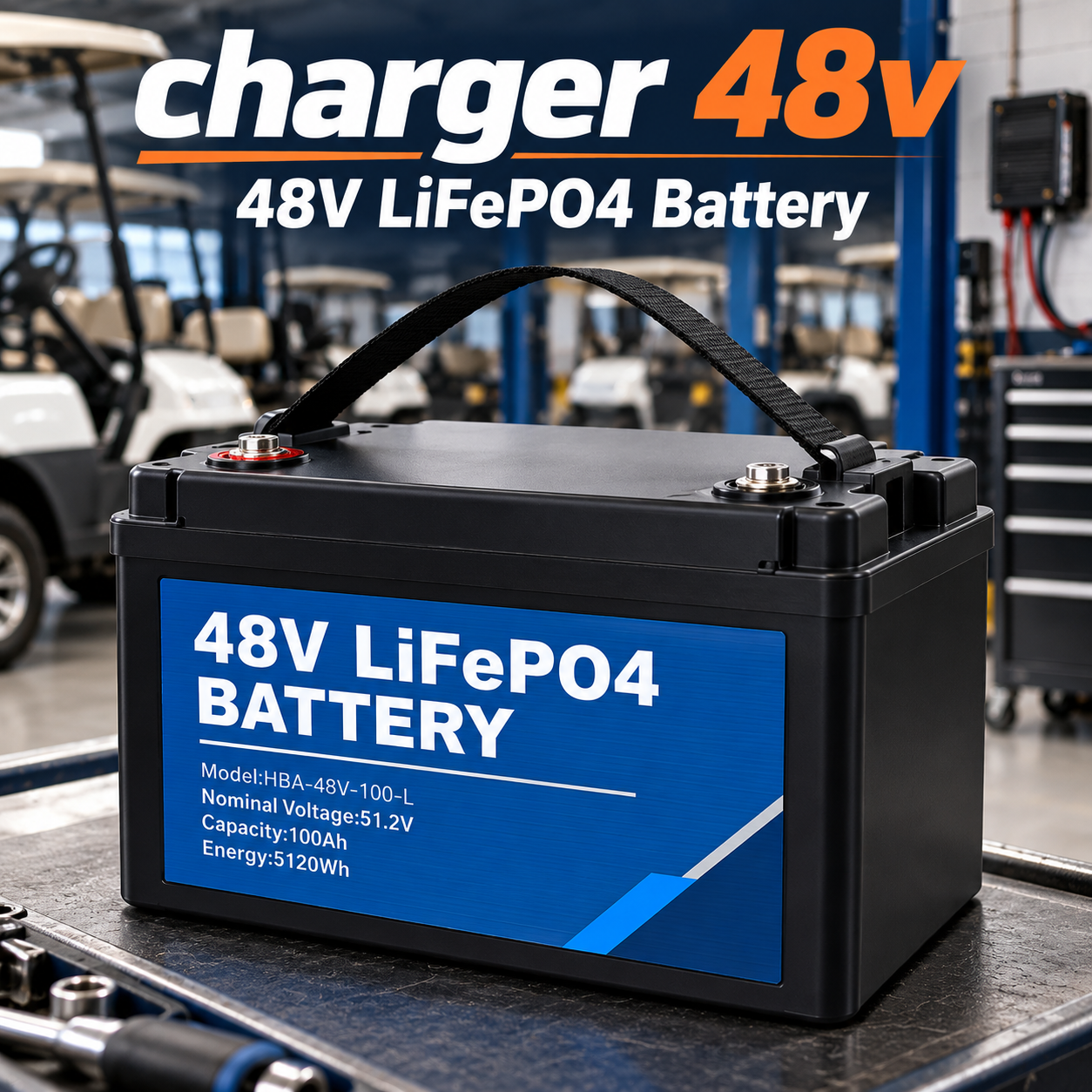
charger 48v

Understanding the  intricacies of sourcing a 48V  charger is crucial for professionals involved in energy storage  and related  applications.  As the demand for  reliable power solutions increases, so do the  challenges associated with selecting the right charger  for your projects. This  article aims to address key  concerns such as  cost factors,  common  problems, and  specific applications of  48V chargers, empowering purchasing managers,  engineers,  and contractors with the  knowledge  needed  to make informed decisions.

Step-by-Step Guidance for Contractors

Step-by-Step Guidance for Contractors

For contractors looking to integrate 48V chargers into their projects, following a systematic approach can streamline the procurement process.

Define Project Requirements: Start by determining the specific needs of  your application, including voltage, capacity,  and environmental conditions. For instance,  chargers used in marine environments  require waterproofing and corrosion resistance.

Research Suppliers: Identify manufacturers with a strong  track record in producing 48V chargers.  Evaluate their manufacturing capabilities, certifications,  and customer reviews to ensure they meet your  quality standards.

Request  Quotations:  Prepare a detailed Request  for  Quotation (RFQ) that includes  specifications such as  quantity, required features, and application context. This information helps suppliers provide accurate pricing and lead times.

Evaluate  Samples:  Before finalizing orders,  request samples to assess performance under actual operating conditions. This step is crucial to verify compatibility and reliability.

Finalize the Order: Once satisfied with the samples, confirm the order, ensuring  clear communication regarding delivery timelines, payment terms, and any customization requirements.

By following these steps, contractors can minimize risks and ensure that the chargers sourced will meet project demands  effectively.

Common Problems with 48V Chargers and Effective Solutions

While 48V chargers are generally reliable, they can present challenges  during operation. Some common issues include:

Overheating: This can occur due to insufficient ventilation or high ambient temperatures. To  mitigate this,  ensure that  the charger is installed in a well-ventilated area and  consider models with built-in thermal management  systems.

Incompatibility with Batteries: Different battery technologies  (like LiFePO4)  require specific  charging profiles. Using an incompatible  charger  can  damage the  battery. Always  verify that the charger's specifications align  with the battery's requirements.

Poor Quality Components: Inexpensive chargers  may use substandard materials, leading to failure. It’s essential to source chargers from reputable manufacturers who prioritize  quality  control and  use high-grade components.

Addressing these issues proactively can significantly enhance the longevity and  performance of your 48V charging systems.

Applications of 48V Chargers in Solar and Marine Projects

48V chargers are increasingly popular in both  solar energy systems and marine applications  due to their efficiency and compatibility with various battery types.

In solar applications,  these chargers are  vital for maintaining battery health  in off-grid systems. They facilitate the effective charging of deep-cycle batteries,  ensuring optimal performance and longevity of energy storage  systems. Buyers  should look for chargers with advanced  features like MPPT  (Maximum Power Point  Tracking) to maximize charging efficiency from solar panels, and consider integrating solutions such as Energy Storage Systems 3.6KW 5.5KW 24V 48V On/Off Grid Solar Inverter Pure Sine Wave Inverter MPPT Hybrid Inverters.

In  marine  projects, 48V chargers are used  to  power various onboard systems, including navigation  and communication equipment. These chargers must be rugged and  capable  of withstanding harsh marine environments. Waterproof designs and corrosion-resistant materials  are  essential for ensuring reliable operation over time.

Understanding these applications can guide buyers in selecting chargers that meet specific operational requirements, enhancing overall system performance.

Maximize Your Savings

To  maximize savings when  sourcing 48V chargers, consider  the  following strategies:

Bulk  Purchasing: Many manufacturers offer discounts for bulk orders. If your project allows, consider ordering larger quantities  to take advantage of reduced  unit costs.

Compare Supplier Offers: Don’t settle for the first quote. Compare offers from multiple suppliers to find  the best combination of price, quality, and service.

Evaluate Total Cost of Ownership: While upfront costs are  important, consider the total  cost of ownership, including operational efficiency and maintenance. A slightly more expensive charger with higher efficiency can lead to significant savings in energy costs over time.

Negotiate Customization Options: If customization is necessary, discuss options with suppliers. Sometimes, minor adjustments can lead to  cost savings without compromising performance.

By implementing these strategies, purchasing  managers  can ensure they make financially sound decisions  when sourcing 48V chargers.

Understanding the complexities of sourcing, utilizing, and optimizing 48V chargers  is  essential for professionals in the energy sector. With the right knowledge and preparation, buyers can  make informed  choices that enhance project outcomes  and operational efficiency.

Cost Factors When Sourcing 48V Chargers for Your Projects

When sourcing 48V chargers, several  cost factors come into play, directly influencing total procurement  expenses.  Key considerations include raw material prices, manufacturing processes, and certification  costs. For example,  chargers designed for specific applications, such as  solar  or marine use, may  require specialized components that increase production costs.

Another significant expense is  the certification  process. Chargers must meet industry standards, like  UN38.3 and CE certifications, which ensure safety and reliability. Manufacturers  with established  compliance systems may offer lower costs, as they have streamlined their processes to  efficiently meet these requirements.

Additionally, customization options can impact pricing. For instance,  if a buyer needs a charger with  specific dimensions or features tailored  to unique applications, this will typically come at a premium. Understanding these factors  allows  buyers to better anticipate costs and negotiate effectively with suppliers. For those looking for high-performance solutions, consider options like the High Performance 50Ah LiFePO4 Lithium Ion Battery Pack Deep Cycle 12V High Efficiency Lithium Iron.

Get a Free Quote

Our representative will contact you soon.
0/1000