How to Evaluate On-Grid Inverters for Bulk Orders

5,000+ units ready stock, 1–5 days fast global delivery

application/on-grid-inverter, application/on-grid-inverter, 
Inquiry
Inquiry

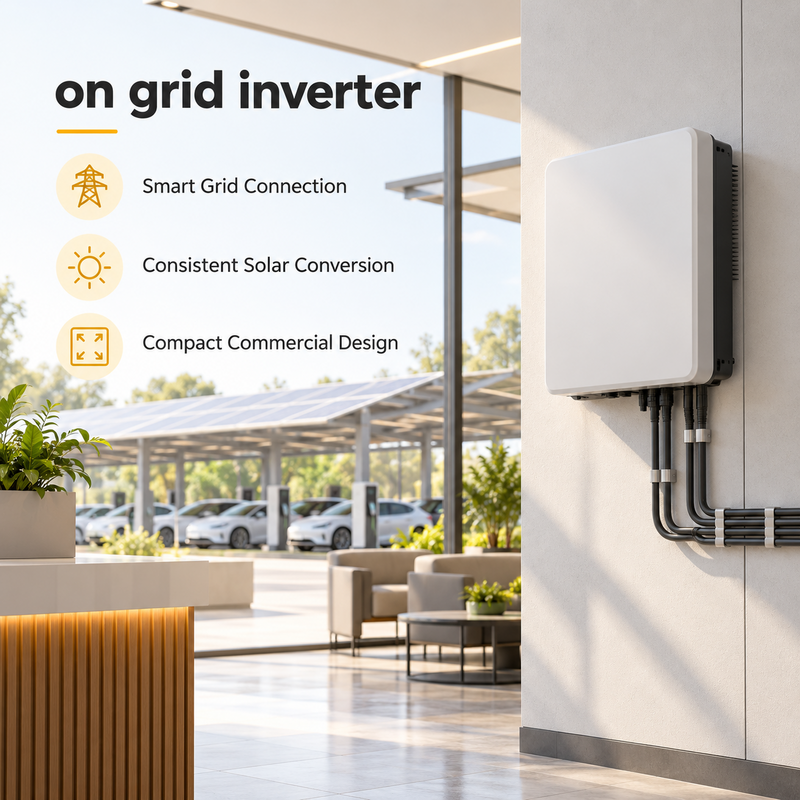
on grid inverter

On-grid inverters are essential components in solar energy systems,  converting direct  current (DC)  electricity  generated  by solar panels into alternating current  (AC) electricity  used by  homes and businesses.  For B2B  buyers such  as purchasing managers and engineers, understanding  how  to assess the quality and suitability of on-grid inverters is crucial. This article will guide  you through  evaluating their quality, finding reliable suppliers, understanding  cost  factors,  identifying best  practices, and addressing common  issues associated with these inverters.

Where to Find Reliable Suppliers for On-Grid Inverters

Where to Find Reliable Suppliers for On-Grid Inverters

Finding  a trustworthy supplier for  on-grid inverters involves thorough research  and assessment. Start by leveraging industry networks and trade  shows, which offer opportunities to connect with reputable manufacturers. Websites such as Alibaba or Global Sources can also be valuable for identifying potential suppliers,  but ensure to vet them carefully.

Look for suppliers with strong  customer reviews and a proven track record in the market.  Request case studies or references from previous  clients to gauge their reliability  and product performance. Additionally, suppliers should provide detailed product  documentation, including technical specifications, certifications, and installation guides, to  support your evaluation process.

Consider suppliers like Shenzhen Yanshuosheng Technology Co.,  Ltd.,  which specializes in energy storage systems and  has experience exporting to over 50 countries. Their expertise in  LiFePO4 energy storage, along with independent BMS and  necessary  certifications, positions them as  a credible  partner for sourcing on-grid inverters. They also offer products like the High Performance 50Ah LiFePO4 Lithium Ion Battery Pack that can enhance your overall energy system.


Understanding Cost Factors for Wholesale On-Grid Inverters

The cost of on-grid inverters  can vary significantly based on  multiple factors. First, consider the inverter's  capacity  and efficiency. Higher capacity and more  efficient models typically come with a premium price tag. Additionally, advanced features such as smart monitoring capabilities and enhanced  safety mechanisms can further increase costs.

Another critical factor is the order quantity. Many manufacturers have a  minimum order quantity (MOQ), which can impact pricing. Bulk orders often qualify for  discounts,  so it's essential to discuss  your requirements with  suppliers upfront. Ensure that you  understand the total cost, including shipping fees and any applicable tariffs, to assess the overall budget accurately.


Lastly, the manufacturer’s location  can  affect pricing due to shipping logistics. Suppliers closer to  your location may  offer more competitive shipping rates and shorter lead  times. Always request a comprehensive quotation that includes all potential costs to  avoid unexpected  expenses.

Best Practices

Implementing best practices when sourcing on-grid inverters  can  enhance your  purchasing experience and product  satisfaction. Start by  preparing a detailed specification sheet that  outlines your requirements, including power capacity,  efficiency, and any specific features needed.  This will assist  suppliers in providing accurate quotations.

When requesting samples, ensure to test the inverter  under  real-world conditions. This allows you to evaluate performance, compatibility with existing  systems,  and ease of installation. Pay attention to the inverter’s noise levels, thermal performance, and response time during operation.

During negotiations, be transparent about your expected volume and  long-term needs.  Establishing  a good relationship with suppliers can lead  to better  pricing and  support. Furthermore, consider discussing customization options,  as some manufacturers may offer tailored solutions that can provide added value for your specific applications.

Common Problems with On-Grid Inverters and Their Solutions

While  on-grid inverters are generally reliable, several common issues can arise during their operation.  One frequent problem is overheating, which can result from poor ventilation or high ambient temperatures. To mitigate this,  ensure that the inverter is installed in a  well-ventilated area and check the manufacturer's specifications for  ambient temperature limits.

Another common issue is grid synchronization failure. This occurs  when  the inverter is unable to match  the grid's frequency, leading to disconnection. Regularly updating the inverter’s firmware can help maintain compatibility  with grid  standards. Additionally, consider investing in inverters with built-in  grid management features to enhance stability.

Lastly, monitor for performance  degradation  over time.  Regular maintenance checks can identify potential issues before they  escalate. Implementing a monitoring system can  provide real-time data  on inverter performance, allowing for proactive adjustments and ensuring optimal operation.


By understanding these common problems and their solutions, you can better prepare for potential challenges and maintain the longevity and  efficiency of your on-grid inverter system.


How to Evaluate the Quality of On-Grid Inverters for Bulk Orders

When evaluating on-grid inverters, several  key specifications  should be examined. First, focus on the inverter's efficiency  rating, which indicates how effectively it converts DC to AC power. A  higher efficiency rating means less energy loss,  which can  significantly impact overall system performance. Consider inverters with ratings above 95% for optimal  energy conversion.

Next, check the inverter's rated output power,  measured in kilowatts (kW). This  specification  should align with your  solar system's capacity and the energy demands of your application. For instance, if you're using the inverter for  residential purposes, a model rated between 5 kW to 10 kW is typically sufficient, while commercial applications may require units with higher  capacities. You might also consider integrating an Energy Storage System to complement your inverter setup.


Additionally, investigate the materials and construction quality. Inverters should be housed in weather-resistant enclosures to withstand environmental  conditions, especially if  they will be installed outdoors. Certifications such as UN38.3 and CE ensure that the product meets safety and performance standards, which is vital for long-term reliability.

Finally, don't overlook  the importance of warranty  and customer support. A reputable manufacturer should offer a minimum of a five-year warranty, with options for extended coverage. This not only protects  your investment but also indicates the manufacturer's confidence in their  product's durability.

Get a Free Quote

Our representative will contact you soon.
0/1000