EN

beyond-the-meter-how-residential-energy-solutions-drive-the-global-transition-and-foster-social-equity, beyond-the-meter-how-residential-energy-solutions-drive-the-global-transition-and-foster-social-equity, /news
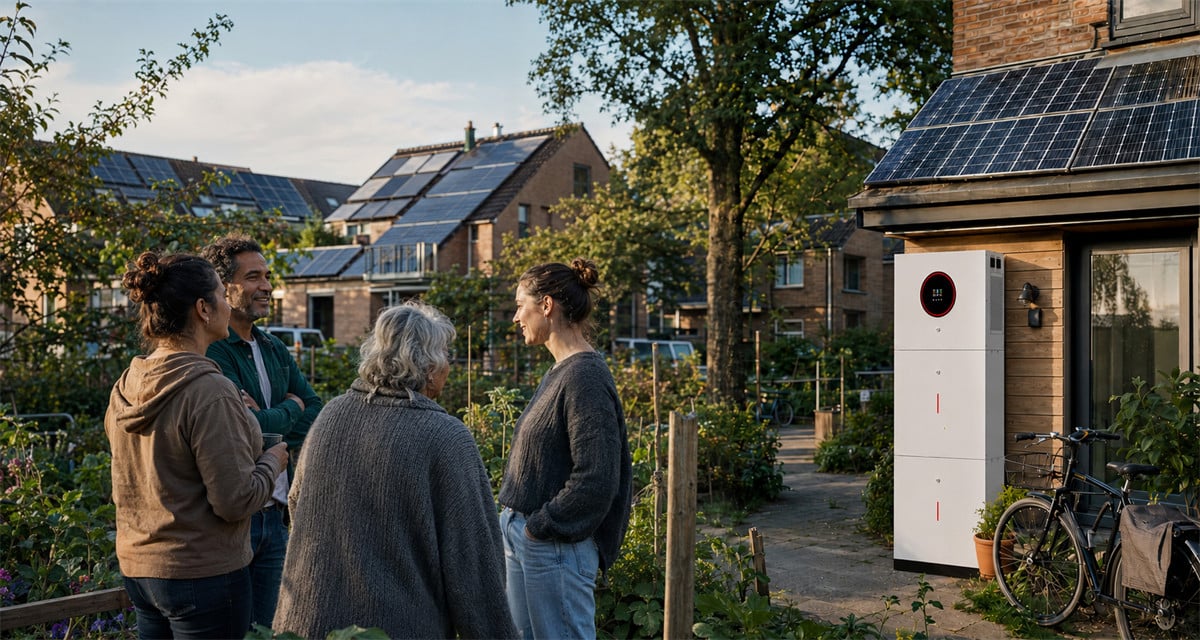
The Macro Shift: Redefining Our Relationship with Power
The global energy landscape is undergoing a profound, irreversible energy transition. For over a century, the relationship between citizens and the utility grid was entirely passive: centralized power plants burned fossil fuels, transmitted electricity over vast distances, and sent non-negotiable monthly statements to households. Today, this legacy model is fracturing under the weight of geopolitical instability, extreme climate events, and severe market volatility.
For the modern family, these systemic macroeconomic pressures manifest directly at the kitchen table as a punishing household energy burden. When the cost of basic electricity spikes unexpectedly, it forces hard choices between home climate comfort, nutritional needs, and financial security. This vulnerability highlights a critical societal gap in energy equity—the principle that safe, clean, and affordable power should be accessible to all, rather than a volatile luxury subject to corporate pricing structures.
The solution requires a fundamental structural pivot. By shifting power generation from distant, centralized utilities directly to the residential rooftop, families are transforming from passive consumers into active, self-sustaining prosumers. This micro-level evolution serves as the bedrock for a scalable, community-wide energy transition.
The Socioeconomic Lifeline: Dismantling the Energy Burden
At its core, the adoption of household solar-plus-storage systems acts as an economic shield against global inflation. When a family invests in localized renewable infrastructure, they effectively lock in their energy production costs for decades, insulated from the unpredictable pricing of coal, oil, and natural gas markets.
Mitigating the Household Energy Burden: For low- and middle-income households, utility bills represent a disproportionately large slice of monthly expenditures. By generating their own electricity and storing the surplus in intelligent battery banks, these families achieve immediate financial relief. The compounding monthly savings stabilize household liquidity, creating a predictable economic foundation that allows capital to be reinvested into local economies, education, and healthcare.
Democratizing Access and Enhancing Energy Equity: Historically, clean energy technology was viewed as an exclusive option for affluent demographics. However, modern financial models, community solar programs, and localized green initiatives are rapidly democratizing these assets. When distributed energy storage systems are deployed across diverse neighborhoods, they level the playing field. This localized decentralized approach ensures that vulnerable communities are not left behind in the post-carbon economy, effectively bridging the historic infrastructure gap and fostering true energy equity.
The Ecological Mandate: Cultivating a Low-Carbon Society
While the economic arguments for residential solar are immediate and compelling, the long-term ecological dividends are what secure our collective future. True environmental sustainability cannot be legislated into existence solely through top-down governmental decrees; it must be built from the ground up through intentional, daily lifestyle choices.
Quantifiable Carbon Reduction: Traditional electrical grids rely heavily on fossil-fuel peaker plants to satisfy surges in demand. Every kilowatt-hour of clean energy generated by a residential solar array directly displaces this dirty generation. Over its operational lifespan, a single household system prevents dozens of tons of carbon dioxide from entering the atmosphere, driving rapid regional carbon reduction goals and improving localized air quality.
The Psychology of the Low-Carbon Society: The introduction of energy monitoring software into the home alters consumer behavior. When individuals visually track their daily production curves alongside their consumption habits, they naturally become more mindful of their footprint. This behavioral evolution shifts societal norms away from passive resource extraction toward a proactive green life philosophy, laying the cultural groundwork for a deeply rooted low-carbon society.
Systematic Analysis: The Matrix of Clean Energy Transformation
| Dimension of Impact | Immediate Practical Utility | Long-Term Humanistic Value |
| Socioeconomic Dynamic | Insulates the family budget against utility tariff hikes and market inflation. | Eradicates structural energy poverty, shifting localized communities toward self-reliance. |
| Environmental Stewardship | Achieves immediate, measurable household carbon reduction on a localized scale. | Slows the progression of climate anomalies, protecting regional biodiversity and ecosystems. |
| Infrastructural Resilience | Relieves stress on municipal grids during summer peak loads, reducing systemic brownouts. | Paves the way for decentralized smart grids, virtual power plants, and democratic energy sharing. |
Infrastructure Integration: Building the Green Life Ecosystem
The deployment of a residential solar system is rarely an isolated event; it serves as a gateway to a comprehensive green life ecosystem. Once a home possesses a reliable source of self-generated, low-cost power, the economic logic for upgrading other areas of domestic infrastructure becomes undeniable.
Electric Vehicle (EV) Synergy: Fueling an internal combustion engine or charging an electric vehicle from an expensive grid can be economically draining. A home powered by clean energy allows owners to charge their vehicles directly from excess daytime solar production, achieving true emission-free transportation at a fraction of the cost of traditional fossil fuels.
Smart Home Electrification: The intelligence built into modern storage systems allows them to communicate with smart appliances, water heaters, and climate control systems. The home can automatically defer high-energy tasks—like running a dishwasher or heating a thermal storage tank—to moments when solar generation is at its absolute peak, maximizing environmental sustainability without compromising convenience.
Conclusion: The Blueprint for a Sustainable Civilization
The global transition toward a low-carbon society represents one of the most critical challenges of our generation. As communities grapple with the compounding dual crises of economic volatility and environmental degradation, the path forward requires a decentralized, democratic approach to resources.
By integrating intelligent solar generation and energy storage into the fabric of daily domestic life, we accomplish something far greater than simple utility bill management. We actively build a more resilient social fabric rooted in environmental sustainability and human dignity. Choosing a green life powered by renewable energy secures immediate economic stability for our families while ensuring that future generations inherit a clean, stable, and equitable world. The future of energy does not belong to a centralized grid; it starts right at home.
Discover in-depth residential solar storage insights, flexible wholesale programs and custom solution services, designed for global distributors, installers and home energy partners.
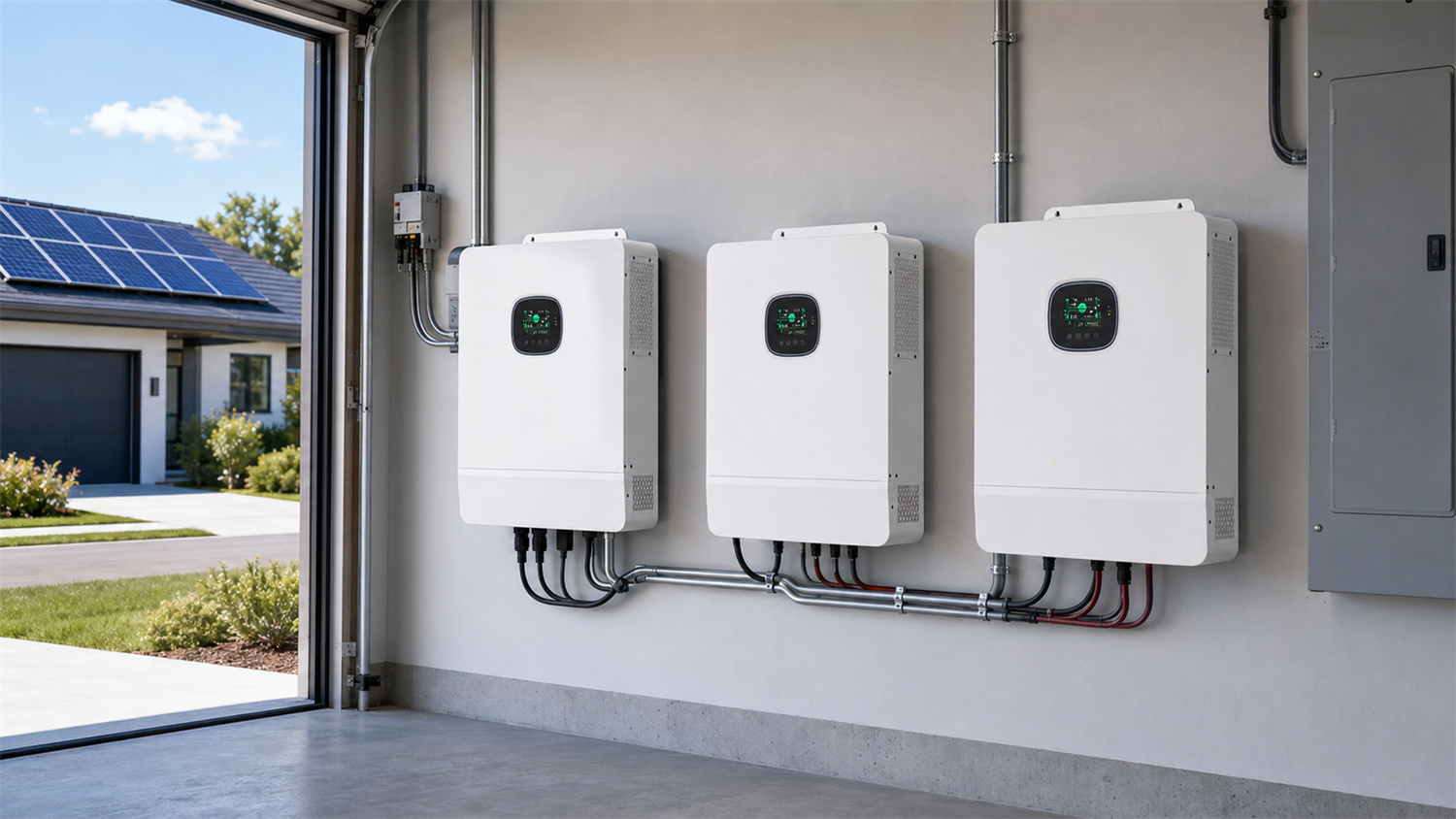
Pair wall-mounted LiFePO4 storage batteries with hybrid solar inverters to build a complete home energy system. It maximizes solar self-consumption, cuts electricity bills by up to 70%, and provides seamless outage backup for households, with support for parallel capacity expansion to meet different power demands.
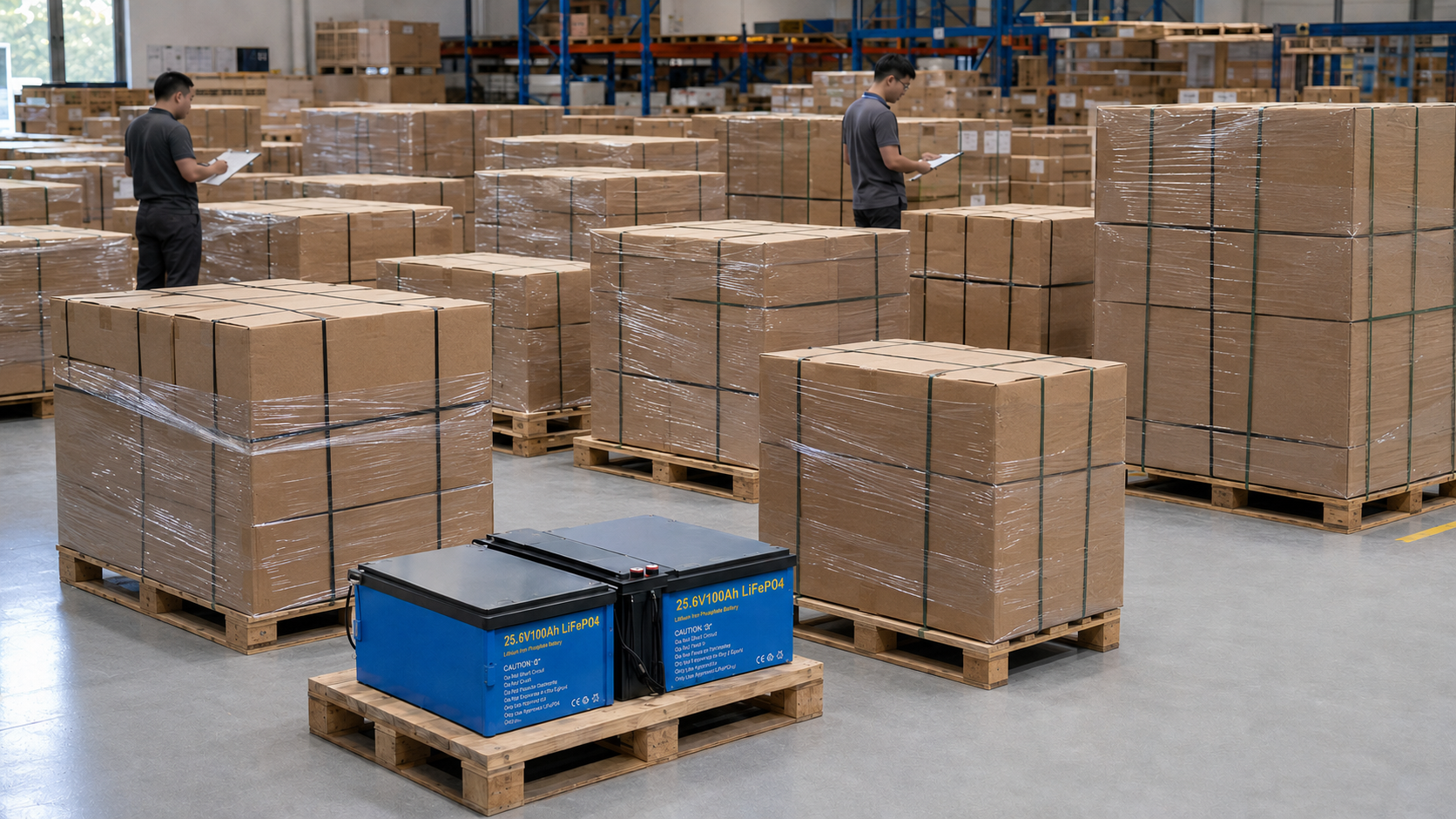
We offer tiered wholesale solutions for global distributors and solar installers, with 5000+ units of ready stock supporting 1-5 days fast delivery. Mixed-model trial orders are accepted, and all products come with full compliance documents (CE, RoHS, UN38.3, MSDS) plus 12-month quality warranty, to help you build a competitive local product line.
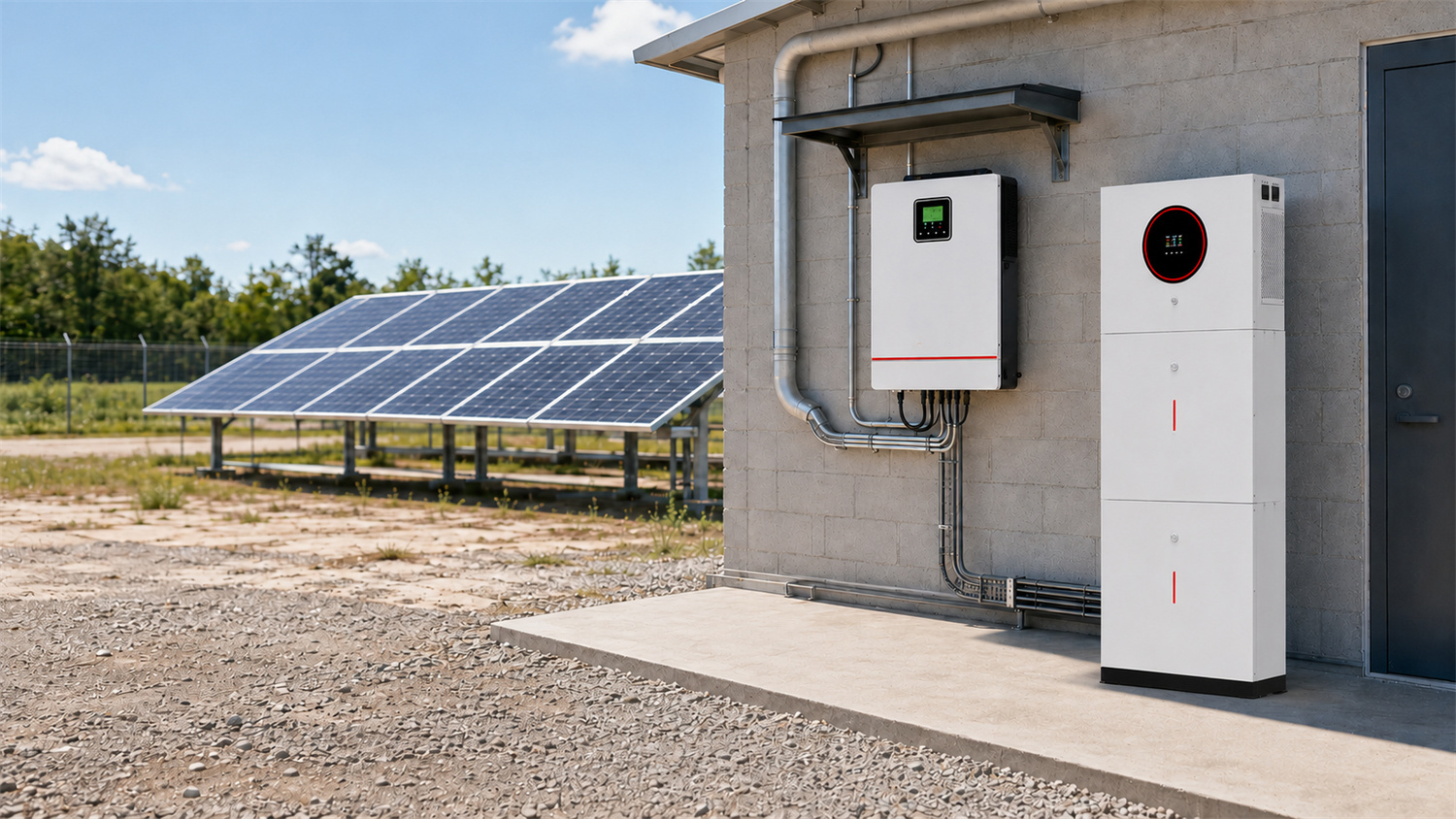
From residential wall-mounted storage to commercial industrial power systems, we provide professional matching of hybrid/off-grid solar inverters and LiFePO4 batteries. Our team recommends the most suitable solution based on your scenario, power demand and local grid conditions, to maximize solar self-consumption and reduce electricity costs.
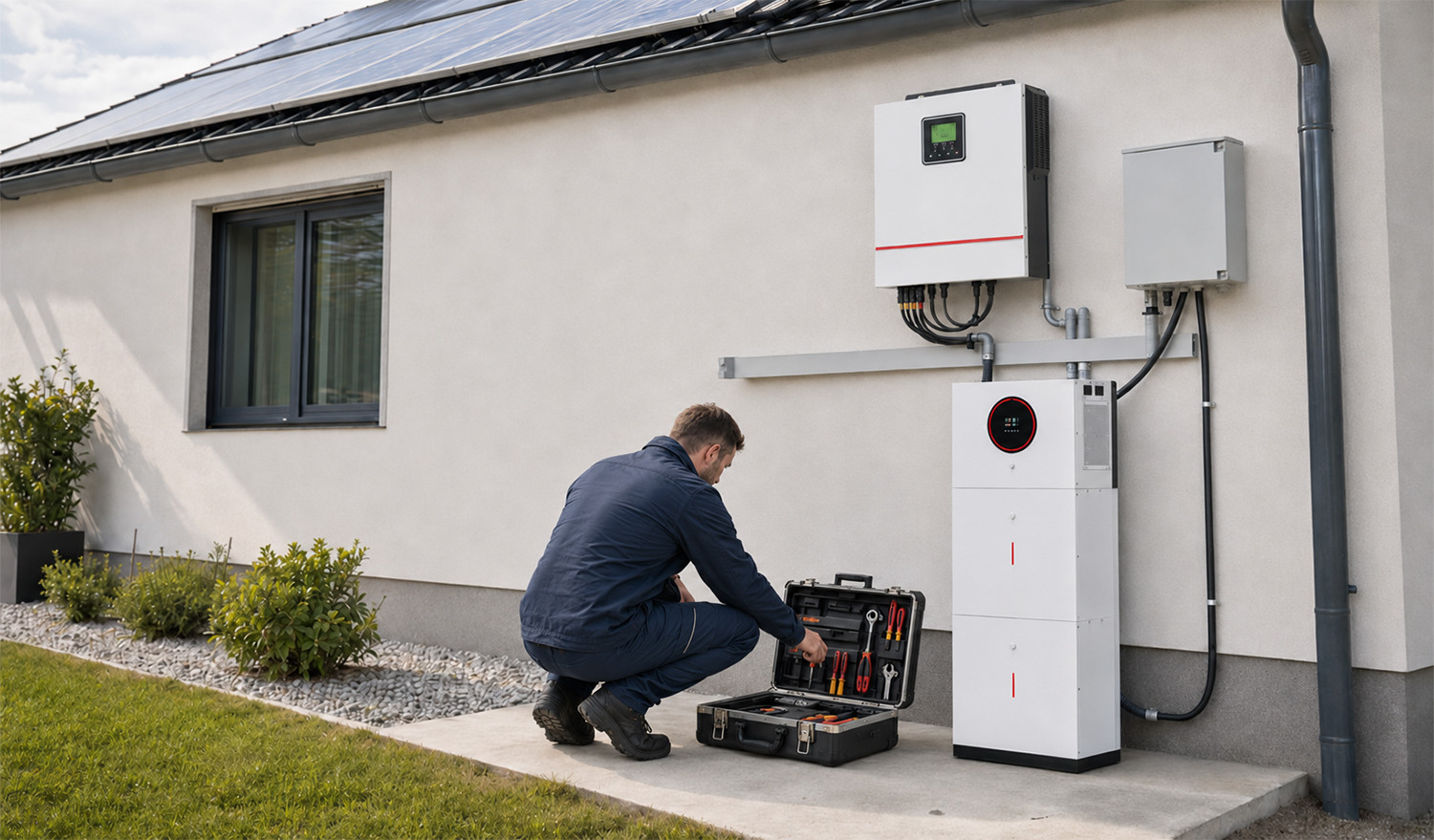
Shenzhen Yanshuosheng Technology Co., Ltd. specializes in residential LiFePO4 energy storage and solar inverter solutions, backed by an experienced technical team with deep industry expertise. We provide full-cycle support for global distributors, installers and end users, covering pre-sales product matching, installation & commissioning guidance, worldwide spare parts supply and 12-month standard quality warranty. With fast and efficient technical response, we ensure stable, worry-free operation of every home solar storage system.