Understanding the Cost of Solar Battery Storage Systems

5,000+ units ready stock, 1–5 days fast global delivery

application/cost-of-solar-battery-storage-systems, application/cost-of-solar-battery-storage-systems, 
Inquiry
application/cost-of-solar-battery-storage-systems, application/cost-of-solar-battery-storage-systems, 
Inquiry

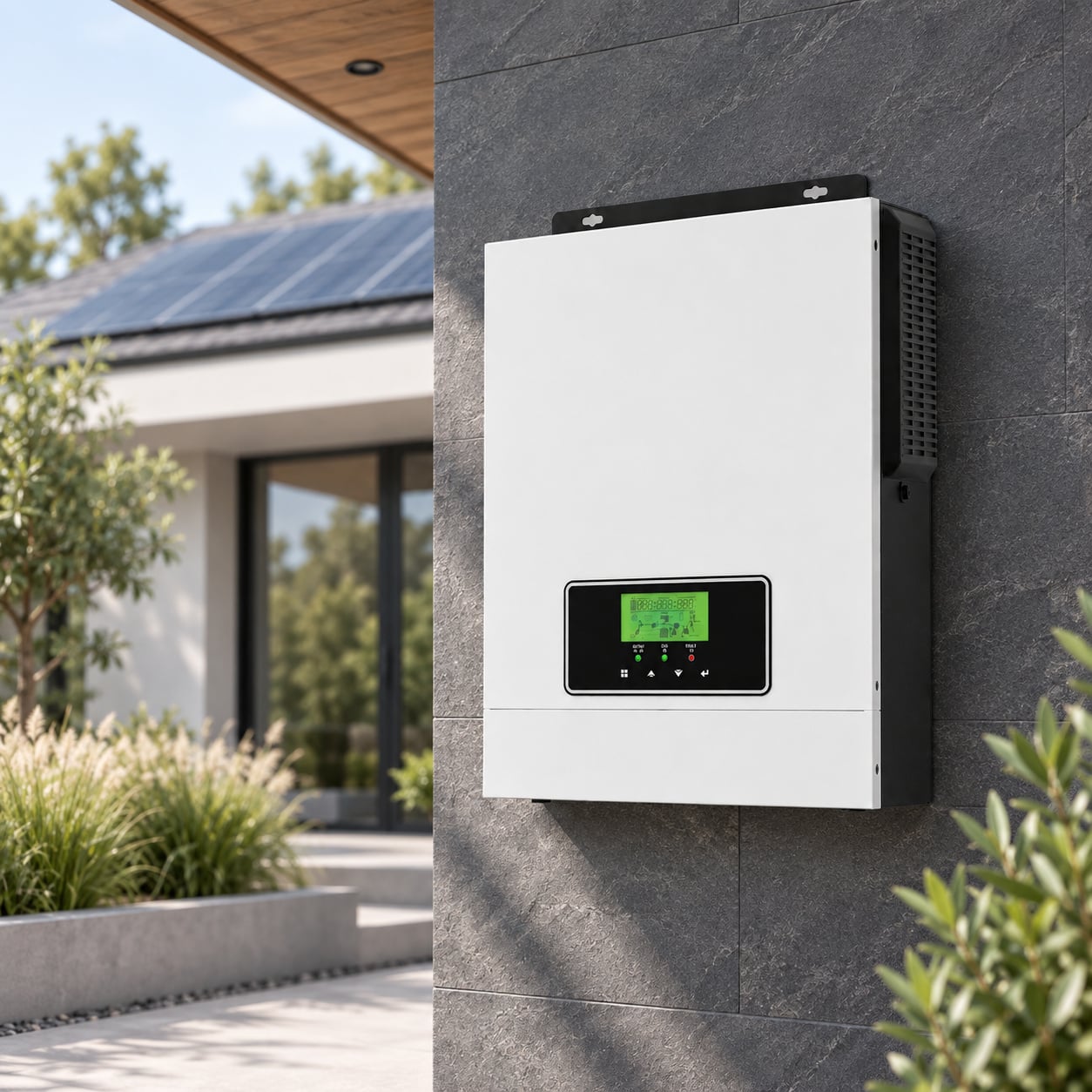
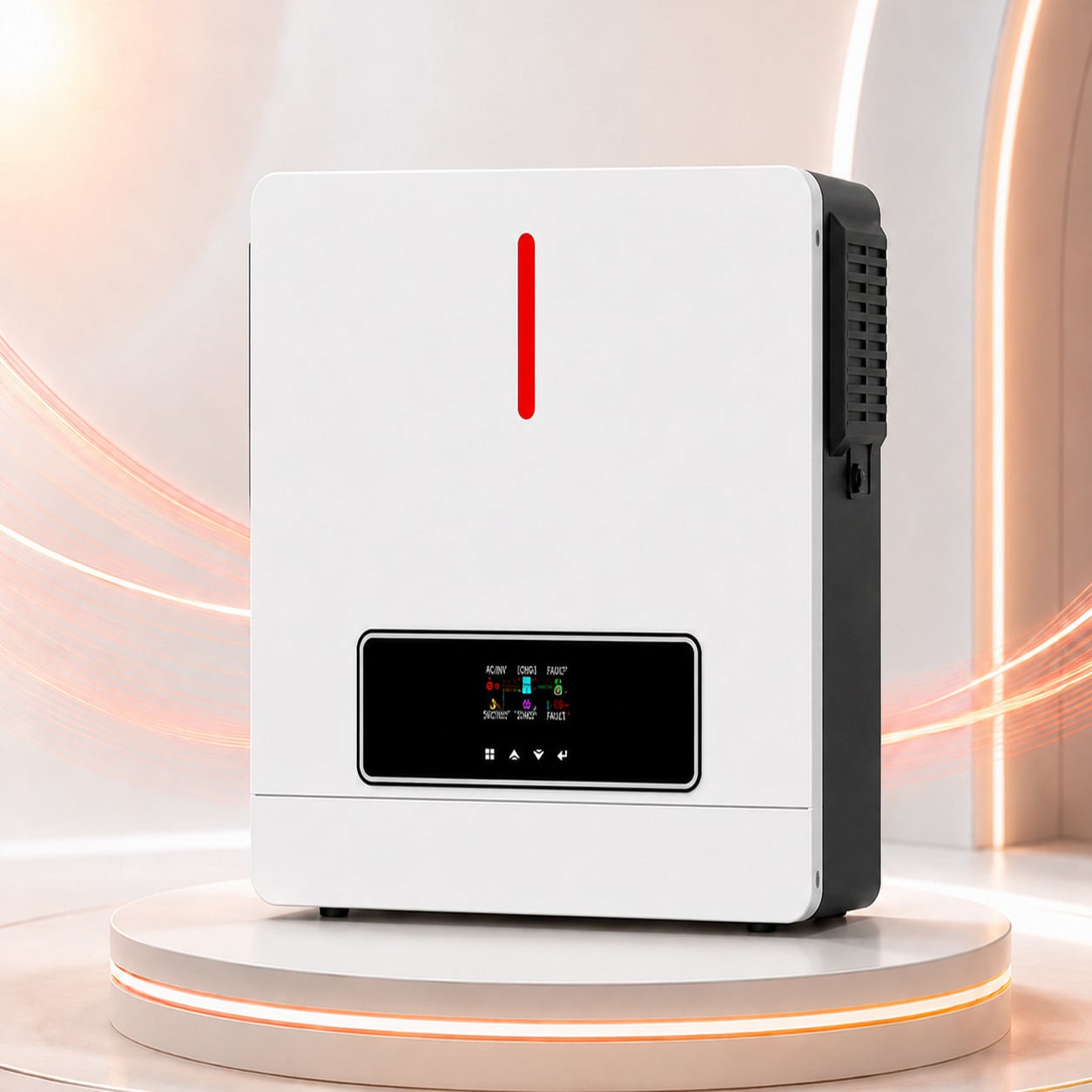
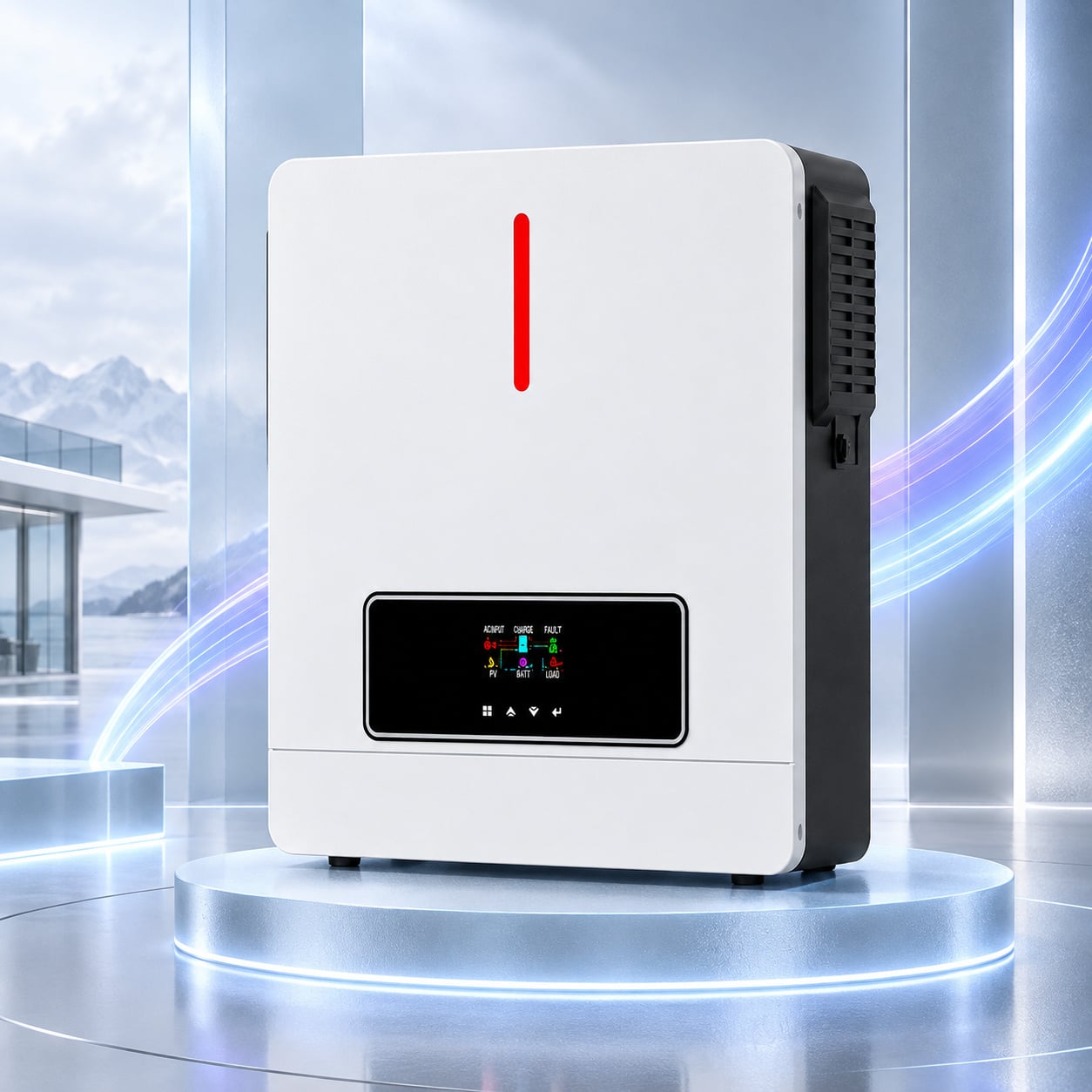
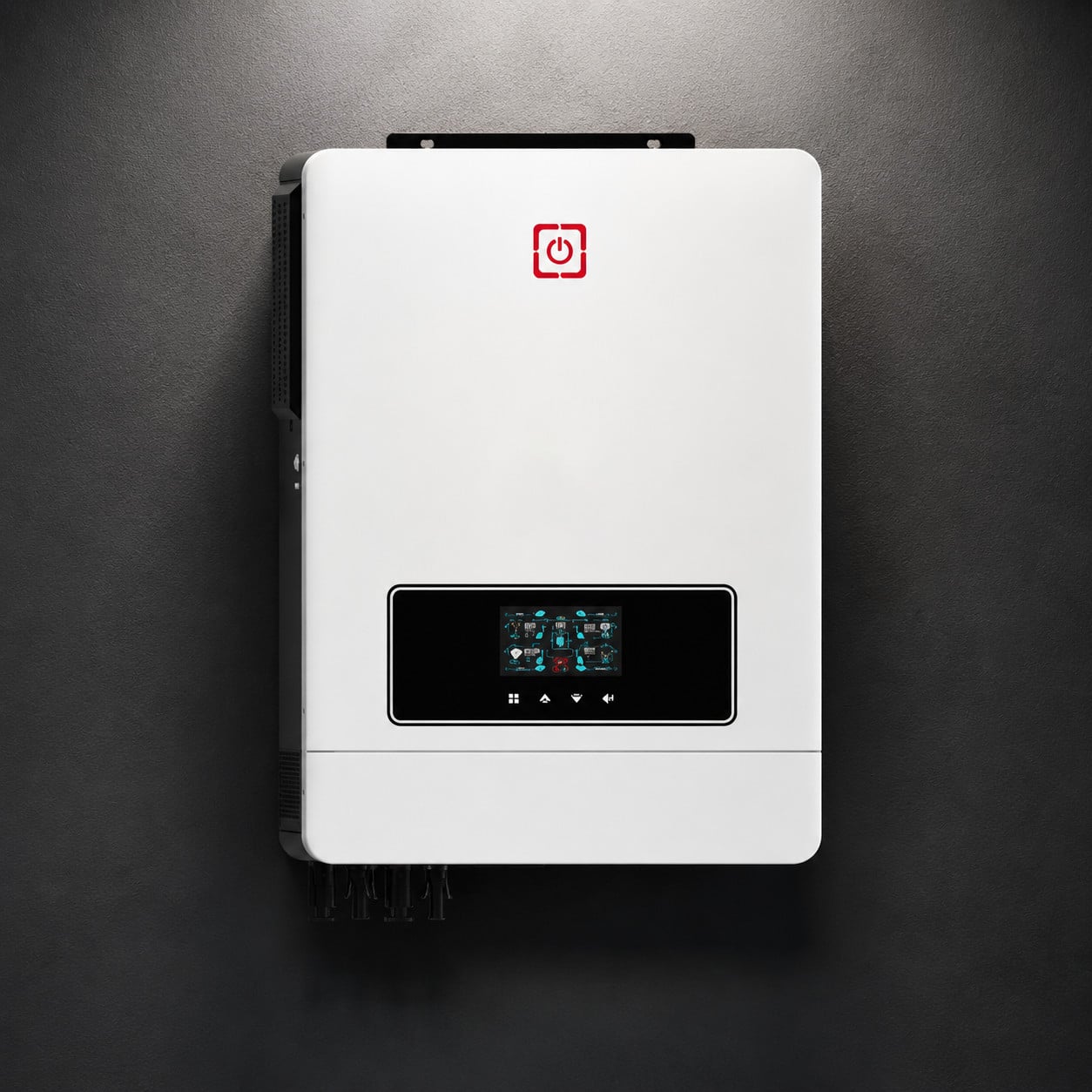
Cost of solar battery storage systems

The cost of solar battery storage systems is a critical consideration for businesses looking to integrate renewable energy solutions into their operations. As companies increasingly seek to manage energy costs and enhance sustainability, understanding the factors that influence these costs is essential for purchasing managers and decision-makers. This article will explore key specifications, quality factors, sourcing options, and practical tips to help buyers navigate the complexities of solar battery storage system investments. 

Key Specifications to Look for in Solar Battery Storage Systems

Key Specifications to Look for in Solar Battery Storage Systems

When assessing solar battery storage systems, several specifications should be prioritized: 

Energy Capacity: This is measured in kWh and indicates how much energy the battery can store and provide. A higher capacity is beneficial for businesses with  greater energy demands. 

Cycle Life: This specification refers to the solar panels and micro inverters number of complete charge-discharge cycles a battery can undergo before its capacity significantly decreases. A longer cycle life translates to lower replacement costs over time. 

Efficiency: Battery efficiency, typically expressed as a percentage, measures how much of the stored energy can be effectively used. Higher efficiency means less energy waste, which can significantly affect operational costs. 

Temperature Range: The operating temperature range is crucial for performance. Ensure that the battery can operate effectively in your specific climate conditions.

Warranty and Support: A robust warranty can provide peace of mind regarding the longevity and reliability of the system. 

These specifications should align with the specific energy needs of the business and the intended application, whether for solar installations, RVs, UPS systems, or marine use. 

Understanding the Quality Factors Affecting Solar Battery Costs

Several quality factors influence the cost of solar battery storage systems. One critical aspect is the manufacturing process. High-quality LiFePO4 batteries are produced with stringent quality control measures, including rigorous testing for performance and safety. Certification marks, such as UN38.3 and CE, indicate compliance with international safety standards, which can also affect pricing. 

Material quality plays a significant role; using premium materials in battery construction can enhance performance and lifespan, albeit at a higher initial cost.  Additionally, the design and integration of the solar cell micro inverter  battery management system (BMS) can impact both performance and cost. A sophisticated BMS can prevent issues such as thermal runaway and battery failure, making it a valuable investment for long-term reliability. 

Another factor to consider is the scale of production. Larger manufacturers may offer more competitive pricing due to economies of scale, while smaller manufacturers may provide more customization options but at a higher cost. Buyers should assess their priorities whether cost, customization, or quality and choose a supplier accordingly. 

Where to Source Reliable Solar Battery Storage Systems for Your Business

Finding a reliable source for solar battery storage systems requires thorough research. Start by evaluating manufacturers with a strong reputation in the industry.  Companies like Shenzhen Yanshuosheng Technology Co., Ltd., known for specializing in LiFePO4 energy storage systems, provide a range of products that meet international safety standards and serve diverse applications. 

Attending industry trade shows and conferences can also be beneficial for networking with manufacturers and distributors. These events often showcase the latest products and technologies, providing an opportunity to compare different offerings in person. 

Online platforms and industry directories can also help identify potential suppliers. Look for companies that provide detailed product specifications, customer reviews, and case studies demonstrating successful implementations. Ensure that the supplier can meet your specific requirements for customization, lead time, and after-sales support. 

Costs and Tips

When evaluating the cost of solar battery storage systems, several factors should be considered: 

Initial Investment: This includes the cost of the batteries, installation, and any additional equipment needed for integration with existing energy systems. 

Long-Term Savings: Calculate potential savings on energy bills over time. A higher upfront cost may be justified by lower operating costs and a longer lifespan. 

Maintenance Costs: Consider any ongoing maintenance requirements. Some systems may require more frequent checks or replacements, which can affect total cost over time. 

Incentives and Rebates: Research available incentives and rebates that may offset initial costs. Many regions offer financial support for businesses investing in renewable energy solutions. 

To ensure a successful purchase, buyers should prepare detailed specifications when requesting quotes. This includes the type of application, required capacity,  expected cycle life, and any specific certifications needed. Additionally, reviewing samples before mass production can help verify that the chosen systems meet all operational requirements and quality standards. 

By understanding the critical factors influencing the cost of solar battery storage systems, businesses can make informed decisions that align with their energy goals and budget constraints. 

Solar Battery Storage Systems for Wholesale Buyers

Wholesale buyers looking to purchase solar battery storage systems should focus on several key aspects. The primary consideration is the chemistry of the batteries.  Lithium Iron Phosphate (LiFePO4) batteries, which are highly regarded for their safety and longevity, are increasingly popular. They typically offer a longer cycle life compared to other lithium-ion batteries, making them a cost-effective option in the long run. 

Additionally, buyers should evaluate the storage capacity, measured in kilowatt-hours (kWh), which determines how much energy can be stored for later use. The depth of discharge (DoD) is also crucial; a higher DoD allows for more microinverters for solar panels energy use before needing a recharge, maximizing the system's efficiency. Buyers should also consider the battery management system (BMS), which ensures the safety and longevity of the batteries by preventing overcharging and deep discharging. 

Get a Free Quote

Our representative will contact you soon.
0/1000