EN

the-future-of-the-solar-inverter-industry-evolution-innovation-and-market-dynamics, the-future-of-the-solar-inverter-industry-evolution-innovation-and-market-dynamics, /news
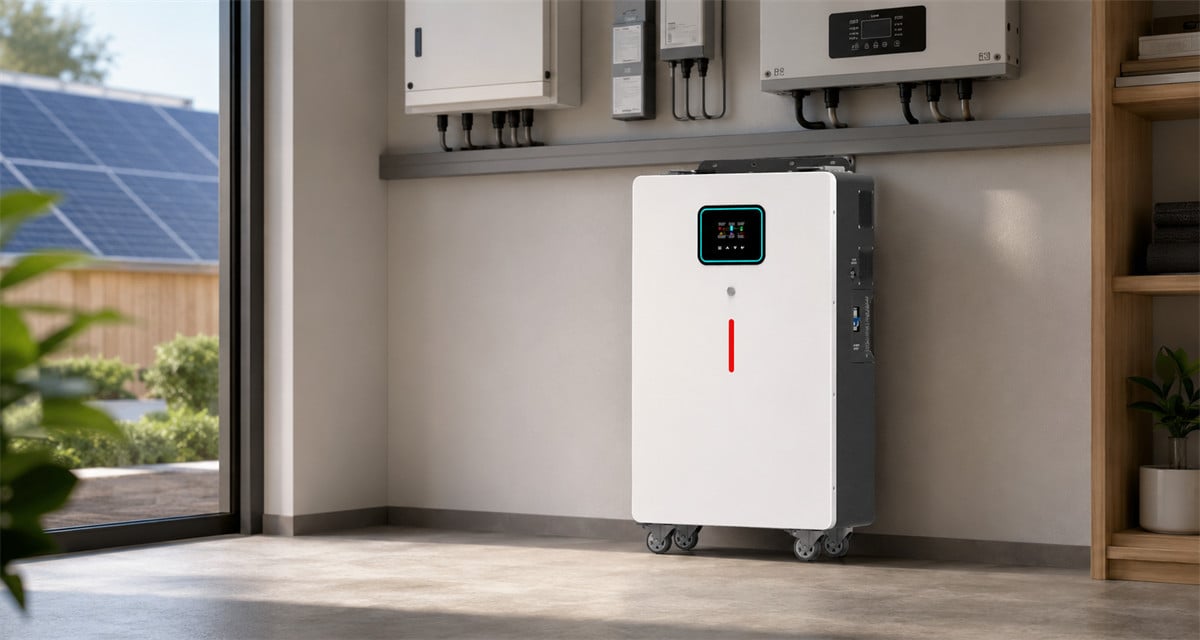
The global shift toward renewable energy has propelled the solar inverter industry into the spotlight. Often described as the "brain" of any photovoltaic (PV) installation, the solar inverter is responsible for converting raw direct current (DC) from solar panels into usable alternating current (AC) electricity. As the global energy grid undergoes a massive paradigm shift, rapid technology iteration and unprecedented market growth are redefining what a modern solar inverter can do. This comprehensive analysis breaks down the key trends driving the solar inverter industry, exploring how digitalization, intelligent management, and structural efficiency upgrades are transforming the clean energy landscape.
Historically, solar inverters were treated as passive components—simple gatekeepers that performed a single, mechanical task. Today, they have evolved into highly sophisticated edge-computing devices that sit at the intersection of power electronics, cloud computing, and artificial intelligence. For businesses, installers, and project developers, keeping pace with the rapid technology iteration in this sector is no longer optional; it is a critical requirement for maximizing system performance and achieving long-term project viability.
The Evolution Matrix: Tracking Technology Iteration
In its early days, the solar inverter industry focused almost exclusively on basic power conversion. Early models were bulky, analog machines with limited efficiency, heavy thermal losses, and high failure rates. Today, aggressive technology iteration driven by intense global competition has completely transformed these components into highly sophisticated, solid-state power computers.
High Efficiency Upgrade and Material Innovations: The integration of wide-bandgap semiconductors, such as Silicon Carbide (SiC) and Gallium Nitride (GaN), has catalyzed a profound efficiency upgrade across the sector. These advanced materials allow inverters to operate at much higher switching frequencies and temperatures while minimizing internal resistance. As a result, modern commercial and residential inverters boast conversion efficiency ratings exceeding 98.5%, significantly minimizing energy loss during the conversion process and maximizing the financial yields of the attached solar arrays.
Modular and Scalable Design Architecture: Historically, if a centralized inverter suffered a localized component failure, the entire PV plant would go offline, resulting in massive operational losses. Modern industrial trends favor modularity. By breaking systems down into hot-swappable power blocks or utilizing distributed string and microinverter layouts, manufacturers ensure that if one module fails, the remaining units automatically compensate. This modular approach minimizes downtime, simplifies field maintenance, and drastically lowers the levelized cost of energy (LCOE) over the system's lifespan.
Digitalization and Intelligent Management: The New Frontier
We are moving rapidly away from passive hardware toward software-defined energy ecosystems. Digitalization is now the primary battleground for differentiation and value creation within the global solar inverter industry.
IoT Connectivity & Cloud Analytics: Modern inverters come equipped with built-in Wi-Fi, cellular, or Bluetooth modules that continuously stream real-time performance data to cloud-based monitoring platforms. This allows operators to track production metrics down to the individual panel level from anywhere in the world via mobile applications or centralized dashboards.
AI-Powered Diagnostics: Utilizing Artificial Intelligence, modern systems can perform advanced predictive maintenance. Through automated features like Smart I-V Curve Diagnosis, an inverter can scan an entire solar array remotely, pinpointing exact issues like micro-cracks, dust accumulation, pid degradation, or shading anomalies without requiring an on-site technician. This significantly reduces operations and maintenance (O&M) costs.
Intelligent Management of Storage: With the rise of hybrid inverters, intelligent management now extends directly to battery storage systems. Modern inverters use algorithmic forecasting to evaluate weather patterns and historical household consumption, dynamically deciding when to store energy, consume it locally, or feed it back into the commercial grid to maximize financial returns based on time-of-use utility rates.
Global Market Growth and Rigid Industry Standard Requirements
Driven by ambitious national net-zero targets, corporate sustainability mandates, and volatile fossil fuel prices, the global demand for solar hardware is experiencing explosive market growth. This rapid expansion has prompted regulatory bodies and grid operators to implement stricter, more unified industry standard frameworks to protect localized grid stability.
Modern inverters are no longer permitted to simply inject power blindly into the electrical grid. They must comply with strict grid-support mandates, such as IEEE 1547 and California’s Rule 21, which require inverters to provide active voltage regulation, reactive power support, and ride-through capabilities during minor grid disturbances. Furthermore, safety standards regarding Arc Fault Circuit Interruption (AFCI) and rapid shutdown capabilities have become mandatory across many international markets to protect emergency personnel and prevent electrical fires.
The Broader Impact on the Photovoltaic Value Chain
The constant technology iteration within the solar inverter industry creates a positive ripple effect across the entire solar value chain:
Lower Total System Cost: As inverters become more power-dense and efficient, the cost per watt drops, making solar installations highly competitive with traditional fossil-fuel power plants.
Expanding Application Boundaries: High-protection-rated inverters (such as IP66 or NEMA 4X enclosures) allow solar systems to expand into harsh environments, including high-salinity coastal areas, arid deserts, floating solar farms, and extreme sub-zero mountain ranges.
Future-Proofing Smart Grids: By acting as intelligent node controllers, digitalized inverters lay the technological groundwork for Virtual Power Plants (VPPs) and peer-to-peer energy trading networks, transforming consumer homes from passive loads into active grid assets.
Summary
The narrative of the solar inverter industry is no longer just about hardware manufacturing; it is a story of digitalization, intelligence, and structural resilience. Through non-stop technology iteration and a commitment to strict industry standard protocols, inverter manufacturers are driving a massive efficiency upgrade across the globe. As market growth accelerates and the world transitions toward a decentralized energy paradigm, these intelligent devices will remain the fundamental linchpin securing our global clean energy transition.
Discover in-depth residential solar storage insights, flexible wholesale programs and custom solution services, designed for global distributors, installers and home energy partners.
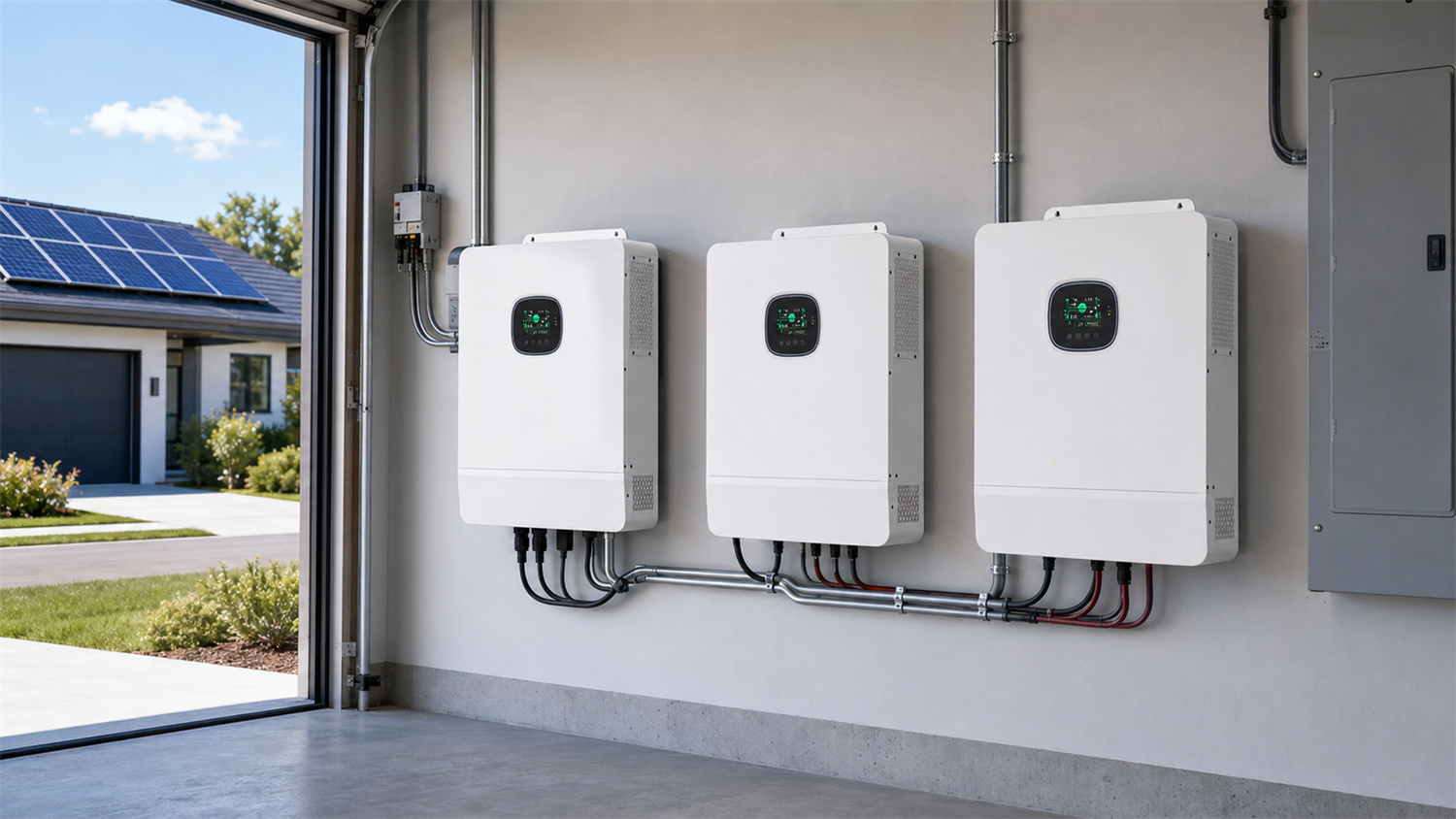
Pair wall-mounted LiFePO4 storage batteries with hybrid solar inverters to build a complete home energy system. It maximizes solar self-consumption, cuts electricity bills by up to 70%, and provides seamless outage backup for households, with support for parallel capacity expansion to meet different power demands.
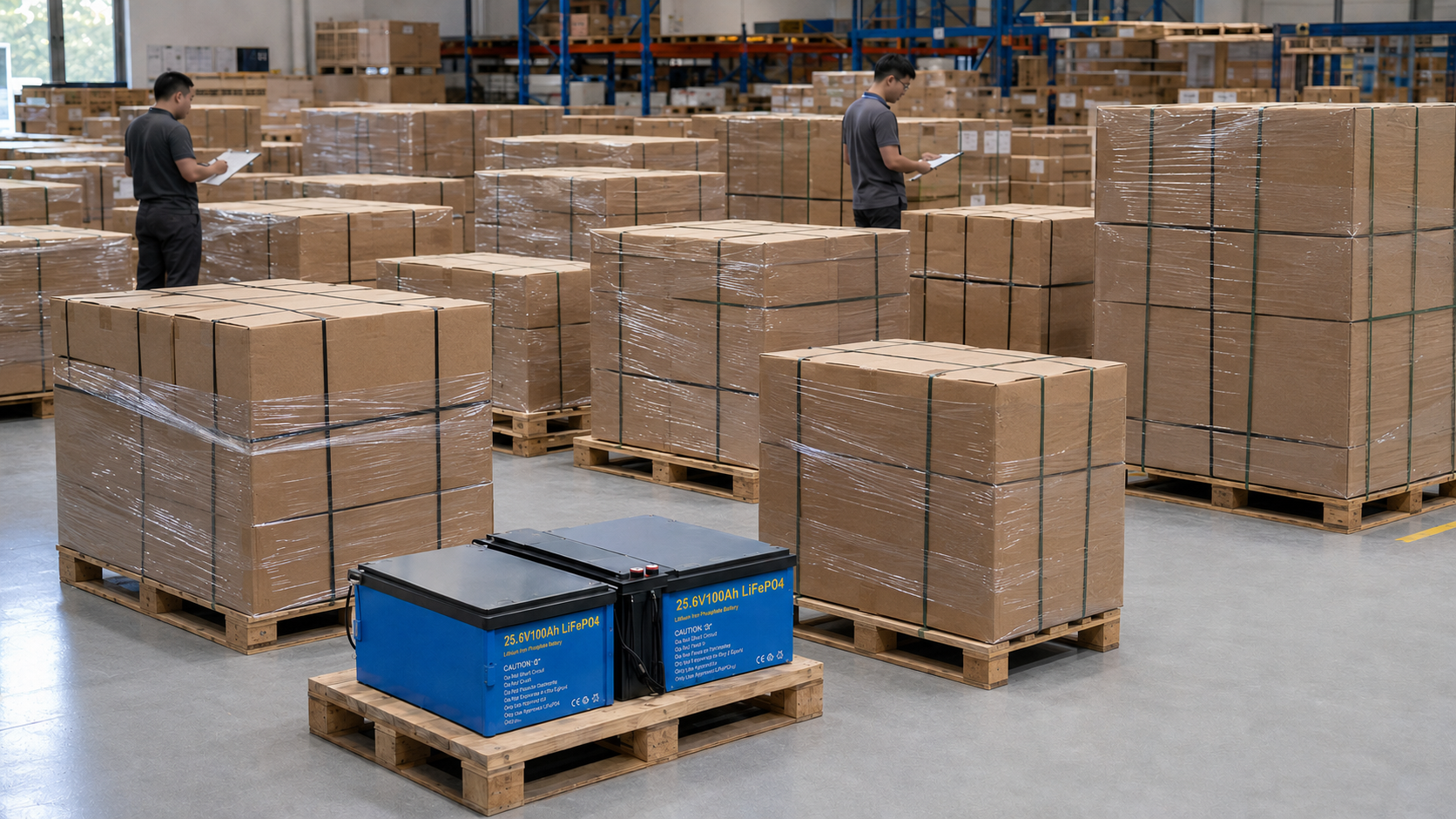
We offer tiered wholesale solutions for global distributors and solar installers, with 5000+ units of ready stock supporting 1-5 days fast delivery. Mixed-model trial orders are accepted, and all products come with full compliance documents (CE, RoHS, UN38.3, MSDS) plus 12-month quality warranty, to help you build a competitive local product line.
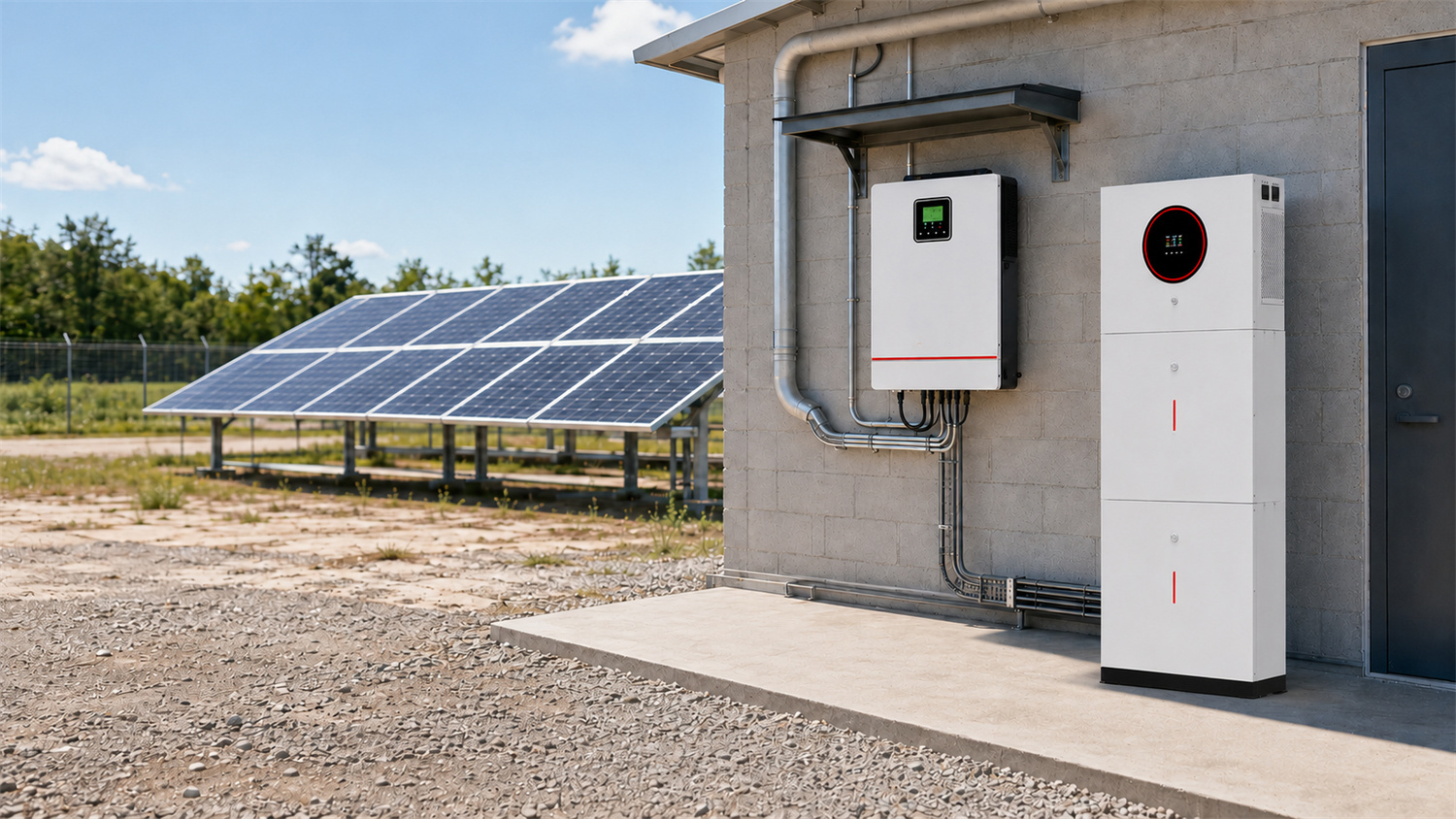
From residential wall-mounted storage to commercial industrial power systems, we provide professional matching of hybrid/off-grid solar inverters and LiFePO4 batteries. Our team recommends the most suitable solution based on your scenario, power demand and local grid conditions, to maximize solar self-consumption and reduce electricity costs.
Shenzhen Yanshuosheng Technology Co., Ltd. specializes in residential LiFePO4 energy storage and solar inverter solutions, backed by an experienced technical team with deep industry expertise. We provide full-cycle support for global distributors, installers and end users, covering pre-sales product matching, installation & commissioning guidance, worldwide spare parts supply and 12-month standard quality warranty. With fast and efficient technical response, we ensure stable, worry-free operation of every home solar storage system.