1. Headroom for real inductive loads
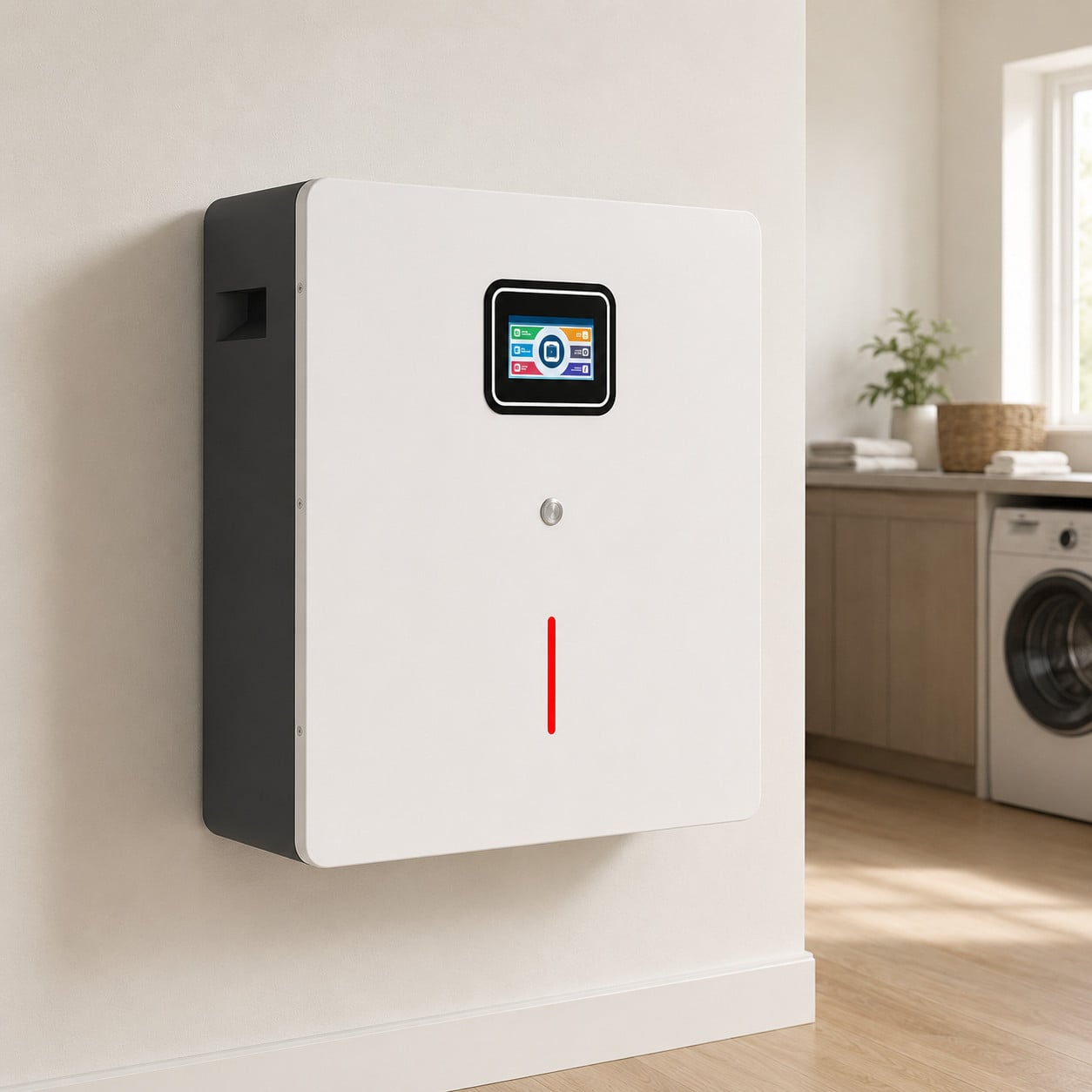
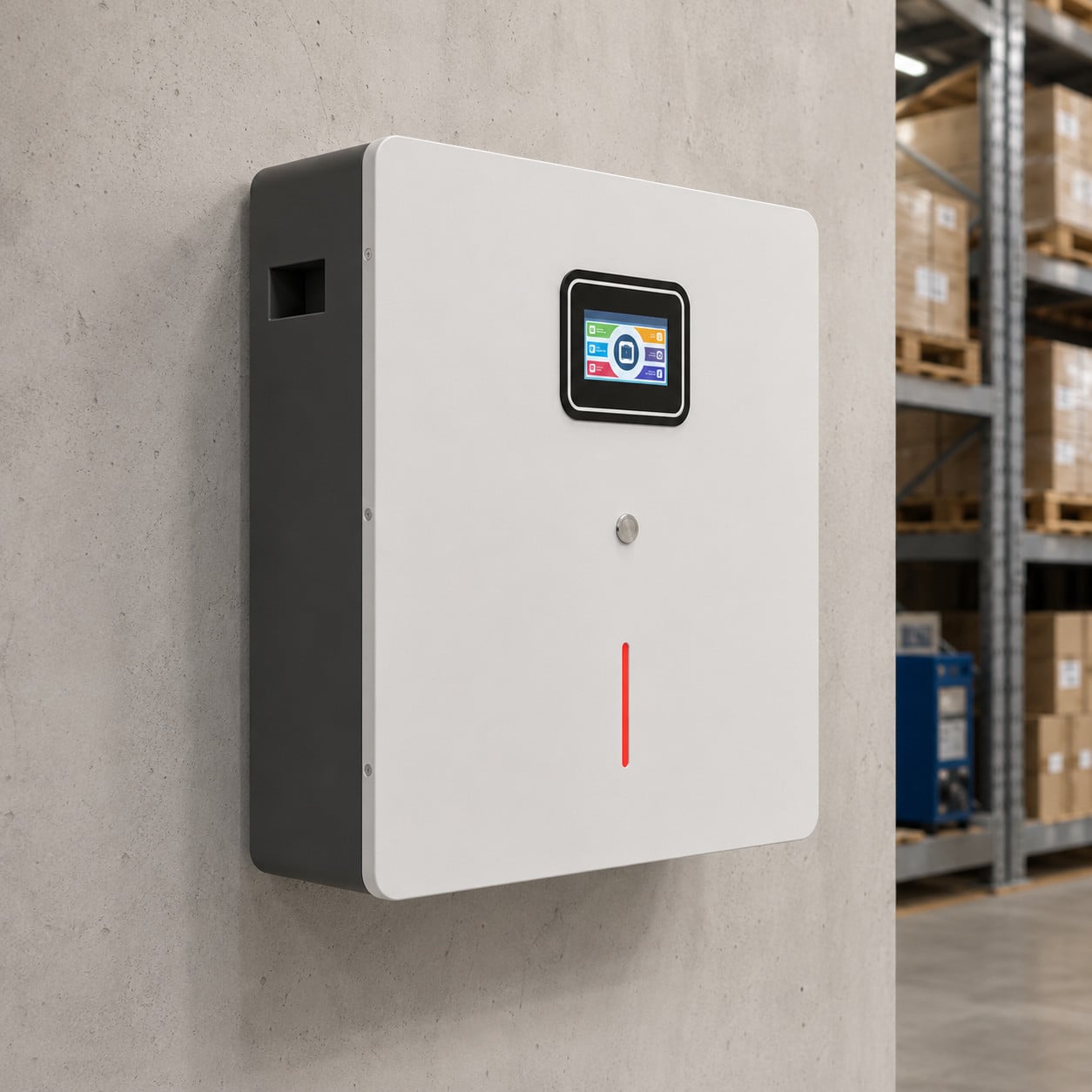
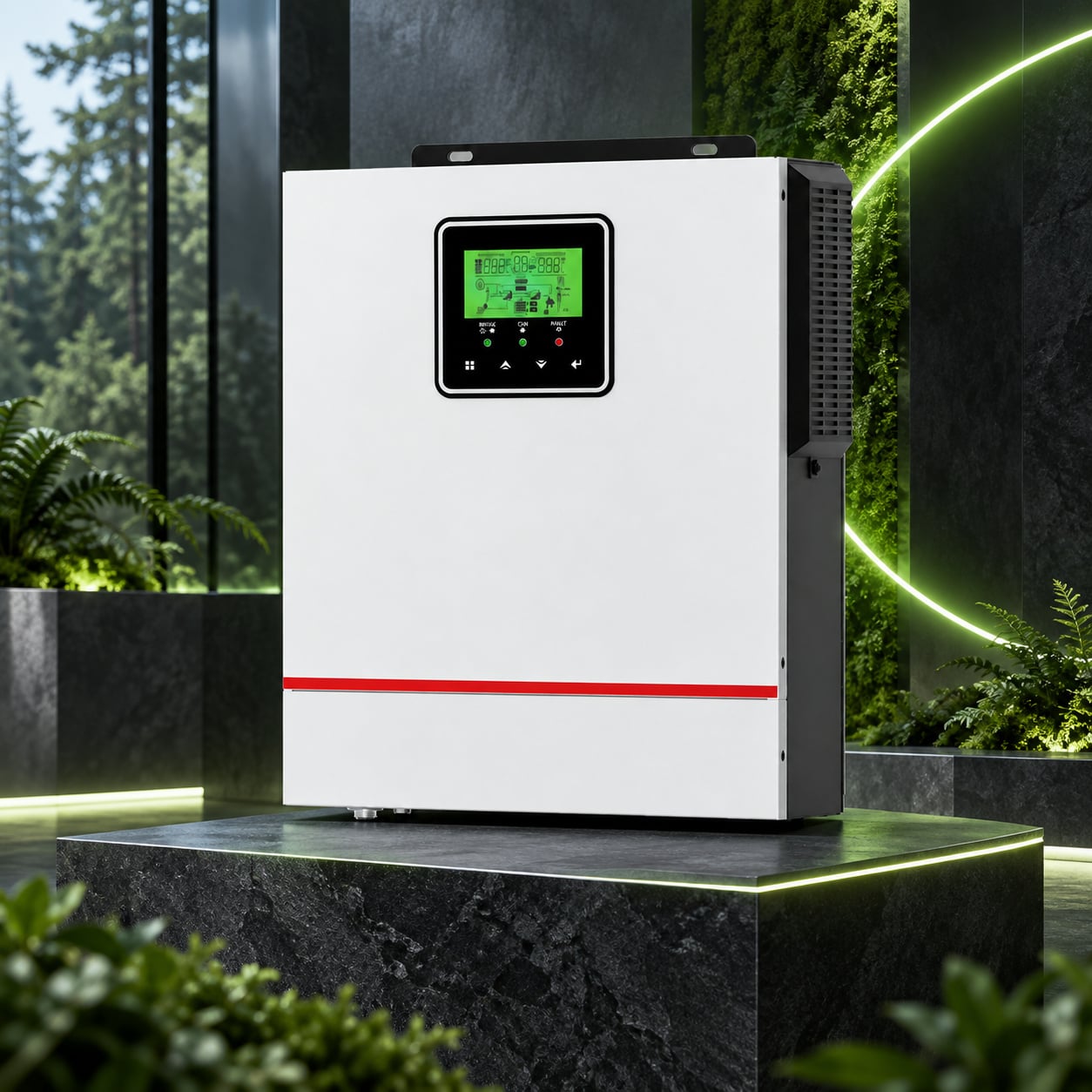
Rated output 5500W / 5500VA or 7500W / 7500VA. Surge 11 kW / 15 kW. That is the difference between a compressor starting and a night-time trip. Nominal AC 220/230/240V, 23.9A or 32.6A, PF >0.99. Feed-in 49.5–50.5 / 59.5–60.5 Hz auto. This Energy Storage System is specified for large residential and light commercial, not for a fridge and a lamp.
2. High-voltage PV window that uses modern modules
MPPT 100–480VDC, max DC 550VDC, start 80VDC / feed 110VDC. One tracker, 20A on 5.5KW and 26A on 7.5KW. Peak PV-to-AC 98.2%, battery-mode 94.5%. The extra 0.2 point versus the 3/5kW cabinet is not a slogan; it is the 550V platform and the larger PV allowance (7–8 kW). String design must still keep cold Voc under 550V.
3. Cabinet logistics for one-person placement
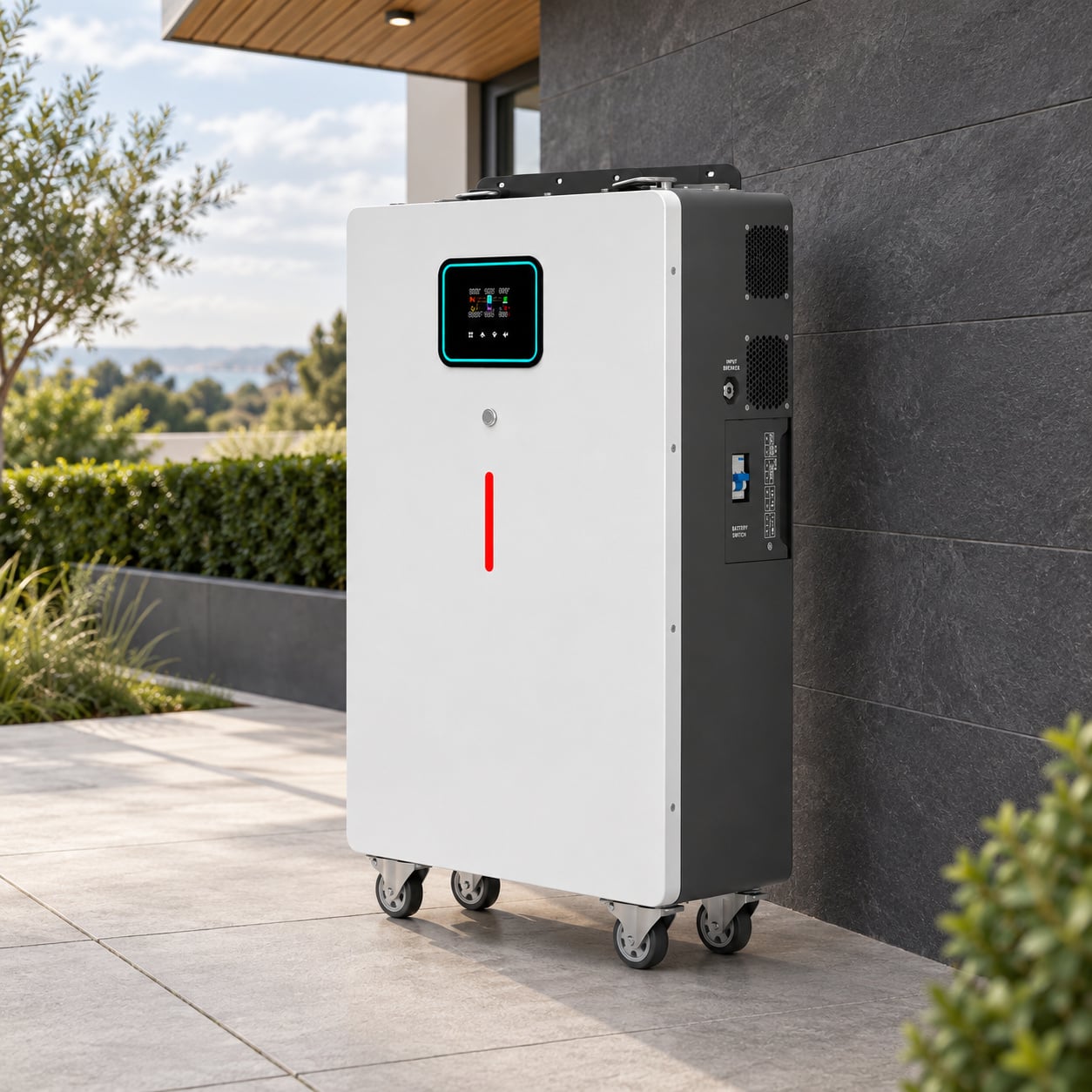
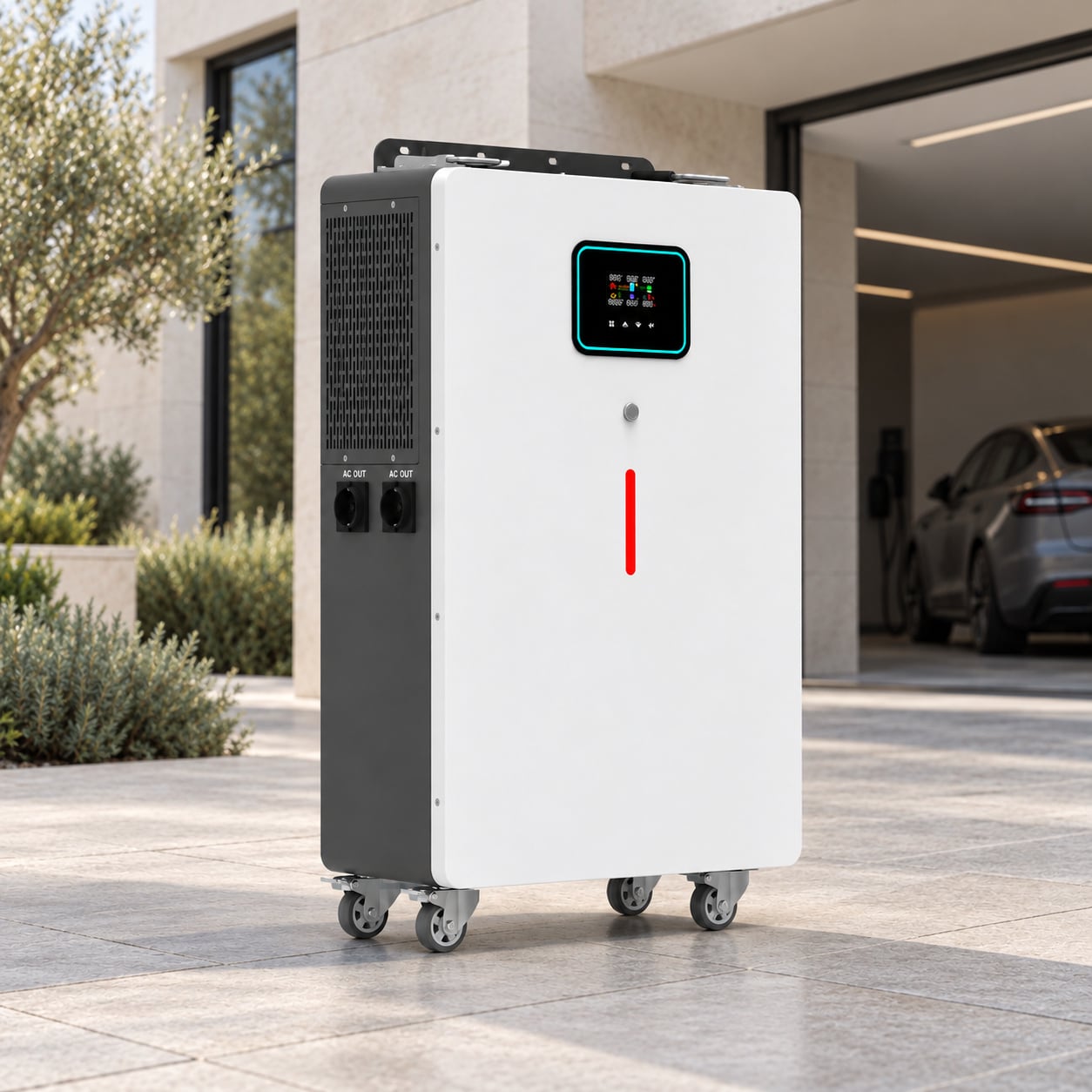
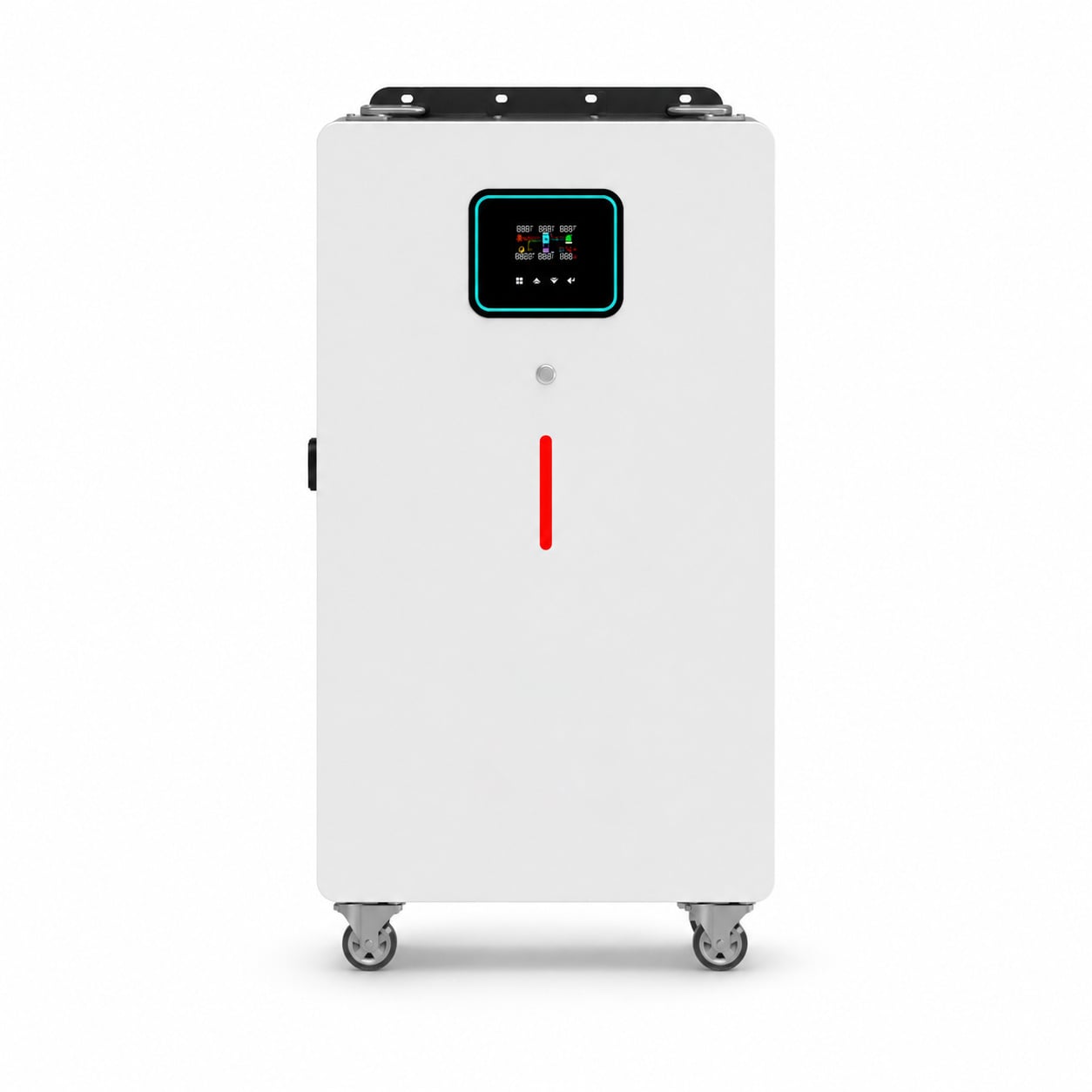
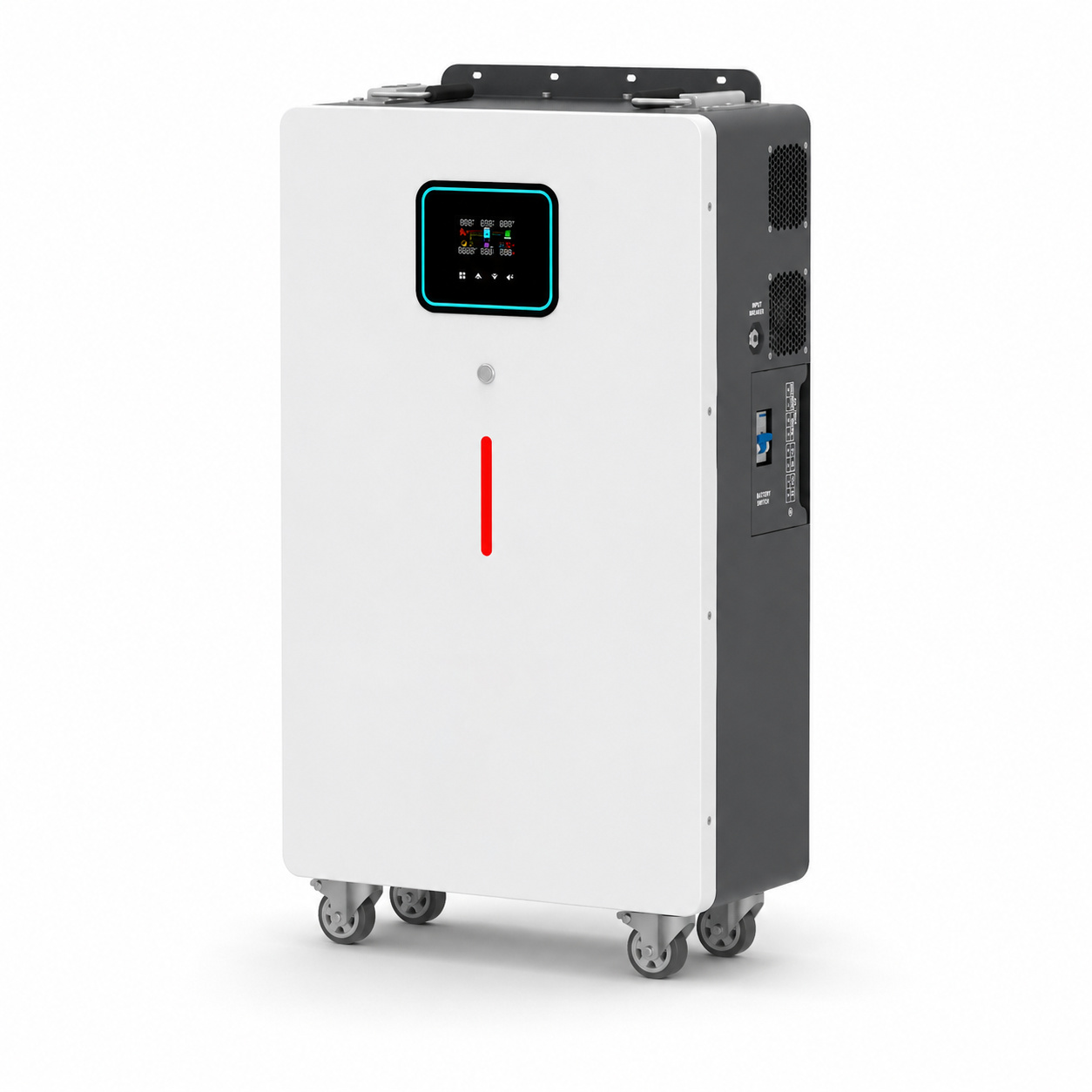
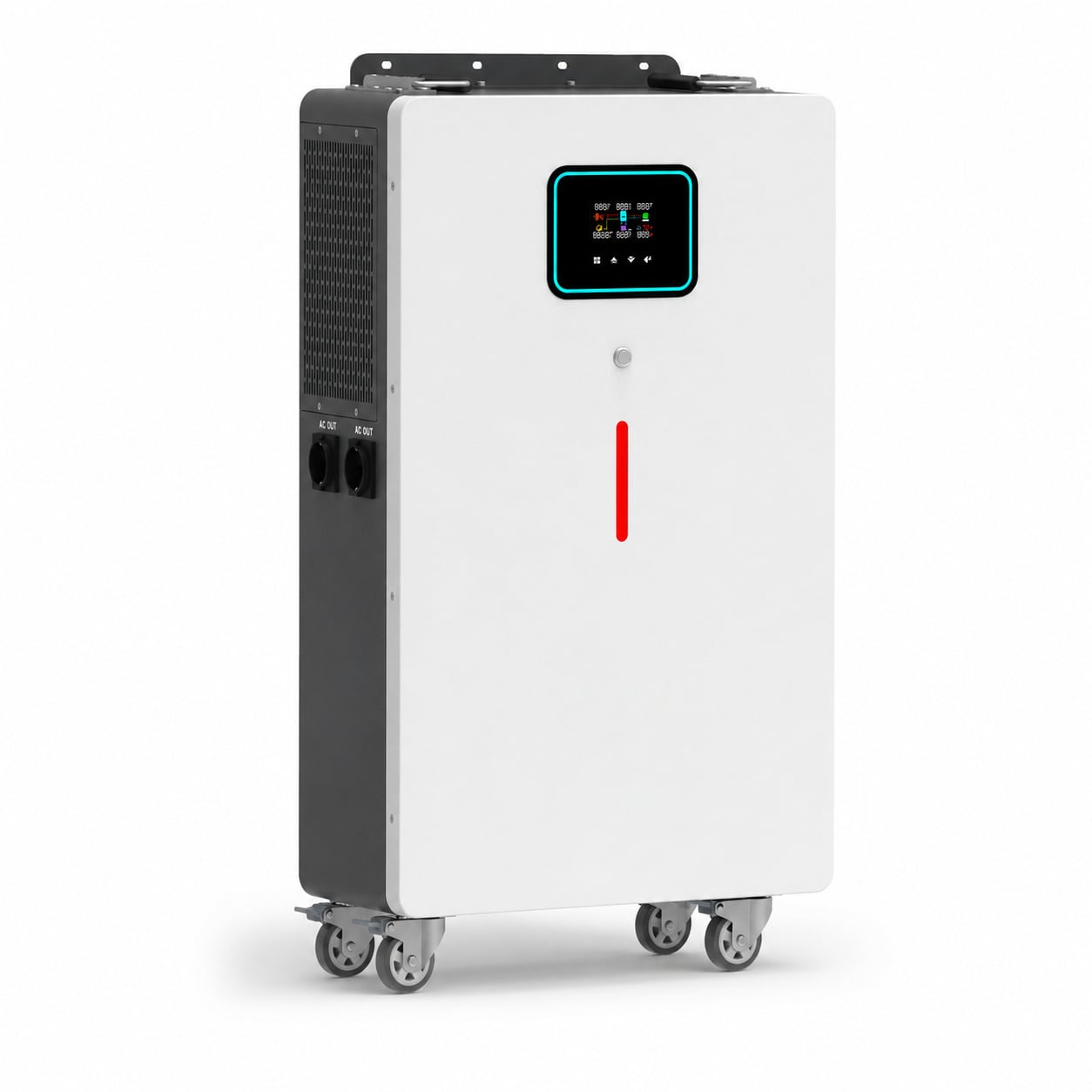
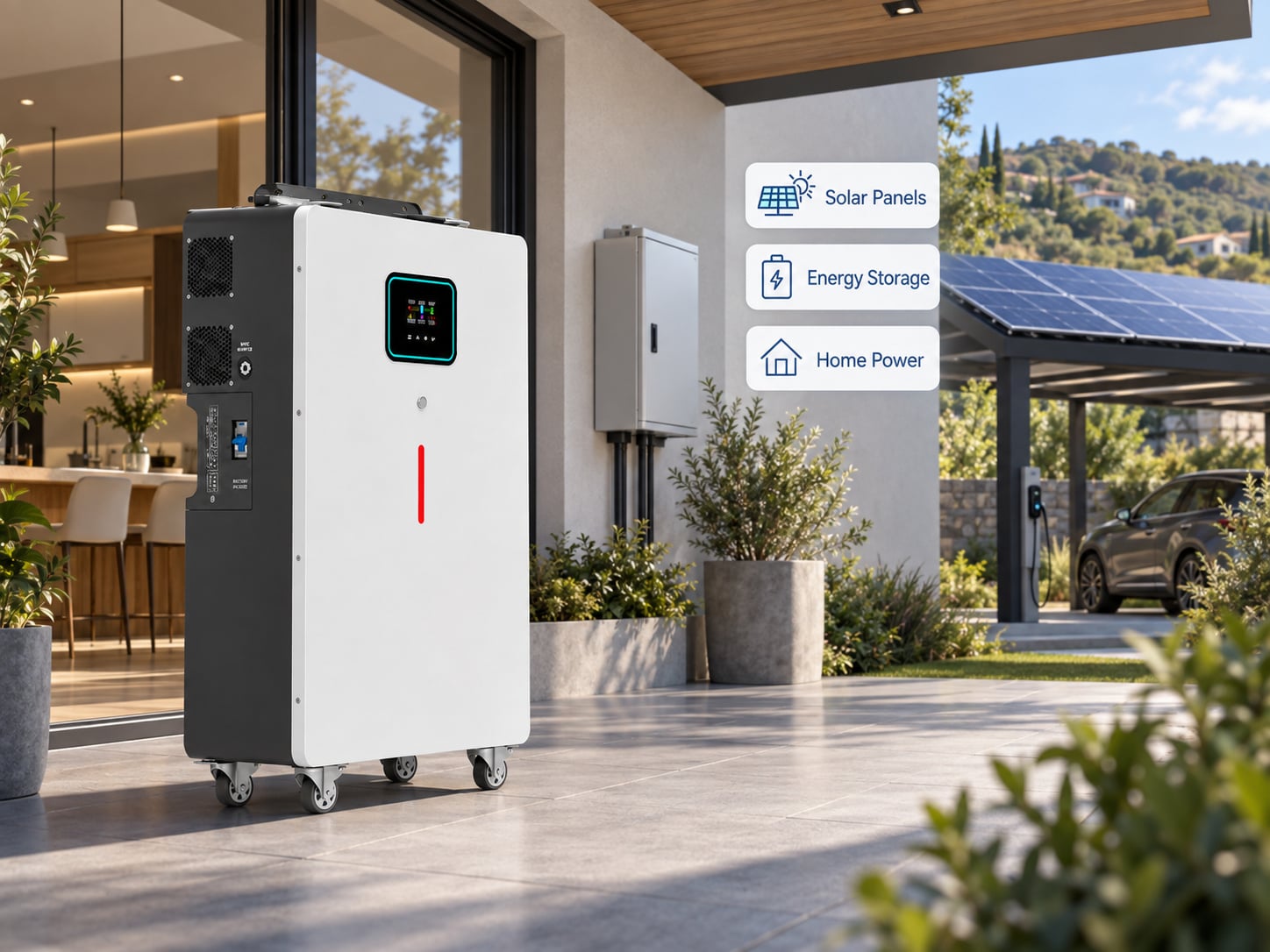
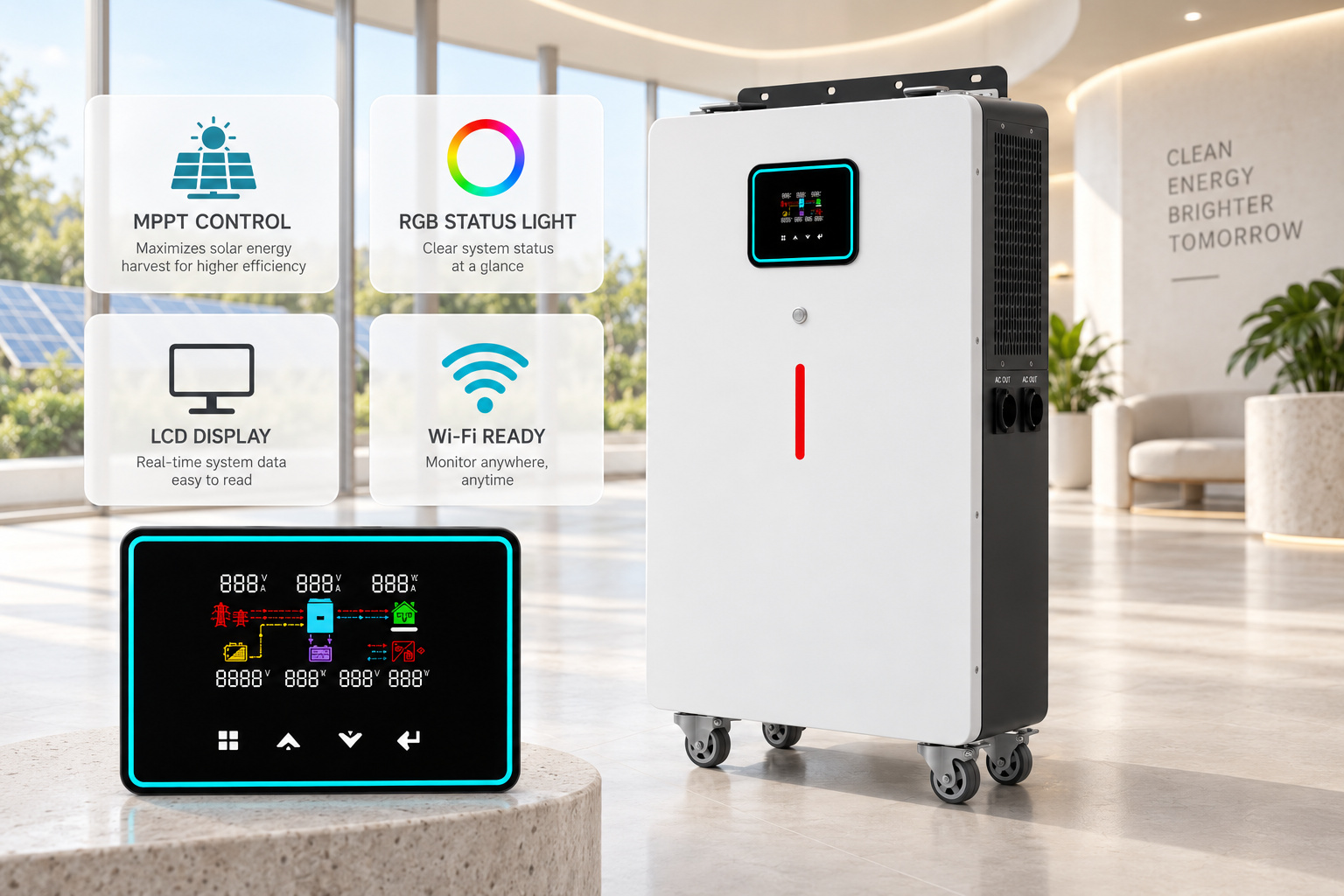
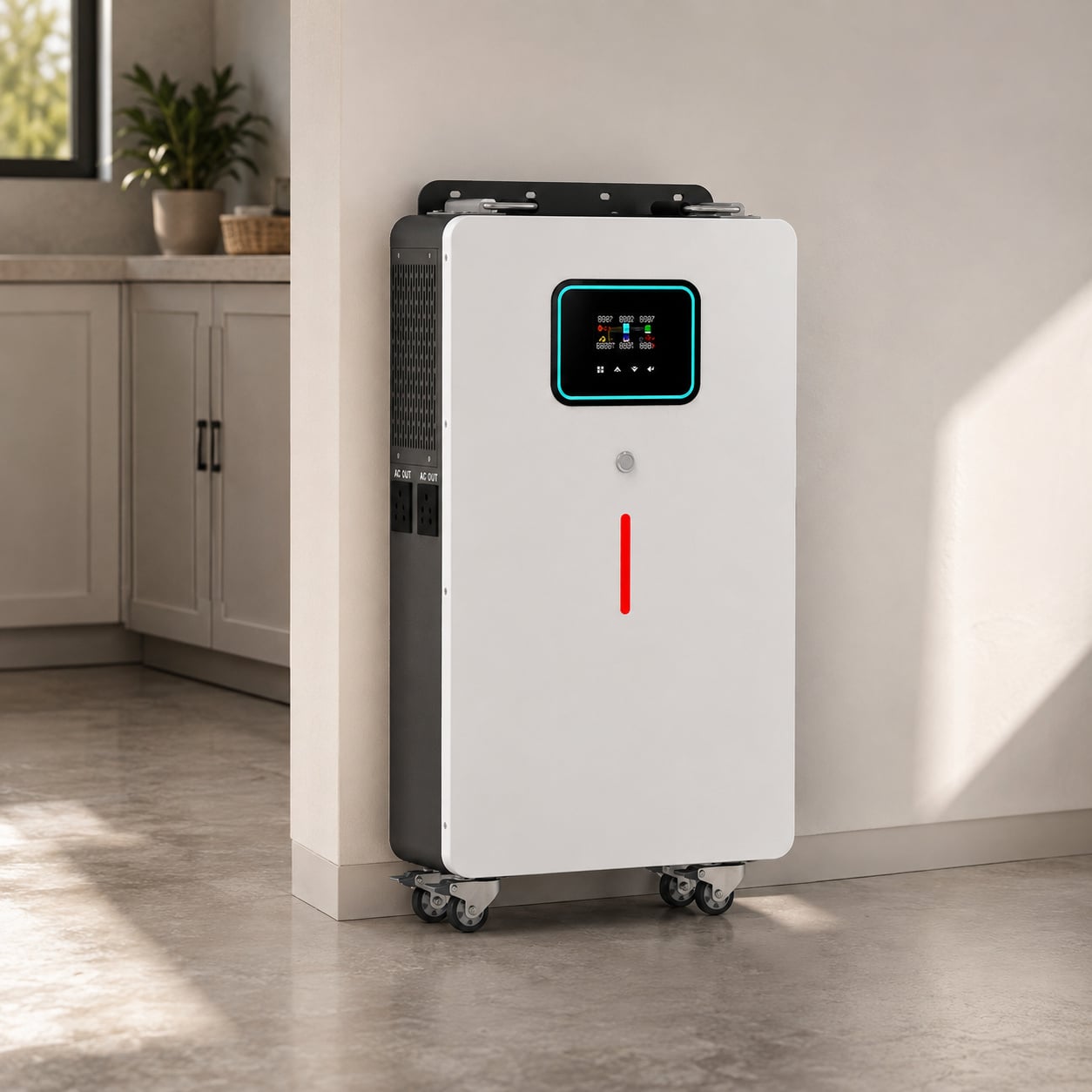
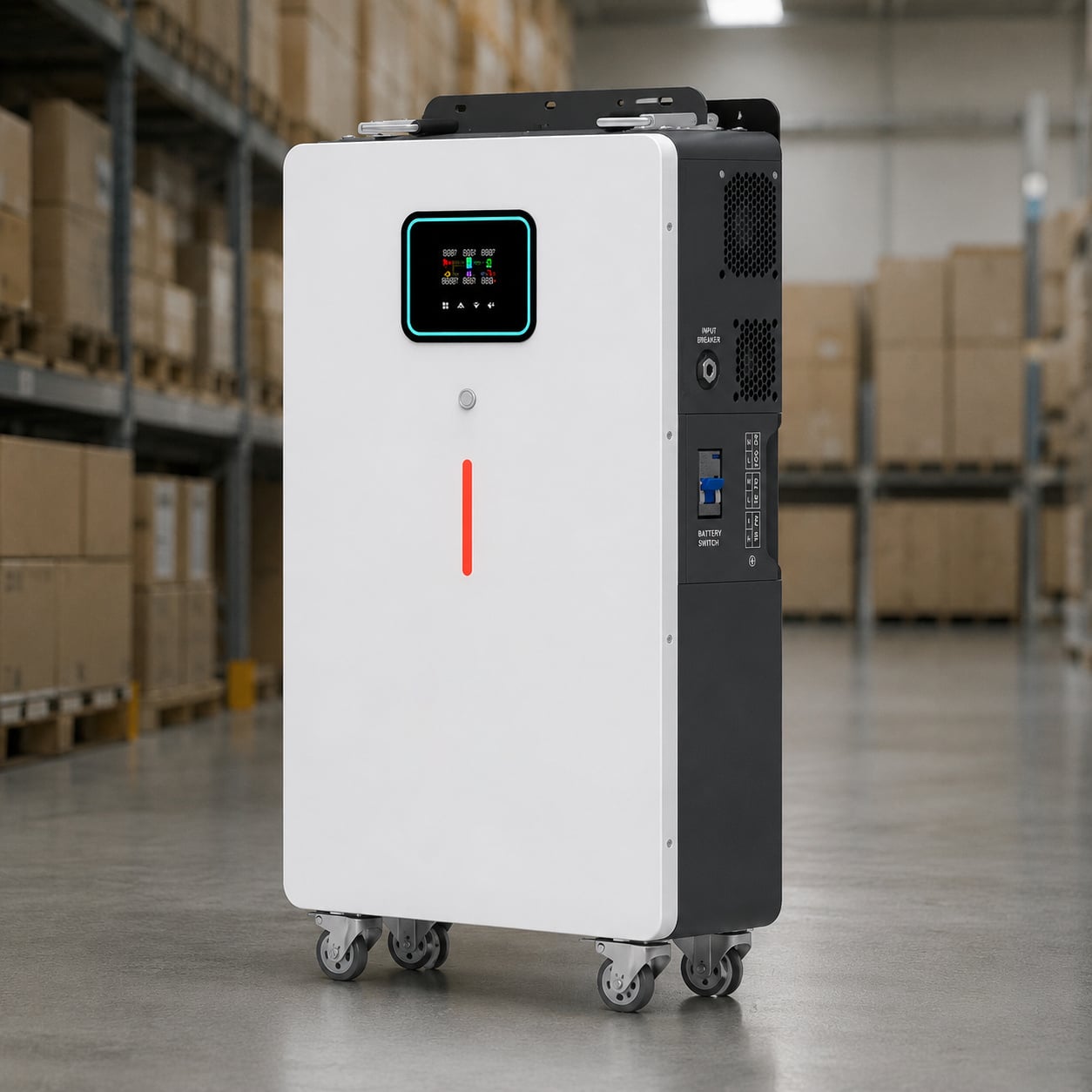
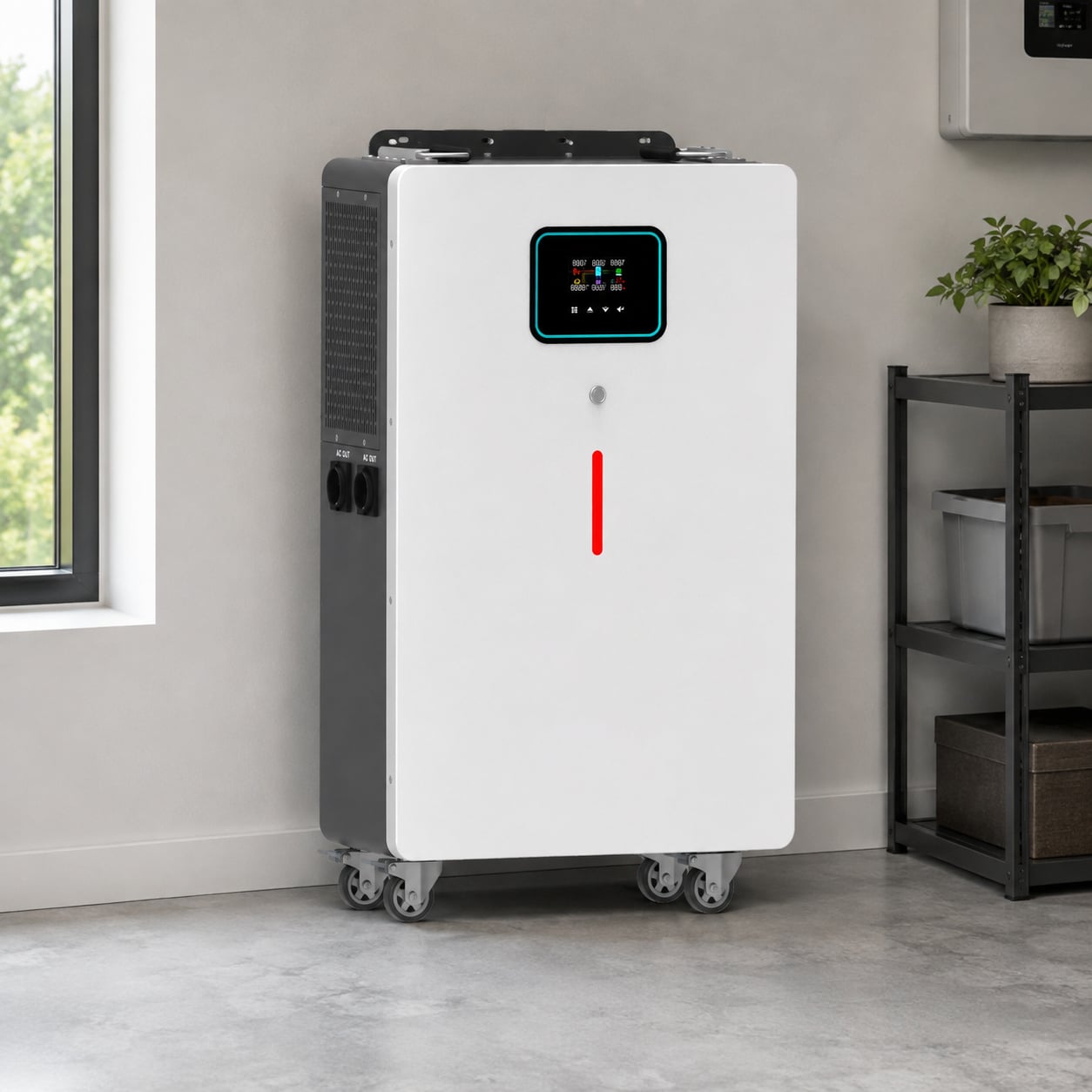
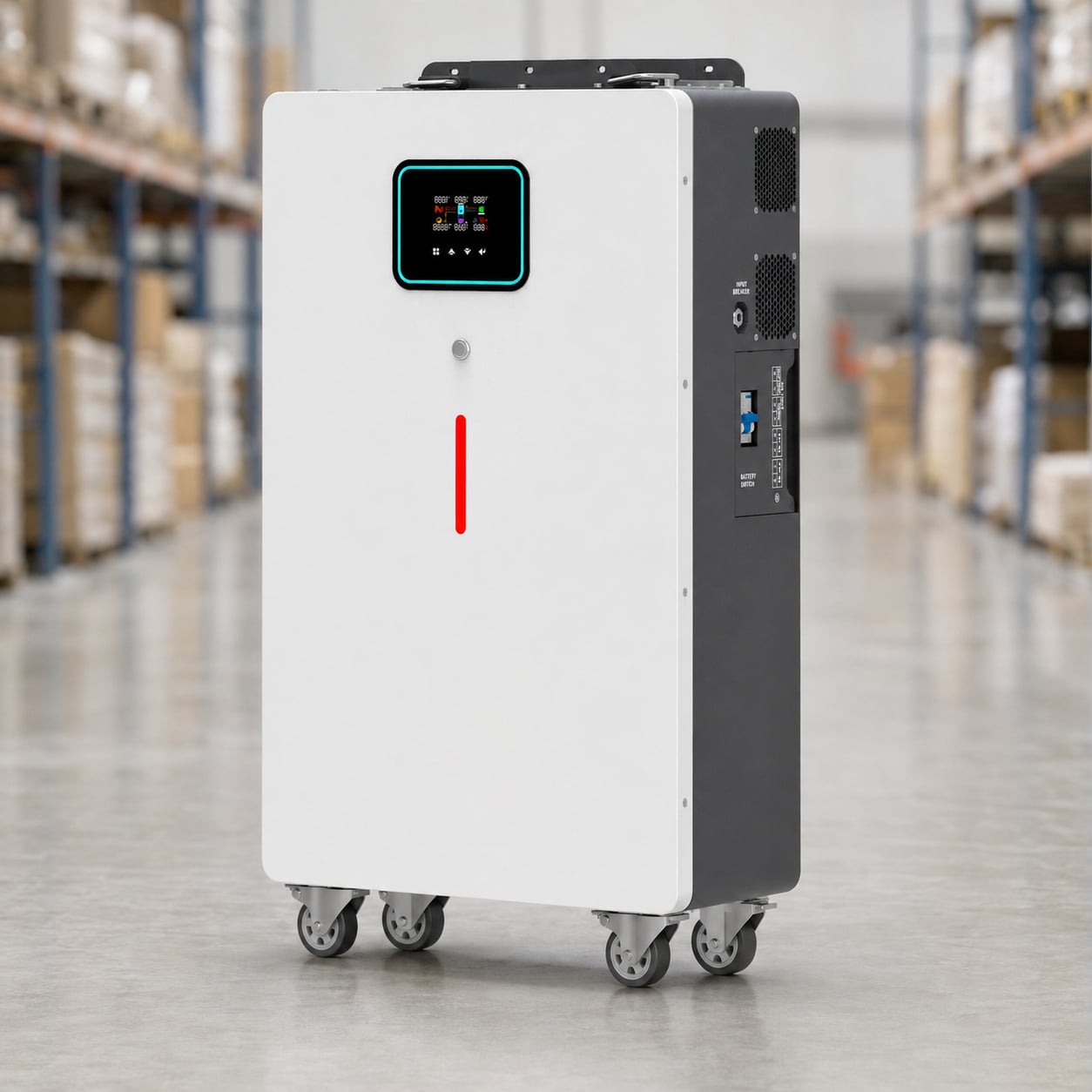
Casters, side AC OUT, indoor garage footprint. The 5.5/7.5 Energy Storage System is meant to roll off a pallet into a plant corner, not to be hung by two people on a plasterboard wall. LCD plus WiFi is the commissioning path. Do not hide this cabinet in an unventilated cupboard — it is a 7.5 kW converter.
4. Matched 48V LiFePO4, not a mystery bank
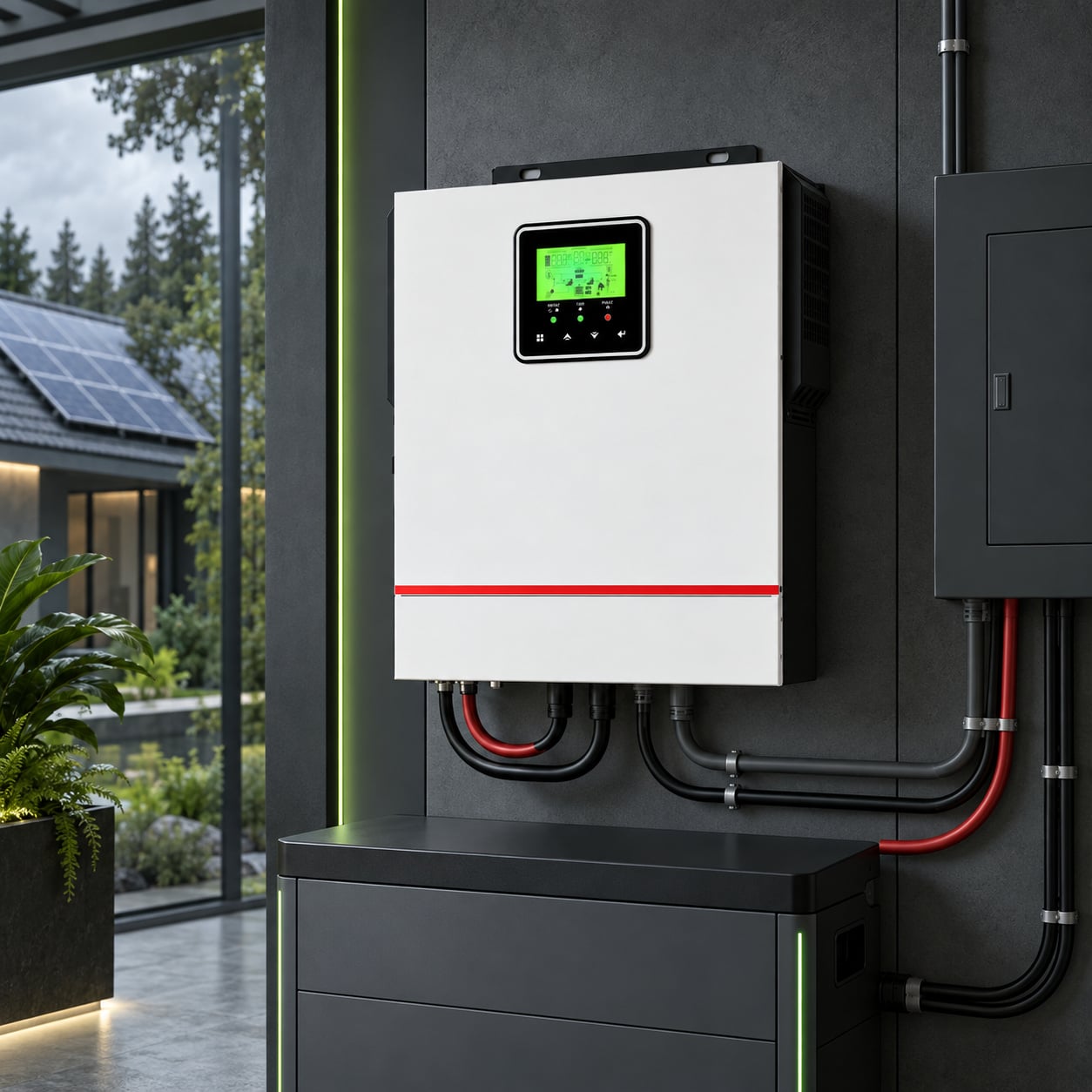
DC-to-AC 94.5% in battery mode. Pair with YASH 51.2V wall modules (10.24 kWh class and up). CAN/RS485 closed loop. A 7.5 kW Energy Storage System on a 5.12 kWh pack will empty the battery in a short outage; size storage for the backup hours you actually sold.
5. Wholesale kit, not a spare-part puzzle
Tiered pricing, flexible MOQ, OEM front label on agreed lots. 12-month standard warranty, 24-hour technical support. Stock the 7.5KW PLUS next to the 5.5KW PLUS only if your market truly splits those two quotes; many distributors pick one and keep the 6.2KW hybrid as the other column.
 EN