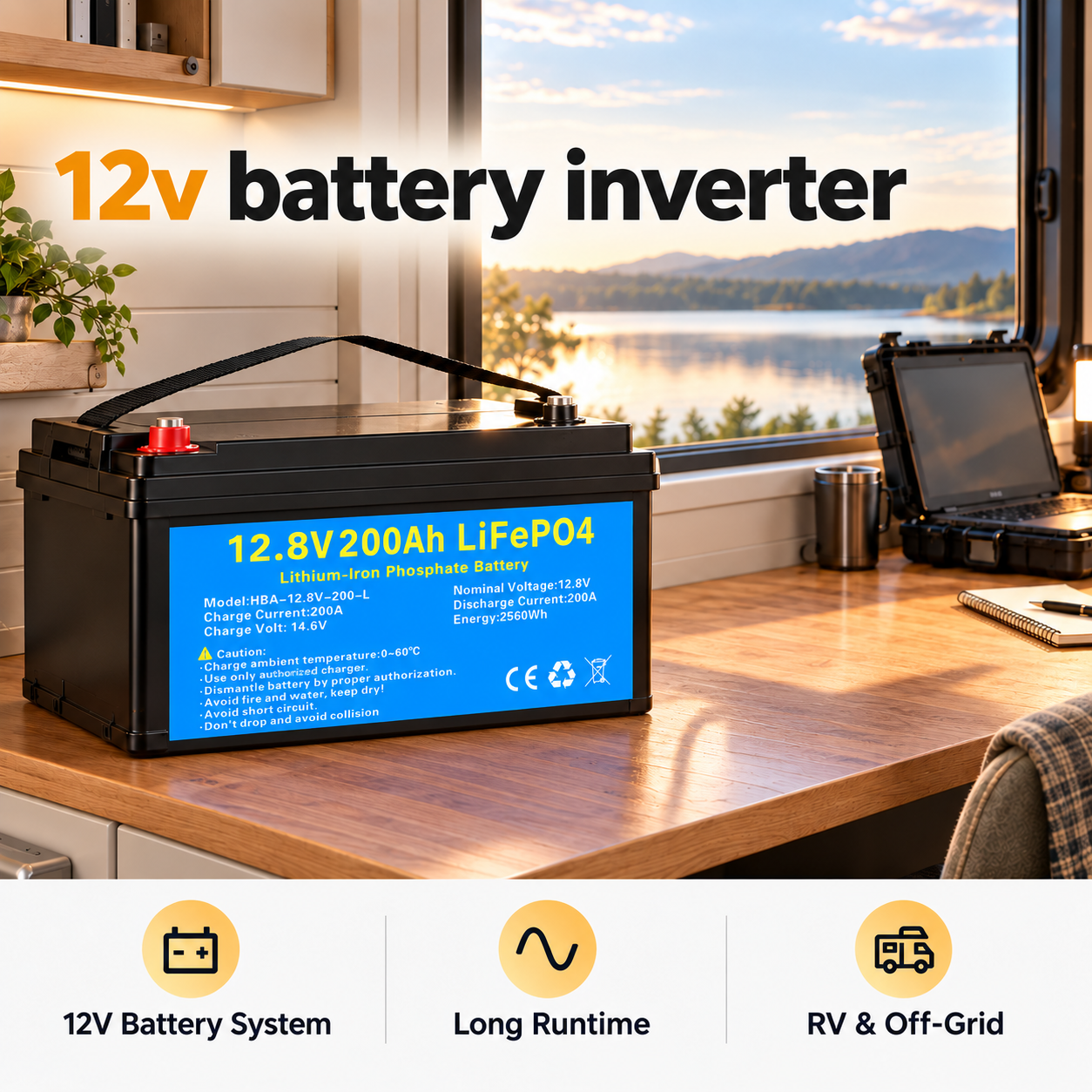
Understanding Material Advantages in 12V Battery Inverter Design
The materials used in the design of 12V battery inverters significantly impact their performance, durability, and suitability for various applications. Here are some key material considerations:
Enclosure Materials: Inverters are often housed in aluminum or plastic enclosures. Aluminum offers better durability and heat dissipation, making it suitable for high-performance applications, while plastic may be lighter and more cost-effective for less demanding uses.
Internal Components: Look for inverters that utilize high-quality capacitors and transformers. These components directly affect the inverter’s efficiency and lifespan. For instance, high-temperature capacitors can enhance reliability in demanding environments.
Corrosion Resistance: For applications in harsh environments, such as marine or outdoor installations, materials with corrosion-resistant coatings or treatments are essential to prolong the inverter's life.
Thermal Management Materials: Effective thermal management is crucial for inverter performance. Materials that facilitate better heat dissipation, such as thermally conductive pads or advanced heat sink designs, can enhance operational efficiency and reliability.
By understanding these material advantages, buyers can make informed decisions that align with their operational needs and environmental conditions. For advanced applications, consider exploring Energy Storage Systems designed to complement your inverter choice.
Selecting the right 12V battery inverter involves careful consideration of specifications, performance assessments, cost factors, and material advantages. By focusing on these aspects, B2B buyers can ensure they choose inverters that meet their needs while optimizing for cost and reliability.
 EN