2000 Watt Pure Sine Wave Inverter Guide

5,000+ units ready stock, 1–5 days fast global delivery

application/2000-watt-pure-sine-wave-inverter, application/2000-watt-pure-sine-wave-inverter, 
Inquiry
Inquiry

2000 watt pure sine wave inverter

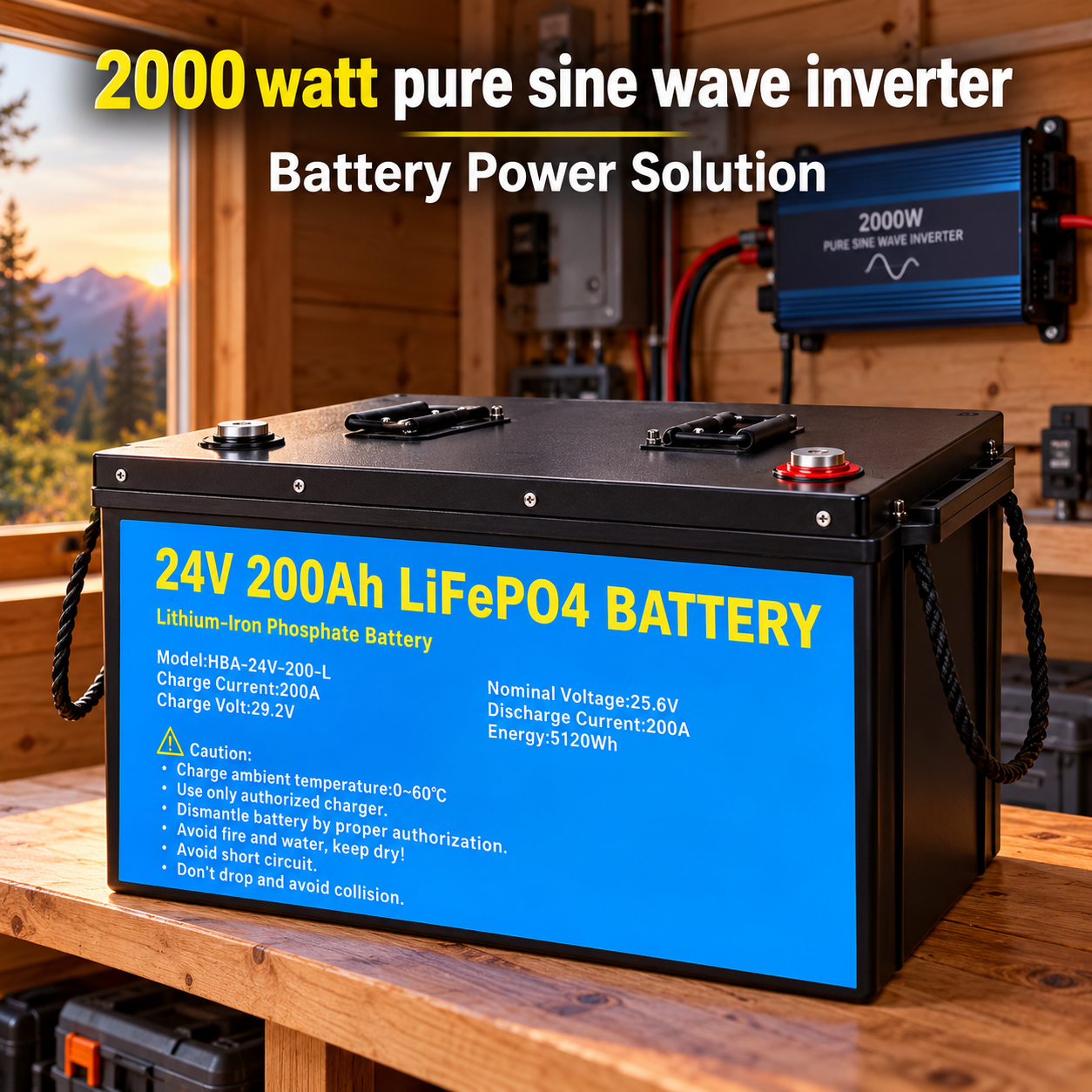
A 2000 watt  pure sine  wave inverter is  an essential  device for converting direct current (DC) into alternating current  (AC), making it suitable  for powering various appliances and equipment  in  a range of applications.  This  type of inverter  is particularly valued  in settings where clean and stable  power is a priority, such  as in solar energy systems, recreational vehicles (RVs), uninterruptible power supplies (UPS), and marine  applications. For purchasing managers and engineers, understanding the  specifications  and quality of these inverters is crucial to making informed decisions that align  with operational  needs and  standards.

Evaluating the Quality of 2000 Watt Pure Sine Wave Inverters

Evaluating the Quality of 2000 Watt Pure Sine Wave Inverters

Quality evaluation of a 2000 watt  pure sine wave inverter encompasses several factors:

Certifications: Ensure the inverter meets relevant standards and certifications, such as CE and  UN38.3, which indicate compliance with safety and  reliability standards. These certifications are particularly important  for international markets.

Manufacturer  Reputation: Research the manufacturer's history and reviews from other users. Companies  like Shenzhen Yanshuosheng Technology Co.,  Ltd., known for their LiFePO4  energy storage systems, often provide reliable products backed by industry experience.

Customer  Support:  Evaluate the level of customer service provided by the manufacturer. A responsive support team can assist with installation, troubleshooting, and  warranty claims.

Warranty  and  Support: A longer warranty  period often reflects manufacturer confidence in their product. This  also offers buyers peace of  mind regarding potential defects or issues.

User Reviews and  Case Studies: Seek  feedback from existing users regarding performance in real-world applications. This can provide  insight into reliability and  satisfaction.

Installation Tips for 2000 Watt Pure Sine Wave Inverters

Installing a 2000 watt pure sine wave inverter requires  careful planning and attention to detail:

Location: Choose a dry, well-ventilated area to prevent overheating. Avoid  locations prone to moisture or  extreme temperatures.

Wiring: Use appropriately sized  wires for connections  to  minimize voltage drop and ensure safety. Refer to the  manufacturer’s guidelines for wire gauge recommendations based on the  distance and  current load.


Grounding: Proper grounding is crucial for safety. Ensure the inverter is grounded according to local electrical codes to prevent electrical hazards.


Fusing:  Install  a fuse or circuit breaker on the DC input side  to protect the inverter from overcurrent situations. The fuse rating  should match the current capacity of the inverter.

Testing: Before connecting sensitive loads, test the inverter  with a multimeter to ensure the output voltage and  frequency are stable and within specifications.

User Manual: Always refer  to the user manual provided by  the manufacturer  for specific installation instructions and safety warnings.

Common Problems with 2000 Watt Pure Sine Wave Inverters and Solutions

While 2000 watt pure sine wave inverters  are generally reliable, users may encounter several common issues:

Overheating: If the  inverter overheats, it may shut down  or reduce its output.  Ensure adequate ventilation and check if the load exceeds the inverter's rating.  Consider installing additional cooling fans if  necessary.

Low Output Voltage:  If the output voltage is low, it could be due to insufficient input voltage or  connection issues. Inspect cabling and connections to ensure they are secure and of the correct gauge.

Inverter  Not  Turning On: This could be due to a blown  fuse, low battery voltage, or internal faults. Check  all connections, fuses, and  battery  levels  before seeking professional repair.


Noise: Excessive noise, often from cooling fans, can be  bothersome in quiet environments. Ensure the inverter is  placed in a location where the noise  is less intrusive or consider models with quieter fan  operation.

What to Know

Before purchasing a 2000 watt pure sine  wave inverter, there are several key considerations:

Application Suitability: Clearly define the intended use  of the inverter—whether it be for solar systems, RVs, or marine applications—as this affects the type of inverter required.

Specifications Review: Always compare  specifications from  multiple manufacturers to determine which model best meets your  needs. Verify that the inverter  can handle the total wattage of  devices you plan to power.

Customization Options: If your application has unique requirements, inquire about customization options. Manufacturers may  offer  tailored solutions to meet specific  power or size requirements.

Supplier Evaluation: Assess potential suppliers based on  their production capacity, quality  control  processes, and customer service.  A reliable supplier will not only provide quality products but also  assist through  the purchasing process and  after-sales support.

By  understanding  these aspects, purchasing managers and engineers can make  informed decisions that lead to successful implementation and long-term satisfaction with their 2000 watt pure sine wave inverter.

Key Specifications to Consider for 2000 Watt Pure Sine Wave Inverters

When evaluating  a 2000 watt pure sine wave inverter, several  key specifications should be considered:

Output Waveform: The inverter should produce a pure sine wave output to ensure  compatibility with sensitive electronic devices. This minimizes the  risk of damage and ensures optimal  performance.

Input Voltage: Common input voltages for these inverters are typically 12V, 24V, or 48V DC. The choice depends on the application. For example, 12V systems are common in  automotive and RV applications, while 24V or 48V may be preferred  for larger solar setups.

Peak Power Rating: In addition to continuous output, it's important  to check the  peak (surge) power rating, which indicates the maximum power the inverter can handle for a  short duration. This is  crucial for starting appliances that require a higher initial power surge.


Efficiency Rating: A higher efficiency rating (above 90%) means less energy is lost during  the conversion process, leading to better overall performance and reduced  operational costs.

Dimensions and Weight: Depending on the installation site and  application, the inverter's physical size and weight can  be a significant factor, especially in mobile applications like RVs and boats.

Cooling Mechanism: Effective cooling features, such as built-in  fans or heat  sinks, are essential to prevent overheating, ensuring reliable operation under load.

Safety Features: Look for inverters that include protections against over-voltage, over-current,  and short-circuits, as these features enhance the safety and longevity of both the inverter and connected devices.


Get a Free Quote

Our representative will contact you soon.
0/1000