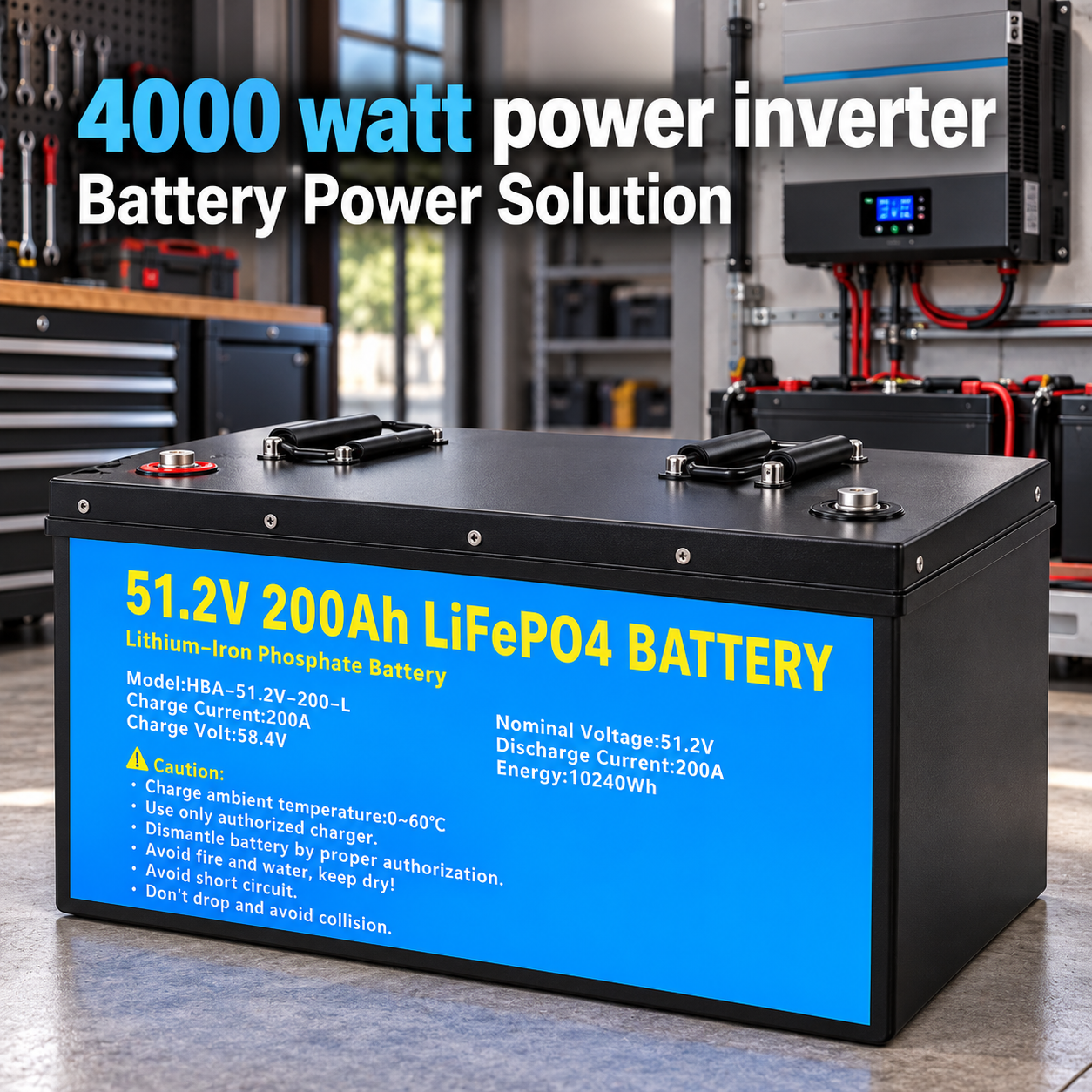
Choosing the Right 4000 Watt Power Inverter

5,000+ units ready stock, 1–5 days fast global delivery

application/4000-watt-power-inverter, application/4000-watt-power-inverter, 
Inquiry
Inquiry

4000 watt power inverter

When considering a 4000 watt  power inverter  for  wholesale, it’s essential to navigate various factors that could impact performance and  suitability for  your specific applications.  A 4000 watt  power inverter converts DC power from batteries into  AC power, making  it indispensable for industries reliant on renewable energy  sources, marine applications, or backup power solutions.  This article aims  to  clarify what  to  consider when  selecting a power inverter, key specifications  for importers, quality evaluation  methods, reliable supplier sourcing, and  installation guidance tailored  to different applications.

Key Specifications of the 4000 Watt Power Inverter for Importers

Key Specifications of the 4000 Watt Power Inverter for Importers

Importers  should focus on several  key specifications when evaluating  a 4000 watt power inverter. The inverter's  input voltage range is crucial, as it must  match the batteries  being used (commonly 12V, 24V, or 48V). The output voltage and frequency should  also align with the requirements of  the equipment it  will power, typically 110V or  220V at 50Hz or 60Hz.

Look into  the inverter's efficiency rating,  as this will impact energy consumption and operational costs. A higher  efficiency rating often translates to less energy wasted during the conversion process, which is  especially critical in applications where energy costs are a concern.

Another vital specification is the inverter's total harmonic  distortion (THD). Lower THD values indicate  cleaner power output, which is essential for protecting sensitive electronics. Additionally, consider the inverter's size and weight, which can affect  installation flexibility,  especially  in  confined spaces.

How to Evaluate the Quality of a 4000 Watt Power Inverter

Quality evaluation of a  4000 watt power inverter  should start with  a  thorough  review of the manufacturer’s quality control processes. Look for manufacturers that conduct extensive testing during production  to ensure reliability and performance. Certifications like  ISO 9001 can  indicate a commitment to quality management practices.

It's also advisable to assess the materials used  in the inverter's construction. High-quality components, such as capacitors  and transistors,  contribute to longevity and performance. Consider seeking samples for testing under actual operating conditions before placing  a bulk order.  This allows you to evaluate not just the inverter’s output but also its thermal performance and noise levels.


Additionally, seek  feedback from existing users or request case studies that demonstrate the  inverter’s performance in similar  applications. This  real-world insight can highlight potential  issues and confirm the manufacturer’s claims about durability and efficiency.


Where to Find Reliable Suppliers of 4000 Watt Power Inverters

Finding credible suppliers for 4000  watt power inverters involves thorough research  and  vetting.  Start by  attending industry trade  shows and exhibitions, where you can directly interact with manufacturers and distributors.  This face-to-face engagement can provide valuable insights  into  their capabilities and product offerings.

Online platforms  such as Alibaba and  Global Sources can also be useful for identifying potential suppliers. Look for  suppliers with positive reviews and a track record of  delivering quality products. Make sure  to check their certifications and compliance with relevant standards.

Moreover, consider suppliers that specialize  in energy storage  solutions and have experience  in your specific application area, such as solar power or marine equipment.  This specialization  can often translate into better product knowledge and customer support. Lastly, don’t hesitate to ask for references or case studies from previous clients to confirm reliability  and performance.

Installation Guidance for 4000 Watt Power Inverters in Various Applications

Proper installation of a 4000 watt power inverter is crucial for optimal performance and safety. Begin by reviewing the manufacturer’s installation guidelines, as  these will provide specific instructions  tailored to the inverter model.

In a solar application, ensure that the inverter is installed in a location  with sufficient ventilation to prevent overheating.  Positioning it  near  the  battery bank can minimize voltage drop but  ensure that it is accessible  for maintenance. For RV or marine installations, consider the inverter's exposure to moisture and vibrations, and install it in a secure, dry location.

When connecting the inverter to the battery, use appropriately sized cables to handle the current without overheating. It’s  advisable to include fuses  or circuit breakers in the installation to protect against overcurrent  conditions. For  applications involving sensitive electronics, utilize surge protectors to shield  against voltage spikes.

Lastly, after installation,  conduct  thorough testing to  confirm that the inverter operates correctly under various  loads, ensuring that it meets performance expectations and safety standards.

By understanding these critical aspects of selecting,  evaluating, and installing a 4000 watt power inverter, purchasing  managers and engineers can make informed decisions that enhance reliability and efficiency across their applications.

What to Consider When Choosing a 4000 Watt Power Inverter for Wholesale

Choosing the right 4000 watt power inverter involves evaluating several critical factors. Firstly, consider the inverter's intended application—whether it’s for  solar energy systems, RVs, marine uses,  or  UPS systems. Each application may have unique requirements regarding power output, efficiency, and durability.

Next, examine the inverter’s wave output. Pure sine  wave  inverters are  generally preferred for sensitive electronics, while modified  sine wave inverters may suffice for less critical applications. Additionally, assess the inverter's peak  power  rating, which  indicates its ability  to handle short bursts of high power, essential for starting motors and  other inductive loads.

Another important consideration is the  inverter's compatibility with your existing battery system.  Ensure the inverter can handle the  voltage and  capacity of the  batteries it will be paired with. Additionally, evaluate the cooling mechanisms in place; efficient thermal  management can prolong the lifespan of  the inverter in high-load conditions. Finally, verify the manufacturer’s certifications, such as UN38.3 and CE, which validate compliance with safety and  performance standards.

Get a Free Quote

Our representative will contact you soon.
0/1000