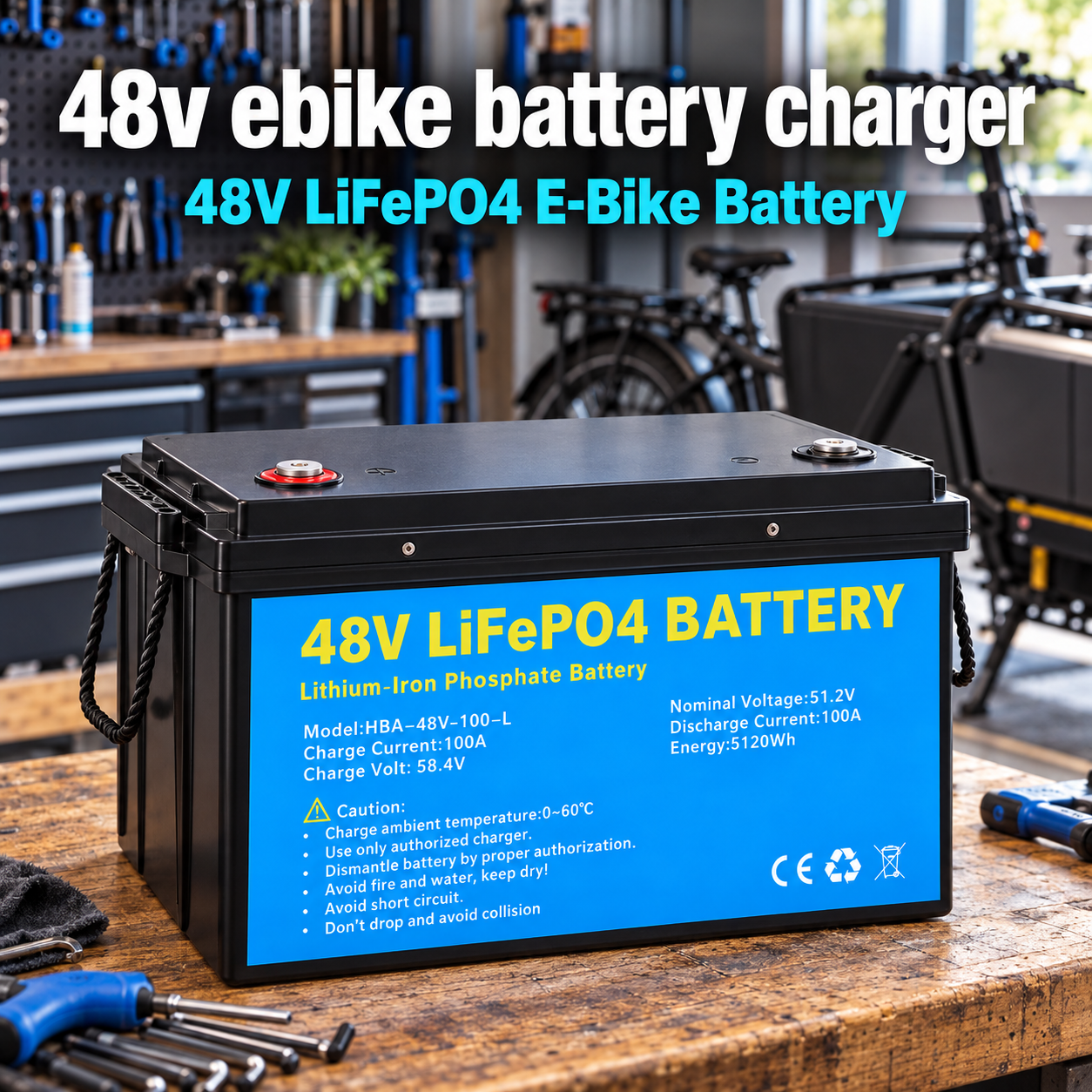
Choosing the Right 48V eBike Battery Charger

5,000+ units ready stock, 1–5 days fast global delivery

application/48v-ebike-battery-charger, application/48v-ebike-battery-charger, 
Inquiry
Inquiry

48v ebike battery charger

The 48V eBike  battery charger is a vital  component  for electric bicycles, providing  the necessary  power to recharge the battery  systems efficiently. As  a B2B buyer, you may be  concerned with  aspects  such as compatibility,  cost,  safety standards, and  installation. This  article aims to guide  you  through the essential  specifications, cost factors, installation procedures,  common issues, and  the advantages of LiFePO4 battery chargers, helping you make an  informed purchasing decision.

Cost Factors to Consider When Purchasing 48V eBike Battery Chargers

Cost Factors to Consider When Purchasing 48V eBike Battery Chargers

The cost of 48V eBike battery chargers can vary significantly based on several factors. Understanding these aspects will  help you  make a more informed purchase:

Quality and Brand:  Established brands often command higher prices due to their reputation for reliability and quality. However, lesser-known brands may  offer competitive pricing, but  it’s crucial to assess their reliability  through reviews or case studies.


Features and Technology: Chargers  with advanced features, like smart  charging  capabilities, can be more expensive. These features can optimize charging cycles, improve battery health, and provide real-time  status updates, potentially justifying the additional cost.

Quantity Ordered: Bulk purchasing  can lead to significant savings. If  you are a distributor or purchasing in large quantities, negotiate pricing  based on your order volume. Manufacturers often provide discounts for larger orders.

Shipping Costs: Depending on your location and the supplier, shipping costs can impact the overall price. It’s advisable to  account for these costs in your budget and factor in  any import duties if applicable.

Warranty and Support:  A well-structured warranty can add to the cost  but may  save money in the long run  by covering repairs or replacements. Evaluate the warranty terms and after-sales support offered by the supplier.

Installation Guidance for 48V eBike Battery Chargers in Various Applications

Installation of 48V eBike battery chargers should be approached with care to ensure safety and efficiency. Here are key considerations:

Location: Choose a dry, well-ventilated area for installation. Avoid locations  exposed to moisture or extreme temperatures, as  these can affect charger performance and safety.

Electrical Connections: Ensure that the electrical connections are  secure and compatible  with the charger specifications. Utilize appropriate connectors and  cables to prevent overheating and ensure safety during operation.

Monitoring Charging  Cycles: For optimal battery health, monitor the charging cycles.  Many modern chargers come with indicators that signal when charging is complete. This  is crucial in preventing overcharging, which can damage the  battery.

User Manual: Always refer to the manufacturer's user  manual for specific installation instructions and safety precautions. This is particularly important for chargers with advanced features  that may require  specific setups.


Professional  Installation: If you  are  unsure about  the installation process, consider  hiring a professional. This can ensure that all safety standards are  met and that the charger functions correctly with your eBike  system.

Common Problems with 48V eBike Battery Chargers and Their Solutions

Buyers should be aware of potential issues that can arise with 48V eBike battery chargers and  how to address them:

Overheating: If the charger becomes excessively hot during operation, it may indicate a malfunction or incorrect voltage. Ensure the charger is rated for the battery type and consider having  it checked by  a professional.

Inconsistent Charging:  If  the charger  is not consistently charging the  battery,  check the connections and ensure there is no corrosion or damage. Additionally, confirm that  the  charger is compatible with the battery chemistry.

Failure  to Charge: A charger that fails to charge may have internal faults. Before replacing the charger,  check the power  source and connections. If the problem persists, consult the manufacturer for troubleshooting steps.

Indicator Light Issues: Many  chargers have indicator lights that show charging status. If the indicator light does not function, it may be a sign of a malfunction.  Refer to  the user manual for guidance on what different indicator lights represent.


Battery Damage: If a charger is improperly matched  to a battery, it can cause damage to the battery. Always ensure compatibility and  follow the manufacturer's specifications for safe operation.

&nbsp

Understanding the Advantages of LiFePO4 48V eBike Battery Chargers

LiFePO4 (Lithium Iron  Phosphate) battery chargers offer distinct advantages that enhance eBike performance and longevity:

Safety: LiFePO4 batteries have  a lower  risk of thermal  runaway compared to other lithium-ion batteries. This means that  using  a LiFePO4 charger can contribute to a safer charging process.

Longer Lifespan: Chargers designed for LiFePO4 batteries can help extend battery life due to their optimized  charging algorithms, which prevent overcharging  and deep discharging.

Efficiency: LiFePO4 chargers typically provide faster charging  times and higher efficiency, ensuring that your eBike  is ready for use more quickly.

Environmental Impact: LiFePO4 batteries are often considered more environmentally friendly than  other battery types, as  they contain no toxic materials and  have a lower carbon footprint  during production.

Performance Consistency:  With a LiFePO4 charger, users can expect consistent performance across  a wide range of temperatures, making them ideal for varied climates and operating conditions.


By understanding these pivotal aspects of 48V eBike battery chargers, buyers can make  informed  decisions that align with their operational needs and safety  requirements.

Key Specifications to Evaluate in 48V eBike Battery Chargers

When  assessing  48V eBike  battery chargers, several key specifications are crucial for ensuring compatibility and performance.

Output Voltage and Current: The charger must match the battery's voltage (48V in this case) and provide the appropriate current rating, usually measured in amps  (A). For example, a charger that provides 2A will take longer to charge a  battery than one that provides 5A. Buyers should verify that the output specifications align with the battery's  requirements for optimal charging efficiency.


Charging Time: The time required to charge the battery can vary depending on the charger’s output. A higher amperage charger will  typically reduce charging time. It’s wise to  consider the average use case  and how  quickly you  need the eBike ready for operation.

Safety  Features: Look for  chargers equipped with  built-in safety features such as over-voltage protection, short-circuit protection, and over-temperature protection. These features help safeguard the battery and ensure longevity.

Compatibility  with Battery  Chemistry: Given that Shenzhen Yanshuosheng Technology Co., Ltd. specializes in LiFePO4 batteries, it’s essential to use a charger designed for this chemistry to maximize battery life and performance. Chargers designed for other  battery types (like lead-acid) may not be suitable. For instance, the All-in-One Energy Storage System 3KW / 5KW Hybrid Cabinet is optimized for LiFePO4 batteries.


Certifications: Ensure the charger has relevant certifications, such as UN38.3 and CE, which indicate compliance with safety and performance standards. This is particularly important for international shipping and use  in diverse markets.

Get a Free Quote

Our representative will contact you soon.
0/1000