Key Considerations for Deep Cycle Battery Purchases

5,000+ units ready stock, 1–5 days fast global delivery

application/deep-battery-cycle, application/deep-battery-cycle, 
Inquiry
Inquiry

deep battery cycle

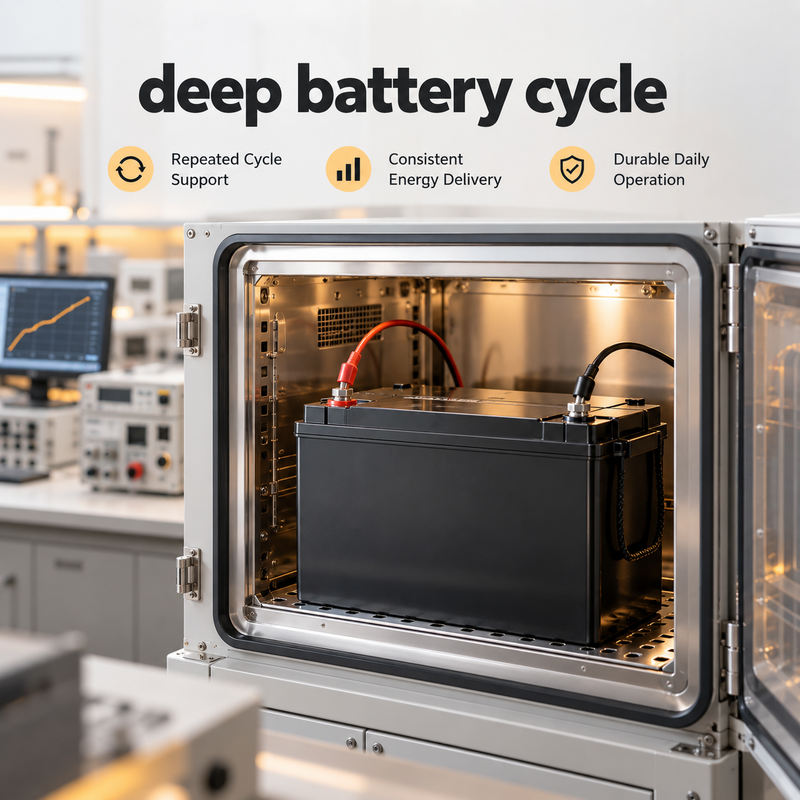
Deep cycle batteries are essential components in various applications, including renewable energy systems, recreational vehicles, uninterruptible power supplies (UPS), and marine equipment. As B2B buyers, such as purchasing managers and engineers, evaluate deep battery cycles, they often have specific concerns regarding performance, quality, and sourcing reliability. This article aims to clarify key specifications, assess quality, identify trustworthy suppliers, address common problems, and outline cost factors relevant to bulk orders of deep cycle batteries.

Key Features for Wholesale Buyers

Key Features for Wholesale Buyers

Quality assessment of deep cycle batteries is vital to avoid costly failures and ensure reliability. Here are several strategies to evaluate battery quality before making a wholesale purchase:

Certifications: Look for batteries with recognized safety and quality certifications, such as UN38.3 and CE. These certifications indicate that the batteries have undergone rigorous testing and comply with international safety standards.

Manufacturer Reputation: Research the manufacturer’s history and customer feedback. Companies with a solid track record in the industry often have established quality control processes and customer service practices.

Sample Testing: Request samples for testing under actual operating conditions. This hands-on approach allows buyers to assess performance and compatibility with their systems before committing to larger orders.

Warranty and Support: A robust warranty reflects the manufacturer’s confidence in their product. Additionally, customer support can be crucial for addressing issues that arise during installation and usage.

Material Quality: Inspect the materials used in construction. High-quality materials contribute to longevity and performance. For instance, LiFePO4 batteries should have proper cell construction and protective measures against overcharging and short circuits.

By implementing these evaluation techniques, buyers can make informed decisions and select high-quality deep cycle batteries that meet their operational needs.

Applications of Deep Cycle Batteries in Various Industries and Projects

Finding trustworthy suppliers is critical to ensuring a reliable source of deep cycle batteries. Here are several strategies to identify and assess potential suppliers:

Industry Networks and Trade Shows: Attend industry-specific trade shows and networking events, where manufacturers showcase their products. This setting allows for direct interaction and product demonstrations.


Online Marketplaces: Utilize B2B platforms like Alibaba or ThomasNet to find suppliers. Ensure to review ratings and feedback from previous customers to gauge reliability.

Certifications and Memberships: Look for suppliers that are members of industry associations or have certifications indicating adherence to quality standards. This can be a sign of credibility.


Local Distributors: Consider reaching out to local distributors who may have established relationships with manufacturers. They can provide insights on product availability and support.

Direct Manufacturer Contact: Contact manufacturers directly to inquire about their products, capabilities, and customer references. This approach can provide deeper insights into their operations and reliability.

By employing these strategies, buyers can establish connections with reputable suppliers who can meet their needs for high-quality deep cycle batteries.

What to Look for in a Trusted Supplier of Deep Cycle Batteries

While deep cycle batteries are generally reliable, buyers should be aware of common issues that can arise and how to address them:

Overcharging: Overcharging can lead to reduced battery life and potential safety hazards. Implementing a robust Battery Management System (BMS) is essential to prevent overcharging and monitor battery health.

Temperature Sensitivity: Extreme temperatures can affect performance. Ensuring proper installation in climate-controlled environments or using thermal management systems can mitigate this issue.

Self-Discharge: All batteries experience self-discharge, but excessive rates can indicate problems. Regularly monitoring battery performance and employing proper storage techniques can help manage this issue.


Physical Damage: Batteries can be susceptible to physical damage during transport or installation. Ensure proper handling procedures are in place and consider packaging solutions that protect the battery during transit.

Incompatibility with Systems: Mismatched voltage or capacity can lead to inefficiencies. Buyers should thoroughly assess system requirements and confirm compatibility before installation.

By proactively addressing these common problems, buyers can enhance the reliability and longevity of their deep cycle batteries.

Material Advantages of LiFePO4 Deep Cycle Batteries for Buyers

When considering bulk orders of deep cycle batteries, various cost factors come into play that can impact overall expenditure:

Unit Price: Bulk purchasing often results in lower per-unit costs, but it’s essential to compare prices from multiple suppliers to ensure competitive rates.

Shipping Costs: Factor in shipping costs when calculating the total expense of bulk orders. Shipping fees can vary significantly based on the supplier's location and shipping method.

Import Duties and Taxes: For international orders, buyers should be aware of import duties and taxes that could affect the overall cost. Consulting with customs brokers can provide clarity on potential fees.


Payment Terms: Negotiate payment terms that suit your budget. Some suppliers may offer discounts for upfront payments, while others may provide financing options for larger orders.

Minimum Order Quantities (MOQ): Suppliers often have MOQs that can affect purchasing decisions. Understanding these requirements is crucial for budget planning.

Warranty and After-Sales Support Costs: Some suppliers may offer warranties that include after-sales support. These costs should be considered when evaluating the total investment in the batteries.

By carefully analyzing these cost factors, buyers can make informed financial decisions and optimize their purchasing strategy for deep cycle batteries.

Understanding the Cost Factors of Deep Cycle Battery Purchases

When sourcing deep cycle batteries, several specifications are critical to ensuring optimal performance for specific applications. Key factors include:

Capacity (Ah): Measured in amp-hours, capacity determines how much energy the battery can store. For applications requiring prolonged use, a higher capacity is essential, and options like the High Performance 50Ah LiFePO4 Lithium Ion Battery Pack Deep Cycle 12V High Efficiency Lithium Iron may be suitable.

Voltage: It's crucial to match the battery's voltage with the system's requirements. Common voltages for deep cycle batteries include 12V, 24V, and 48V.

Chemistry: LiFePO4 (Lithium Iron Phosphate) batteries are known for their stability, safety, and longer life cycle compared to traditional lead-acid batteries. This chemistry is particularly advantageous in solar energy storage applications, such as in Energy Storage Systems 3.6KW 5.5KW 24V 48V On/Off Grid Solar Inverter.

Cycle Life: The number of charge and discharge cycles the battery can undergo before its capacity significantly diminishes. A higher cycle life means reduced replacement frequency and lower long-term costs.

Dimensions and Weight: For installation considerations, ensure that the physical size and weight of the battery fit within the designated space and do not exceed weight limitations.

Discharge Rate: Understanding the continuous discharge rate (measured in C-rates) is essential to ensure the battery can provide the necessary power without damaging its integrity.

Operating Temperature Range: Batteries should be able to function efficiently across a specified temperature range, especially in applications exposed to extreme conditions.

These specifications guide the selection process, ensuring that the chosen battery aligns with application demands and performance expectations.

Get a Free Quote

Our representative will contact you soon.
0/1000