How to Choose a Reliable Supplier for 48V Electric Bike Chargers
When evaluating a 48V electric bike charger, several key specifications should be prioritized. These include:
Voltage Output: The charger must deliver a consistent 48V output, ensuring compatibility with most electric bike battery systems. Inconsistent voltage can lead to undercharging or overcharging, impacting battery life.
Current Rating: The current rating, usually expressed in amperes (A), indicates how quickly the battery can be charged. A higher amperage charger can reduce charging time but may not be suitable for all battery types. It’s crucial to check the battery manufacturer’s specifications to avoid potential damage.
Charging Time: This specification varies depending on the charger’s output and the battery's capacity. Typical charging time can range from 4 to 8 hours for a complete charge, depending on the battery size and charger output.
Safety Features: Look for chargers with built-in safety features, such as over-voltage protection, short-circuit protection, and temperature control. These features help prevent damage to both the charger and the battery during use.
Connector Type: Ensure that the charger’s connector is compatible with your electric bike’s battery. Common connector types include XT60, Anderson, and barrel connectors. Mismatched connectors can lead to ineffective charging or connection issues.
Certification: Verify that the charger has relevant safety certifications, such as CE or UL, which indicate that the product meets international safety standards.
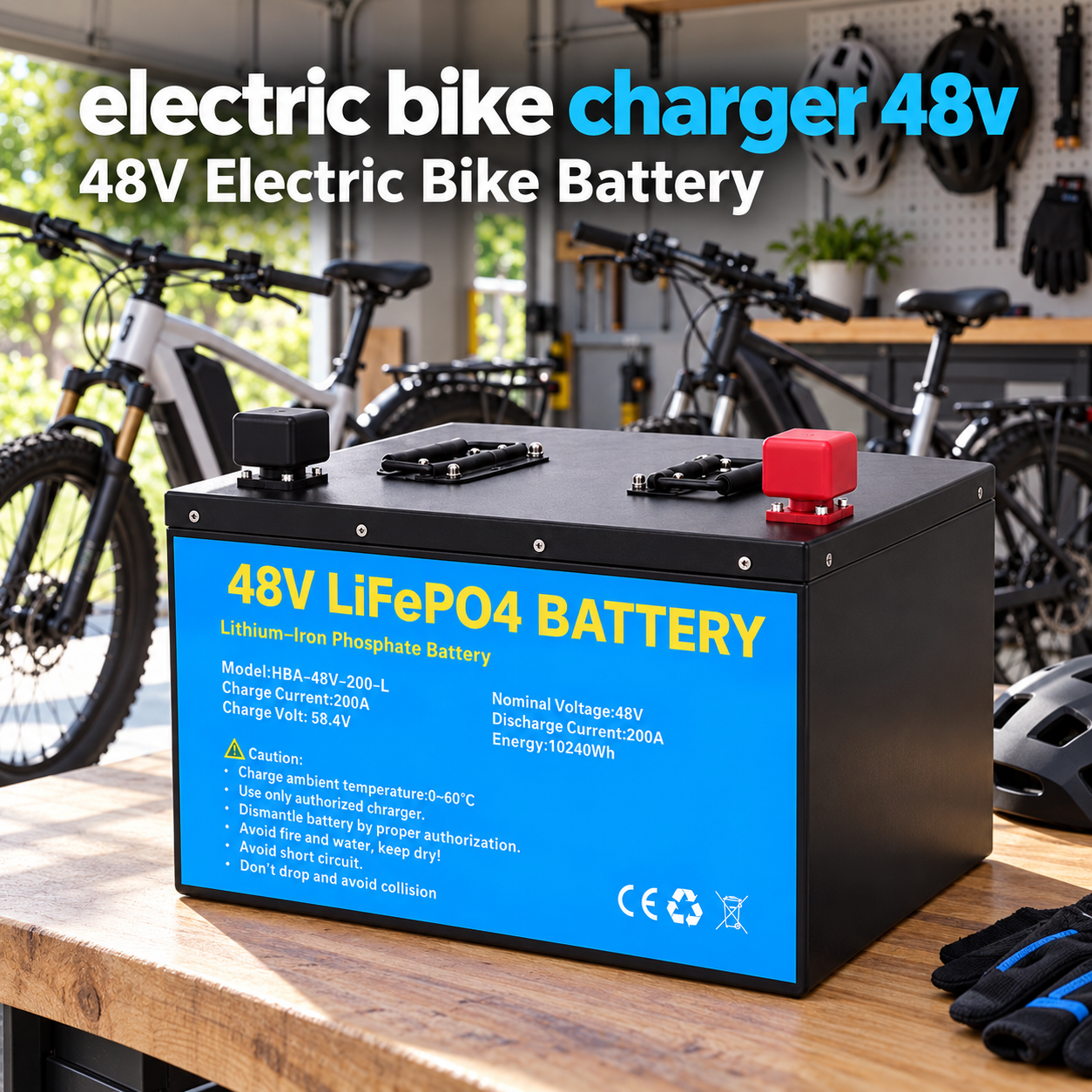
Understanding these specifications will aid in selecting a charger that meets your specific needs and ensures optimal performance for electric bikes. For those looking for reliable energy sources, consider our High Performance 50Ah LiFePO4 Lithium Ion Battery Pack.
 EN