Choosing the Right Mini Inverter with Battery

5,000+ units ready stock, 1–5 days fast global delivery

application/mini-inverter-with-battery, application/mini-inverter-with-battery, 
Inquiry
Inquiry

mini inverter with battery

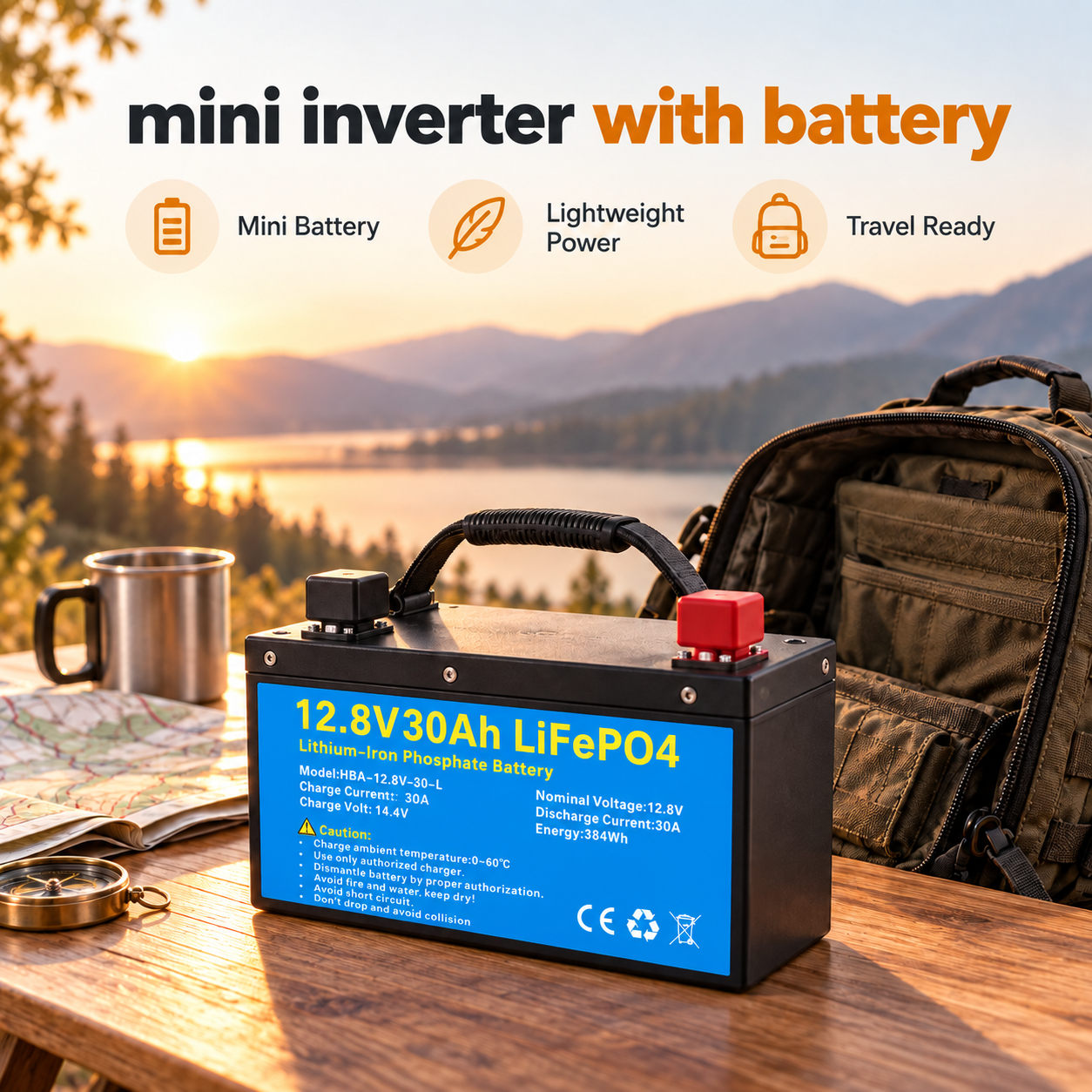
Mini inverters with battery storage  systems are essential components for various applications, including solar energy,  RVs, and  marine  use. These compact devices  convert DC  power from batteries, such as LiFePO4 energy storage systems, into AC power for household appliances and other electronic  devices. As a B2B  buyer, your  main  concerns typically include  the inverter's  specifications,  reliability, and compatibility with  your existing  systems. This article will guide you through critical  factors to  consider when selecting a mini inverter with battery, ensuring  you make a  well-informed purchasing  decision.

Specifications to Consider When Sourcing Mini Inverters

Specifications to Consider When Sourcing Mini Inverters

When sourcing mini inverters with batteries, several specifications play a pivotal role in performance and compatibility. Key specifications to look for  include:

Power Output: Measured in watts, this indicates how much power the inverter can provide. Ensure the  inverter's output exceeds your total load requirements. Input  Voltage: It  should match your battery system's voltage (e.g., 12V, 24V). Mismatched  voltage  can lead to inefficiencies or damage. Waveform Type: Inverters typically  provide either pure sine wave or  modified sine wave output.  Pure  sine wave  inverters are often preferable  for sensitive electronics. Size and Weight: Consider the physical dimensions and  weight of the inverter,  especially if  installation space is  limited.  Cooling Mechanisms:  Look for models with effective cooling systems, such as fans  or heat sinks, to prevent overheating during operation.

Understanding these  specifications will help you identify the most suitable mini inverter for your specific applications, such as solar installations or portable power solutions.

Compare Mini Inverter with Battery Options for Bulk Orders

When considering bulk orders of mini inverters with batteries, it’s essential to conduct a thorough comparison  of various options based on multiple criteria, including price, performance, and supplier reliability. Start by gathering  quotes from different manufacturers, ensuring you specify  the same model and specifications for accurate  comparison.

Evaluate the production capacity and lead times of each supplier. Reliable  suppliers  should provide clear timelines for order fulfillment, along with  details regarding minimum order quantities (MOQ). Additionally, assess the manufacturer’s quality  control processes, especially  if you require  certification compliance (like UN38.3/CE) for  international markets.

Another important aspect  is customization  capabilities. If  your project requires specific features or configurations, ensure the supplier can accommodate  these  needs without significant  delays or extra costs. Lastly, review customer feedback  and case studies to gauge  the performance and reliability of the inverters from different suppliers.


Common Problems with Mini Inverters and Effective Solutions

Despite their  utility, mini  inverters can face several common issues that  may affect performance. Understanding these challenges  and their solutions can enhance operational efficiency:


Overheating: This can occur due to inadequate ventilation or prolonged usage at maximum  capacity. To mitigate  this, ensure the inverter  is installed in a well-ventilated area and consider  models with built-in thermal protection.

Low Output Voltage:  If the inverter is unable to deliver the expected voltage, check for compatibility between the inverter  and the battery. Ensure  that the input voltage matches the battery specifications.

Inverter Shutdown: This may happen when  the load  exceeds the inverter's capacity.  Always calculate your total device load to avoid overloading the inverter.

Noise Issues: Some  inverters  may generate noise due to internal fans. Opt for inverters designed for quiet operation, especially for residential  applications.

By proactively addressing these issues, you can  ensure your mini inverter operates smoothly and effectively, leading to longer service life and higher productivity.


Reliable Supplier Insights

When sourcing a mini inverter with  battery, selecting a reliable supplier is crucial for ensuring quality and performance.  Look for manufacturers with a proven  track record  in the industry, such as Shenzhen Yanshuosheng Technology Co., Ltd., which  specializes in LiFePO4 energy storage systems. Verify their certifications, including UN38.3 and CE, as these indicate compliance with international safety and  quality standards.

Engage  with suppliers who offer transparent  communication regarding production capabilities and lead times. A good supplier  should be willing to discuss their  manufacturing processes and quality control measures to  assure you of their product reliability. Moreover, consider  their capacity for customization  according to your  specific  needs, ensuring they  can deliver  products  that meet your project requirements.

Lastly, building a relationship with your supplier can lead to better support and potentially more favorable terms for bulk  orders, helping you achieve  a successful partnership in your procurement process.

How to Choose the Right Mini Inverter with Battery for Your Needs

Selecting the right mini inverter with battery involves understanding  your specific power requirements and the applications in which  the inverter will be used. Start by determining the total wattage of  the devices you plan to power. This will help you choose an inverter with a suitable output capacity. Additionally,  consider the  inverter's efficiency rating, which indicates how well it converts DC power to AC  power; higher  efficiency means less energy loss.

Compatibility with your  battery  system is also crucial. Ensure  that the inverter can work seamlessly with the type of batteries you  plan to use, particularly  if you are considering LiFePO4 batteries known for their durability and efficiency.  Furthermore, think  about the inverter's  features, such as  built-in protection mechanisms  against  overcharging and overheating, which can  enhance safety and prolong the lifespan of  both the inverter and your batteries.

Get a Free Quote

Our representative will contact you soon.
0/1000