Choosing a Home Energy Storage System: Key Insights

5,000+ units ready stock, 1–5 days fast global delivery

application/home-energy-storage-system, application/home-energy-storage-system, 
Inquiry
Inquiry

Home energy storage system

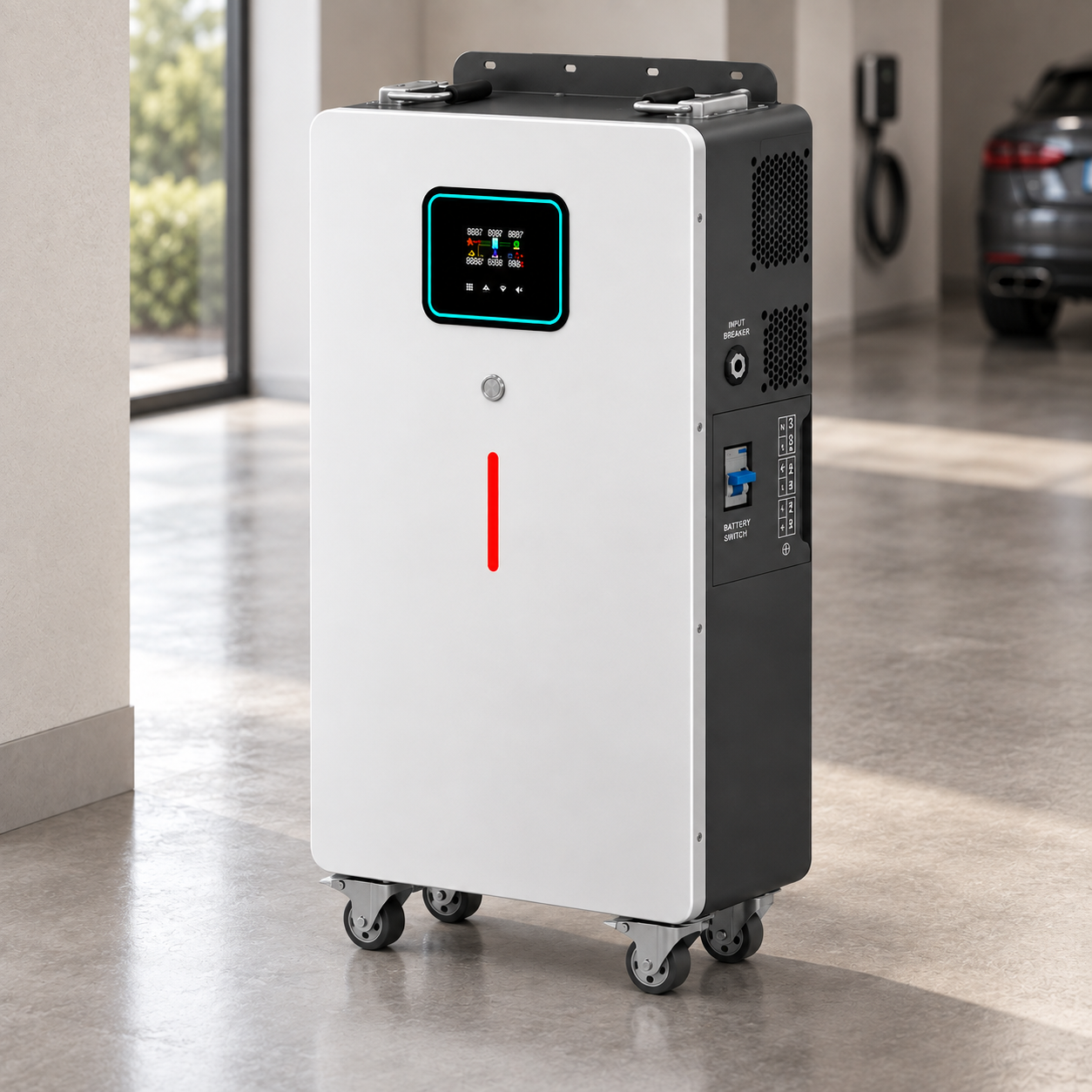
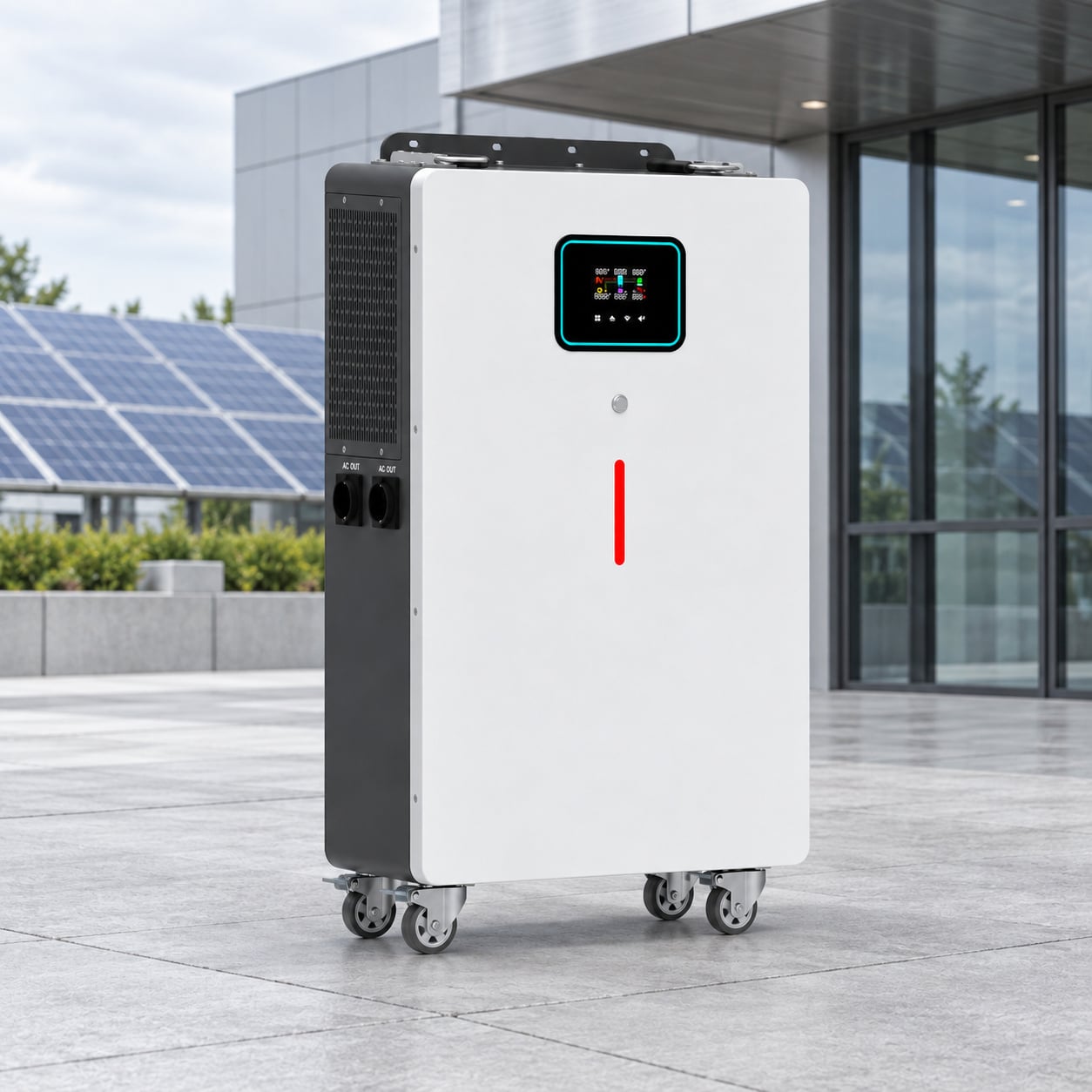
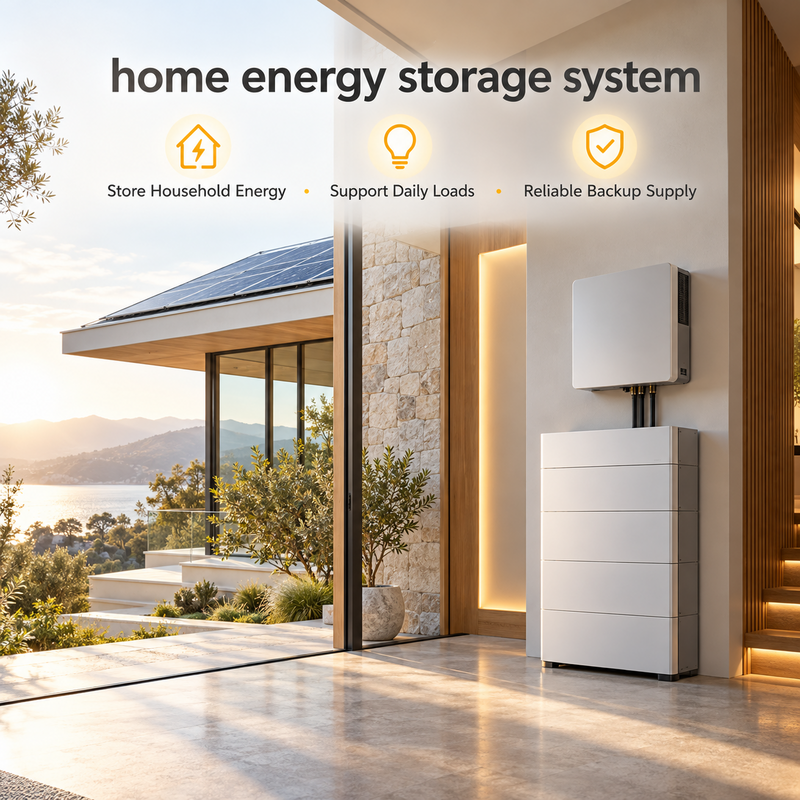
Home energy storage systems are becoming increasingly vital for homeowners looking to enhance their energy independence, particularly in regions with unreliable power supplies or high energy costs. These systems, especially those utilizing LiFePO4 (Lithium Iron Phosphate) technology, offer numerous advantages, including safety, long cycle life, and environmental sustainability. However, as a B2B buyer, you may have several concerns regarding specifications  of LiFePO4, sourcing, and potential issues with these systems. This article aims to provide practical insights into selecting the right home energy storage system, sourcing reliable home energy storage products, and understanding common challenges and solutions associated with these technologies.

Where to Source Reliable Home Energy Storage Systems Wholesale

Where to Source Reliable Home Energy Storage Systems Wholesale

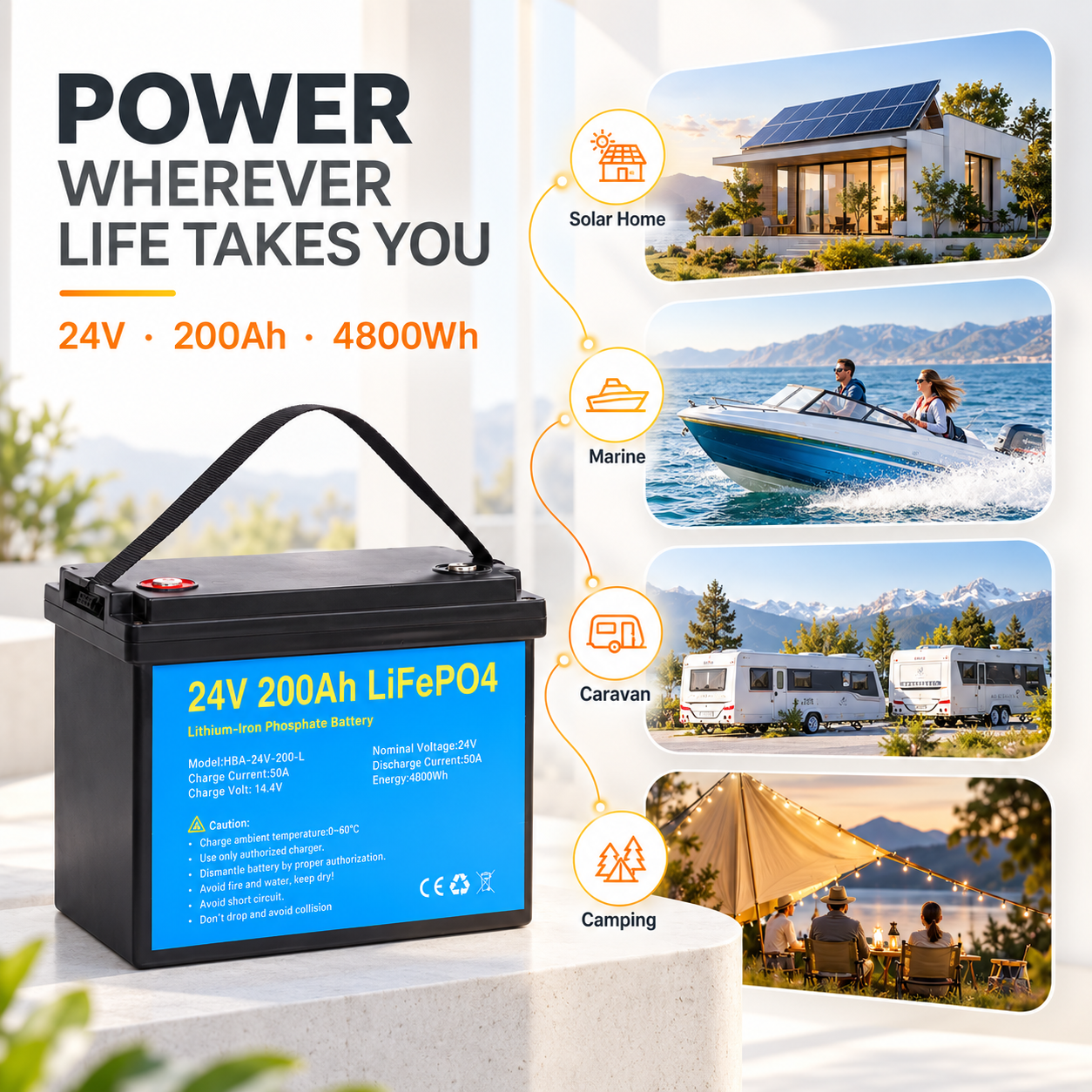
Sourcing home energy storage systems wholesale requires careful consideration of suppliers. Look for manufacturers that have a strong track record in the industry, validated by certifications such as UN38.3 and CE, which indicate compliance with safety and performance standards. It’s wise to request product samples to evaluate quality before committing to larger orders. This allows you to assess the build quality, performance under load, and compatibility with your intended applications, whether they be residential, RV, or marine. Additionally, consider suppliers that offer customization options, allowing you to tailor the systems to meet specific energy requirements or branding needs. Establishing a reliable home energy storage communication channel with suppliers is crucial. Ensure they can provide responsive customer service and technical support, as these can be invaluable when troubleshooting or needing assistance with installation.

Comparing Specifications of LiFePO4 Home Energy Storage Systems

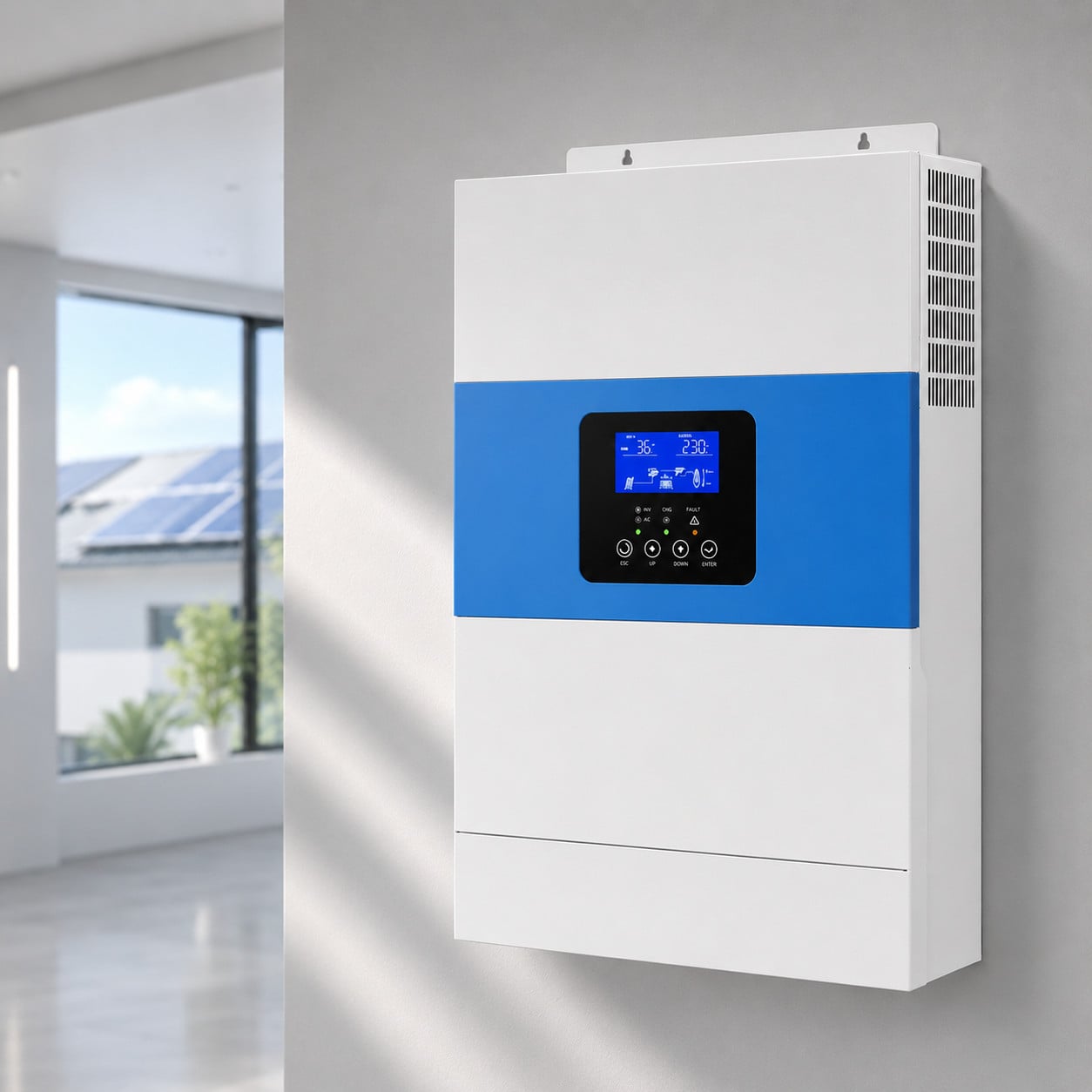
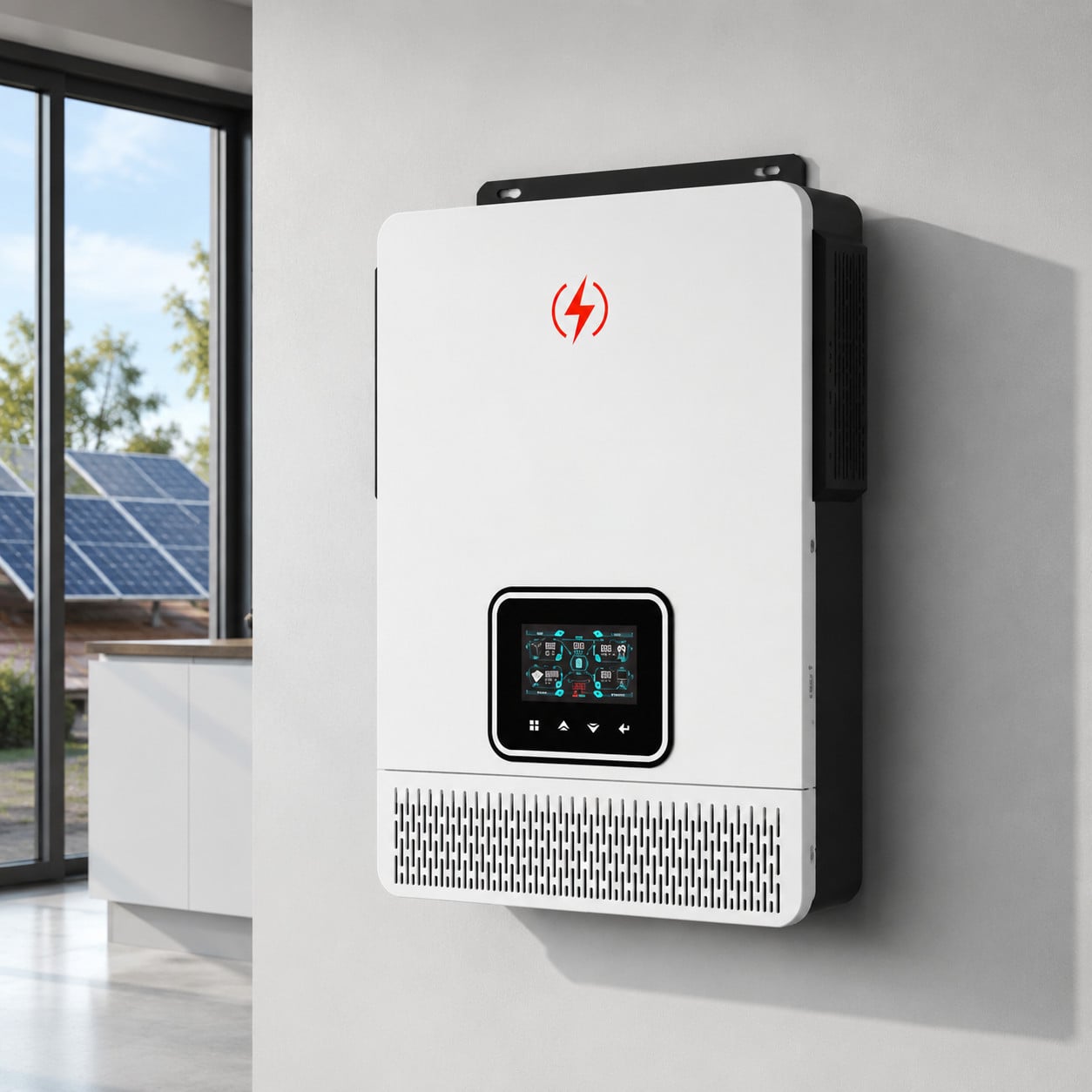
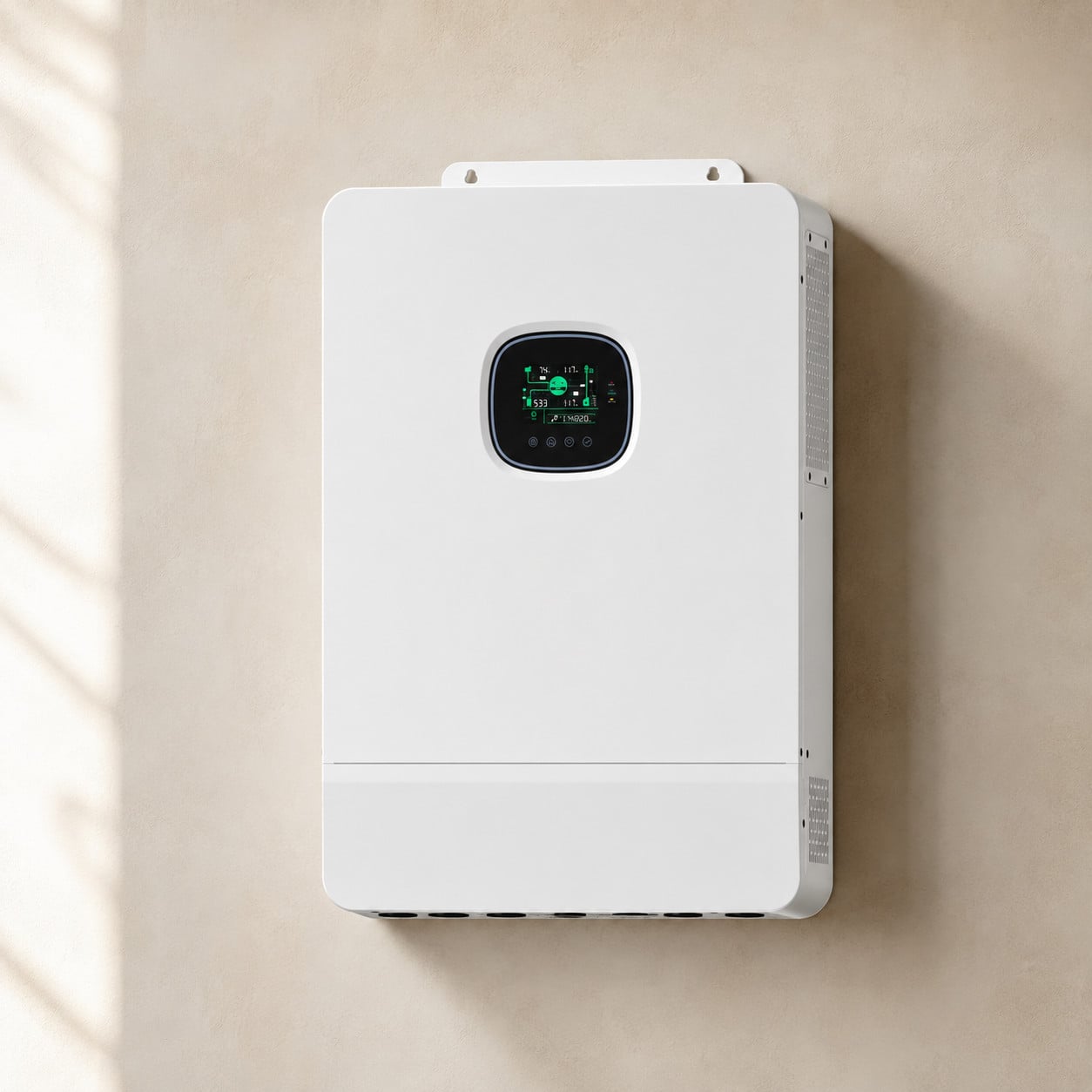
When comparing specifications of LiFePO4 technology home energy storage systems, focus on several important parameters: Depth of Discharge (DoD): A higher DoD means you can use more of the battery’s capacity without damaging it, which increases the effective storage available for use. Round-trip Efficiency: This indicates how much energy you can retrieve from the battery compared to how much you put in. A higher efficiency rating means less energy loss during charging and discharging. Operating Temperature Range: LiFePO4 technology batteries generally perform well in a variety of temperatures, but it's essential to confirm the specific range for your application, especially in extreme climates. Weight and Size: Consider the space available for installation and the weight of the system, as this can affect installation logistics and structural requirements. Warranty and Lifespan: Look for systems that offer a robust warranty, typically ranging from 5 to 10 years, which can be indicative of the manufacturer’s confidence in their product’s durability. By comparing these specifications  of LiFePO4, you can ensure that the chosen home inverter solar 5kw energy storage system meets your specific energy needs and operational conditions.

Common Problems with Home Energy Storage and Their Solutions

Like any LiFePO4  technology, home energy storage systems can face challenges. Here are some common problems and their potential solutions: Battery Degradation: Over time, batteries can lose their ability to hold charge. To mitigate this, ensure regular maintenance and monitor the charging cycles. Using a Battery Management System (BMS) can help optimize performance and prolong lifespan. Incompatibility with Existing Systems: Sometimes, newly installed storage systems may not work well with existing solar setups. Always confirm compatibility with your solar inverter before purchase. Suppliers should provide detailed specifications  of LiFePO4 for seamless integration. Temperature Sensitivity: Extreme temperatures can affect performance. Installing the system in a temperature-controlled environment can prevent overheating and freezing, which can damage the batteries. Installation Issues: Improper installation can lead to safety hazards and reduced performance. Hiring qualified professionals who understand the specific requirements for LiFePO4 technology systems is essential. By addressing these issues proactively, you can ensure the longevity and reliability of your home inverter solar 5kw energy storage system.

What to Look for in Home Energy Storage Partners

When evaluating potential partners for home energy storage systems, consider the following criteria: Reputation and Experience: Look for manufacturers with a solid background in energy storage solutions. A company like Shenzhen Yanshuosheng LiFePO4  Technology Co., Ltd., with experience in LiFePO4 technology and certifications, can be a reliable home energy storage partner. Quality Assurance Processes: Ensure that the manufacturer employs stringent quality control measures throughout the production process. This includes material selection, production techniques, and final product testing. Customization Capabilities: Your energy storage needs may vary based on specific applications or regional requirements. Choose partners that offer customization options to tailor the product to your specifications  of LiFePO4. Post-Sale Support: A strong warranty and responsive customer service are critical. Ensure that the supplier can offer technical support and assistance with troubleshooting any issues that arise after installation. Flexibility in Order Quantities: Consider suppliers that can accommodate both small and large orders without compromising on quality or lead times, ensuring they can scale with your business needs. In summary, selecting the right home energy storage system involves understanding your energy requirements, sourcing reliable home energy storage products, comparing specifications  of LiFePO4, addressing common challenges, and partnering with trustworthy manufacturers. By following these guidelines, you can make informed decisions that enhance energy management for your clients.

Choosing the Right Home Energy Storage System for Your Needs

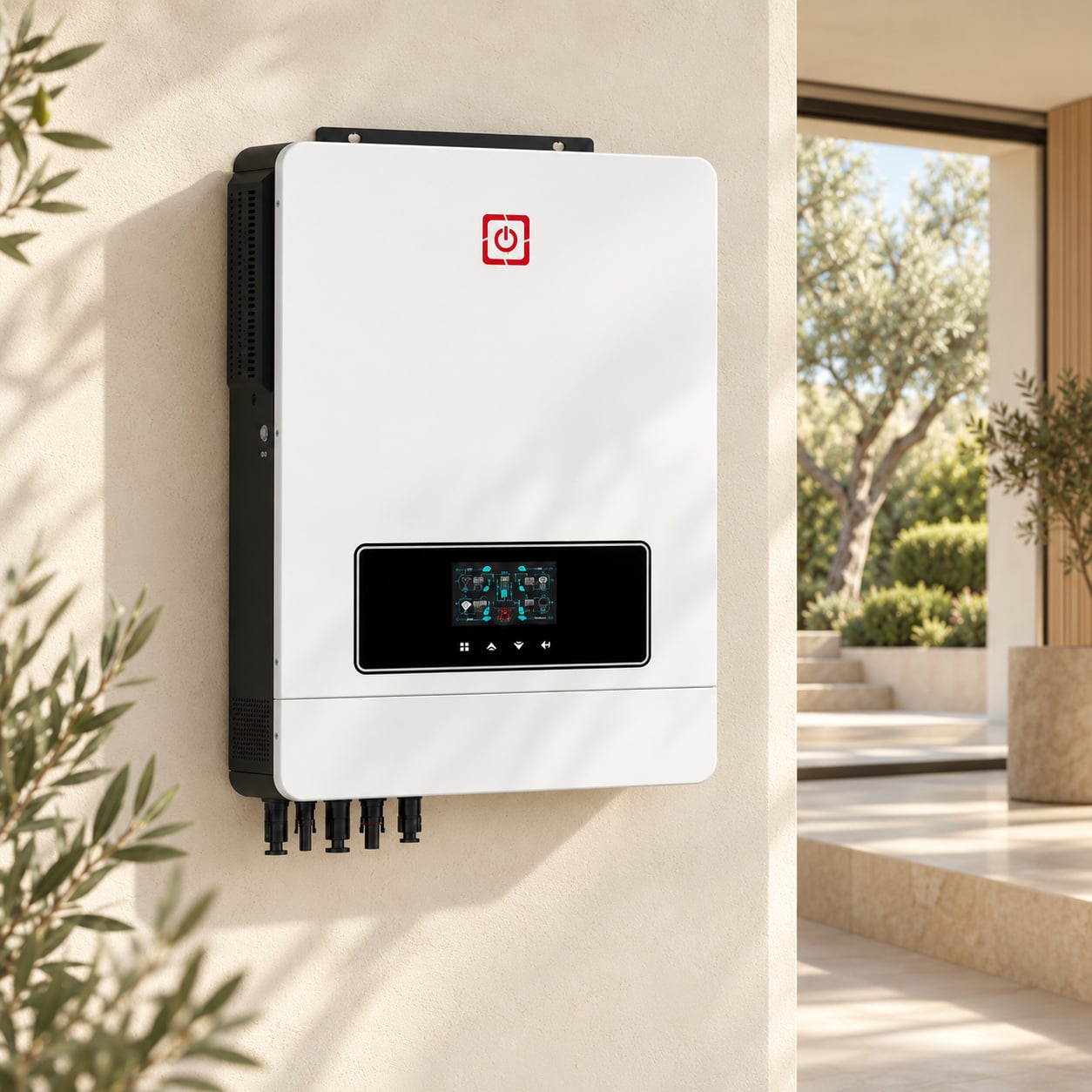
When selecting a home inverter solar 5kw energy storage system, consider the capacity and output specifications  of LiFePO4 that align with your energy consumption patterns. The capacity, measured in kilowatt-hours (kWh), indicates how much energy the system can store. For instance, a system with a capacity of 10 kWh can power a typical home for a day, depending on usage. Additionally, pay attention to the power output, which is measured in kilowatts (kW) and determines how much energy can be supplied at any given moment. Another key factor is the compatibility with existing solar systems or other renewable energy sources. Ensure that the storage system’s inverter can interface seamlessly with your energy generation equipment. Additionally, consider the system’s efficiency and cycle life—LiFePO4 technology batteries typically have a higher cycle life compared to other lithium-ion batteries, making them a more economical choice over time.

Get a Free Quote

Our representative will contact you soon.
0/1000