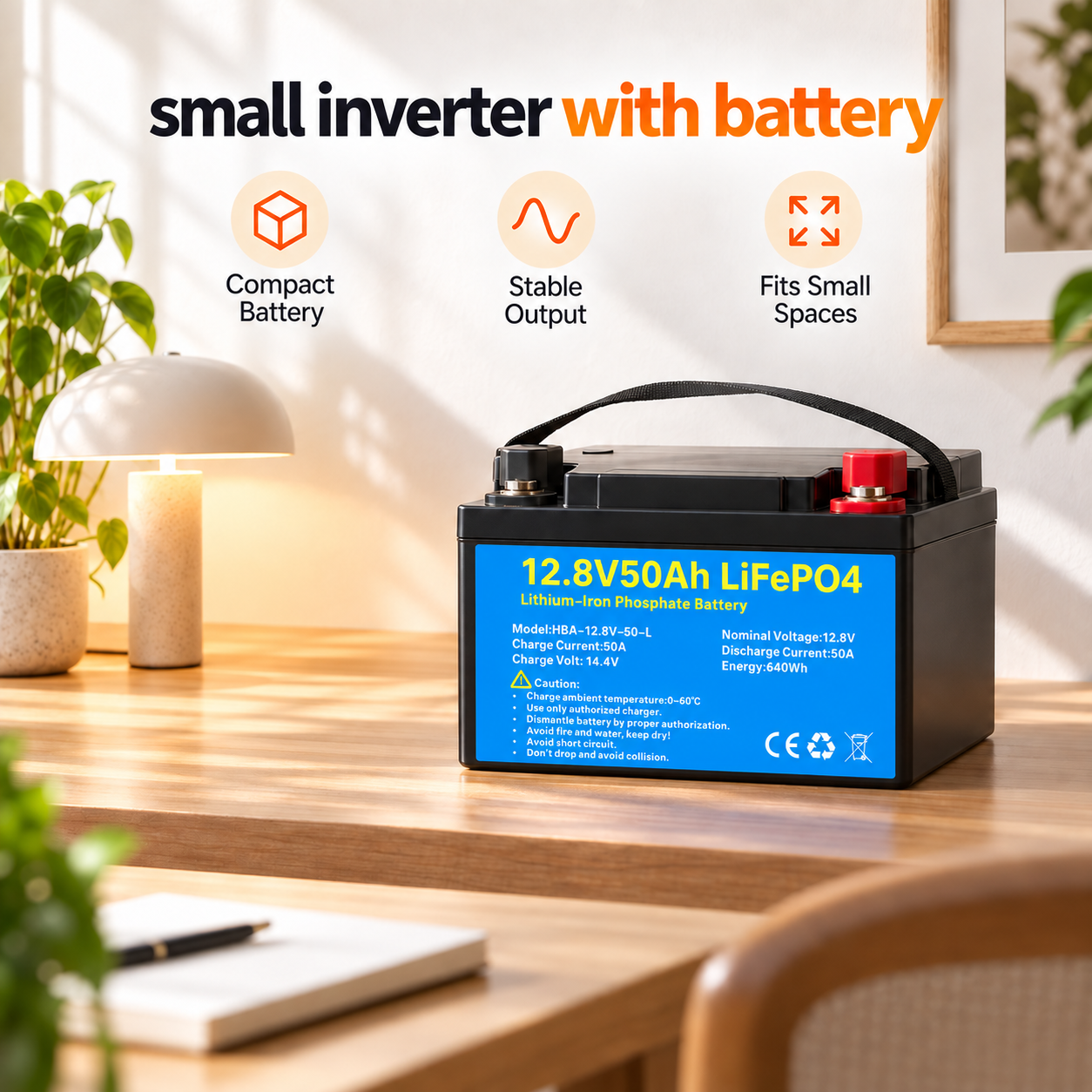
Understanding the Cost Factors of Small Inverter with Battery
The cost of a small inverter with battery can vary significantly based on several factors:
Type of Technology: Lithium-ion batteries, such as LiFePO4 used in advanced energy storage systems, tend to have a higher upfront cost but offer longer life cycles and better efficiency compared to lead-acid alternatives.
Power Rating: Higher wattage inverters typically command higher prices due to the increased materials and technology required to support greater power outputs.
Customization: If you require specific features or configurations, such as modified battery sizes or integrated monitoring systems, the cost can increase. Custom solutions often require additional engineering and design work.
Certifications: Inverters that meet stringent safety and performance standards, such as UN38.3 or CE certifications, may cost more. However, these certifications can provide assurance regarding quality and compliance, which is crucial for many applications.
Volume Discounts: Bulk purchases often yield better pricing. Buyers should consider their long-term requirements and negotiate for volume pricing if they plan to order in large quantities.
By understanding these cost factors, buyers can better evaluate potential suppliers and make informed financial decisions.
 EN