Choosing Reliable Solar Power and Battery Storage

5,000+ units ready stock, 1–5 days fast global delivery

application/solar-power-and-battery-storage, application/solar-power-and-battery-storage, 
Inquiry
Inquiry

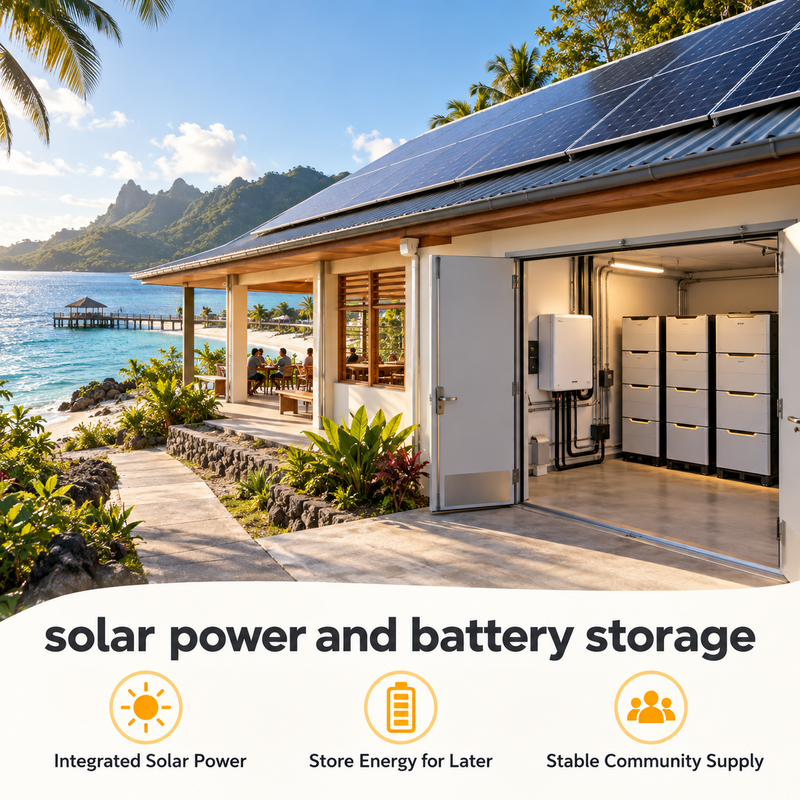
solar power and battery storage

Solar power  and battery  storage are essential components  of modern  energy systems,  especially  for businesses  looking to enhance sustainability and reduce energy costs. This  article addresses the concerns of B2B buyers  regarding product selection, quality  assurance, and supplier reliability in the  context of  LiFePO4 energy storage systems, which are  recognized  for their safety, longevity, and efficiency. We will explore key considerations  for  selecting solar  power and battery  storage solutions, common issues encountered with battery storage, applications across various industries, how to  evaluate suppliers, and  installation guidance.

Common Problems with Battery Storage and Their Effective Solutions

Common Problems with Battery Storage and Their Effective Solutions

Battery storage systems  can encounter various issues that, if  not addressed, may impact performance and reliability.  Common problems include:

Overcharging: This can lead to reduced battery life or  failure. Implementing a  Battery Management  System (BMS) helps monitor charge levels and prevent overcharging.

Temperature  Sensitivity: Lithium batteries can perform poorly in extreme temperatures. Ensure that the  installation environment is temperature-controlled or that the battery system  is designed  to withstand the local  climate conditions.

Self-Discharge: All batteries experience some  self-discharge, but excessive  rates can indicate underlying issues. Regular maintenance checks can  help identify and rectify problems early on.

Inadequate Sizing:  If the  battery system is undersized for the application, it  may lead to inadequate performance. Conduct thorough energy audits to ensure proper sizing.

By proactively addressing these common issues through proper system design and maintenance, businesses can enhance the reliability and efficiency of their battery  storage  solutions.


Applications of LiFePO4 Energy Storage in Various Industries

LiFePO4 energy  storage systems find applications across diverse sectors due to their  unique  advantages:

Residential Energy Storage: Homeowners are increasingly adopting solar panels  combined with  LiFePO4 batteries for energy  independence and savings on utility bills.

Recreational Vehicles (RVs): The lightweight and robust nature of LiFePO4 batteries makes them ideal for RV applications, providing reliable power  for appliances without compromising  vehicle weight.

Uninterruptible  Power Supply (UPS): Businesses rely  on UPS systems for  critical operations. LiFePO4 batteries offer high discharge rates and a long cycle life, ensuring continuous power  during outages.

Marine Applications: In marine  environments, the resilience and safety of  LiFePO4 batteries make them  a preferred choice for powering onboard equipment and systems.

Commercial Energy Storage: Businesses can leverage LiFePO4 systems for peak shaving and  load  shifting, reducing  energy  costs and enhancing grid  stability.

Understanding the specific needs of these applications can help businesses choose the right energy storage solutions tailored to their operational demands.

How to Evaluate Supplier Reliability for Solar Power Products

Evaluating supplier reliability is crucial when selecting a vendor for solar  power and battery storage systems. Key  considerations include:


Experience and  Reputation: Look for suppliers with a proven track  record in the industry. Research customer  reviews and case  studies to gauge their reliability.


Certifications and Compliance: Verify that the supplier’s products  meet  necessary certifications, such  as UN38.3 and CE, which indicate compliance with safety and quality standards.

Manufacturing Capabilities: Assess the supplier's production processes and technology. A  supplier  with advanced manufacturing capabilities can provide better quality control and customization options.

Customer Support: Reliable suppliers  offer strong  customer support, including technical assistance, warranty services, and maintenance options, ensuring that you have  help when needed.

Product Range and Customization: A supplier that offers a diverse range of products and customization options can better meet specific needs and provide tailored solutions.

By  focusing on these  aspects, businesses can select suppliers who are trustworthy and  capable of meeting their solar power and battery storage requirements  effectively.

Installation Guidance for Solar Power and Battery Storage Systems

Proper installation of solar power  and battery storage systems is  critical for optimal performance.  Consider the following guidelines:

Site Assessment: Before  installation,  conduct a thorough site assessment  to evaluate solar exposure, roof condition (for rooftop systems), and local regulations.

Professional Installation: Engage qualified professionals for installation to ensure compliance with safety standards and optimal  system performance.  Improper installation can lead to operational issues and safety hazards.


System Integration: Ensure that the solar power system and battery storage are compatible. The inverter, charge controller,  and battery  management system should be configured correctly to work together seamlessly.

Regular Maintenance: Schedule regular maintenance checks to ensure the system  operates efficiently. This includes inspecting connections,  monitoring battery health, and  cleaning solar  panels.

Training for End Users: Provide training for staff or end users on system operation and maintenance. Understanding how to monitor performance and troubleshoot issues can enhance the system's lifespan and  reliability.

By  following these installation guidelines, businesses can maximize the performance and reliability of their  solar power and  battery storage systems, ensuring they meet energy demands  efficiently.

How to Choose High-Quality Solar Power and Battery Storage Solutions

Selecting high-quality solar power and battery storage solutions  involves understanding the specific requirements of your  application.  Key considerations include:

Battery Chemistry: LiFePO4 batteries are  known for their thermal  stability and safety  compared  to other lithium-ion batteries. This makes  them  suitable for various applications,  including residential storage, RVs, and marine use.

Capacity and Power Rating: Assess  your energy needs based on usage patterns. The battery capacity (measured in kWh) should align with your energy  consumption and the  power output (measured in kW) should meet peak demand.

Depth of Discharge (DoD): This indicates how much energy can  be effectively used from the battery. A higher DoD can provide more usable energy, which is crucial for maximizing the efficiency of your energy storage system.

Cycle  Life: This refers to the number  of charge and discharge cycles a battery can undergo before its capacity significantly diminishes. LiFePO4 batteries typically offer a longer cycle life, making them a cost-effective option over time.

Certifications: Ensure that the products are certified under relevant standards such as UN38.3  and  CE, which demonstrate compliance with safety and performance requirements.

By carefully evaluating these factors, businesses can make informed decisions that align with  their operational needs  and sustainability goals.

Get a Free Quote

Our representative will contact you soon.
0/1000