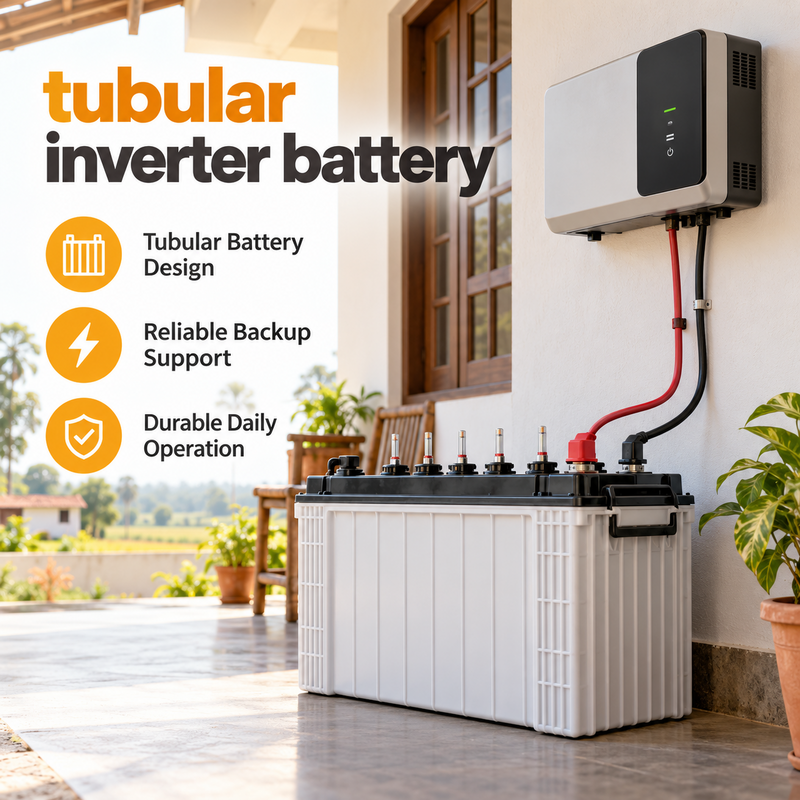
Choosing the Right Tubular Inverter Battery Supplier

5,000+ units ready stock, 1–5 days fast global delivery

application/tubular-inverter-battery, application/tubular-inverter-battery, 
Inquiry
Inquiry

tubular inverter battery

When  selecting a tubular inverter  battery for various  applications, it’s crucial to understand the  specific requirements and  performance characteristics that suit your needs. Tubular  inverter batteries  are essential  components in solar, UPS, RV, and marine  systems, providing reliable energy storage solutions.  This article  aims to guide  B2B  buyers  through  the  process of evaluating  suppliers, understanding key  specifications,  assessing  quality, and ensuring proper installation.

Key Specifications for High-Quality Tubular Inverter Batteries

Key Specifications for High-Quality Tubular Inverter Batteries

Understanding the key specifications of tubular inverter batteries is vital for selecting the right product.  Important specifications include:

Capacity (Ah): This  indicates the amount of energy the battery can store and deliver over  a specific time. It’s essential to  select a capacity that  aligns with your energy usage requirements.

Voltage (V):  Tubular batteries typically come in various voltage ratings; ensuring compatibility  with your  inverter system is crucial for optimal performance.

Cycle Life: This  refers to the  number of  charge and discharge cycles the battery can undergo before its capacity significantly degrades. A longer cycle  life translates to lower replacement costs over time.

Material  Composition: Tubular batteries utilize a unique design that enhances durability and performance. Understanding the materials used can help predict how the battery will perform under different environmental conditions.

Dimensions and Weight: Depending on your  installation space, it is essential  to consider the physical size  and weight of the battery. Ensure it fits within your  operational  parameters without compromising performance.

Evaluating these specifications ensures you select a battery  that meets both your operational  needs and budget constraints.

How to Evaluate the Quality of Tubular Inverter Batteries

Evaluating the quality  of tubular inverter batteries  involves a multi-faceted  approach. Start by examining the manufacturing process; a reputable manufacturer should provide transparency regarding their production methods,  including the sourcing of raw materials and adherence to quality standards.

Performing quality inspections  is  critical.  Request samples and conduct testing under actual operating  conditions. This will help you assess the battery's performance, including its charge/discharge rates, durability,  and thermal  management. Additionally, inquire about the warranty  and  after-sales support, as these  can serve as indicators of the manufacturer's confidence in their product quality.


Furthermore,  customer  reviews and case studies can  provide insights into the experiences of other buyers. Engaging with existing customers can also shed  light on  potential long-term performance issues or  strengths of the product.

Installation Guidance for Tubular Inverter Batteries in Different Applications

Proper installation of tubular inverter batteries  is crucial  to ensure optimal  performance and  longevity. Here are some  general guidelines tailored for different applications:

Solar Applications: When installing batteries for solar energy systems, ensure adequate ventilation to prevent overheating. Position the batteries in proximity to the inverter while  maintaining appropriate distance from heat  sources.

UPS Systems: For uninterruptible power supply  applications, ensure that  the battery is  placed in a stable environment with  regulated temperatures. Proper cabling and connections must be utilized to  minimize energy loss.

RV and Marine  Applications: In mobile  applications, secure the batteries  to prevent movement during transit. It’s  also essential to consider moisture  resistance and to install the  batteries in a location that protects them from the elements.

General Considerations: Always follow the manufacturer's recommendations for installation, including wiring configurations, and ensure that  all components are compatible. This can prevent  performance issues and enhance safety.

By adhering to these guidelines, users can maximize the efficiency and lifespan of their tubular inverter batteries.

Where to Source Reliable Tubular Inverter Batteries in Bulk

Sourcing  tubular inverter batteries in bulk requires careful consideration  of  several factors. Start by identifying reputable manufacturers who have established a track record in the industry. Suppliers with  certifications and a strong  commitment to quality assurance are preferable.

When  requesting quotes, provide detailed specifications, including capacity, voltage, and any customization needs.  This will ensure  you receive  accurate pricing and lead time estimates.

Additionally, consider the minimum order  quantity (MOQ) and production capacity  when negotiating with suppliers. Understanding these factors can help  you assess whether a manufacturer can meet your volume requirements without compromising quality.

Finally, explore trade shows and industry events where manufacturers  showcase their latest products. This provides an  excellent  opportunity for  firsthand evaluation and networking with potential suppliers.

In summary, selecting the right tubular  inverter battery  involves careful consideration of specifications, supplier capabilities, and installation practices. By following this  guide, B2B buyers can make informed decisions that align with their operational needs and budget constraints.


What to Consider When Choosing a Tubular Inverter Battery Supplier

When selecting a supplier for tubular inverter batteries, several factors should  be evaluated to ensure that you partner with  a reliable manufacturer. First, consider  the  supplier's certifications, such as UN38.3 and CE, which indicate adherence to safety and performance standards. This is particularly important for batteries used in critical  applications.


Next, examine the supplier's manufacturing capabilities, including their production equipment  and quality control  processes. A supplier that  employs advanced technologies and rigorous testing protocols is likely to provide higher-quality products. Additionally, inquire about their experience in the industry and their  ability  to meet specific customization requests,  as this can  significantly affect the performance of  the  batteries in your application.

Finally,  assess the supplier's export experience,  especially if you operate in multiple countries. A supplier with  a  robust global presence can offer insights into various regulatory requirements and  market needs, which is essential for seamless operations.

Get a Free Quote

Our representative will contact you soon.
0/1000