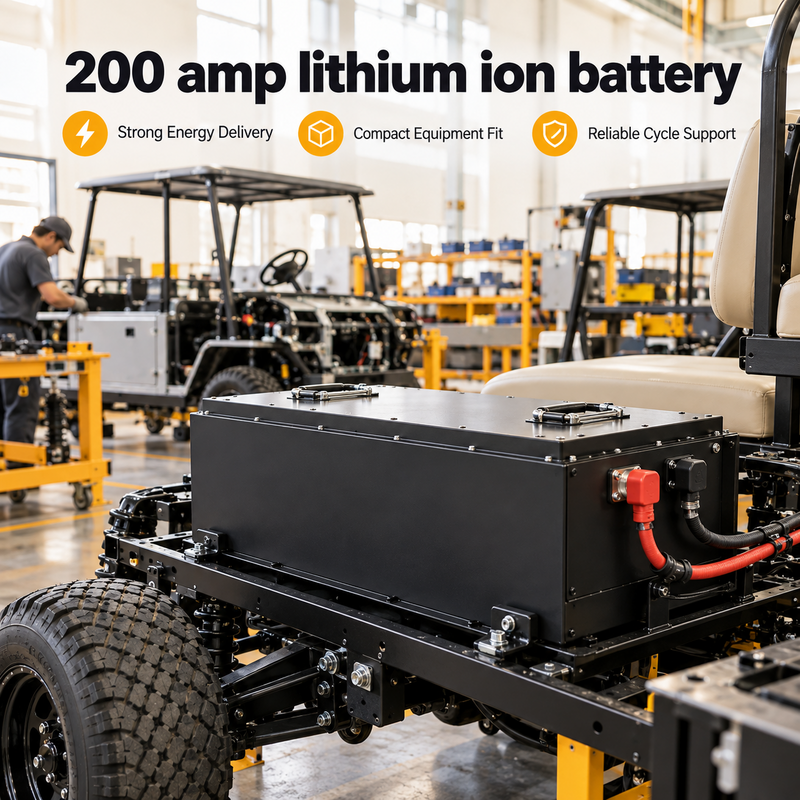
200 Amp Lithium Ion Batteries for Reliable Performance

5,000+ units ready stock, 1–5 days fast global delivery

application/200-amp-lithium-ion-battery, application/200-amp-lithium-ion-battery, 
Inquiry
Inquiry

200 amp lithium ion battery

When  sourcing  and evaluating 200 amp lithium ion batteries,  B2B  buyers must navigate a range of considerations including quality, compatibility,  and supplier reliability. These batteries, known  for  their  efficiency and longevity,  are  essential for various  applications such as solar energy storage, RVs, UPS systems,  and marine use. This article provides insights into the key factors  to consider  when sourcing  these  batteries,  helping purchasing managers, distributors, and  engineers make  informed decisions.

 
How to Evaluate the Quality of 200 Amp Lithium Ion Batteries

How to Evaluate the Quality of 200 Amp Lithium Ion Batteries

Evaluating the  quality of 200 amp lithium ion batteries  is critical to ensure  reliability and performance. Here are practical steps to conduct a thorough assessment:

Sample  Testing: Always request samples before placing  a bulk order. This allows  you to test the batteries under actual operational conditions. Monitor performance metrics such as discharge rates,  charge cycles, and temperature stability.

Quality Control Processes:  Inquire about the manufacturer's quality control processes.  A  reputable manufacturer should have standardized testing protocols in place, including inspection at various production stages and final product  testing.

Manufacturer Reputation:  Research  the supplier’s history and feedback from previous customers. Assess  their experience in producing  lithium  ion batteries, especially those with similar specifications to your needs.


Technical Documentation: Review available technical documentation, including data sheets and performance reports. This  information should clearly outline the battery's capabilities and limitations.


Warranty and Support: Check the warranty offered on the batteries. A robust warranty signifies confidence in product quality and  indicates that the manufacturer is willing to support customers in case of defects.

By implementing these evaluation methods, buyers can reduce risks associated with battery performance and reliability.

Where to Find Reliable Suppliers for 200 Amp Lithium Ion Batteries

Finding reputable suppliers for  200 amp lithium ion batteries requires strategic research and networking.  Consider the following sources:

Industry  Trade Shows: Attending manufacturing and technology trade shows  can provide direct access to manufacturers and suppliers. This offers opportunities  to establish relationships and view  products firsthand.

Online Marketplaces: Utilize  B2B marketplaces such  as Alibaba, ThomasNet,  or Global Sources to identify potential suppliers.  Ensure to check ratings  and  reviews to  gauge reliability.

Professional Networks: Leverage industry contacts and  professional networks. Recommendations from colleagues or industry peers can  lead to trustworthy suppliers.

Manufacturer Directories: Reference directories specific to  the battery manufacturing  industry.  These directories often list manufacturers by specialization, allowing for targeted searches.

Certifications and Memberships: Seek suppliers who hold industry certifications or are members of recognized associations. Membership in such organizations often signifies adherence to high standards and practices.

By exploring these avenues, buyers can effectively identify and engage with  reliable suppliers who  meet their specific battery needs.

Common Installation Problems with 200 Amp Lithium Ion Batteries and Solutions

Installation of 200 amp lithium ion batteries can present  challenges. Understanding  common  issues and their solutions can streamline the process:

Incompatibility with Existing Systems: One frequent issue arises when batteries are not compatible  with existing systems. To avoid this, assess the voltage and  current requirements of your application before installation. Consult with the supplier for guidance  on compatibility.

Improper Wiring: Incorrect wiring can lead to performance issues or  even safety  hazards. Always refer to the manufacturer's  installation guidelines.  Using color-coded wires  and clear  labeling can help prevent mistakes.

Ventilation Needs: Lithium ion batteries generate heat during  operation. Ensure adequate ventilation in the installation area to prevent overheating. Consider  incorporating a cooling solution if the batteries will be used in high-temperature environments.

Battery Management Systems (BMS): Failure to properly integrate the BMS can lead to inefficient battery use.  Ensure that  the BMS is correctly programmed to monitor charge levels and protect against overcharging or deep discharging.

Physical Space Constraints: Limited installation space can  complicate battery placement. Prior to installation, create  a detailed layout plan that considers the battery size and any additional components required for connection.

By  being aware of  these common problems and their corresponding solutions, buyers can enhance the efficiency and safety of their battery installations.

Features and Benefits Explained

Understanding the features and benefits of 200 amp lithium ion batteries can empower buyers to  make informed decisions. Key features include:

Long  Lifespan:  LiFePO4 batteries typically offer a longer lifespan compared to traditional lead-acid  batteries, often  exceeding 2,000 cycles. This longevity translates to reduced replacement costs over time.

Safety: Unlike other  lithium chemistries, LiFePO4 batteries have a lower risk of thermal runaway,  making them a safer choice for  various  applications.

Rapid Charging: These batteries can be charged quickly, allowing for reduced downtime and improved operational efficiency.

Lightweight Design: Lithium ion batteries are significantly lighter  than lead-acid batteries,  making them easier to install and transport. This  is particularly advantageous in  applications  like RVs and marine.

Environmental Benefits: Lithium ion batteries are more environmentally friendly  due to their longer lifespan and lower toxic material content. This  can enhance  a company's sustainability profile.

By recognizing these features and benefits, B2B buyers can better assess how 200 amp lithium ion batteries  align  with their operational  goals and environmental considerations.

What to Consider When Sourcing 200 Amp Lithium Ion Batteries Wholesale

Sourcing 200 amp  lithium ion batteries wholesale involves evaluating multiple factors to ensure that the products meet your specific requirements. Key considerations include:

Specifications: Confirm technical specifications such as voltage, capacity,  and dimensions. The  200 amp rating indicates the maximum continuous  current the battery can provide, which is crucial for  applications requiring high power.

Material Composition: Look for batteries that utilize LiFePO4 (Lithium Iron  Phosphate)  technology, which offers improved thermal stability and safety compared to other lithium ion chemistries. Understanding  the materials used will  help assess performance and longevity.

Certifications: Verify that  the  batteries have necessary certifications such as UN38.3 and CE. These certifications indicate compliance with safety and transportation standards, which is essential for international shipping and usage.

Customization Options: Determine if the supplier offers customization capabilities to meet specific application needs, such as pack configuration or integrated Battery Management  Systems (BMS).

Minimum Order Quantities (MOQ): Assess the MOQ, as  this can significantly impact your purchasing strategy. Suppliers  may have different MOQs based on battery types  or configurations.

By addressing these considerations, buyers can better  align their  sourcing  strategy with  their operational needs and  ensure the batteries will perform as expected.

Get a Free Quote

Our representative will contact you soon.
0/1000