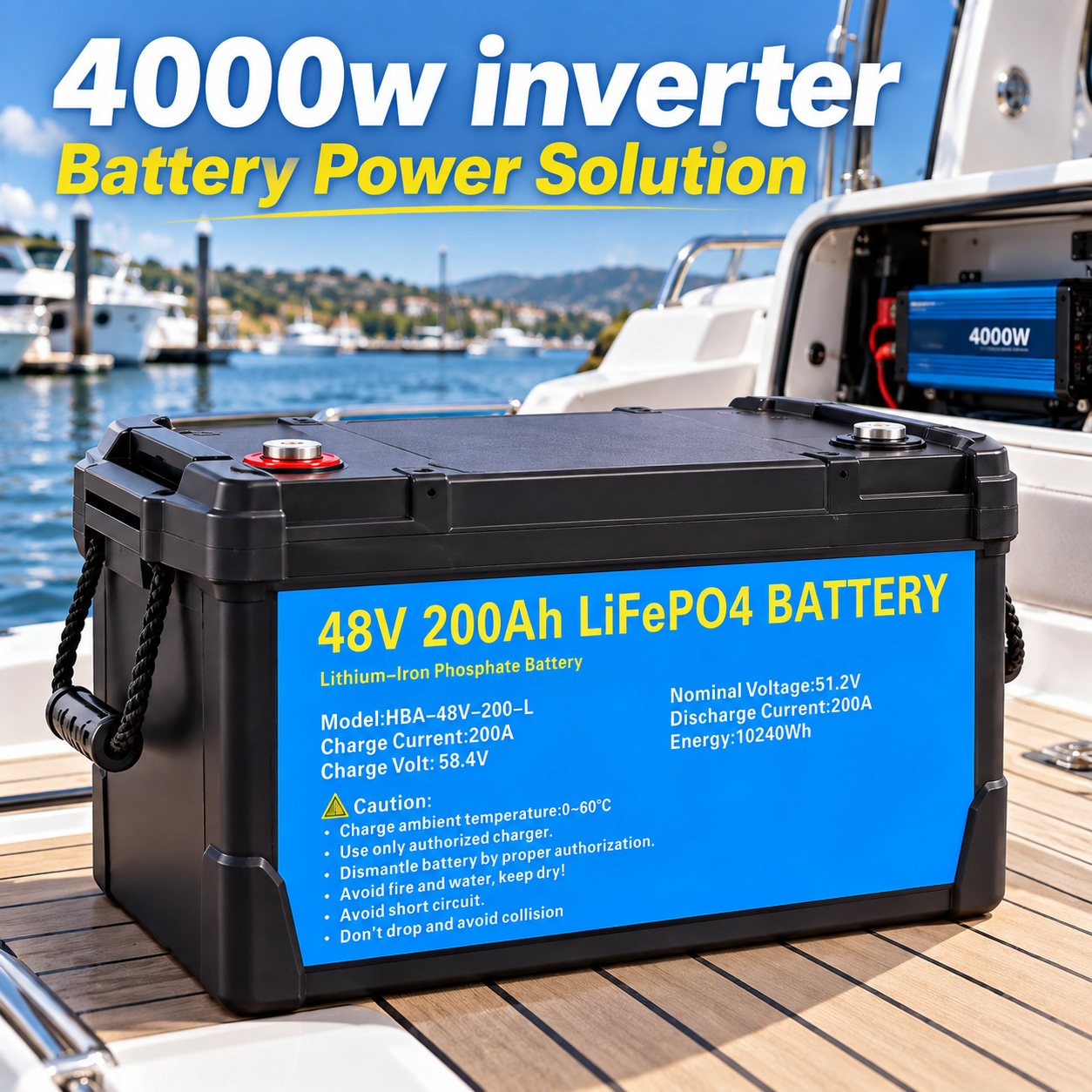
Key Insights on 4000W Inverter for Bulk Orders

5,000+ units ready stock, 1–5 days fast global delivery

application/4000-w-inverter, application/4000-w-inverter, 
Inquiry
Inquiry

4000 w inverter

The  4000W inverter is a crucial  component  in energy management systems, particularly for applications like solar  energy  storage, RV power supply,  and marine uses. As a purchasing  manager or distributor, understanding  the  specifications, quality, installation guidelines, and common issues associated with 4000W inverters will help you make informed decisions. This  article  will  provide  practical insights  into these aspects, guiding you through the purchasing  process  and ensuring you select  the  right  product for your  needs.

Evaluating the Quality of 4000W Inverters for Bulk Orders

Evaluating the Quality of 4000W Inverters for Bulk Orders

When considering bulk purchases of 4000W inverters, quality assurance is paramount. Here are essential aspects to evaluate:

Certifications: Check for certifications  such as UN38.3 and  CE, which indicate  compliance  with international safety standards. These certifications  assure you that the inverters meet recognized quality and safety benchmarks.

Manufacturing Processes: Investigate the manufacturing capabilities  of the supplier. Advanced manufacturing  techniques and quality  control systems, such as ISO certifications, often correlate with higher product quality.

Material  Quality: Inverters should  be constructed using durable materials  that can withstand various environmental conditions. For  example, corrosion-resistant casings are vital for  marine applications.


Testing Procedures: Ensure the manufacturer conducts rigorous testing, including thermal, performance, and safety tests,  on their products. Understanding their testing protocols can provide  insights into the reliability of the inverters.

Customer Feedback:  Seek testimonials or reviews from other businesses that have purchased from the supplier. Consistent positive feedback can be a strong indicator  of product reliability.

By focusing on these quality indicators, you  can mitigate risks associated with bulk orders  and ensure a dependable supply chain.

Installation Guidelines for 4000W Inverters in Various Applications

Proper  installation of a 4000W inverter is critical for its performance and safety. Here are some guidelines tailored for different applications:

Solar Applications: 

Ensure the inverter  is installed close to the battery bank to minimize voltage  drop. Use appropriately rated cables to handle the current and avoid overheating. Install fuses or  circuit breakers between  the batteries and the inverter for added protection. Consider using a Compact All-in-One Energy Storage System for improved integration in solar setups.

RV  Applications: 

Mount the inverter in a well-ventilated area to prevent overheating. Use a robust mounting system to minimize movement during  travel. Connect the inverter to the RV’s electrical system  following the manufacturer's wiring  diagram to  ensure compatibility.

Marine Applications: 

Choose a  waterproof or marine-rated inverter to protect against moisture  and saltwater exposure. Install the inverter  in a dry, ventilated area, avoiding engine compartments where heat can  build up. Ensure all connections are secure and use corrosion-resistant connectors.

UPS Applications: 

Position the inverter in a temperature-controlled environment to maintain efficiency. Connect the inverter  to the load  through a  transfer switch to ensure seamless power supply during outages. Regularly test  the system to verify operational readiness.

Following these installation  guidelines can help maximize the efficiency and lifespan of your 4000W inverter.

Common Problems with 4000W Inverters and Their Solutions

Even the  best 4000W inverters can encounter issues. Here are common problems and potential  solutions:

Overheating: If  the inverter frequently overheats, it may be due  to insufficient ventilation or overload. Ensure  it is installed in  a well-ventilated area and  verify that the load does not exceed its capacity.

Low Output Voltage: This can occur if the battery voltage  is low or if there are wiring issues. Check  the battery charge  and inspect all connections  to ensure they are secure and  correctly configured.

Inverter Not Turning On:  This  may be caused by a blown fuse or a fault in the input voltage. Check the fuses and confirm that the input voltage is within  the specified range.

Interference with Electronics: If sensitive electronics experience issues, consider using a  pure sine wave inverter. Alternatively, check for grounding issues  or  interference from other devices.

Frequent Shutdowns: This  can occur if the inverter is overloaded or if there are internal faults. Reduce the load and consult with the manufacturer if the problem persists.

Addressing these common problems promptly  can help maintain the performance and reliability of your 4000W inverter.

Understanding the 4000W Inverter Benefits

Investing in a 4000W inverter offers several benefits that can enhance  your energy management  solutions:

Versatility: With its ability to power various devices, a 4000W  inverter is suitable for applications ranging from residential solar systems to RVs and marine environments.

Energy Efficiency: High-efficiency ratings ensure that more energy from  your batteries is converted  into usable power, minimizing waste and maximizing  performance.

Cost Savings: By utilizing  renewable  energy sources, you can  significantly reduce  operational costs over time. A 4000W inverter allows you to harness solar energy effectively,  leading to long-term  savings. Consider pairing it with a High Performance 50Ah LiFePO4 Lithium Ion Battery Pack for optimal results.

Reliability: Quality inverters are designed for durability, often with protective features that extend their  lifespan and maintain  consistent performance.

Scalability:  Many  systems can be expanded with  additional inverters or battery capacity, allowing you to scale your energy solutions according to your needs.

By understanding  these benefits, you can make a more  informed decision  about integrating a 4000W inverter into your energy management strategy.

Key Specifications to Consider in a 4000W Inverter Purchase

When selecting a 4000W inverter, several specifications  are essential to  ensure optimal performance. Key factors include:

Output Waveform: Look for pure sine wave inverters, as they provide  the cleanest power, essential for sensitive electronics. Modified sine wave inverters may suffice for simpler devices but can cause  issues with more complex appliances.

Efficiency Rating: The efficiency of  an inverter affects how much electricity  is wasted during the conversion  from DC to AC. A  higher  efficiency rating (typically above 90%) indicates less energy loss, which translates to better performance, especially in solar applications. Investing in a Energy Storage Systems can further enhance this efficiency.

Peak  Power Rating:  This specification is crucial when devices require more power to start than to run  continuously. Ensure the inverter can handle the initial surge of power from appliances like refrigerators or air conditioners.

Input Voltage Range: Match the inverter's  input  voltage with  your battery  system. Common input voltages are 12V or 24V, depending on the application.


Cooling System: Effective cooling mechanisms, such as fans or heat  sinks, prevent overheating during operation. This is particularly important in  high-demand situations or extended use.

Safety Features: Look for inverters equipped with protections against over-voltage, under-voltage, short-circuit, and overload. These features enhance reliability and longevity.

Confirm these specifications based  on your intended application, as different environments may necessitate unique requirements.

Get a Free Quote

Our representative will contact you soon.
0/1000