Guide to 48V 20Ah Li-Ion Battery Selection

5,000+ units ready stock, 1–5 days fast global delivery

application/48v-20ah-li-ion-battery, application/48v-20ah-li-ion-battery, 
Inquiry
Inquiry

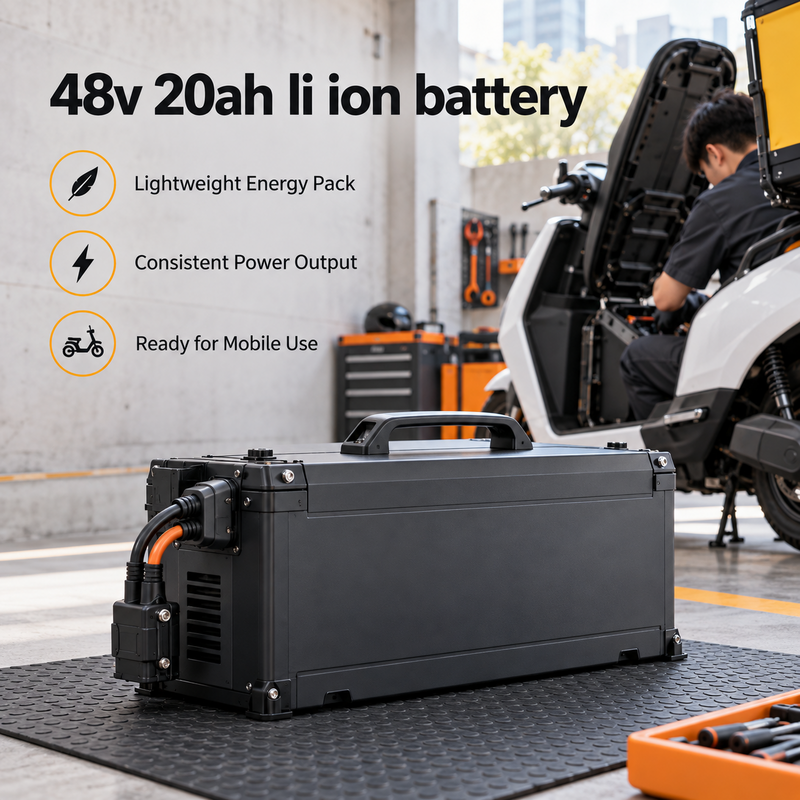
48v 20ah li ion battery

48V 20Ah Li-Ion batteries are essential components for various applications,  including solar  energy systems,  recreational  vehicles (RVs), uninterruptible power  supplies (UPS), and marine systems. As  a purchasing manager or  product manager, understanding how  to  choose the  right battery can significantly  impact  the efficiency and reliability  of your projects. This article will  provide a comprehensive guide to  selecting, evaluating, and sourcing 48V 20Ah  Li-Ion batteries, addressing  key  specifications  and factors that influence quality and  cost.

Key Specifications of 48V 20Ah Li-Ion Batteries You Should Know

Key Specifications of 48V 20Ah Li-Ion Batteries You Should Know

Understanding the key specifications of 48V 20Ah Li-Ion batteries is crucial for making an informed purchasing  decision. Here are the primary  specifications to consider:

Voltage and Capacity: The nominal voltage of  48V is  standard for many  applications, while the 20Ah capacity indicates the  energy storage capability. This  specification directly affects the  runtime of your devices.

Cycle Life: This refers to the number of complete charge  and discharge cycles the battery can undergo before its capacity significantly diminishes. Look  for batteries with a cycle life of at least 2000 cycles for optimal longevity.

Charge Rate: The charge rate indicates how quickly the  battery can be recharged.  A higher  charge rate can minimize downtime, which is  particularly  beneficial in commercial applications.

Discharge Rate:  This is crucial for applications requiring high bursts of power. Ensure the battery can handle the peak current  demand  of your devices without compromising performance.

Battery Management System (BMS): A BMS is essential for monitoring the battery’s health, managing charging cycles, and ensuring safety. Verify that the battery includes a reliable BMS to prevent overcharging, overheating, and short-circuiting.

Certifications: Look for batteries with certifications such as UN38.3 and CE, which indicate compliance with international safety and performance standards. These certifications are particularly important for applications in diverse geographical regions.


By understanding these  specifications, you can assess the suitability of a battery for your particular needs.

Evaluating the Quality of 48V 20Ah Li-Ion Batteries for Projects

Quality evaluation is critical in the procurement  process of 48V 20Ah Li-Ion batteries. Here are practical steps to help  you  assess quality:

Supplier Reputation: Research potential suppliers. Look for established manufacturers, like Shenzhen Yanshuosheng Technology Co., Ltd., known  for  their expertise in LiFePO4  energy storage systems and their certifications. Customer reviews and feedback can provide insights into reliability and service.

Sample  Testing:  Always request samples before placing a bulk order. Testing  samples under actual operating conditions can  reveal performance issues that may  not be evident from specifications alone.

Quality Control Processes: Inquire  about the manufacturer's  quality control measures. A robust quality assurance program, including inspections at various  production stages, is critical for ensuring battery reliability.

Warranty and Support: Evaluate the warranty terms offered by the  manufacturer.  A longer warranty period often indicates confidence in product  quality. Ensure that the supplier provides  technical support for troubleshooting and maintenance.

Comparative Analysis: If possible, compare multiple battery options based on performance metrics, pricing, and supplier capabilities.  This approach can help identify the best  value for your investment.

By following these evaluation steps, you can make informed decisions that enhance project outcomes.

Where to Source Reliable 48V 20Ah Li-Ion Batteries in Bulk

When sourcing 48V 20Ah  Li-Ion  batteries, consider various channels to find reliable suppliers:

Direct Manufacturers: Purchasing directly  from manufacturers like Shenzhen Yanshuosheng Technology Co., Ltd. can provide cost benefits and better control over customization.  Manufacturers often offer bulk pricing and can accommodate specific requests.

Distributors and Wholesalers: Established distributors  may carry a range of products from different manufacturers.  This can  provide options for comparison, but ensure  they have a good reputation for reliability and service.

Online Marketplaces: Platforms like Alibaba or  industry-specific marketplaces  can connect you with multiple suppliers.  However, due diligence is essential; verify the  supplier’s credentials and request samples before committing to large orders.

Trade Shows and Industry Events: Attending trade shows can allow  you to meet manufacturers  and distributors in person, assess their products, and establish relationships.  This can be  especially valuable for longer-term partnerships.

Industry Recommendations: Network with industry peers to get  recommendations for reliable suppliers.  Personal experiences can provide insights into supplier performance and product quality.

By exploring these sourcing avenues, you can ensure that you find a  reliable supplier for your battery needs.


Cost Factors to Consider When Purchasing 48V 20Ah Li-Ion Batteries

Understanding the cost factors involved in purchasing 48V 20Ah  Li-Ion batteries is essential for budgeting. Here are  key considerations:

Unit Price:  The initial cost per  unit can vary significantly based on  the supplier, battery specifications, and purchasing volume. Request quotes  from multiple suppliers to compare pricing.

Customizations: If you require specific features or configurations, be aware that customizations can  increase the unit price. Discuss these needs upfront to get accurate quotes.

Shipping Costs: Factor in shipping expenses, especially for bulk orders. Shipping costs can vary based on the distance, shipping method, and weight of the order.

Import  Duties and  Taxes: If  sourcing  internationally, consider  potential import  duties and taxes, which can significantly impact overall  costs. Research local regulations to  avoid unexpected expenses.

Warranty and Support Costs: A longer  warranty may come with a higher upfront cost  but can save money on replacements or  repairs in the long run. Evaluate the total cost of ownership, including potential maintenance and support.

Payment Terms: Discuss payment terms with suppliers. Some may offer discounts for  upfront payments or longer payment periods, which can influence your cash  flow.

By considering these cost factors, you can make more informed financial decisions when purchasing 48V 20Ah Li-Ion batteries.

How to Choose the Right 48V 20Ah Li-Ion Battery for Your Needs

Selecting the appropriate  48V 20Ah Li-Ion  battery begins  with assessing your specific application requirements. Consider the following factors:

Application  Type: Determine if the battery will be used in a solar system, RV, UPS, or marine application. Each application  may have different energy  demands and environmental conditions.

Energy  Requirements: Calculate  the total energy consumption of your devices to ensure  the  battery capacity matches your needs. The 20Ah capacity indicates the battery can deliver 48V at 20A for one  hour or a proportionate amount for a longer duration.

Depth of Discharge (DoD): Understand how deeply you can discharge the battery without affecting its lifespan. For Li-Ion batteries, a typical DoD is around 80-90%, which allows for  more usable energy compared to lead-acid alternatives.

Temperature Range: Ensure the battery can operate effectively within the temperature range of your application.  Extreme temperatures can affect performance and lifespan.


Weight  and Size: Evaluate the physical dimensions and weight of the battery, especially for  portable applications like RVs or marine systems, where space and weight are critical.

By aligning these factors  with your operational requirements, you  can confidently choose a battery that meets your  performance  criteria.

Get a Free Quote

Our representative will contact you soon.
0/1000