Understanding the Quality Control Process for Lithium Battery Manufacturing
Quality control is pivotal in lithium battery manufacturing to ensure safety and performance. Here are the typical stages of quality control that a reputable manufacturer, such as Shenzhen Yanshuosheng Technology Co., Ltd., would implement:
Raw Material Inspection: Quality begins with the selection of materials. Manufacturers should conduct thorough inspections of incoming materials, including lithium compounds and battery cells, to verify their quality and compliance with specifications.
Production Monitoring: During manufacturing, process parameters such as temperature and humidity should be monitored continuously. Automated systems may be used to minimize human error and ensure consistency.
Testing Procedures: Finished batteries should undergo rigorous testing, including performance tests (capacity, discharge rate), safety tests (short-circuit, overcharge), and environmental tests (temperature cycling). These tests ensure the battery can perform safely and effectively in real-world conditions.
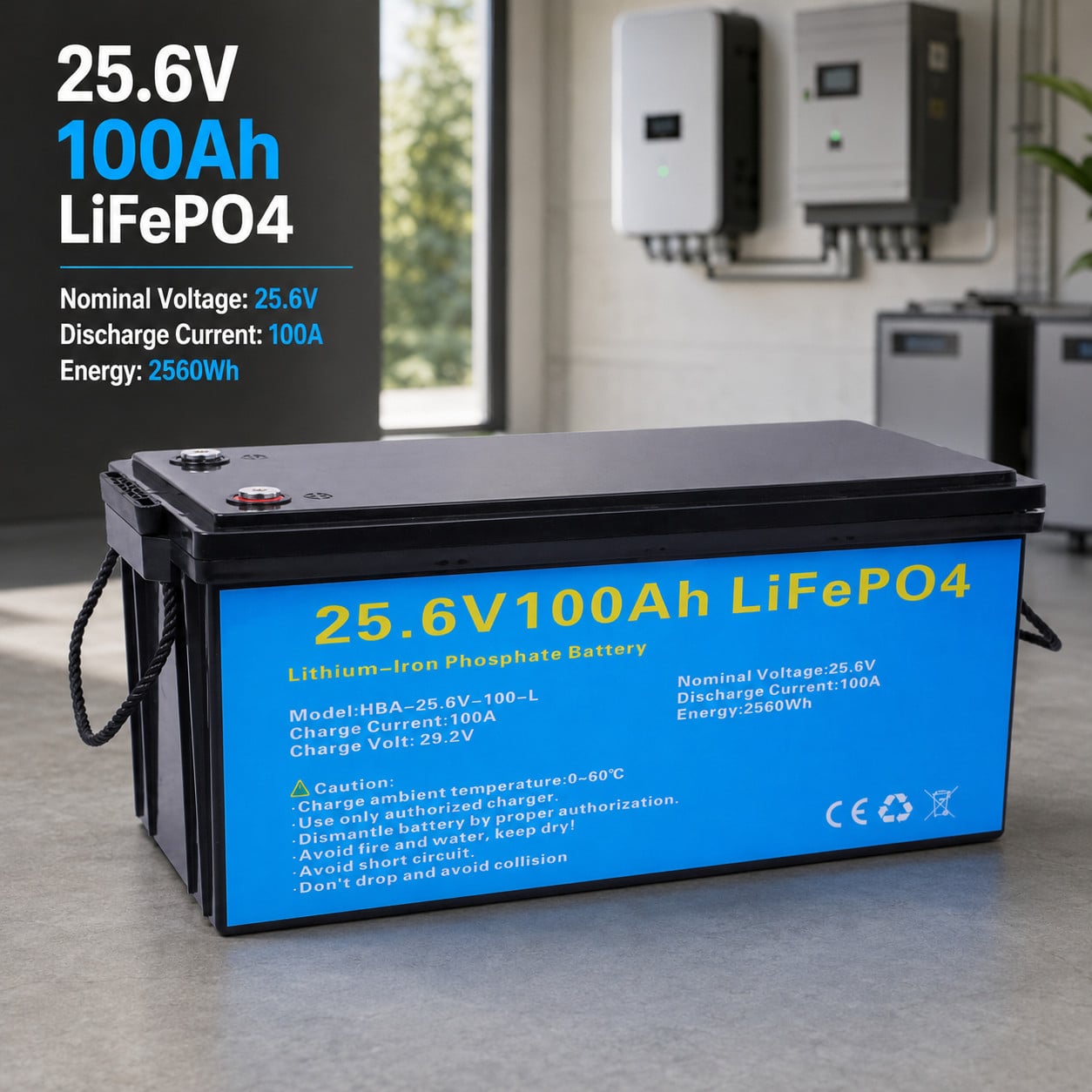
Final Inspection: Before shipping, a final inspection should ensure that each battery meets the required specifications. This includes checking for physical defects, verifying labels and certifications, and conducting electrical tests.
Documentation: Proper documentation of quality control processes and test results is essential. This documentation provides transparency and can be critical during audits or if issues arise post-sale.
By understanding these quality control measures, buyers can feel more confident in the reliability and safety of the lithium batteries they purchase.
 EN