Battery Charger for 48 Volt Golf Carts

5,000+ units ready stock, 1–5 days fast global delivery

application/battery-charger-for-48-volt-golf-cart, application/battery-charger-for-48-volt-golf-cart, 
Inquiry
application/battery-charger-for-48-volt-golf-cart, application/battery-charger-for-48-volt-golf-cart, 
Inquiry

battery charger for 48 volt golf cart

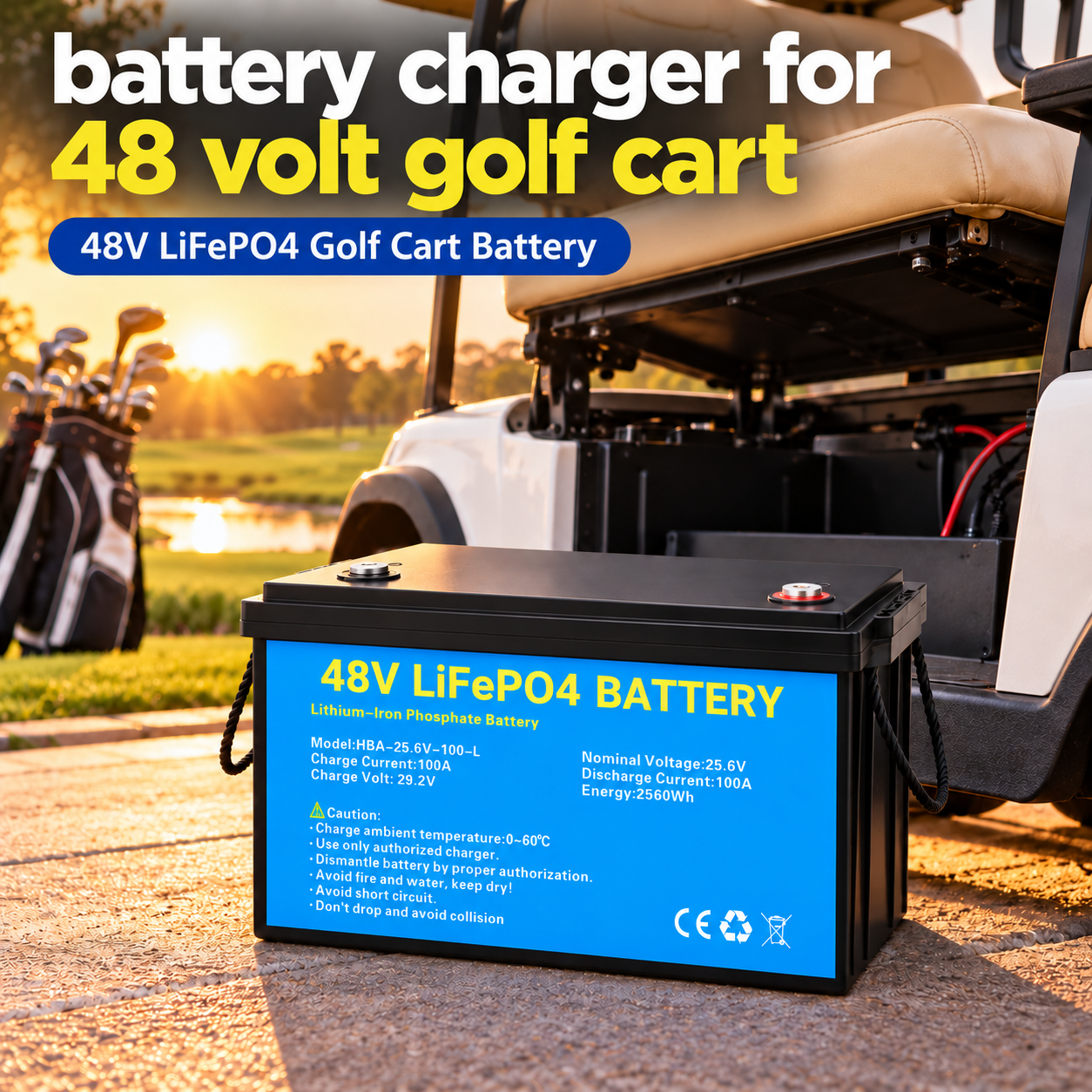
A  battery charger for  a  48 volt golf cart is  essential for  maintaining the performance and longevity of the golf cart's battery system. Understanding the specifications, quality standards, and  cost  factors associated  with  these chargers is crucial for purchasing managers  and  distributors.  This article  will provide insights  into what to consider when selecting a battery charger for 48  volt golf carts,  including common problems and  their solutions,  as well  as applications in various industries.

 
Understanding the Cost Factors of 48 Volt Golf Cart Battery Chargers

Understanding the Cost Factors of 48 Volt Golf Cart Battery Chargers

The price of a battery charger for a 48 volt  golf cart can  vary significantly based on several factors:

Quality and Brand Reputation: Established brands with a history of reliability may charge a  premium. However, investing in a reputable  brand can reduce long-term costs associated with replacements and  maintenance.

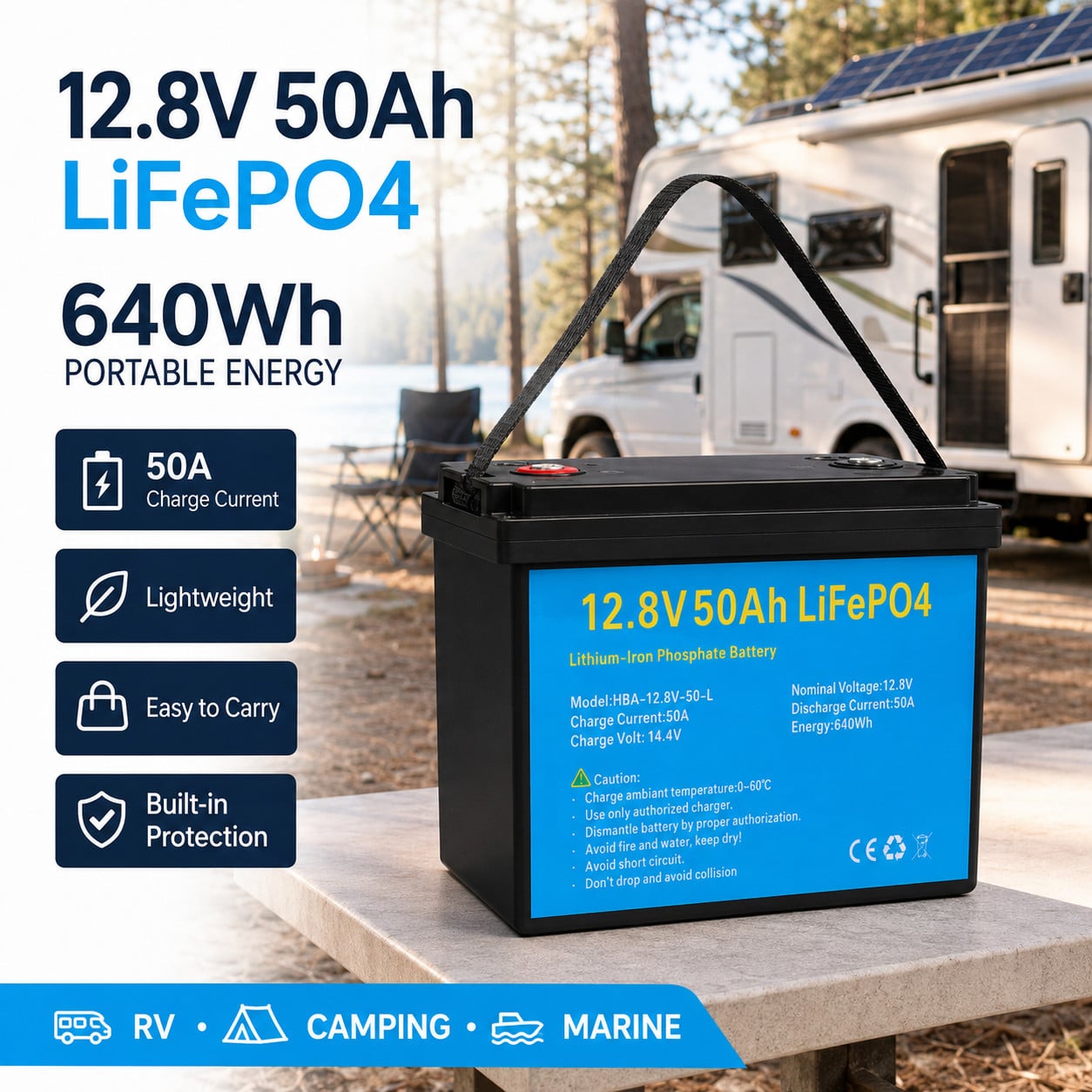
Features and Technology: Chargers equipped with advanced  technology, such as smart charging capabilities and multiple charging profiles, typically cost more. While the  initial investment may be higher, these features can improve battery life and reduce overall operating costs. For instance, consider the High Performance 50Ah LiFePO4 Lithium Ion Battery Pack which offers advanced features for efficient energy storage.

Production Volume: For  bulk purchases,  manufacturers often offer discounts. Understanding minimum order quantities (MOQ) can help buyers negotiate better pricing.

Shipping  and  Handling: Costs related to transportation and customs should also be factored into the overall price. Buyers should  consider  local  suppliers to minimize shipping  costs and delays.

Warranty and Support: A longer warranty may indicate better build quality but can also add  to the initial cost. Buyers should  weigh the potential long-term savings  against upfront expenses.

By understanding these cost factors, purchasing managers can make informed decisions that  balance upfront costs with  long-term value.

Evaluating Quality Standards in 48 Volt Golf Cart Chargers

Quality  standards  are critical when selecting a  battery charger for 48 volt golf  carts. Here are essential aspects to consider:

Material Quality: High-quality materials in construction, such as durable plastics and robust internal components, contribute to reliability and longevity. Ensure that the charger can withstand typical usage environments, whether in residential or  commercial  applications.

Manufacturing  Processes: A manufacturer with stringent quality control processes is more likely  to produce reliable chargers. Look for certifications that indicate adherence to quality standards,  such as ISO 9001.

Testing Procedures:  Inquire about the testing procedures the manufacturer uses to assess charger performance. This  should include functionality testing  under various  conditions to ensure  reliability.

User Reviews and  Feedback: Real-world feedback from users can provide insights into the charger’s performance  and durability. Consider seeking reviews and testimonials from other businesses that have used the product.

After-Sales Support: A  trustworthy manufacturer will offer robust customer support and a clear return policy, ensuring that any issues can be addressed promptly.

By evaluating these quality standards,  buyers can reduce the risk  of purchasing subpar products  that could lead to operational disruptions.

Common Problems with 48 Volt Golf Cart Chargers and Their Solutions

When dealing with battery chargers for 48 volt golf carts, certain common problems may arise. Here are some issues  and potential solutions:

Overheating: Chargers can overheat if they are not  designed for the specific battery type or if they are used continuously without sufficient  breaks. To mitigate this, ensure the charger has  adequate cooling features and follow recommended charging times.

Incomplete Charging:  If a charger fails to fully charge the batteries, it may be due to  a malfunctioning  charger or improper  settings. Regularly inspect the charger and ensure it  is compatible with  the battery’s specifications.

Incompatibility with  Battery Type: Some chargers may not be suitable for lithium-ion batteries, which are commonly  used in modern golf carts. Always confirm battery and charger compatibility before purchase.

Connection Issues: Loose or corroded  connections can lead to charging failures. Regular maintenance and inspection of connections can help prevent this problem.

Faulty Indicators: If the charger’s indicators do  not function correctly, it may lead to confusion  regarding charging status.  Regularly check the charger's functionality and consider models with reliable indicator systems.

Understanding these common  problems can help  buyers make informed choices and ensure smooth  operation for their golf cart charging needs.


Applications of 48 Volt Golf Cart Chargers in Various Industries

Battery chargers for 48 volt golf  carts have diverse  applications across several  industries:

Golf Courses and Resorts: Many golf courses use electric  golf  carts for transporting players and equipment. Reliable chargers are essential to keep these carts operational throughout the day.

Residential  Use: Homeowners with golf carts for personal use need dependable charging solutions to ensure their carts are ready for recreational activities.

Commercial Fleets: Businesses that operate fleets of  electric carts, such as  RV parks or marinas, require high-quality chargers to maintain their fleet's operational efficiency. The Energy Storage Systems may also support these operations effectively.

Industrial Applications: In certain industrial settings, electric carts are used  for  material  transport. A robust  charging solution is necessary to  minimize downtime and maintain  productivity.

Event Venues: Venues  that  host events often utilize golf carts for transporting guests.  Ensuring a reliable charging infrastructure is crucial for smooth  operations during peak times.

By recognizing the  various applications of 48 volt golf cart  chargers, buyers can better assess their specific needs and select products that cater to their operational requirements.

Key Specifications to Consider for 48 Volt Golf Cart Chargers

When evaluating battery chargers for 48  volt golf carts, several key specifications should be  considered:

Voltage Compatibility: Ensure that  the charger matches the 48 volt system of the golf cart to prevent  damage. Chargers  designed specifically for 48 volts  will  optimize charging efficiency and  safety.

Current Output: The  amperage rating of  the charger affects charging time and efficiency. A higher output  current can reduce charging time but  may require careful attention to avoid overheating the batteries.

Charging Method: Different chargers use varying charging methods, such as constant voltage or smart charging technology. Smart chargers can adjust the charge rate based on battery condition,  which  can enhance battery lifespan.

Safety Features: Look for chargers with built-in protection features, such as over-voltage, short circuit, and overheat protection. These features ensure safe operation and protect both the  charger and the batteries.

Certification Compliance: Ensure that the charger  meets relevant safety standards, such as UN38.3 and CE certifications, to guarantee safe usage in  various environments.

These specifications  directly impact the performance, safety, and durability of charging equipment, making it essential for buyers to understand and confirm them before making  a purchase.

Get a Free Quote

Our representative will contact you soon.
0/1000