Choosing the Right Energy Storage System for Your Needs

5,000+ units ready stock, 1–5 days fast global delivery

application/energy-storage-system, application/energy-storage-system, 
Inquiry
Inquiry

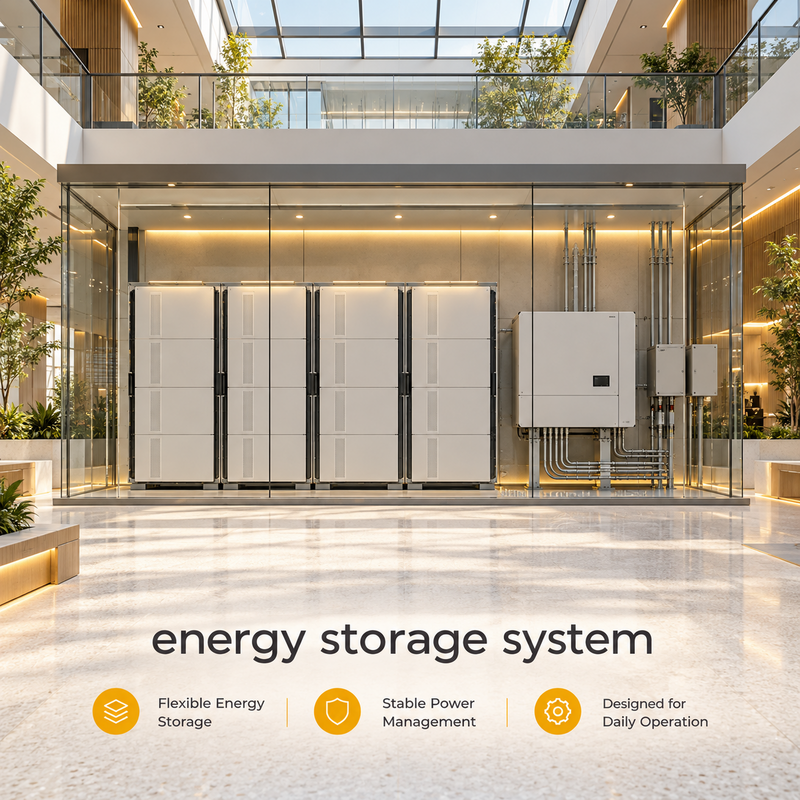
energy storage system

Energy  storage systems are critical  components  in a  variety of  applications,  ranging  from  renewable energy  storage to backup power solutions. For purchasing  managers and engineers, understanding how  to  select the right energy storage system, particularly lithium iron  phosphate (LiFePO4) systems, is essential.  This article aims to  provide  practical insights into choosing, evaluating, and  implementing energy storage systems, addressing  common buyer concerns such as performance,  cost, and  application suitability.

Key Specifications to Evaluate in Energy Storage Solutions

Key Specifications to Evaluate in Energy Storage Solutions

When evaluating energy storage  systems, several specifications are critical:

Battery Chemistry: LiFePO4 batteries are known for their thermal  stability and longevity, making them suitable for  various applications, including solar energy storage, RVs, and UPS systems.

Cycle  Life: This refers to the number of complete charge  and discharge cycles  a battery  can undergo before its  capacity significantly diminishes.  A higher cycle life translates to lower replacement costs over time.

Discharge Rate: This specification indicates how quickly the battery can release energy. Applications requiring  rapid energy  discharge, such as UPS systems, need batteries with high discharge rates.

Energy Density: This measures the amount of energy stored per  unit weight or volume. A higher energy density is beneficial for applications with space constraints, such as in marine or  RV settings.

Temperature Range: Understanding the operational temperature range is  vital,  especially for systems intended for outdoor use or in  extreme  conditions.

Buyers should request detailed specifications from  manufacturers  to ensure  that all these parameters align with their intended applications.

Understanding the Cost Factors of LiFePO4 Energy Storage Systems

The cost of LiFePO4 energy storage systems can vary significantly based on several factors:


Material  Costs: Lithium  iron phosphate is typically more expensive than lead-acid batteries but offers superior performance and  longevity, which may justify the initial investment.


Manufacturing Process: The complexities involved  in producing LiFePO4 batteries, including quality control measures and certifications, can affect the price.  It is essential to consider the manufacturer's reputation and  quality assurance processes.

Customization Requirements: If you need a tailored solution, such as specific  dimensions or integration with other  technologies, customization can lead to higher costs. Ensure you communicate your needs clearly when  requesting quotes.

Quantity:  Bulk purchases can often lead to reduced unit  costs. Discuss minimum order  quantities (MOQ) with suppliers to optimize your  purchasing strategy.

Shipping  and  Handling: Depending on the location, shipping costs can add significantly to the overall expense. Be sure to factor in  these costs when budgeting for your energy storage solution.

Understanding  these cost factors will enable buyers to make  informed decisions and potentially negotiate better terms with suppliers.

Installation Guidance for Efficient Energy Storage System Setup

Proper installation of energy storage systems is crucial  to ensure optimal performance. Here are some key installation considerations:

Site Assessment: Before installation, conduct a thorough site assessment to determine optimal placement, accounting for ventilation, temperature control, and accessibility for maintenance.

Electrical Compatibility: Ensure that  the installation conforms to  local electrical codes and standards.  It is advisable to work with certified electricians familiar with energy storage systems.

Integration with Existing Systems: If  the energy storage system will integrate with renewable energy sources, such as solar panels, ensure that the inverter and other components are compatible.

Safety Protocols: Implement  safety  measures during installation, including  proper handling of batteries and  adherence to manufacturer guidelines. This  minimizes risks associated with battery  failures  or malfunctions.

Testing  and Commissioning: After installation, conduct thorough testing to verify system functionality. This  includes checking charge and  discharge rates  and  ensuring that safety systems  are operational.

Following these  guidelines can help prevent installation-related issues  and ensure that the energy storage system operates efficiently.

Applications of Energy Storage Systems in Various Industries

Energy storage systems, particularly LiFePO4  solutions, find applications across diverse industries:

Renewable Energy: In solar and wind energy applications, energy storage systems help manage the intermittent nature of these resources by storing excess energy for use during low production periods.


Marine: In the marine industry, energy storage  systems provide reliable power for  onboard systems and propulsion, enhancing efficiency and reducing  emissions.

UPS Systems:  Uninterruptible Power Supply (UPS) systems rely on energy  storage to provide  backup power during outages. LiFePO4 batteries are preferred  due to their long cycle life and reliability.

Residential Energy Storage: Homeowners  increasingly adopt energy storage solutions to store solar energy, reducing dependence on the grid and enhancing  energy independence.

Commercial Applications: Businesses utilize  energy  storage systems to reduce peak demand charges, manage energy costs, and ensure uninterrupted power for critical operations.

Understanding the specific  applications of energy  storage systems can help buyers tailor their purchasing decisions to meet their operational needs effectively.

By following the insights outlined , B2B buyers can navigate the complexities of selecting  and implementing  energy storage systems, ensuring they  make informed decisions that  align with their  business objectives.

How to Choose the Right Energy Storage System for Your Needs

Selecting the  right  energy storage system starts with identifying your specific application requirements. Consider factors such  as energy capacity, discharge rates, and cycle life. For instance, if you are looking for  a system to integrate with solar panels, you may  prioritize a solution  with high efficiency and  deep-cycle capabilities to  maximize solar energy  utilization.

Next, assess the compatibility of the system with your existing  infrastructure. This includes  understanding  the voltage requirements and whether  the storage system can integrate with your current energy management solutions. For applications in residential  or marine  environments, additional considerations like space  constraints and environmental conditions are also crucial.

Lastly, evaluate the available certifications,  such as UN38.3 and CE, which indicate compliance with international  safety standards. These certifications not only ensure  quality but also  enhance the reliability of the energy storage solution.

Get a Free Quote

Our representative will contact you soon.
0/1000