Choosing the Right 48 Volt Golf Cart Battery Charger

5,000+ units ready stock, 1–5 days fast global delivery

application/golf-cart-battery-charger-48-volt, application/golf-cart-battery-charger-48-volt, 
Inquiry
Inquiry

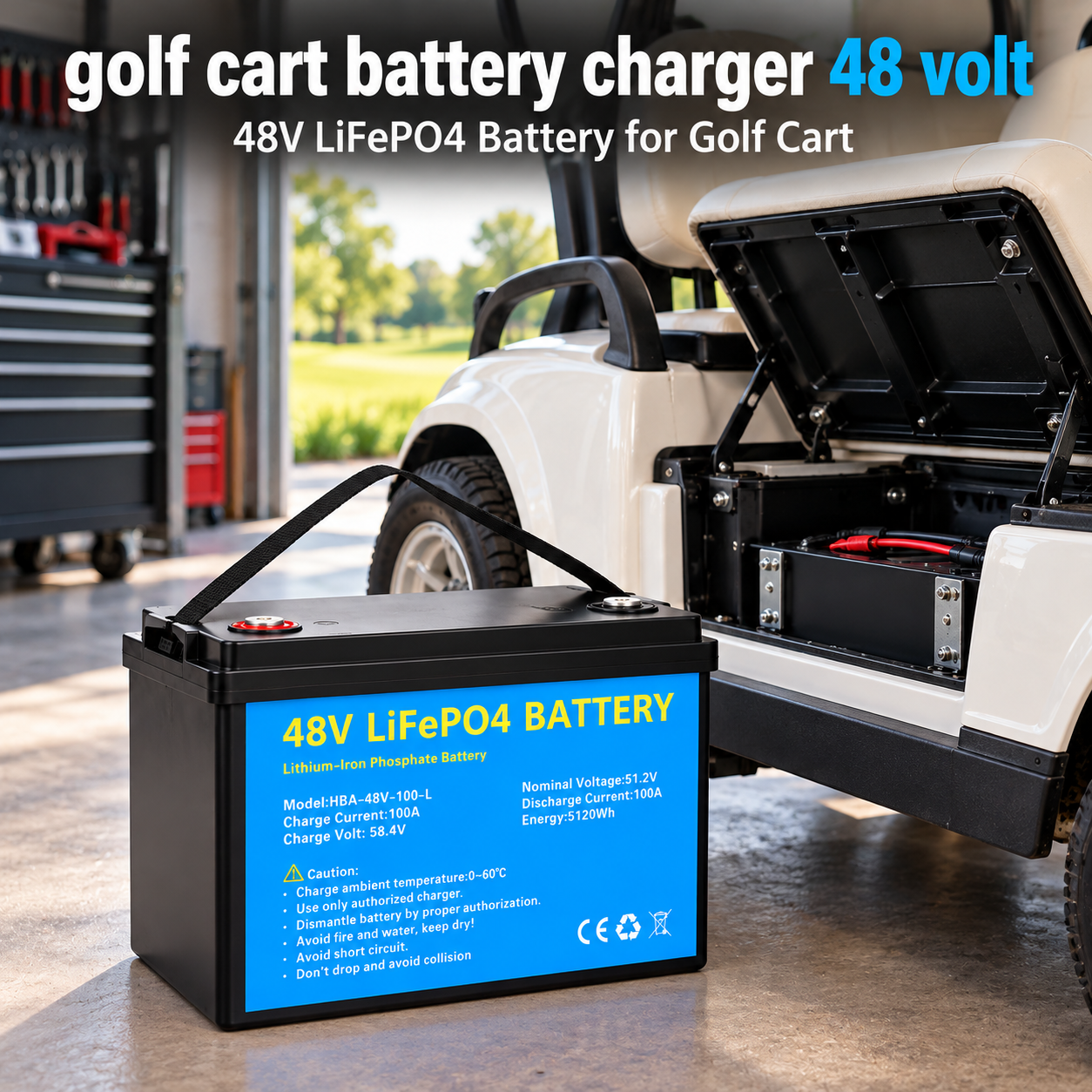
golf cart battery charger 48 volt

When selecting  a golf cart  battery charger,  specifically a 48  volt model, buyers must  navigate  various  considerations to  ensure  compatibility, efficiency, and  reliability. This article addresses key factors that purchasing managers  and  other B2B  buyers should keep  in  mind,  helping  them make informed decisions when  sourcing these essential  components for their  golf carts.

Where to Find Reliable Wholesale Suppliers for Golf Cart Chargers

Where to Find Reliable Wholesale Suppliers for Golf Cart Chargers

Finding reputable wholesale suppliers for 48 volt  golf  cart battery chargers requires careful research. Start by exploring industry-specific trade shows and exhibitions, where you can meet manufacturers and distributors face-to-face. This  direct interaction allows you  to assess their products  and ask questions about their capabilities  and certifications.

Online B2B marketplaces can also be useful for sourcing suppliers. Platforms such as Alibaba  or Global Sources provide access  to  a wide  range of manufacturers, but  it’s  crucial to vet these  suppliers thoroughly. Look for  those with verified certifications, customer reviews, and a proven track record in the industry.

Additionally, consider reaching out  to industry associations or networks. These organizations often have directories of  reputable suppliers and can provide  insights into market trends and supplier reliability. Establishing relationships with suppliers who  have experience in the golf cart battery market can  also lead to better pricing and  support options.

Key Specifications to Evaluate in 48 Volt Golf Cart Battery Chargers

When evaluating 48 volt  golf cart battery chargers, specific technical specifications are essential. Start with the input voltage range;  most chargers  should accommodate a 100-240V input, allowing for use in various  locations. Next, assess  the  output  voltage, which should remain consistent at 48 volts to ensure compatibility with the  batteries.

The charging profile is another  critical specification. Look for  chargers that offer multiple charging stages, such  as bulk, absorption, and float stages. This multi-stage charging process helps  maintain battery health by adjusting the power output based on the battery's state of charge.

Battery protection features are equally important. A charger  should  include  short-circuit  protection, over-voltage  protection, and thermal  cut-off to prevent damage during operation.  Finally, consider the physical dimensions and weight of the charger, especially  if space is limited in the application environment.

Cost Factors to Keep in Mind for Bulk Orders of Golf Cart Chargers

When ordering 48 volt golf  cart battery chargers in bulk, several cost factors come  into play. First, the base price per unit  typically decreases as  the order quantity increases, so it's essential to  negotiate  bulk pricing with suppliers. However, be mindful of the total landed  cost,  which includes  shipping, customs duties, and taxes  that may  apply  to your location.

Additionally, consider the warranty and support offered by the supplier. A charger with a longer warranty may have a higher upfront cost but can  lead to lower overall costs due  to fewer replacements  and repairs over time.

Another factor  is the potential for customization. Custom branding or specific  features  may increase the unit cost but can enhance the product's appeal  in your market. Therefore, it’s crucial to evaluate the total  cost of ownership, factoring in both initial and long-term expenses.

Common Problems with Golf Cart Chargers and Their Solutions

Golf cart chargers can occasionally present problems that may  affect  performance and reliability. One common issue is overheating, often caused by inadequate ventilation during charging. To mitigate this, ensure that  the charger is placed in a well-ventilated area and  not covered while  in use.


Another frequent problem is failure to charge, which can arise from a faulty connection or damaged cables. Regular inspection  of cables and connectors can prevent this issue. Additionally, ensure  that  the charger is compatible with the specific battery type; using  the  wrong charger can lead to improper charging and battery damage.

Finally, watch  for error codes or warning lights on the charger,  which can indicate specific  faults. Refer to the user manual for  troubleshooting steps,  and consult the manufacturer if the  problem persists. Establishing a routine maintenance schedule can  also help identify potential issues before they escalate.

By understanding these critical aspects of selecting and using 48 volt golf cart battery chargers, B2B buyers can make informed  decisions that enhance their  operations and support their battery management needs effectively.

What to Consider When Choosing a 48 Volt Golf Cart Battery Charger

When selecting a 48 volt golf cart battery charger, several critical factors  come into play. First, compatibility with  the specific battery type is vital.  Golf carts commonly use lead-acid or lithium-ion batteries; therefore, the charger must  be designed  to work effectively with the chosen battery technology. For instance,  a charger designed for  lead-acid  batteries may not provide the optimal charging profile  for lithium-ion batteries.

Next, consider the  charger's  output amperage.  A higher amperage charger can recharge batteries faster, which can be beneficial for commercial operations where downtime needs to be minimized. However, faster charging  may not always be suitable for all battery types,  as  some may require a slower charge to prolong lifespan.

Additionally, look for chargers  equipped with features such as smart charging technology. These chargers  automatically adjust the voltage and current to suit the battery's state, helping to prevent overcharging and extend battery life. Finally, ensure that the charger meets relevant safety certifications (like UN38.3 or CE) to guarantee reliability  and compliance  with  international standards.

Get a Free Quote

Our representative will contact you soon.
0/1000