Choosing a 48V Golf Cart Battery Charger

5,000+ units ready stock, 1–5 days fast global delivery

application/golf-cart-48v-battery-charger, application/golf-cart-48v-battery-charger, 
Inquiry
Inquiry

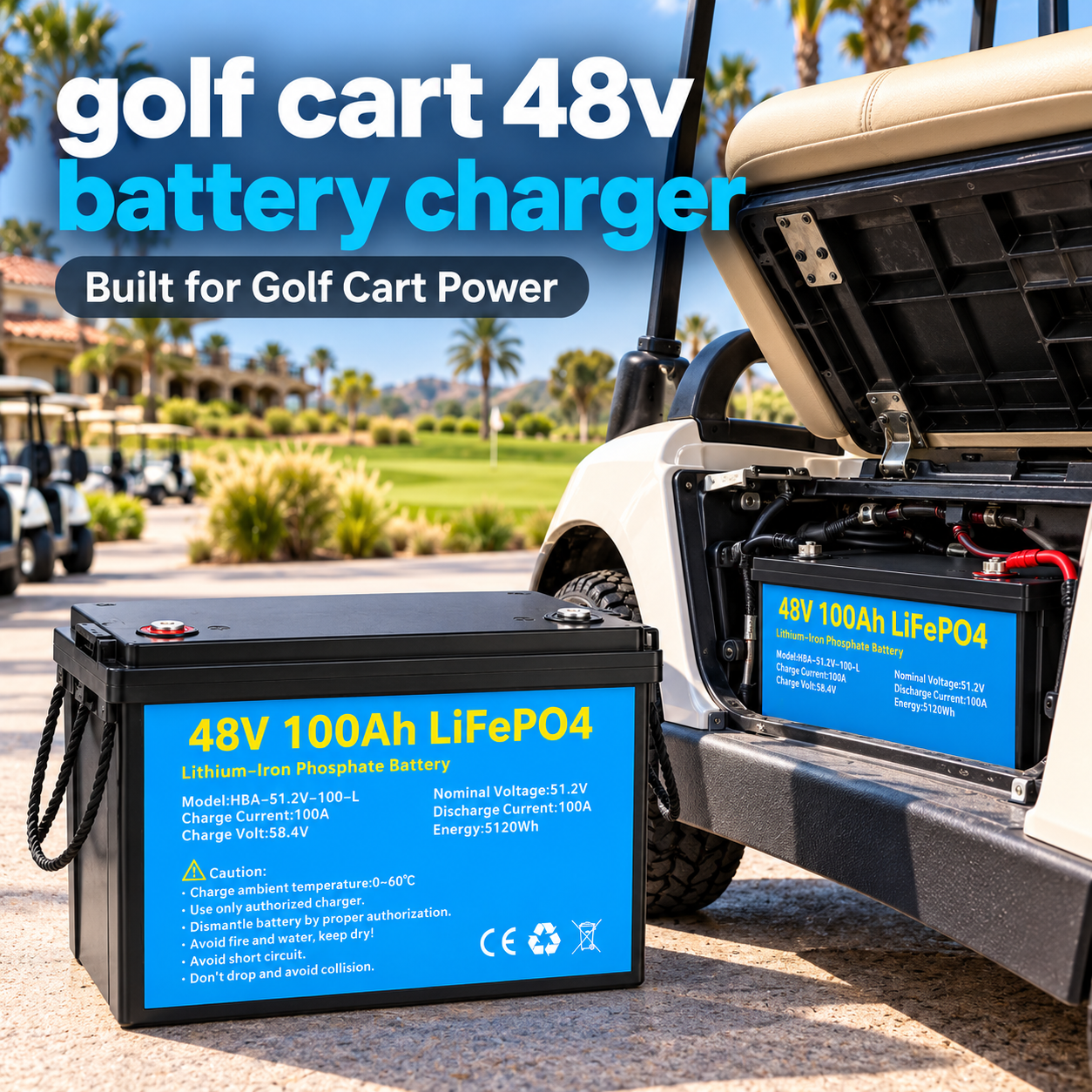
Golf cart 48v battery charger

Choosing the right golf cart 48V battery charger is crucial for maintaining the performance and longevity of your golf cart’s battery system. Whether you're a purchasing manager sourcing for a fleet, a distributor looking for reliable products, or an engineer concerned about compatibility and efficiency, understanding the specifications and features of 48V golf cart battery chargers is essential. This article will guide you through the selection process, key specifications, sourcing options, common issues, and practical solutions, helping you make informed purchasing decisions. 

Key Specifications for Wholesale 48V Golf Cart Battery Chargers

Key Specifications for Wholesale 48V Golf Cart Battery Chargers

When evaluating wholesale 48V golf cart battery chargers, focus on several key specifications that directly influence performance and compatibility: 

Output Voltage and Amperage: The charger should precisely match the battery’s voltage (48V) and must provide sufficient amperage to charge effectively without overloading the battery. 

Charging Profile: Look for golf cart chargers that offer different charging profiles (bulk, absorption, and float) which are essential for different battery states. This ensures optimal charging based on the battery’s current condition. 

Cooling Mechanisms: Chargers with built-in cooling systems are preferable as they prevent overheating during operation, which can adversely affect performance and safety. 

Safety Features: Certifications such as UN38.3 and CE indicate compliance with international safety standards. Ensure the 48 volt battery charger has features like short-circuit protection, overload protection, and temperature monitoring. 

Durability and Design: Consider the construction materials and design of the charger, particularly if it will be used in rugged environments. Look for corrosion-resistant materials and robust casing. 

These specifications will help ensure that the charger you choose meets your operational needs and aligns with your quality requirements. 

Where to Source Reliable 48V Golf Cart Battery Chargers in Bulk

Sourcing reliable 48V golf cart battery chargers in bulk requires careful selection of suppliers who can meet your specifications and quality standards. Start by identifying manufacturers with a proven track record in the industry, such as Shenzhen Yanshuosheng Technology Co., Ltd., which specializes in energy storage systems including 48v lithium battery charger. 

Engage with suppliers who provide detailed product information, such as technical specifications, certifications, and manufacturing capabilities. Request samples to evaluate quality and performance firsthand, and ask about lead times and minimum order quantities (MOQ) to ensure they fit within your purchasing framework. 

Additionally, explore online B2B marketplaces and industry trade shows to connect with multiple suppliers and compare offerings. This approach allows you to gauge the market and find the most reliable and cost-effective options tailored to your needs. 

A Contractor's Guide

For contractors working with reliable 48V golf cart battery chargers, understanding both installation and operational considerations is paramount. Begin by reviewing the installation requirements specific to the charger model, paying close attention to electrical compatibility and safety protocols. Ensure that the installation site has adequate ventilation to prevent overheating and that all electrical connections comply with local regulations. 

During the installation process, provide clear instructions to your team regarding the setup and testing procedures. After installation, conduct thorough testing to confirm that the charger operates correctly under various load conditions. Document the performance metrics and any anomalies, as this data can be crucial for troubleshooting and maintenance in the future. 

Moreover, establish a regular maintenance schedule to ensure the chargers continue to operate efficiently. This includes inspecting connections, cleaning terminals, and checking for any signs of wear or damage. 

Common Problems with 48V Golf Cart Chargers and Their Solutions

Understanding common issues that arise with reliable 48V golf cart battery chargers can save time and prevent costly repairs. Here are some frequent problems and their solutions: 

Overheating: This is often caused by excessive charging current or inadequate ventilation. Ensure that the charger is appropriately rated for your battery and that it is installed in a well-ventilated area. 

Inconsistent Charging: If the charger fails to provide a steady charge, it may indicate a fault in the charger or the battery itself. Conduct a thorough inspection of both to identify the root cause. It may be necessary to replace the charger or service the battery. 

Failure to Start Charging: This could stem from a faulty power source, a malfunctioning charger, or a problem with the battery. Check the power outlet, examine the chargers for visible damage, and test the battery for charge retention. 

Short Lifespan of Batteries: This is often linked to poor charging practices such as frequent overcharging or using an incompatible charger. Implementing smart chargers with automatic cut-off features can mitigate this issue. 

By being aware of these common problems and their solutions, purchasing managers and engineers can make informed decisions that enhance the longevity and reliability of their golf cart battery systems. 

How to Choose the Right 48V Golf Cart Battery Charger for Your Needs

Selecting the appropriate 48V golf cart battery charger involves several considerations centered around compatibility, efficiency, and application. First, assess the charger’s compatibility with your specific battery type, most notably, whether it is designed for lead-acid or lithium batteries. For example, chargers for lithium batteries often utilize a different charging profile that optimizes performance and longevity. 

Next, consider the charging speed. The golf cart chargers vary in output amperage, affecting how quickly they can fully charge a battery. If your operation requires quick turnaround times, selecting a charger with a higher output amperage may be beneficial. 

Additionally, investigate features such as built-in protections against overcharging, which can significantly extend battery inverter life. Look for golf cart chargers equipped with smart technology that can automatically adjust the charging process based on the battery’s state. These features contribute to both safety and efficiency, addressing common buyer concerns about battery maintenance and operational costs. 

Frequently Asked Questions

What vehicles is the 48V golf cart charger compatible with?

Our 48V golf cart battery charger is compatible with most 48V electric golf carts, RVs and marine vehicles using 48V LiFePO4 or lead-acid battery packs. Check your battery voltage and connector type for full compatibility.
Yes. The charger is designed for LiFePO4 chemistry and integrates with our independent BMS to provide balanced charging, overcharge protection, and safe operation, complying with UN38.3 and CE standards.
Charge time varies by battery capacity and state of charge. Typical deep-cycle 48V LiFePO4 packs (100–200Ah) charge fully in about 3–8 hours with our appropriately rated charger.
Yes. It includes protections for over-voltage, over-current, short circuit, and temperature monitoring to safeguard battery health and ensure reliable charging in varied environments.
We provide products with UN38.3 and CE certifications and offer technical support for installation, BMS integration, and applications in solar, RV, UPS, and marine systems.

Get a Free Quote

Our representative will contact you soon.
0/1000