Choosing the Best Battery for Inverter Applications

5,000+ units ready stock, 1–5 days fast global delivery

application/good-battery-for-inverter, application/good-battery-for-inverter, 
Inquiry
Inquiry

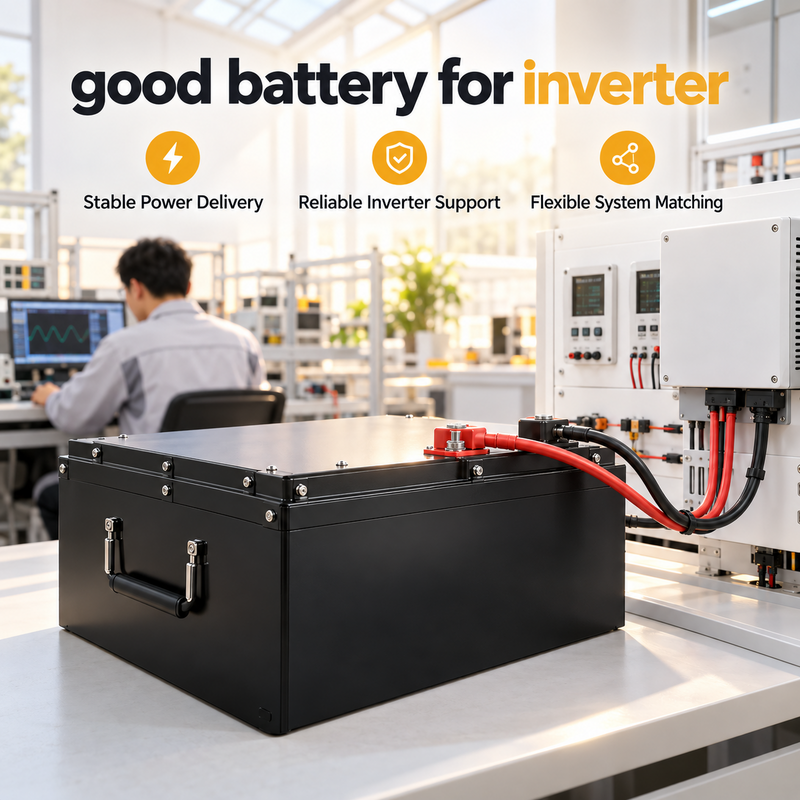
good battery for inverter

Selecting the right  battery for your inverter  is crucial  for ensuring  efficient and reliable  energy storage. A good  battery for inverter applications must meet specific  performance and compatibility  standards, making  it essential  for  purchasing managers, engineers, and product managers to  understand their options. This article  will guide you  through the key considerations when choosing an  inverter  battery, including specifications,  comparisons, installation guidance, and  common issues, all  aimed at helping  you make informed purchasing decisions.

Key Specifications for High-Quality Inverter Batteries

Key Specifications for High-Quality Inverter Batteries

To ensure  optimal performance, several specifications should be prioritized when selecting  a good battery for inverter use:

Capacity (Ah):  This indicates how much energy the  battery can store.  Choose a capacity that matches your daily energy consumption. Voltage:  Ensure the battery voltage is compatible with your inverter system, typically 12V, 24V, or 48V. Cycle  Life: This  refers to  the number of complete charge and discharge cycles a battery can undergo before its capacity significantly  declines. Look for batteries with a high  cycle life to minimize  replacement frequency. Depth of Discharge (DoD): As mentioned earlier, this metric is crucial for understanding  how much of the battery’s capacity can be safely  used. Aim for a battery with a DoD of at least 80% for optimal energy  utilization. Charge/Discharge Rate (C-rate): This specification indicates how quickly a battery can  be charged or discharged. Higher C-rates allow for faster energy delivery and are essential for applications requiring immediate  power.

These specifications directly impact the performance, lifespan, and  efficiency of the battery, making them critical considerations during  the  selection process.

Comparing Battery Options for Inverter Applications

There are several battery chemistries available for inverter applications, each with its advantages and disadvantages.

Lead-Acid Batteries: Traditional and widely used,  lead-acid  batteries are less expensive but have a shorter lifespan and lower DoD. They are heavier and require maintenance, which may not  suit all applications.


AGM (Absorbent Glass Mat) Batteries: A  type of lead-acid  battery, AGM batteries offer better performance and are maintenance-free. However, they still have a  shorter cycle life compared to lithium batteries.


LiFePO4 Batteries: As mentioned,  these batteries provide numerous advantages, including longer  cycle life, higher efficiency, and lower weight. They are  ideal for  applications with high energy demands and limited space. For example, the High Performance 50Ah LiFePO4 Lithium Ion Battery Pack is a great choice for energy storage.

When comparing options, consider not only the initial purchase  cost but also the total  cost of ownership,  including maintenance, replacement frequency,  and efficiency over time. This approach ensures  you select a  battery that meets both your  budget  and operational needs.

Installation Guidance for LiFePO4 Batteries in Inverters

Proper installation of LiFePO4 batteries is critical for  optimal performance. Here  are key steps to ensure  a successful installation:

Safety Precautions:  Always wear personal protective equipment and follow safety guidelines when handling batteries.

Battery Placement:  Install  the  battery in a well-ventilated area to prevent overheating. Ensure it is mounted securely to  prevent movement during operation.

Wiring Connections: Use appropriate gauge wiring to connect the battery to the inverter. Incorrect wiring can  lead to inefficiencies or damage. Always  follow the manufacturer's guidelines for connections.

Battery Management System  (BMS): If your battery comes with  a BMS, ensure it is properly configured. The BMS monitors the battery’s health, temperature, and charge levels, optimizing performance and safety.

Testing:  After installation, conduct a test run to ensure  the  system  operates correctly. Monitor the voltage and current  to confirm they meet specifications.

Proper  installation not  only  enhances battery performance but also extends its lifespan.

Common Problems with Inverter Batteries and Their Solutions

Even with high-quality batteries, issues can arise during operation. Here are some common problems and their solutions:

Insufficient Power  Output: If your inverter isn’t receiving adequate power from the battery, check  the voltage and  connections. Ensure the battery is fully charged  and the wiring is secure.

Overheating: Batteries can overheat if they are charged  or discharged too quickly. Monitor the charge rates and ensure that the battery's C-rate is appropriate for your inverter's needs.

Short Battery Life: If you find that your battery lifespan is shorter than expected, evaluate your usage patterns. Excessive deep discharges can lead to premature aging.  Aim to maintain a  higher  DoD within recommended limits.

Incompatibility Issues: If the battery does not seem  to  work  with your inverter, verify the  compatibility of voltage and specifications. Always refer  to  the  manufacturer's guidelines to ensure proper matching of components.

By being aware of these common issues and  their solutions, you can  proactively maintain  your battery system and ensure long-term reliability.

Ultimately, understanding the nuances of selecting a good battery for inverter applications can significantly enhance the efficiency and reliability  of your energy storage solutions. With the right information, you can make informed decisions that align with  your operational needs and budget.

How to Choose the Right Battery for Your Inverter Needs

When selecting a good battery for  inverter  applications, the first  step is to identify  your specific energy requirements. Key factors include the power  output and capacity  needed for your application, whether it be for solar energy systems, RVs,  UPS, or marine uses. You may consider using a Energy Storage Systems to meet your energy needs.


LiFePO4 (Lithium Iron  Phosphate) batteries are often recommended for their longevity and thermal stability, making them suitable for various inverter  applications. You should also consider the depth of discharge  (DoD), which indicates how much of the battery’s capacity can  be used without damaging it. A higher  DoD  allows for more usable energy, thus maximizing efficiency.


Additionally, evaluate the  compatibility of the  battery with your inverter. Not  all batteries work  with every inverter model, so ensure that  the voltage and output specifications align. Finally, factor in the environmental conditions where the battery will be used, as temperature extremes can affect performance.

Get a Free Quote

Our representative will contact you soon.
0/1000