Battery for Inverter: Key Specifications & Solutions

5,000+ units ready stock, 1–5 days fast global delivery

application/battery-for-inverter-for-home, application/battery-for-inverter-for-home, 
Inquiry
Inquiry

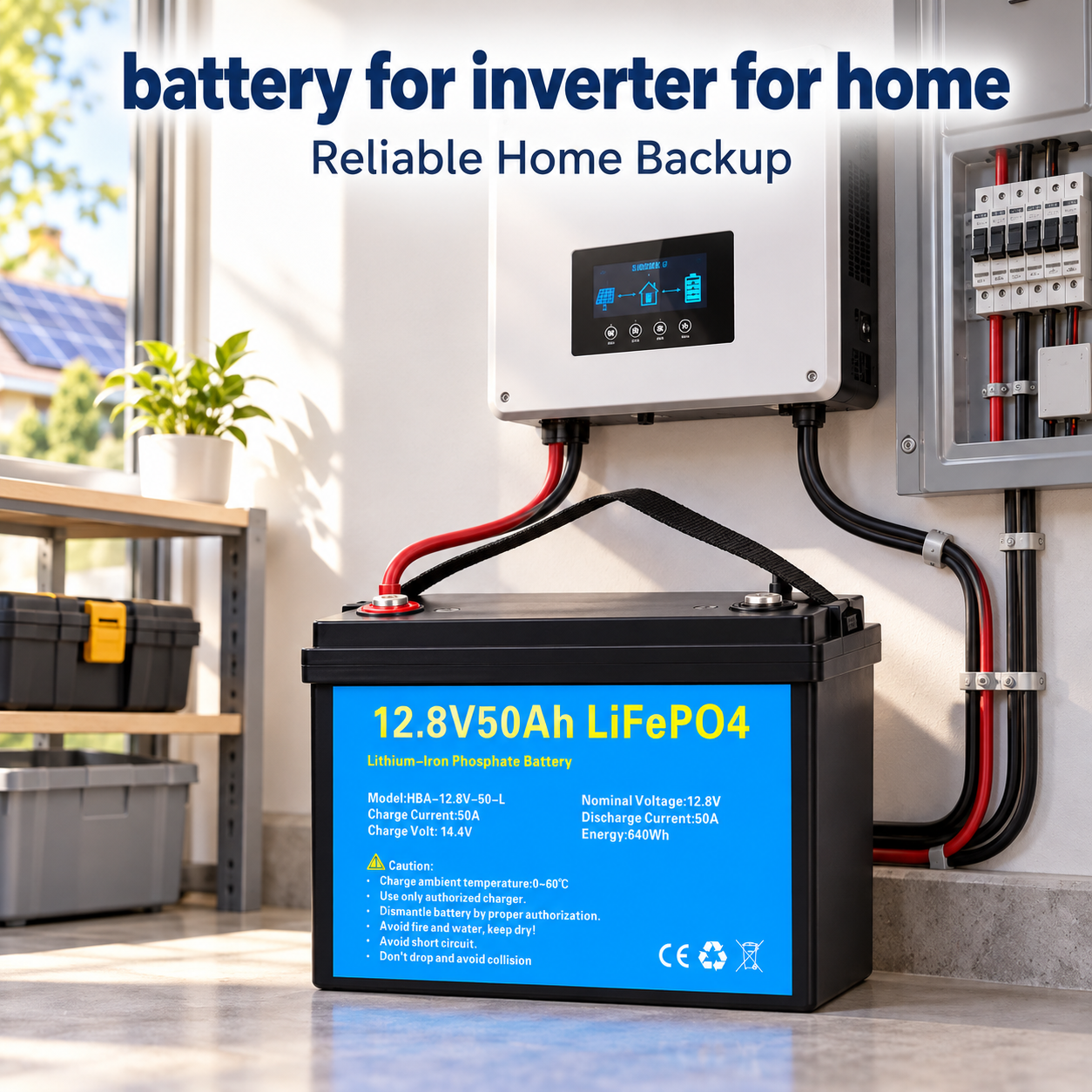
Battery for inverter for home

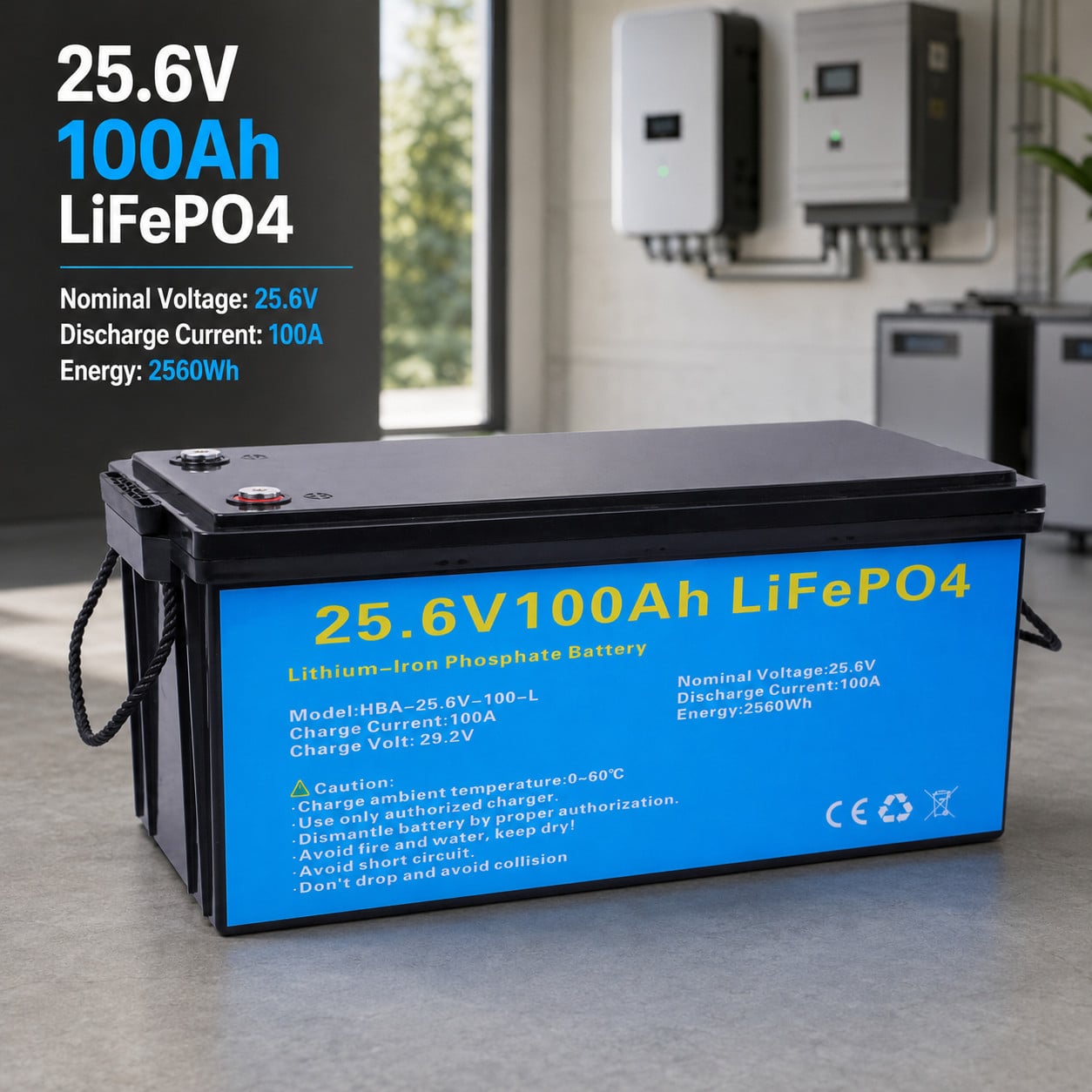
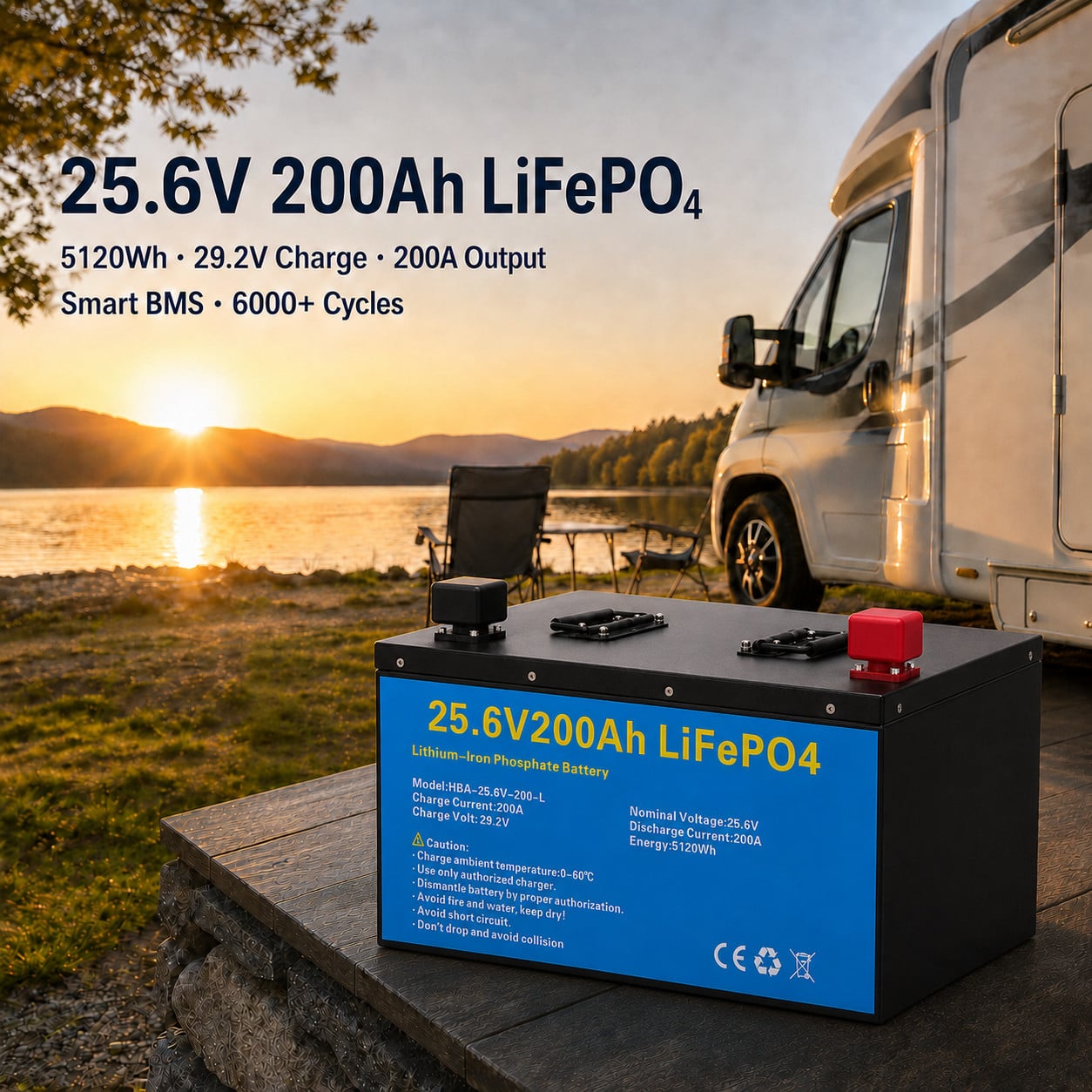
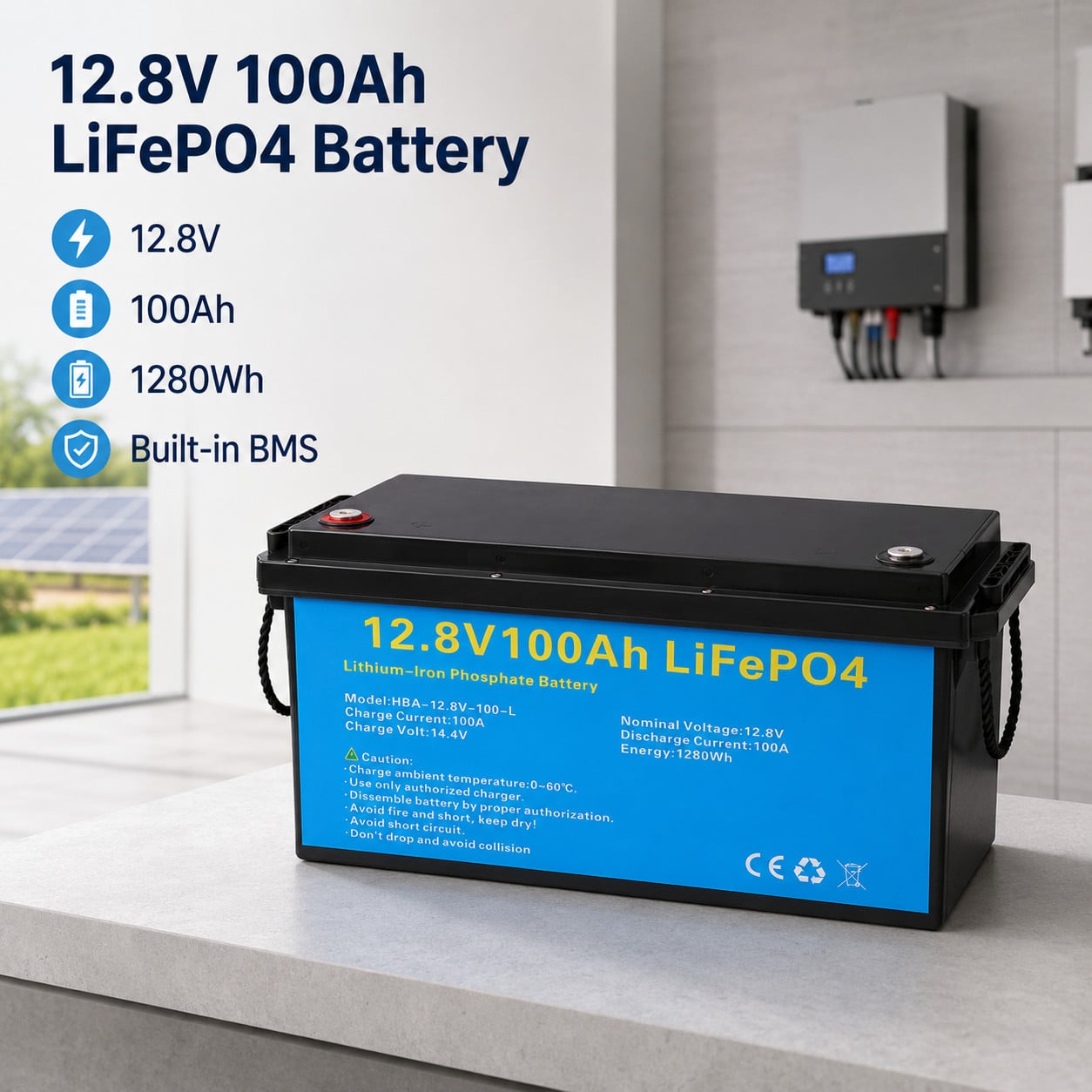
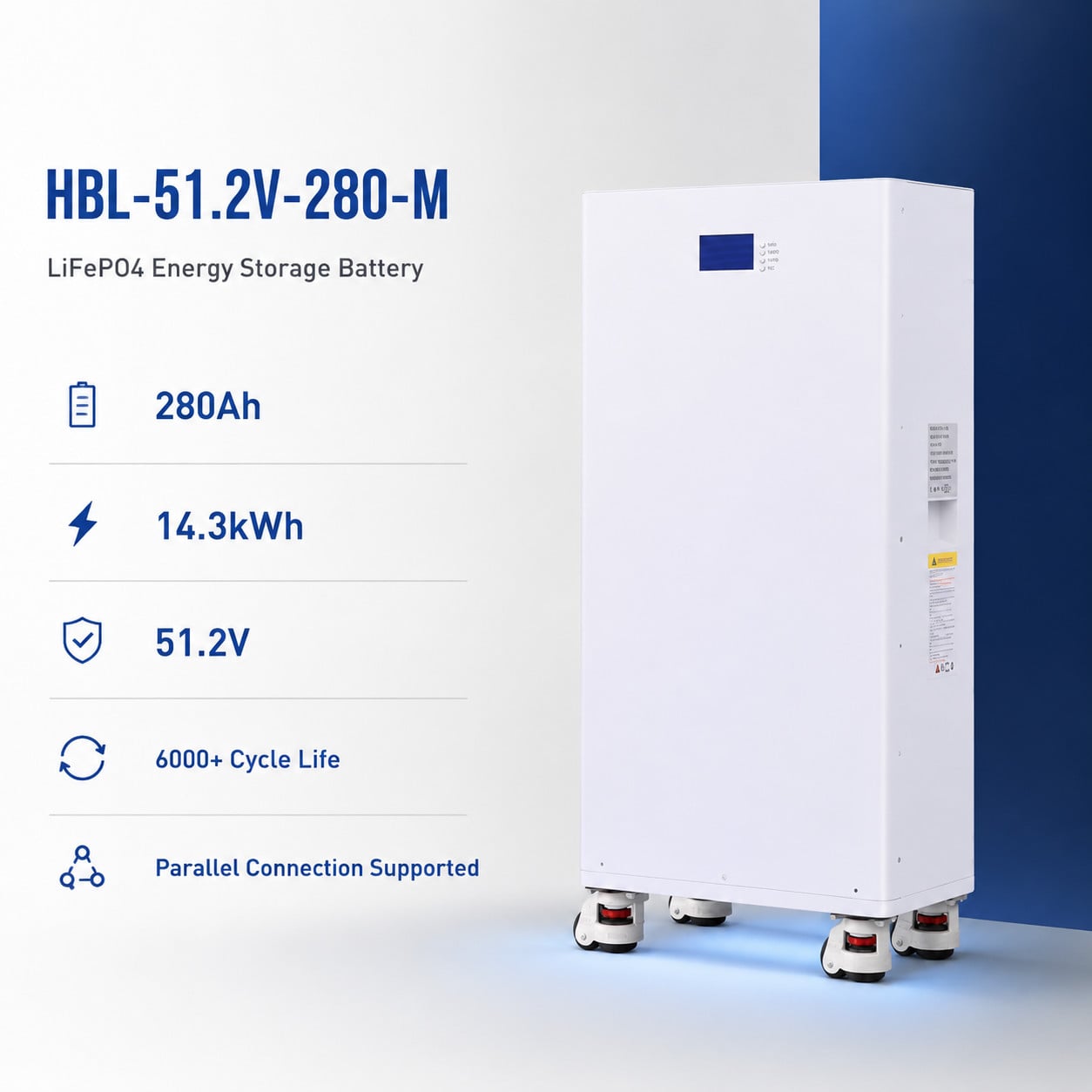
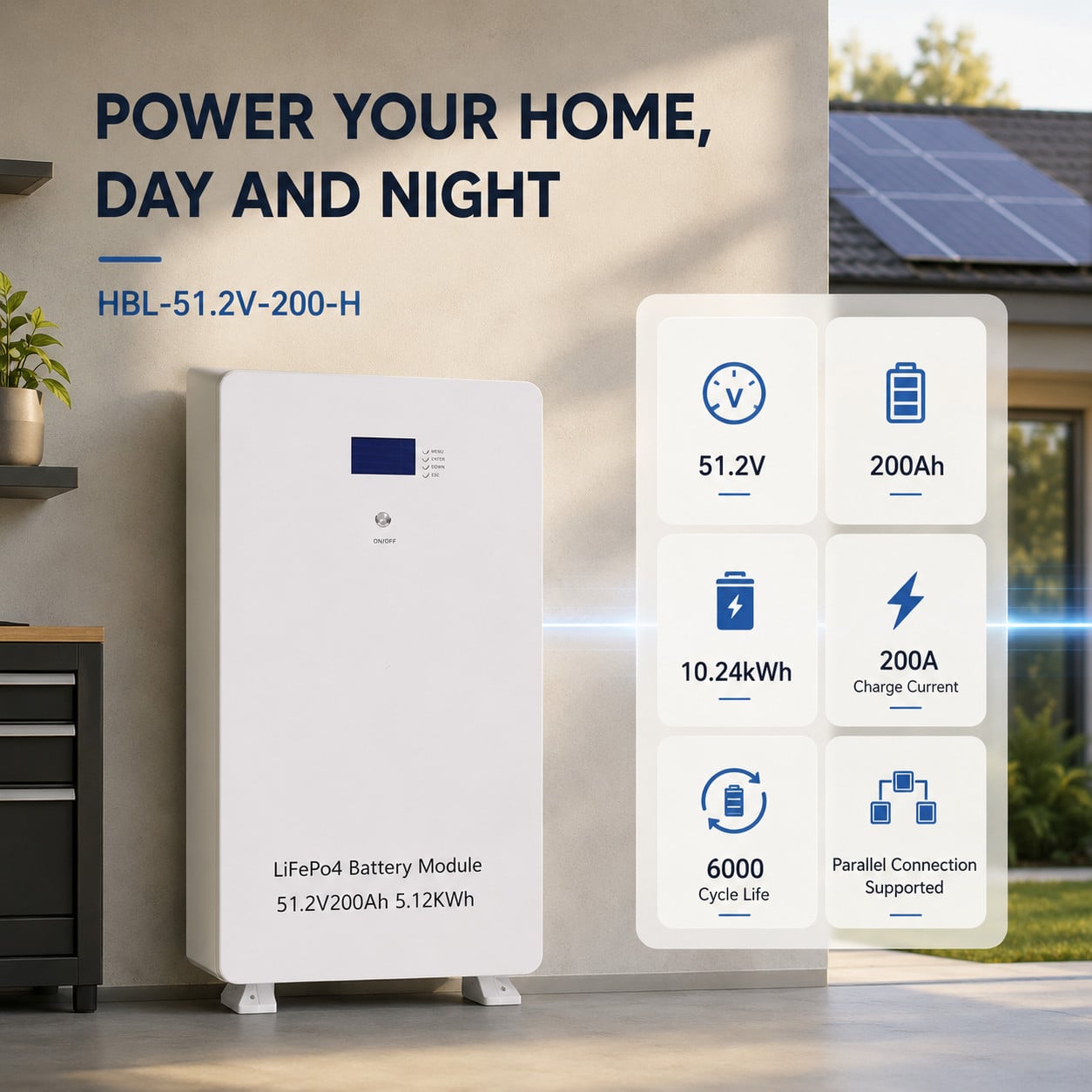
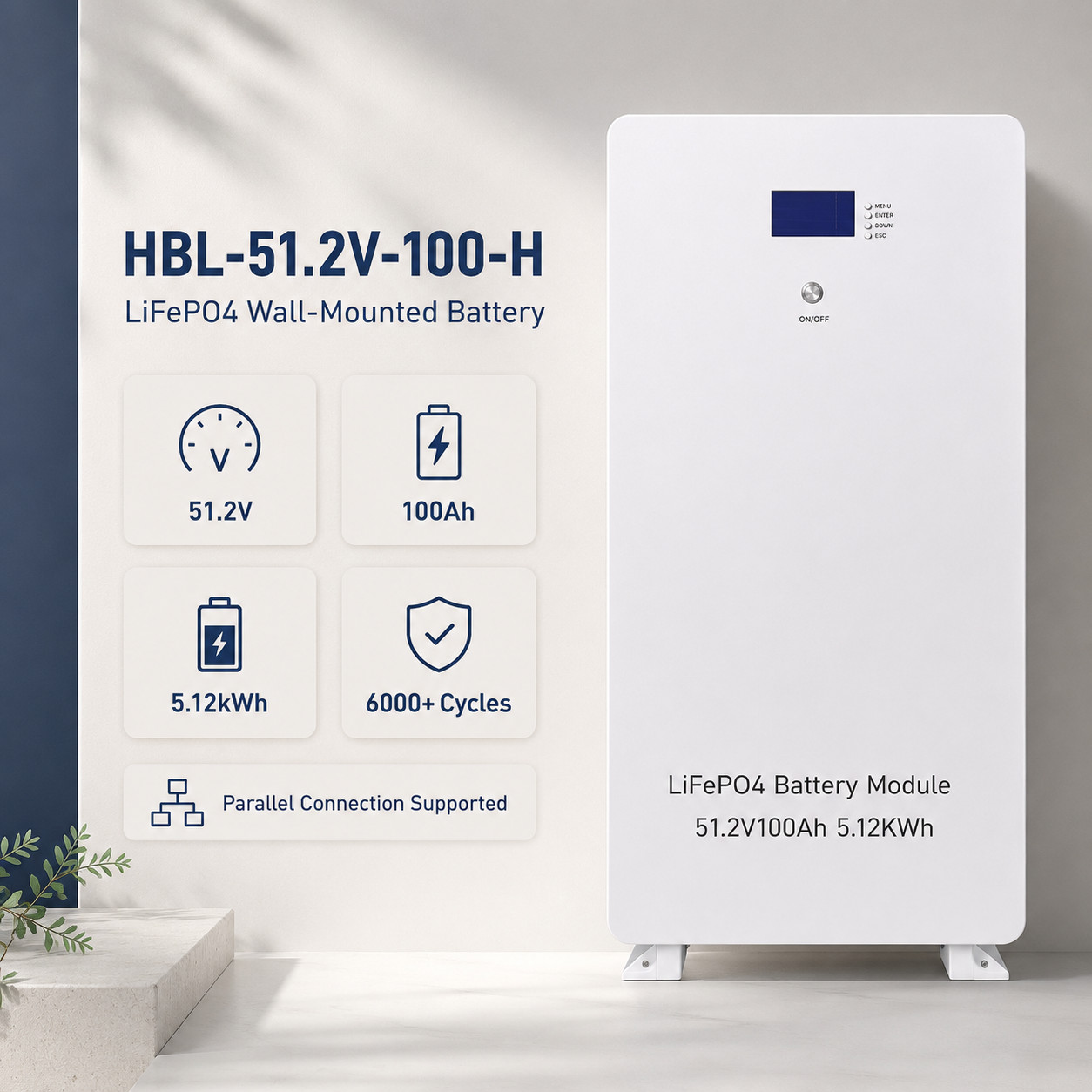
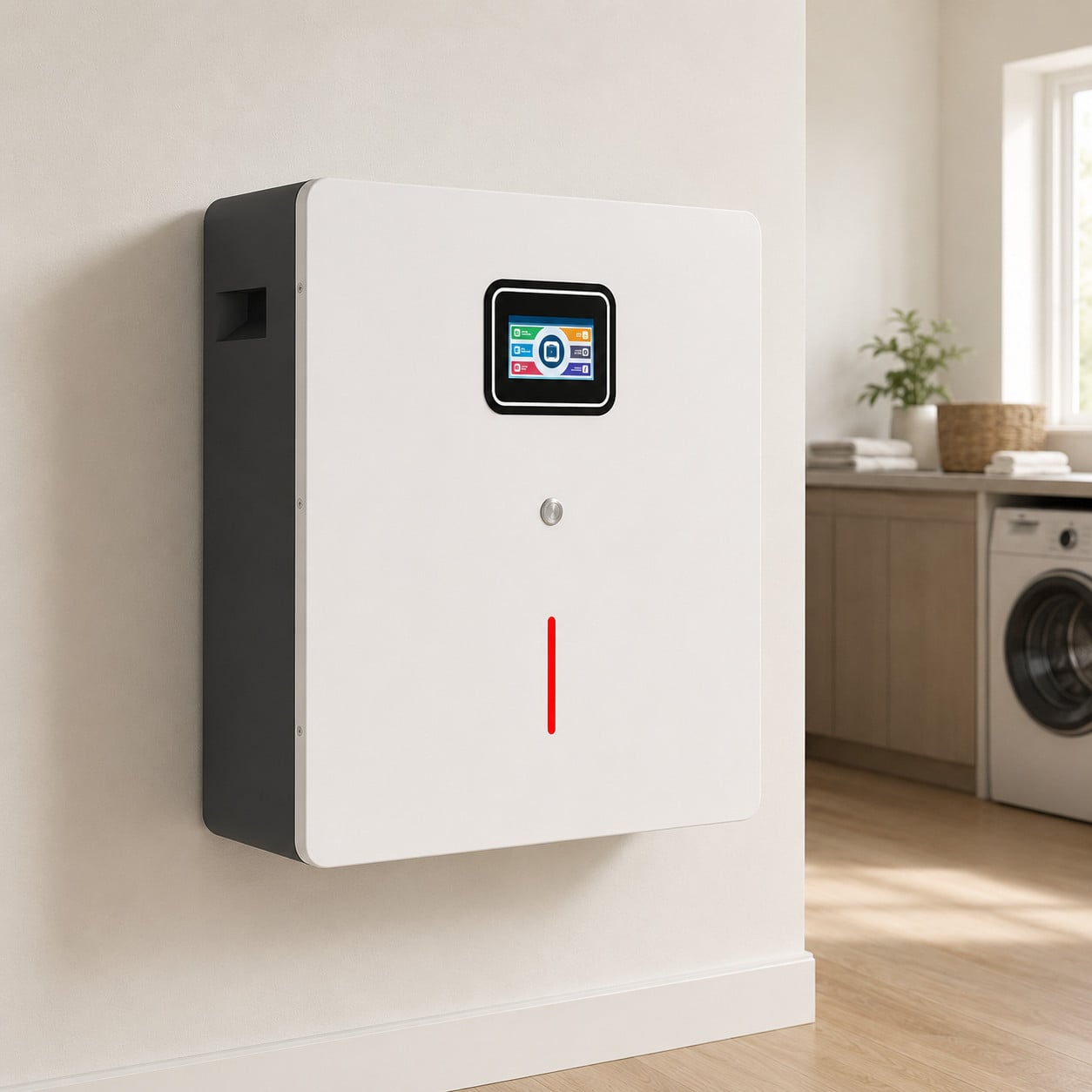
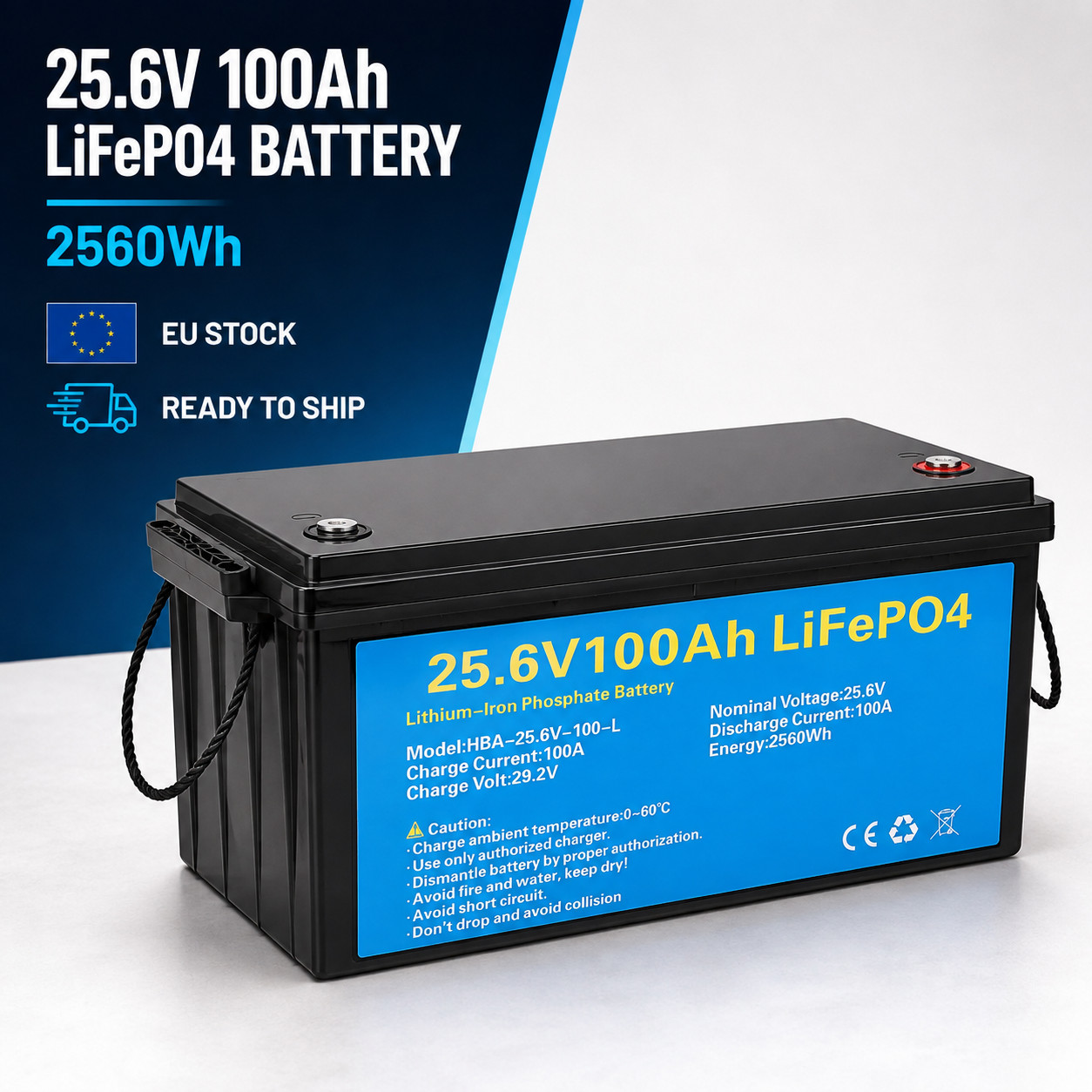
Inverters for home energy systems are vital for converting stored energy into usable electricity. Central to these systems are batteries, specifically those designed for inverter applications. The type of small inverter with battery you choose can significantly impact efficiency, lifespan, and overall system performance. This article will explore key specifications to consider when selecting a battery for inverter for home use, the cost factors involved, common problems and solutions, the advantages of LiFePO4 batteries, and where to source bulk orders for your projects.

Understanding the Cost Factors of Home Inverter Batteries

Understanding the Cost Factors of Home Inverter Batteries

The cost of batteries for inverters can vary widely based on several factors: 

Battery Chemistry: Lithium batteries, particularly LiFePO4, generally have a higher upfront cost than Lead-Acid batteries but offer longer lifespans and higher efficiency, which can lead to lower total costs over time. 

Capacity: Larger capacity batteries cost more. Consider your energy needs carefully to avoid overspending on unnecessary capacity. 

Cycle Life: Batteries with a longer cycle life may have a higher initial cost but are often more economical in the long run due to fewer replacements. 

Brand and Manufacturer: Reputable brands may charge a premium for their products due to better quality assurance, warranties, and support. 

Market Demand: Prices can fluctuate based on market demand for raw materials and finished products. Supply chain disruptions can also impact costs. 

Customization: If you require specific configurations or features, this can add to the cost. 

When evaluating battery for inverter costs for your inverter system, consider both the initial investment and long-term value to ensure a sound purchasing decision.

Common Problems with Inverter Batteries and Effective Solutions

Inverter batteries can experience several common issues that may impact performance: 

Short Lifespan: Often due to overcharging or deep discharging. Ensure your battery management system (BMS) is properly configured to prevent these conditions. 

Temperature Sensitivity: Batteries may not perform optimally in extreme temperatures. Choose batteries specifically designed for your climate conditions, such as YANSHUO LiFePO4, which typically have better thermal stability. 

Self-Discharge: Some batteries lose charge over time even when not in use. Regular maintenance checks can help identify self-discharge rates and ensure batteries are kept charged adequately. 

Incompatibility with Inverter: Always verify that the battery for inverter specifications align with your inverter’s requirements. Mismatched systems can lead to poor performance or damage. 

Physical Damage: Batteries can be sensitive to physical impacts. Ensure proper installation and use protective casing where necessary. 

By understanding these potential issues and their solutions, you can ensure a reliable energy storage solution for your home inverter system.

Advantages of LiFePO4 Batteries for Home Inverter Applications

YANSHUO LiFePO4 batteries present several advantages for home inverter applications: 

Safety: LiFePO4 batteries are known for their thermal and chemical stability, reducing the risk of fire and explosion compared to other lithium-ion batteries. 

Performance: They maintain a high level of performance even under high discharge rates, making them suitable for demanding applications. 

Longevity: With a cycle life of 2000-5000 cycles, LiFePO4 batteries offer significantly longer service life compared to traditional Lead-Acid batteries, which typically last only 500-1000 cycles. 

Efficiency: These batteries have higher charge and discharge efficiency, often exceeding 95%. This means more of the stored energy is available for use, maximizing the effectiveness of your inverter system. 

Low Maintenance: LiFePO4 batteries require less frequent maintenance compared to Lead-Acid batteries, which need regular topping off of water levels and monitoring of specific gravity. 

Environmentally Friendly: They are less harmful to the environment during production and disposal compared to lead-acid alternatives. 

For home energy systems, the advantages of mini inverter with battery often outweigh the initial cost, leading to better overall value and performance.

Where to Source Bulk Orders of Inverter Batteries for Projects

When sourcing bulk orders of batteries for inverter applications, consider the following: 

Reputable Manufacturers: Look for manufacturers like Shenzhen Yanshuosheng Technology Co., Ltd., known for their LiFePO4 energy storage systems and certifications such as UN38.3 and CE. Verified suppliers provide assurance of quality and compliance with regulations. 

Customization Options: Ensure the manufacturer can accommodate your specific needs, whether it’s in terms of capacity, dimensions, or other specifications. 

Minimum Order Quantity (MOQ): Confirm the MOQ requirements, as this can vary significantly among manufacturers. Understanding your project needs will help you choose a supplier that can meet your order size. 

Lead Time: Inquire about production and delivery timelines to ensure they align with your project schedule. 

Support and Warranty: A good manufacturer should offer robust customer support and warranty options to address any potential issues post-purchase. 

Samples for Testing: Before committing to bulk orders, request samples to verify the specifications and performance of the batteries in your specific application. 

By taking these factors into account, you can effectively source the right battery for inverter for your inverter projects, ensuring reliability and efficiency in your energy storage solutions.

Key Specifications to Evaluate When Selecting Batteries

When selecting a battery for inverter applications, several specifications are crucial to ensure compatibility and efficiency. These include: 

Battery Chemistry: The most common types are Lead-Acid and Lithium Iron Phosphate (LiFePO4). LiFePO4 batteries offer longer lifespans and better performance at high temperatures compared to Lead-Acid batteries. 

Capacity (Ah): This indicates the amount of energy a battery can store. It’s essential to match the capacity with your energy needs. A higher capacity allows for longer usage times during outages. 

Voltage: Ensure the battery voltage matches the inverter specifications. Common voltages for home systems include 12V, 24V, and 48V. 

Cycle Life: This represents how many charge and discharge cycles the battery for inverter can endure before its capacity diminishes significantly. LiFePO4 batteries typically have a cycle life of 2000-5000 cycles, depending on usage and depth of discharge. 

Discharge Rate: The maximum amount of current the battery for inverter can safely deliver without damage. This is particularly important for high-demand appliances. 

Dimensions and Weight: These affect the installation and space required. Ensure that your chosen portable inverter with battery fits within your designated area and complies with weight restrictions. 

Understanding these specifications will help you select the right battery for inverter for your inverter system, ensuring optimal performance and longevity.

Frequently Asked Questions

What is this battery for home inverters used for?

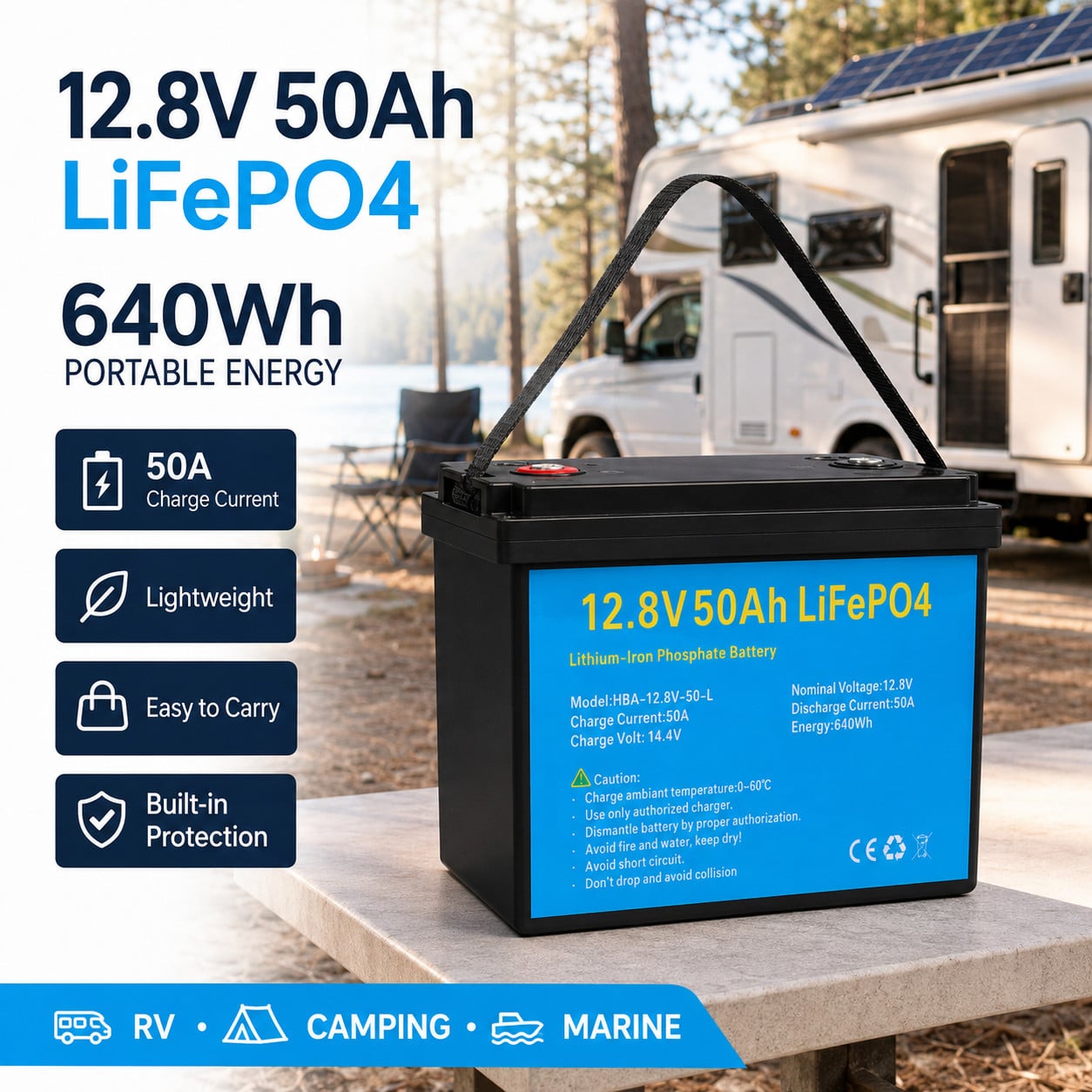
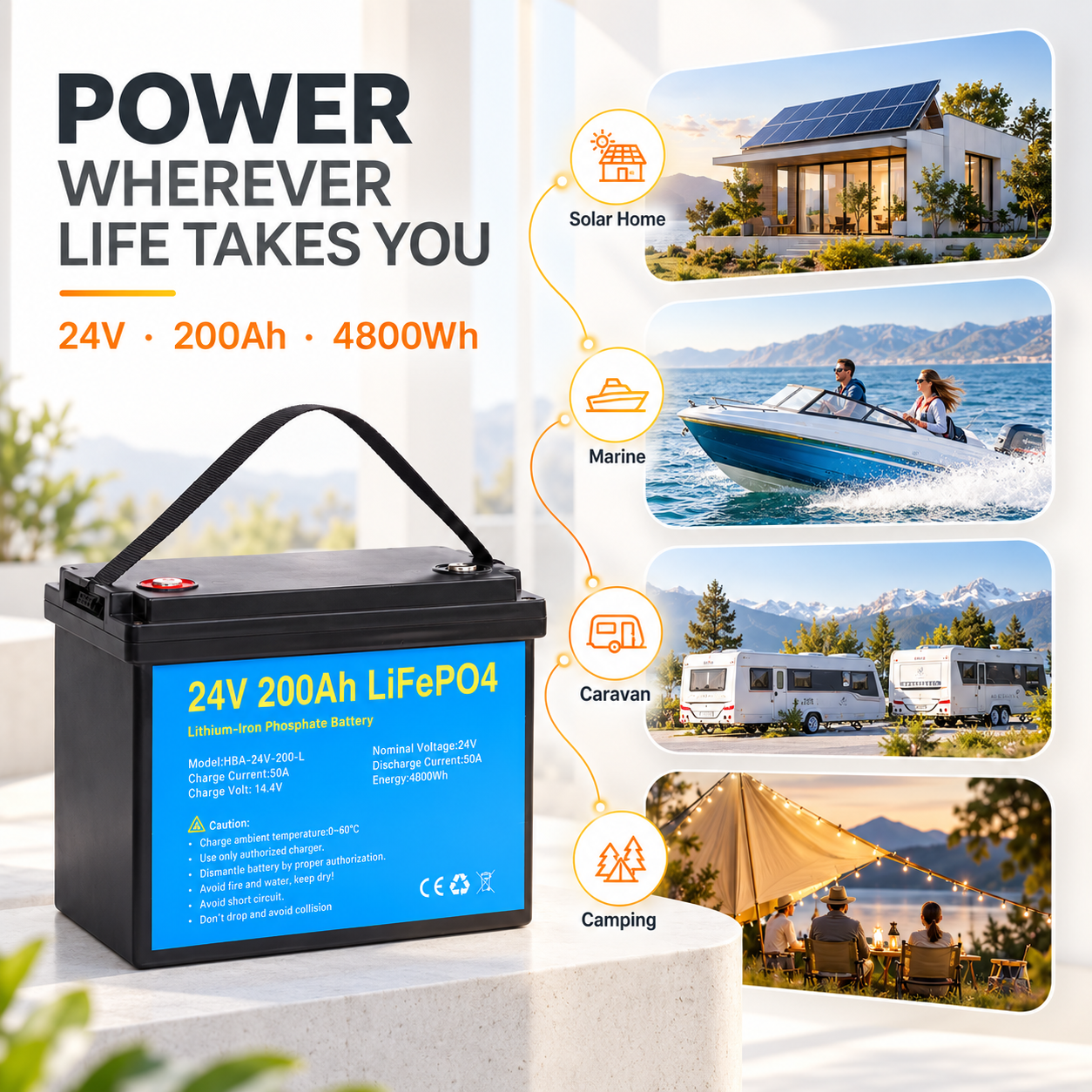
A LiFePO4 deep-cycle battery designed for residential inverter energy storage, solar, UPS, RV, and marine backup to supply stable power and long life for home applications.
The battery carries UN38.3 and CE certifications and features an independent BMS to ensure safety, transport compliance, and reliable battery management.
Our LiFePO4 batteries offer long cycle life, typically thousands of cycles depending on depth of discharge and operating conditions for extended residential use.
Yes, the battery is compatible with most inverters when voltage and communication requirements match; check inverter specs and BMS compatibility before installation.
We serve over 50 countries with global shipping and technical support for system design, installation guidance, and after-sales service for residential energy storage.

Get a Free Quote

Our representative will contact you soon.
0/1000