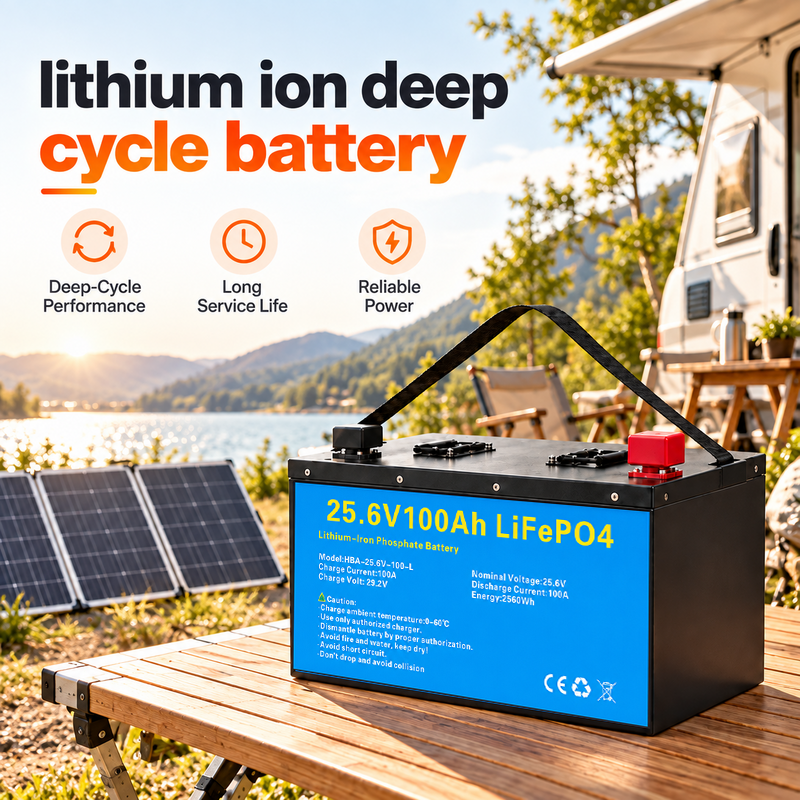
Lithium Ion Deep Cycle Battery: Key Insights

5,000+ units ready stock, 1–5 days fast global delivery

application/lithium-ion-deep-cycle-battery, application/lithium-ion-deep-cycle-battery, 
Inquiry
Inquiry

lithium ion deep cycle battery

Lithium ion deep  cycle batteries are a vital component in various  energy  storage  applications, particularly  in  solar, RV, UPS,  and marine systems.  These batteries are designed to provide reliable power over  extended  periods, making them essential for businesses and industries  that rely on uninterrupted energy supply. As a potential buyer, understanding  the key specifications, sourcing strategies, installation guidelines,  common issues,  and applications of  lithium  ion deep  cycle  batteries is  crucial  for making informed purchasing decisions.

How to Source Quality Lithium Ion Deep Cycle Batteries Wholesale

How to Source Quality Lithium Ion Deep Cycle Batteries Wholesale

Sourcing quality  lithium ion deep cycle batteries involves  several strategic steps:

Identify Reputable Suppliers: Look for manufacturers with a strong reputation in the industry, such as Shenzhen Yanshuosheng Technology Co., Ltd.,  which specializes in LiFePO4 energy storage systems and has experience serving international markets.

Request Product Samples: Before  placing a bulk  order, obtain samples  to evaluate the battery's performance, dimensions, and quality. Testing samples under actual operating conditions can reveal potential issues that may not be  apparent from product specifications alone.

Verify Certifications and Compliance: Ensure that the batteries meet industry standards and have relevant  certifications.  This can help mitigate risks associated  with product liability and safety.

Negotiate Pricing and Terms: Discuss pricing based on  order volume, as  larger orders often secure better rates. Also, clarify payment terms, lead times, and return policies.

Check References and Reviews: Look for testimonials or case studies from other businesses that have purchased from the supplier. This can provide insights into product reliability and customer service.

Discuss Customization Options: If your project requires  specific features or configurations,  inquire about customization capabilities. A flexible manufacturer can adapt to your unique needs, which can enhance the battery's performance in your application, such as with the All-in-One Energy Storage System 3KW / 5KW Hybrid Cabinet for Typical Homes.

By following  these steps, buyers can ensure they source high-quality  lithium ion deep cycle batteries that  meet their specific requirements.

Installation Guidance for Lithium Ion Deep Cycle Battery Systems

Proper installation of lithium ion deep cycle battery systems is crucial  for optimal performance and longevity. Here are key considerations:

Location: Install batteries in a dry,  well-ventilated space that is protected from extreme temperatures and moisture. Avoid direct sunlight and high humidity, which can affect battery  performance.

Wiring and Connections: Use  appropriately rated wiring  and connectors to prevent overheating and ensure efficient energy  transfer. Follow the manufacturer’s guidelines for wiring configurations and  connection methods.

Battery Management System (BMS): Ensure  the installation includes a reliable  BMS, which monitors battery  health, balances charging,  and provides essential safety features. A BMS can prevent overcharging  and deep discharging, extending the battery's lifespan.

Regular Maintenance: Schedule periodic inspections  to check for corrosion, loose connections, and overall battery health.  This proactive approach can help identify potential issues before they  become serious.

Training and Safety Protocols: Ensure that personnel involved in the installation and maintenance are  adequately trained on safety protocols and operational procedures. This is particularly  important  for handling lithium-ion batteries, which can pose  risks if not managed properly.

Following these guidelines can help ensure that lithium ion deep cycle battery systems are installed correctly, maximizing their performance and  lifespan.

Common Issues with Lithium Ion Deep Cycle Batteries and Solutions

Despite their advantages, lithium ion deep cycle batteries can encounter  several common issues:

Overcharging: This can lead to thermal runaway,  damaging the battery and posing safety risks.  To counteract this, use a compatible charger  with built-in overcharge protection and  follow the  recommended charging protocols.

Temperature Sensitivity: Extreme  temperatures can negatively affect battery performance. Implement temperature  monitoring solutions and install batteries in climate-controlled environments to mitigate this risk.

Self-Discharge: While lithium ion batteries generally have low self-discharge rates,  prolonged  storage can lead to capacity loss.  Regularly charge  batteries if they are not in use for  extended periods and avoid letting them discharge completely.

Physical Damage: Impact or  puncture can compromise battery integrity. Ensure proper handling and storage to prevent physical damage, and conduct regular inspections for signs of wear.

Inadequate Sizing: Choosing a battery that is too small  for the intended application can lead to performance issues. Carefully assess energy demands  and select a  battery with a suitable capacity, such as the Deep Cycle 12V 24V 50Ah 100Ah 200Ah LiFePO4 Lithium Ion Solar Energy Battery Storage Systems With BMS.

By being aware of these common issues and  implementing preventive measures, buyers can enhance the reliability and  safety of their lithium ion deep cycle battery systems.

Applications of Lithium Ion Deep Cycle Batteries in Various Industries

Lithium ion deep cycle batteries are  versatile and find applications across various industries:

Solar Energy: In solar energy systems, these batteries store excess energy generated during the day  for use at night or during cloudy days. Their long cycle  life  and efficiency  make them ideal for residential  and commercial  solar setups.

Recreational Vehicles (RV): Lithium ion batteries provide reliable power  for RV appliances, lighting, and electronics. Their lightweight design and ability to  discharge deeply without damage make them preferable to traditional lead-acid batteries.

Uninterruptible Power Supplies (UPS): In UPS systems,  lithium ion batteries ensure that critical systems remain powered during  outages.  Their fast charge time and high energy density contribute to uninterrupted operations.

Marine Applications: Lithium ion deep cycle batteries are increasingly used in marine settings, providing power for navigation systems, lights, and  onboard  appliances. They offer significant weight savings and longer service life compared to traditional batteries.

Electric Vehicles (EVs): The automotive industry utilizes  lithium  ion batteries for electric vehicles due to their efficiency, rapid charging capabilities,  and longevity. They play a crucial role in advancing sustainable transportation solutions.

By understanding the  diverse applications of lithium ion deep cycle batteries, businesses can better strategize their energy storage solutions to meet specific needs across different sectors.

Key Specifications to Evaluate in Lithium Ion Deep Cycle Batteries

When  evaluating  lithium ion deep cycle batteries, several key specifications should be  considered:

Capacity (Ah): The capacity, measured in ampere-hours (Ah), indicates how  much energy the battery can store. Higher capacity  means longer usage times between charges. Buyers should assess their  energy needs and select  a capacity  that meets their application requirements.

Voltage Rating: Common voltage configurations include 12V, 24V, and 48V. The chosen voltage  should align with the system's requirements  to ensure compatibility and optimal performance.

Cycle Life: This refers to the number of complete charge/discharge cycles a battery can undergo before its  capacity significantly diminishes. A longer cycle life  translates  to lower  replacement frequency and costs.

Discharge Rate: The discharge rate, often specified as a C-rate, indicates how quickly a battery can release its stored energy. Buyers  should match this rate with their application needs to avoid performance issues.

Temperature Tolerance: Lithium ion batteries perform best within specific temperature ranges. Understanding the operational environment is essential to prevent performance degradation or safety hazards.

Safety Certifications: Look for certifications  such as UN38.3 and  CE, which indicate compliance with safety standards. This is especially important in applications where safety is  critical.

By  carefully evaluating these specifications, buyers can select a lithium ion deep cycle battery that meets their operational and safety requirements, such as the High Performance 50Ah LiFePO4 Lithium Ion Battery Pack Deep Cycle 12V High Efficiency Lithium Iron.

Get a Free Quote

Our representative will contact you soon.
0/1000