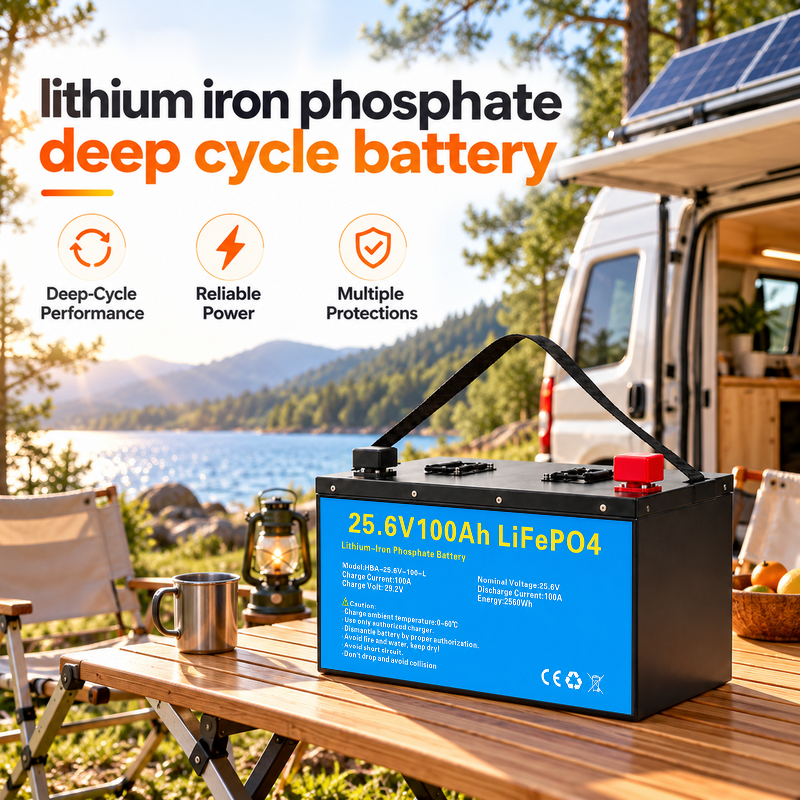
Choosing Lithium Iron Phosphate Deep Cycle Batteries

5,000+ units ready stock, 1–5 days fast global delivery

application/lithium-iron-phosphate-deep-cycle-battery, application/lithium-iron-phosphate-deep-cycle-battery, 
Inquiry
application/lithium-iron-phosphate-deep-cycle-battery, application/lithium-iron-phosphate-deep-cycle-battery, 
Inquiry

lithium iron phosphate deep cycle battery

Lithium iron phosphate  (LiFePO4) deep cycle batteries are at the forefront  of  energy storage  technology, providing  reliable power solutions across various  applications such as solar  energy systems, recreational vehicles (RVs), uninterruptible power supplies (UPS), and marine  environments. As a B2B buyer, your primary concerns likely involve selecting the right battery to  meet specific operational requirements, evaluating  quality and performance, and understanding  cost factors related  to  your purchase. This article will guide  you  through key considerations  for choosing the appropriate lithium iron phosphate deep  cycle battery, comparing specifications, understanding cost  implications, evaluating quality, and  providing installation guidance.

 
Comparing Specifications of Lithium Iron Phosphate Deep Cycle Batteries

Comparing Specifications of Lithium Iron Phosphate Deep Cycle Batteries

Understanding the specifications of lithium iron phosphate  deep cycle batteries is  crucial for making  an informed purchase. Here are some key specifications to compare:

Energy Density: This refers to the amount of energy stored in a given volume or  mass.  Higher energy density means a lighter and more compact battery,  which is particularly beneficial in space-constrained applications like RVs.


Internal  Resistance: Lower internal resistance generally  leads to greater  efficiency. Batteries with  lower resistance can deliver more power and charge  faster,  which is essential for applications with high power demands.

Weight and Size:  Consider the physical dimensions and weight of the battery, as this can impact installation and transport. Ensure that the battery fits within the designated  space in your application.

Safety Features: Look for batteries with built-in Battery Management Systems (BMS) that monitor voltage, temperature, and overall health to prevent overcharging, overheating, and other safety issues.

By  comparing these specifications, you can  identify a battery that aligns with your operational needs while ensuring  safety  and  efficiency.

Understanding Cost Factors for Lithium Iron Phosphate Battery Purchases

The  cost of lithium iron phosphate deep cycle  batteries can  vary significantly based on  several factors:

Raw Material Costs: The prices of  lithium, iron, and phosphate fluctuate based on market conditions, affecting overall battery  pricing.

Manufacturing Processes: Batteries made with advanced manufacturing techniques may have higher upfront costs but  can offer better performance and longevity. Investigate whether the manufacturer employs high-quality production standards and quality  control processes.

Customization Options: Customization can influence the price. If you require specific  configurations, such  as unique dimensions or additional safety features, be prepared for  potential increases in cost.

Volume Discounts: Purchasing in bulk can  often lead to reduced per-unit  costs. If your application necessitates multiple batteries, inquire about pricing tiers based on  order quantity.


Understanding  these  cost factors will  enable you to  budget effectively  and make a more informed purchasing decision.

How to Evaluate the Quality of Lithium Iron Phosphate Deep Cycle Batteries

Quality evaluation is  critical when  selecting a lithium  iron phosphate battery. Here’s  what to look for:

Certifications: Ensure  the battery has relevant certifications, such as UN38.3 and  CE, indicating compliance with international safety and performance standards.  These certifications can be a sign  of a reliable product.

Manufacturer  Reputation: Research the manufacturer's history and  reputation in the  industry.  Companies with established experience and a track record of quality are more likely to  provide  reliable products.


Warranty and Support: A robust warranty can be an indicator of quality. Look for manufacturers that offer comprehensive warranties and customer  support to address any issues post-purchase.

Sample Testing: Request samples for testing  under your specific operating conditions. Evaluating a sample battery can help identify potential issues before committing to  a larger order.

By focusing on these quality indicators, you can ensure that  the battery you select will perform reliably throughout its lifespan.


Installation Guidance for Lithium Iron Phosphate Deep Cycle Battery Systems

Proper installation of lithium iron phosphate deep cycle batteries is crucial for optimal performance. Here are some installation considerations:


Location: Choose  a well-ventilated area to prevent overheating. Avoid locations with  extreme temperatures or moisture exposure, which can affect battery performance.


Connection  Setup: Ensure that the battery connections are secure  and compatible with your existing system.  Pay  attention to polarity and use  appropriately rated cables to prevent voltage drops and ensure safety.

BMS  Integration: If the battery has an  integrated BMS, follow the manufacturer’s guidelines for connecting  to your system. The  BMS plays a vital role in monitoring battery health and  performance.

Regular Maintenance: While lithium iron phosphate batteries require less maintenance than other types, periodic checks on  connections and performance can prevent potential issues.

Testing: After installation, run tests to ensure the  battery operates as expected under  load conditions. This step can help you  identify any anomalies early on.

By following these installation guidelines, you can maximize the efficiency and longevity of your lithium iron phosphate deep cycle battery system, ensuring  reliable  power for your applications.

Choosing the Right Lithium Iron Phosphate Deep Cycle Battery for Your Needs

When selecting a lithium iron phosphate deep cycle  battery, it’s essential to evaluate your energy requirements and  application. Key factors to consider include:

Capacity and Voltage: Determine the energy capacity (measured in ampere-hours, Ah) required for your application. For instance, a higher capacity battery is suitable for larger solar systems where extensive energy storage is necessary. Voltage requirements also vary  based on the system design, so ensure compatibility with your existing equipment.


Cycle Life:  LiFePO4 batteries typically offer a longer cycle life compared  to lead-acid counterparts. A battery with  a higher cycle life means it can be charged  and  discharged more times before performance degradation occurs, ultimately leading to lower replacement costs over  time.

Discharge Rate: Assess the  maximum discharge rate to  ensure the battery can handle the load  demands of your application. For  instance, marine applications may require  batteries that can  provide high bursts  of power  for short durations.

Temperature Range: Different applications may expose batteries to varying temperature conditions. Verify that the battery can  operate efficiently within the expected temperature range of  your environment.

Get a Free Quote

Our representative will contact you soon.
0/1000