Choosing the Right 12V Lithium Deep Cycle Battery

5,000+ units ready stock, 1–5 days fast global delivery

application/12v-lithium-deep-cycle-battery, application/12v-lithium-deep-cycle-battery, 
Inquiry
Inquiry

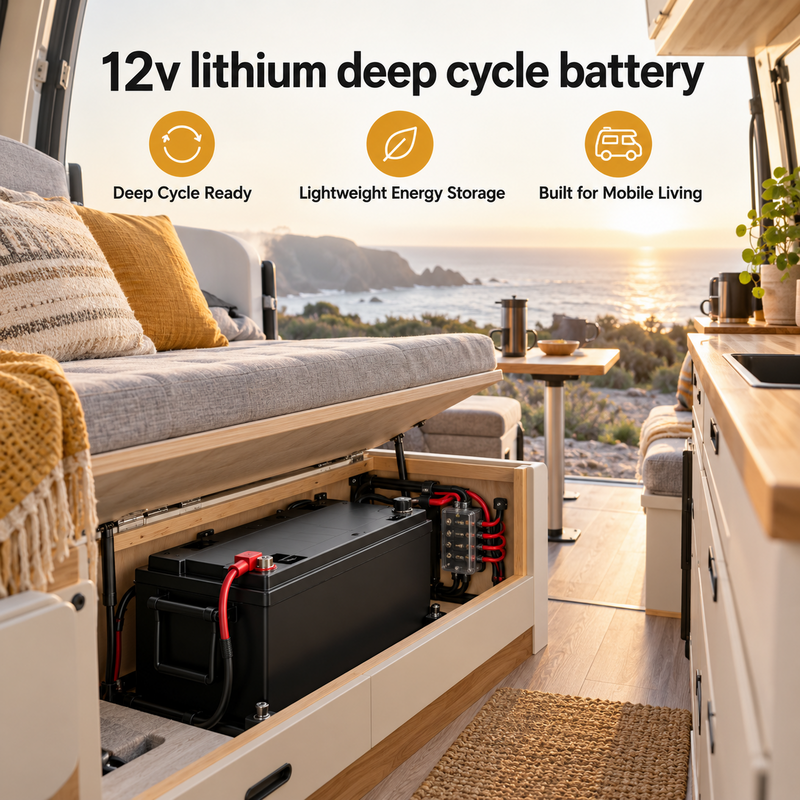
12v lithium deep cycle battery

Choosing the right 12V lithium deep  cycle  battery  is pivotal for various  applications, including solar  energy systems, recreational  vehicles (RVs),  uninterruptible power supplies (UPS), and  marine  uses. Buyers often face challenges in selecting a battery  that  meets  their specific needs, considering factors like performance, cost, and compatibility. This article  will provide  a comprehensive guide to  the  essential aspects  of 12V lithium deep cycle batteries,  helping  you make informed purchasing decisions.

 
Key Specifications for 12V Lithium Deep Cycle Batteries Explained

Key Specifications for 12V Lithium Deep Cycle Batteries Explained

Understanding the key specifications of 12V lithium deep cycle  batteries  is vital for making an informed choice. Important  specifications include:

Capacity (Ah): Measured  in amp-hours,  this  indicates  how  much energy the battery can store. A higher capacity means longer usage before  needing a recharge. Cycle Life: This refers to the number of complete charge and discharge cycles a battery can undergo before its capacity diminishes significantly.  Lithium batteries typically offer a longer cycle  life compared to lead-acid counterparts. Discharge Rate: Describes how quickly the battery can release its stored energy. Higher discharge rates  are essential  for applications needing quick bursts  of power. Temperature  Range: Batteries  have specific operating temperature ranges. Ensure  the selected battery can perform efficiently in the environment it will be used, especially for outdoor applications. Weight and Size: The physical  dimensions and weight will affect installation and transport, particularly in mobile applications like RVs  and boats.

By  confirming these specifications align with your requirements, you can ensure optimal performance in your intended application.

Cost Factors to Assess When Purchasing 12V Lithium Deep Cycle Batteries

Several cost factors should be considered when purchasing a 12V  lithium deep cycle battery.  While the initial purchase price is important, it's crucial to evaluate the total cost of ownership, which includes lifespan, maintenance,  and replacement costs.

Initial Cost: Lithium batteries generally have a higher upfront cost than traditional  lead-acid batteries.  However, the longer lifespan and lower maintenance requirements can make them more economical  over  time. Lifespan and Cycle Count: Consider the expected lifespan of the battery. A higher cycle count can offset the initial investment by  reducing the frequency of replacements. Maintenance Costs: Lithium batteries  require  less  maintenance than lead-acid batteries, which can lead to  cost  savings  in the long run. Warranty: A robust warranty can provide peace  of mind and protect against defects or performance issues, which can otherwise lead to  additional costs.

By  analyzing these cost factors, you  can  make a more informed financial decision regarding your  battery purchase.

Common Problems and Solutions with 12V Lithium Deep Cycle Batteries

While 12V lithium deep cycle batteries are known for their reliability, users may  encounter common issues. Understanding these can help mitigate risks:

Overcharging: Lithium batteries can be  damaged if overcharged. Ensure you use a compatible battery management system (BMS) to prevent this. An independent  BMS  can monitor and control charging, enhancing battery longevity. Temperature Sensitivity: Extreme temperatures  can  affect  battery performance.  If operating in harsh conditions, choose batteries designed for wider temperature ranges or consider additional  insulation and  ventilation. Incompatibility with Existing Systems: Ensure that the battery is compatible with your existing power systems, including charge  controllers and inverters. Mismatched systems can lead  to inefficient performance or  damage. Self-Discharge Rates: Lithium batteries have lower self-discharge rates than lead-acid, but  it’s still important  to monitor  them if not used for extended periods. Regular maintenance checks  can  prevent unexpected issues.

Addressing these common problems proactively  can enhance the  performance and reliability of your 12V lithium deep cycle battery.

Applications of 12V Lithium Deep Cycle Batteries in Various Industries

12V lithium deep cycle batteries find applications across multiple industries,  each benefiting  from their unique advantages:

Solar Energy Storage: These batteries are ideal for solar  power systems, providing efficient  energy storage and enabling users to utilize renewable energy  at night or  during cloudy days. Recreational  Vehicles (RVs): With their  lightweight and compact  design, lithium  batteries are perfect for RVs, offering long-lasting power  for appliances and lighting without the weight penalty associated with  lead-acid batteries. Uninterruptible Power Supplies (UPS): In UPS applications, lithium  batteries provide reliable backup power, ensuring critical systems remain  operational during outages. Marine Applications: Their resistance to  deep discharges and ability to operate in harsh environments make lithium batteries suitable for marine  use, providing dependable power for onboard electronics and systems.

Understanding these  applications can help you determine  the best fit for your  specific needs and leverage the advantages  of 12V lithium deep cycle batteries effectively.

What to Consider When Choosing a 12V Lithium Deep Cycle Battery

When  selecting a 12V lithium  deep cycle battery, several  key considerations come into play. First, assess the intended application—whether it’s for solar  energy storage, RV use, or marine applications—as this will influence  your choice of battery specifications. Look for batteries  with robust performance ratings, including cycle life, discharge rates, and  temperature  tolerance, as  these factors determine how  well  the battery will function in specific environments.


Additionally, evaluate the battery’s size and weight, particularly for mobile applications like RVs and boats, where  space and weight constraints  are critical.  Check for certifications such  as UN38.3 and CE, which indicate adherence to safety and performance standards. Furthermore, consider the manufacturer’s reputation for quality  and reliability, as this  can significantly impact  long-term performance and maintenance needs.


Get a Free Quote

Our representative will contact you soon.
0/1000