Choosing the Right 3kW Hybrid Solar Inverter

5,000+ units ready stock, 1–5 days fast global delivery

application/3kw-hybrid-solar-inverter, application/3kw-hybrid-solar-inverter, 
Inquiry
Inquiry

3kw hybrid solar inverter

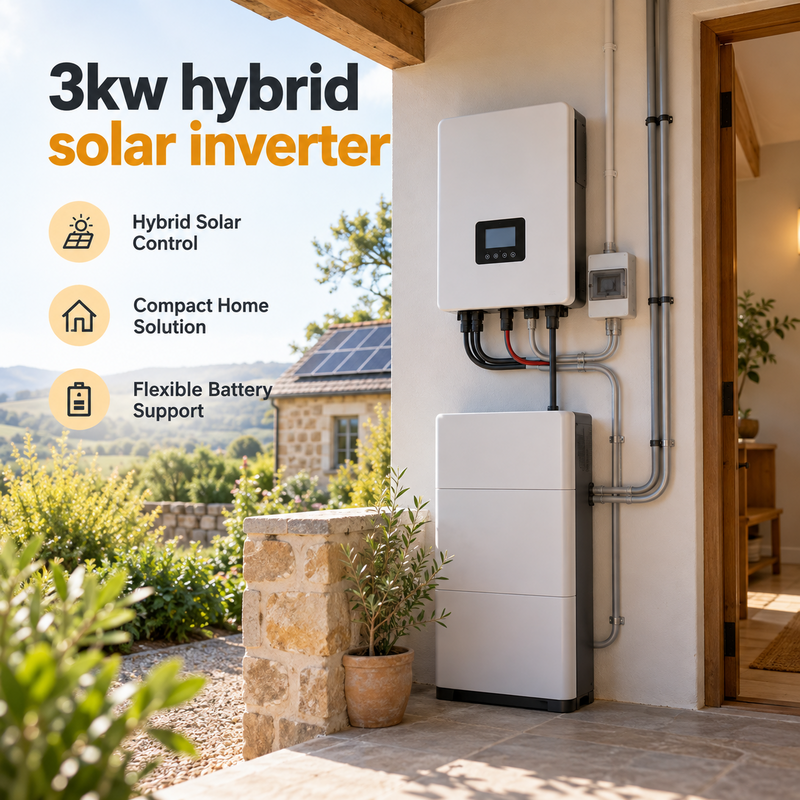
When considering renewable energy  solutions, a 3kW hybrid  solar inverter is a  pivotal  component in maximizing energy  efficiency for various applications.  This device not only converts  solar energy  into usable electricity but also integrates with energy storage systems, particularly  in residential settings.  B2B buyers, such as  purchasing managers and engineers, often seek to understand the specifications, installation requirements, and  potential issues associated with these inverters.  This  article will  guide  you through essential considerations for selecting a 3kW hybrid  solar inverter, sourcing reliable suppliers,  installation guidance, common  problems, and quality control standards in  manufacturing.

Where to Find Reliable Suppliers of 3kW Hybrid Solar Inverters

Where to Find Reliable Suppliers of 3kW Hybrid Solar Inverters

Finding  trustworthy suppliers for 3kW hybrid solar inverters can  be challenging, given the variety of  manufacturers  in the  market. Here are some recommendations for  identifying reputable suppliers:

Industry Certifications and Experience: Suppliers with established certifications and a proven track  record in manufacturing are more likely  to provide reliable products. Look for companies with experience in solar technology,  like Shenzhen Yanshuosheng Technology Co., Ltd., which specializes in  energy storage systems.Energy Storage Systems 3.6KW 5.5KW 24V 48V On/Off Grid Solar Inverter Pure Sine Wave Inverter MPPT Hybrid Inverters.


Customer Reviews and Testimonials: Researching customer feedback can  provide insights into the supplier's product performance and service quality. Positive reviews often indicate reliability and customer satisfaction.

Trade Shows and Industry Events: Attending trade shows can facilitate direct interaction with suppliers, allowing you to assess their offerings and expertise firsthand. Networking at these events can also yield recommendations for reputable  manufacturers.

Online Marketplaces  and Directories: Use specialized B2B platforms to search for suppliers,  reviewing their product  ranges, specifications, and customer ratings.

By leveraging  these strategies, buyers  can enhance their chances of selecting  a reliable supplier for their hybrid solar inverter needs.

Installation Guidance for 3kW Hybrid Solar Inverter Systems

Proper installation of a 3kW hybrid solar inverter is critical for optimal performance. Here are key guidelines:

Site Assessment: Before installation,  conduct  a comprehensive  site assessment. Factors such as shading,  orientation, and roof condition can significantly impact solar panel efficiency and inverter performance.

Electrical Connections: Ensure  that all electrical  connections adhere  to local codes and standards.  It is advisable to engage a qualified electrician for installation to ensure safety and compliance.


Cooling and Ventilation: Inverters generate heat  during  operation,  so adequate ventilation  is essential. Install the inverter in a location that allows  for  airflow, avoiding enclosed spaces that may trap heat.


Testing and Commissioning: After installation, perform thorough testing to  ensure that all components function correctly. Check the inverter's settings and monitor  system performance to confirm that it meets expected output levels.

Following these installation guidelines will enhance the inverter's  performance and longevity, reducing the likelihood of operational issues.


Common Problems with 3kW Hybrid Solar Inverters and Their Solutions

B2B buyers should be aware of  common issues that can arise  with 3kW hybrid solar inverters and how to address them:

Overheating: Excessive heat can lead to performance degradation. To mitigate this, ensure proper ventilation and avoid  installation in  direct sunlight.


Communication Errors: If the inverter fails to communicate with the energy  storage system, check the  settings  and wiring connections. Updating firmware may also resolve software-related  issues.

Output  Fluctuations: Variability in output can indicate problems with the solar panels or inverter settings. Regular maintenance checks can help identify and rectify these issues promptly.

Battery Compatibility: Using batteries that  do not match  the inverter specifications can lead to inefficiencies. Always  confirm compatibility  with the supplier before  purchase.

By proactively addressing these  common issues, buyers  can ensure  more reliable operation of  their hybrid solar inverter systems.

Quality Control Standards for 3kW Hybrid Solar Inverter Manufacturing

Quality control is vital in manufacturing 3kW hybrid  solar inverters to ensure reliability  and performance. Here are  critical quality  control standards:

Material Selection: The choice of materials directly impacts the longevity and efficiency  of the inverter. Manufacturers should use high-quality components that meet performance specifications.

Manufacturing Processes: Adopting stringent manufacturing processes and  quality assurance protocols helps identify defects early in  production. This includes routine  inspections  and testing of components.

Performance Testing: Rigorous performance testing simulates  real-world operating  conditions to ensure the  inverter meets efficiency and output specifications. This  testing  should occur at multiple stages of production.

Documentation and Certification: Manufacturers should maintain clear documentation of compliance with international standards like UN38.3  and CE.  This transparency builds trust with buyers and  ensures accountability.

By  adhering to these quality control practices, manufacturers can  provide reliable 3kW hybrid  solar inverters that meet customer expectations and regulatory requirements.

What to Consider When Choosing a 3kW Hybrid Solar Inverter

When selecting a 3kW hybrid solar inverter, several factors must be considered to ensure optimal performance and compatibility with your existing systems. Key specifications include:

Input and Output Voltage: It is crucial  to match the  inverter’s  input voltage with  your solar panel array. A mismatch can lead to  inefficiency or  damage. Efficiency Ratings: Look for inverters with high efficiency ratings (above 90%) to maximize energy  conversion. Higher efficiency reduces  energy losses during conversion. Compatibility with Energy Storage: Ensure that the inverter can integrate seamlessly  with your LiFePO4 energy  storage system. This compatibility is vital for maximizing stored energy use, especially in  residential  applications. For instance, consider using High Performance 50Ah LiFePO4 Lithium Ion Battery Pack Deep Cycle 12V High Efficiency Lithium Iron. Control Features: Advanced features such as remote monitoring and grid  interaction  capabilities can enhance  usability and  efficiency, enabling  users to manage energy consumption better. Certifications: Verify that the inverter has necessary certifications such as UN38.3 and CE,  ensuring compliance with international safety and quality standards. This  is particularly important for buyers focused on reliability and safety.

Understanding these specifications will help buyers make informed decisions  that align with their project requirements and energy goals.

Get a Free Quote

Our representative will contact you soon.
0/1000