Batteries to Store Solar Electricity: Key Insights

5,000+ units ready stock, 1–5 days fast global delivery

application/batteries-to-store-solar-electricity, application/batteries-to-store-solar-electricity, 
Inquiry
application/batteries-to-store-solar-electricity, application/batteries-to-store-solar-electricity, 
Inquiry

Batteries to store solar electricity

The growing demand for sustainable energy solutions has led to an increasing interest in batteries to store solar electricity. These batteries play a crucial role in maximizing the battery management system efficiency of solar energy systems, allowing users to harness and store energy for later use. Buyers often have concerns about product specifications,  suitability for specific applications, installation requirements and overall costs. This article aims to provide essential insights into LiFePO4 batteries, helping B2B buyers make informed decisions for their solar energy storage needs. 

Installation Guidance for Efficient Solar Battery Systems

Installation Guidance for Efficient Solar Battery Systems

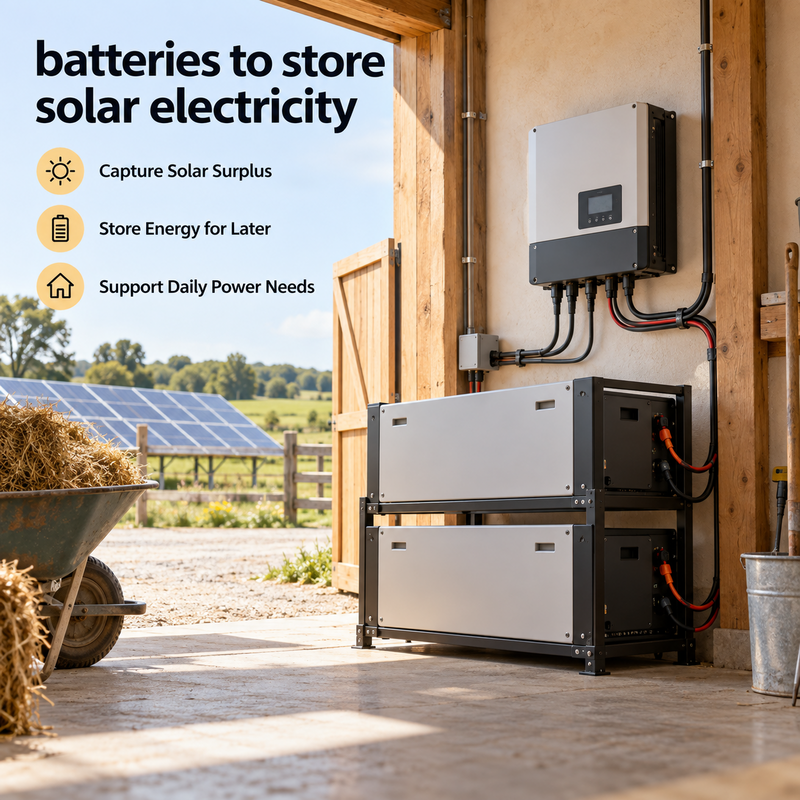
Proper installation of LiFePO4 batteries is vital for maximizing efficiency and ensuring safety. Here are several key considerations: 

Location: Choose a location that is dry, cool, and well-ventilated. Excessive heat can shorten battery life and performance. 

Mounting: Ensure that the battery is securely mounted and at an appropriate angle if necessary. This prevents movement during operation and ensures optimal performance. 

Wiring: Use the correct gauge wires for connections to prevent overheating and voltage drop. It's advisable to consult electrical codes and guidelines during installation. 

Battery Management System (BMS): Ensure that the battery management system battery is equipped with a reliable BMS. This system monitors the battery's performance, helps to prevent overcharging, and balances cell voltage, contributing to a longer lifespan. 

Safety Measures: Install appropriate fuses and circuit breakers to protect against short circuits. Regular inspections and maintenance checks can help identify any potential issues before they escalate. 

Following these guidelines can help ensure that your solar battery system operates efficiently and safely, maximizing your investment in solar energy. 

Comparing Costs of LiFePO4 Batteries for Solar Applications

The cost of LiFePO4 batteries can vary significantly based on capacity, brand, and additional features such as built-in BMS. When evaluating costs, buyers should consider not only the initial purchase price but also the long-term savings that come from reduced energy bills and maintenance costs. 

Initial Investment: While LiFePO4 batteries may have a higher upfront cost compared to other battery technologies, their longer lifespan and lower degradation rates typically result in lower overall costs over time. 

Total Cost of Ownership: Buyers should calculate the total cost of ownership, including installation costs, expected lifespan, and potential energy savings. This comprehensive view can help determine the battery management system most cost-effective solution. 

Market Fluctuations: Prices can fluctuate based on market demand and supply chain factors. Staying informed about trends in battery pricing can help buyers time their purchases effectively. 

Comparing Brands: Different manufacturers may offer varied warranties, performance specifications, and customer service. It is advisable to compare these factors along with price to ensure a well-rounded decision. 

By considering these aspects, buyers can make a more informed choice that balances performance and cost. 

Common Challenges with Solar Battery Systems and Solutions

While LiFePO4 batteries offer numerous advantages for solar energy storage, several challenges can arise during their use. Understanding these challenges and their solutions can help buyers mitigate potential issues: 

Temperature Sensitivity: LiFePO4 batteries can be sensitive to extreme temperatures. To combat this, ensure that batteries are installed in climate-controlled environments where possible. 

Monitoring and Maintenance: Regular monitoring is essential for maintaining battery health. Implementing a BMS helps in monitoring performance, but buyers should also schedule periodic physical inspections. 

Compatibility Issues: Integrating new battery systems with existing solar setups can sometimes lead to battery management system compatibility issues. Buyers should verify that the voltage and capacity of the new solar panels and batteries for home align with their current systems. 

Battery Degradation: Over time, all batteries will degrade, leading to reduced capacity. To extend battery life, avoid deep discharges whenever possible, as this can accelerate degradation. 

By addressing these challenges proactively, buyers can enhance the performance and longevity of their solar battery systems. 

Evaluating the Quality of Solar Energy Storage Batteries

Quality is a critical consideration when selecting LiFePO4 batteries for solar energy storage. Here are key factors to evaluate: 

Certifications: Look for batteries that are UN38.3 and CE certified, which indicates compliance with international safety and performance standards. These certifications provide reassurance regarding the battery's safety and reliability. 

Manufacturing Processes: Understanding the manufacturing process can shed light on the quality of the solar panel batteries cost. Manufacturers that implement strict quality control measures during production are likely to provide more reliable products. 

Warranty and Support: A robust warranty is a sign of confidence from the battery management system manufacturer. Buyers should look for warranties that cover both performance and durability for an extended period. 

Customer Reviews and Case Studies: Researching customer feedback and case studies can provide insight into real-world performance and reliability. This information can be invaluable in assessing how products perform in various applications. 

Supplier Reputation: Engaging with reputable suppliers who have a history of quality and service can lead to better procurement experiences. Assessing their market presence and customer feedback can help in selecting a trustworthy partner. 

By thoroughly evaluating these aspects, buyers can make informed decisions that ensure the quality and performance of their solar energy storage systems. 

Choosing the Right LiFePO4 Battery for Your Solar Energy Needs

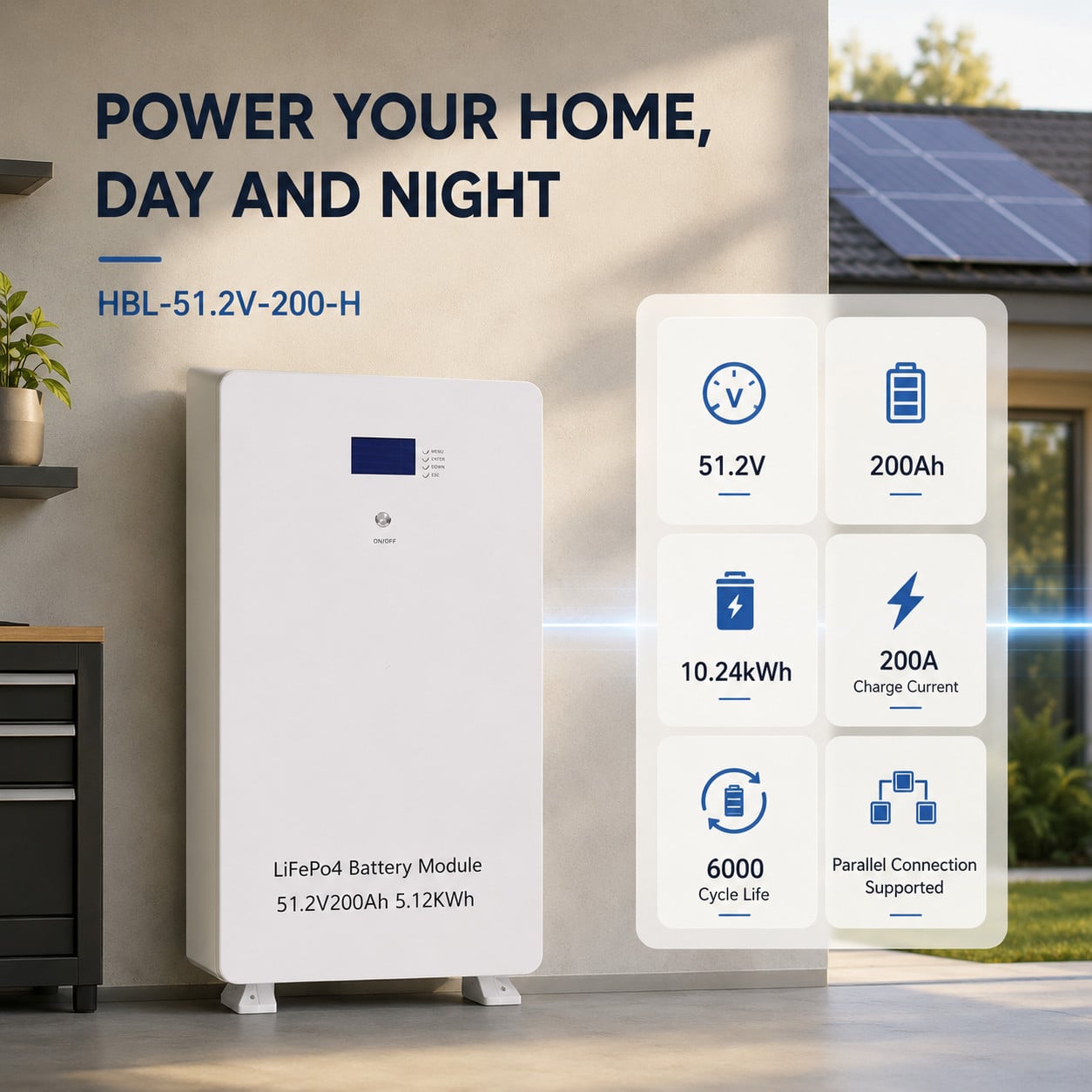
When selecting a LiFePO4 battery for solar energy storage, several factors should be considered. Key specifications include capacity, discharge rate, cycle life, and physical dimensions. The capacity, measured in ampere-hours (Ah), determines how much energy the battery can store. Buyers should evaluate their energy consumption patterns to select a battery that can meet their needs during peak usage times. The discharge rate indicates how quickly the battery can release energy. For instance, if you plan to power high-demand appliances, a solar power batteries for home with a higher discharge rate is essential. Cycle life, which refers to the number of charge-discharge cycles a battery can undergo before its capacity significantly decreases, is crucial for long-term investment. A battery with a higher cycle life will typically offer better value over time. Physical dimensions are also important, especially for residential installations where space may be limited. Buyers should ensure that the selected battery fits within the battery management system designated installation area and is compatible with existing solar systems. Consulting with suppliers can provide additional insights into which specific models best suit individual energy needs. 

Frequently Asked Questions

What applications suit these batteries?

Our LiFePO4 batteries are ideal for solar home storage, RVs, UPS systems, and marine use, supporting deep-cycle and residential energy storage needs.
Batteries feature UN38.3 and CE certifications and include an independent BMS to ensure safe charging, discharging, and cell balancing.
LiFePO4 chemistry offers long cycle life—typically thousands of cycles—providing dependable multi-year performance for solar and backup applications.
Yes. Our battery modules are designed for scalable installations, allowing parallel or series configurations to meet higher capacity or voltage requirements.
We provide technical support and warranty service; exact terms vary by model and region. Contact our team for detailed warranty coverage and after-sales assistance.

Get a Free Quote

Our representative will contact you soon.
0/1000