Choosing the Right Portable Inverter with Battery

5,000+ units ready stock, 1–5 days fast global delivery

application/portable-inverter-with-battery, application/portable-inverter-with-battery, 
Inquiry
Inquiry

portable inverter with battery

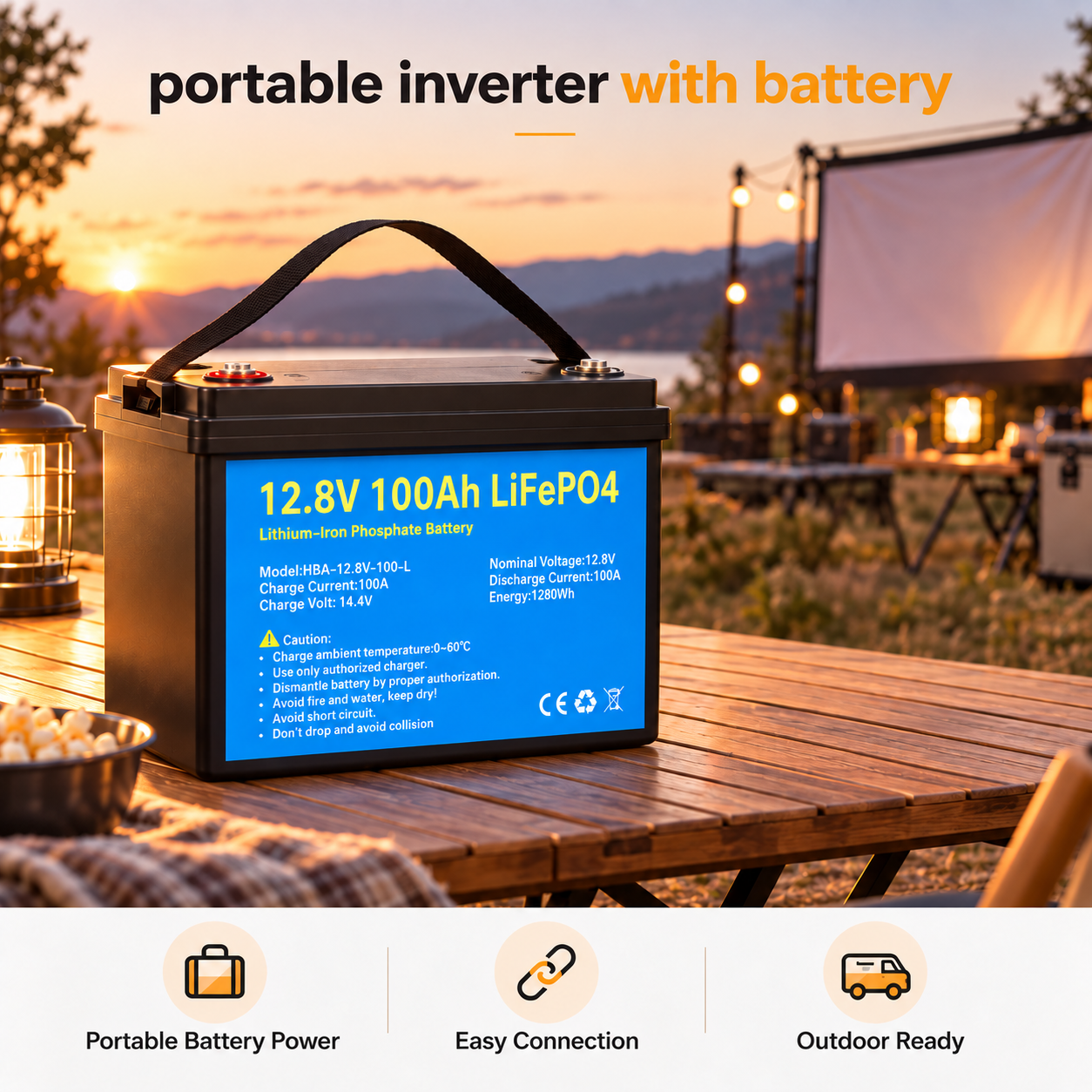
Portable  inverters with  batteries are versatile power solutions that  enable businesses to  harness energy in  various applications, from solar energy  systems to backup power for RVs and  marine environments.  As a business  buyer or purchasing  manager, understanding the specific  requirements  and features of  these devices is  crucial to making an  informed decision. This article  will provide insights  into selecting the right portable inverter with battery for your operational needs, focusing on key specifications, installation challenges, effective comparison methods, and  the advantages  of  LiFePO4 technology.

Key Specifications to Evaluate in Portable Inverters with Batteries

Key Specifications to Evaluate in Portable Inverters with Batteries

Several specifications are critical when evaluating portable inverters with batteries:

Power Output: Assess the continuous and peak wattage to ensure  it meets your device's  demands. Continuous wattage indicates the amount of power the inverter can supply consistently, while peak wattage reflects the maximum  surge power available for short durations.

Battery Capacity:  Measured in amp-hours (Ah), this determines how long the inverter can run  specific loads. A higher capacity allows for  longer operation without  recharging.

Input and  Output Voltage: Ensure compatibility with your equipment. Most inverters operate on 12V, 24V, or 48V systems, so the chosen inverter must align with  your requirements.

Efficiency  Rating: Look for an inverter with a high  efficiency rating,  as this indicates less energy loss during operation. Efficiency  is particularly  important for applications where battery longevity is a concern.

Weight and Portability: Depending on your use case, the size and weight of the inverter may be critical. A lightweight and compact design can enhance mobility, especially in RV or  marine settings.

Safety Features: Features such as  short circuit protection, over-temperature shutdown, and low battery cutoff are  essential for  safe operation.

Understanding these specifications will aid  in making an informed decision that aligns with your operational needs and safety  standards.

Common Installation Challenges for Portable Inverters with Batteries

Installing a portable inverter with  battery can present  specific challenges, particularly regarding space and electrical compatibility. Here are some common issues to be aware of:

Space Constraints: In  mobile applications, such as RVs and boats, space can be limited. Ensure that your selected  inverter fits into the designated installation area without obstructing other equipment.

Wiring  Compatibility: Proper wiring is essential for the inverter  to function effectively. Check  that the wiring gauge  is suitable for the inverter's power output and that the connections are secure to prevent voltage drops or overheating.

Ventilation Needs: Inverters can generate heat  during operation. Adequate ventilation must be provided to  prevent  overheating, which can lead to performance issues or  damage.

Battery Placement: Position the battery in a location that  minimizes cable length while  allowing for easy access for maintenance. Ensure  it is secured to prevent movement during  transit.

Regulatory  Compliance: Ensure compliance with local  electrical codes and regulations, which may dictate installation methods, materials, and safety measures.

Addressing these challenges during installation can help  ensure optimal performance and  longevity of your portable inverter system.

How to Compare Portable Inverter with Battery Options Effectively

When  comparing portable inverters with batteries, focus on several key areas to ensure you select  the best option for your  needs:

Technical Specifications:  Create a comparison chart that outlines the wattage, battery capacity,  efficiency, and safety features of  each inverter. This will allow for a side-by-side evaluation.

User Reviews and Testimonials: Seek feedback from existing users regarding performance,  reliability, and  customer service experiences. This information can provide  valuable insights  that may not be  evident  from specifications alone.

Warranty  and Support: Review the manufacturer's warranty and support options. A longer warranty period and responsive customer service can provide peace of mind.

Customization Options: Check if  the manufacturer offers customization for  specific needs, such as  tailored battery configurations or unique output requirements.


Price vs. Value: While price is a factor, consider the overall value, including features, performance, and support.  A higher initial  investment may lead to long-term savings through increased efficiency and reliability.

By conducting thorough comparisons, you can confidently select the portable inverter with battery  that best fits your operational requirements.

Advantages of LiFePO4 Technology in Portable Inverters with Batteries

LiFePO4 (Lithium Iron Phosphate) technology offers several advantages  for portable inverters with batteries, making it an increasingly popular  choice:

Safety: LiFePO4 batteries are known for their thermal stability  and resistance to combustion, providing a safer alternative  compared to other lithium-ion chemistries.

Longevity: These batteries typically  have a  longer cycle life, often  exceeding 2000 charge cycles. This extended lifespan  translates into lower replacement costs over time.

Fast  Charging: LiFePO4 batteries can accept  higher  charging  currents, allowing for quicker recharge times. This is particularly beneficial for  applications requiring frequent use.

Low Self-Discharge Rate: These batteries retain their charge for extended periods, reducing the  need for frequent recharging when not in use.

Environmental Impact: LiFePO4 batteries  are less toxic and more environmentally friendly  compared to other lithium-ion battery technologies, aligning with sustainability goals.

By choosing portable inverters with LiFePO4 battery technology, businesses can enhance performance, safety, and overall efficiency in  their power solutions.

In summary, understanding the critical aspects of portable inverters  with batteries—including selection, specifications, installation challenges, comparison strategies, and the  benefits of LiFePO4 technology—will empower B2B buyers to make informed purchasing decisions that align  with their operational needs.

Choosing the Right Portable Inverter with Battery for Your Business Needs

When  selecting a portable  inverter with battery, consider the  specific power requirements of your applications, such as solar energy  storage, RV  travel,  or marine use. Key  factors include the total wattage needed to run your devices,  runtime expectations, and the inverter's compatibility with existing  systems.

It's also important  to assess the inverter's output options, such as AC  and DC outputs, to ensure it can power  your intended  devices. Look for inverters that  support multiple charging methods,  including solar, AC, and car charging, to maximize flexibility in energy sourcing. As a manufacturer focused on LiFePO4 energy storage systems, we emphasize  the importance of choosing inverters that match the chemistry of the  batteries in use, as  this can  affect  performance and safety.

Get a Free Quote

Our representative will contact you soon.
0/1000