Choosing the Right Solar Microinverters for B2B

5,000+ units ready stock, 1–5 days fast global delivery

application/solar-microinverters, application/solar-microinverters, 
Inquiry
Inquiry

solar microinverters

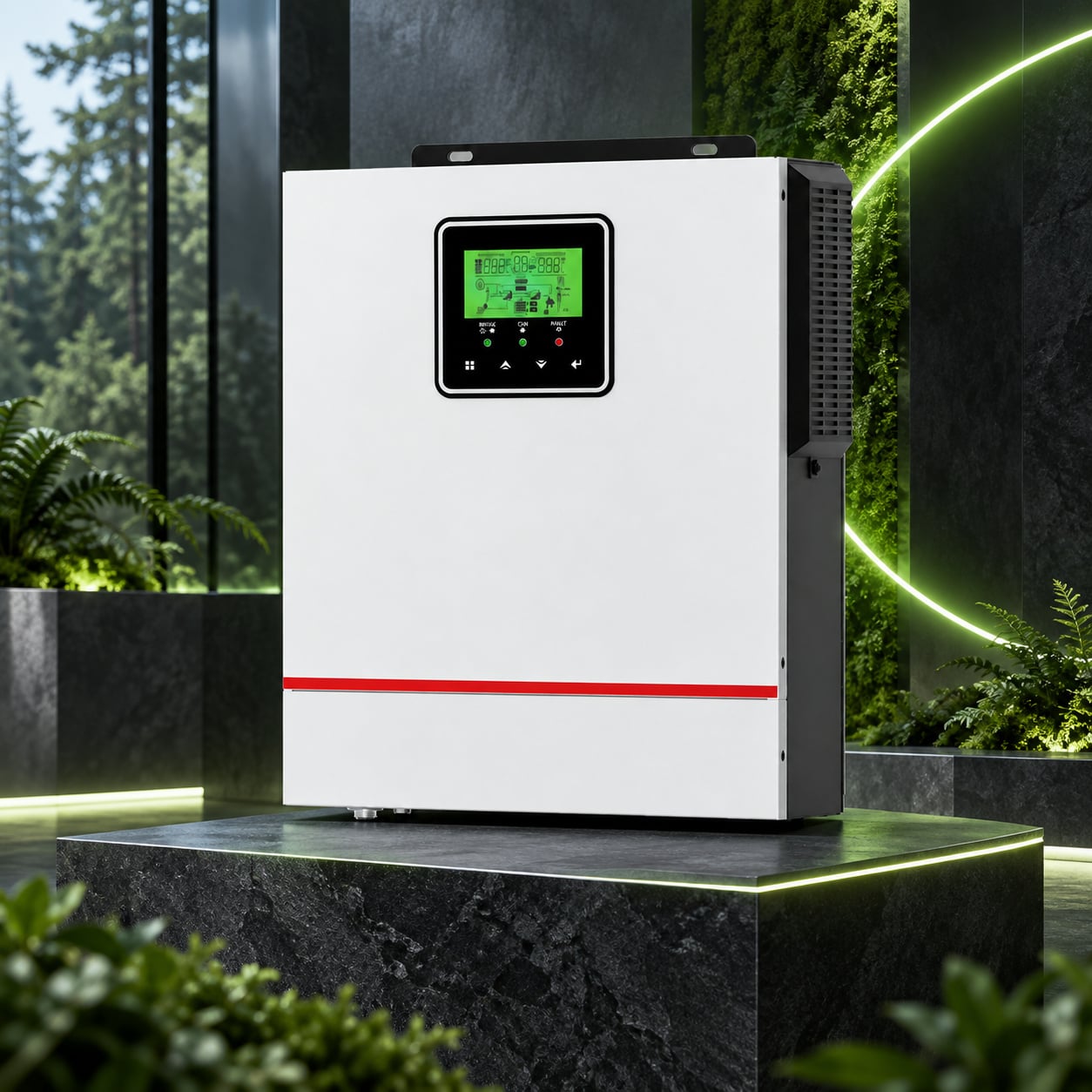
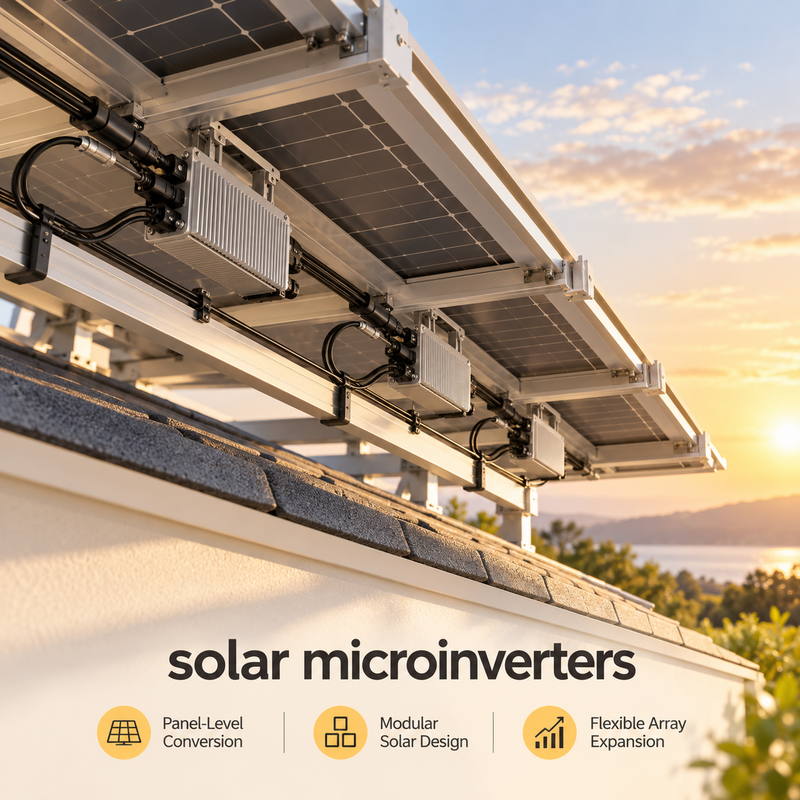
Solar microinverters are critical components in solar energy systems, converting  direct current  (DC) generated by solar  panels into alternating  current  (AC) suitable for use in  homes and businesses. For B2B buyers, including  purchasing managers and  engineers, selecting the right solar  microinverters involves evaluating performance, compatibility, and reliability. This  article will guide  you through choosing the right solar  microinverters for  your projects, key specifications to consider, what defines a  reliable  product,  where  to find trusted suppliers, and  installation guidance across  various applications.

 
Key Specifications to Consider When Sourcing Solar Microinverters

Key Specifications to Consider When Sourcing Solar Microinverters

Several key specifications are crucial when sourcing solar  microinverters. These include:

Power Output: The inverter's capacity to handle peak loads and convert solar energy  effectively, usually measured in watts. Ensure it meets the requirements of your solar panel system.

Efficiency Rating: This indicates how effectively the microinverter converts DC to AC power.  Look for  models with efficiency ratings above 95% for optimal performance.

Input Voltage Range: Ensure the microinverter can  handle the voltage produced by your  solar panels,  especially if you're using high-voltage systems.

Temperature  Rating: The operational temperature range of the inverter is critical for  performance in extreme conditions. Check that the microinverter can operate efficiently in your intended environment. 


Warranty and Lifespan: A longer  warranty can provide peace of mind regarding product  reliability. Many  manufacturers offer warranties ranging from 5 to 25  years.


Certification:  Ensure the product complies with international safety  and operational standards, such as CE and UN38.3, which indicate reliability and safety in various applications.

Understanding these specifications will help you make informed decisions  and avoid  common pitfalls, such as selecting an inverter that cannot handle your system’s demands.


What Makes a Reliable Solar Microinverter?

A reliable solar microinverter is characterized by several key attributes. First, it should have a  proven  track record of  performance in  diverse environments. Look for  products with positive reviews from  other businesses in similar sectors, which can provide insight into their long-term  reliability.

Next, consider  the manufacturer’s  reputation  and experience. Companies like Shenzhen Yanshuosheng Technology Co., Ltd., which have extensive expertise in  energy storage systems, tend  to produce more reliable products due to their understanding  of quality control processes and rigorous testing standards.

Additionally, a reliable  microinverter should come with robust technical support and  customer service. This ensures that  any issues  can be resolved quickly, minimizing downtime and potential losses.

Lastly, the design and construction of the  microinverter  play a significant role in its reliability. Look for features such as weather-resistant enclosures and advanced thermal  management systems, which can enhance durability and longevity in various applications.

Where to Find Trusted Suppliers for Solar Microinverters and Batteries

Finding trusted suppliers for solar microinverters and batteries involves thorough research and due diligence. Start by  attending industry trade shows and conferences, where you can meet manufacturers  and suppliers  face-to-face. This allows you to  ask  questions  directly and assess their credibility.

Online platforms like industry-specific  directories and forums  can also  be valuable resources. Check ratings and reviews  from other buyers to gauge the  supplier's  reputation.  Websites that specialize in renewable energy products often feature verified suppliers, making it easier  to find quality  products.

When engaging suppliers, request detailed product specifications, certifications, and case studies that demonstrate their products' effectiveness in  real-world applications. This information will help you evaluate their offerings against your project needs.

Shenzhen Yanshuosheng Technology Co., Ltd. stands out as a reliable supplier, offering a range  of certified energy storage systems, including LiFePO4 batteries, which  can be  integrated seamlessly  with solar microinverters.

Installation Guidance for Solar Microinverters in Various Applications

Proper installation of solar microinverters is crucial  for maximizing their performance and reliability. Here are key considerations for installation in different applications:

Residential Installations: Ensure that the  microinverters are mounted securely and positioned to receive the maximum amount of  sunlight. It  may be beneficial to install them on the roof alongside solar panels to minimize wiring runs.

Commercial Installations: For larger systems, plan the layout to optimize the efficiency of each  microinverter. Consider using  monitoring systems that allow for performance tracking and troubleshooting.

Off-Grid Systems: In RV or  marine applications, ensure that the microinverters are rated for the environmental conditions they will face, such as humidity and vibrations.  Additionally,  integrating them  with battery storage systems requires careful attention to voltage compatibility and load management.

Quality Control: During installation, conduct  thorough checks to confirm that all connections are  secure and that the system is functioning  correctly before going live. Testing under actual operating conditions  is essential to catch  any potential issues  early.

By following these guidelines  and  prioritizing  effective installation practices, you can  ensure that your solar microinverters function optimally, providing reliable energy conversion for your specific applications.

How to Choose the Right Solar Microinverters for Your Projects

When selecting solar microinverters, begin by assessing the specific needs of  your project.  Consider factors such as the size  of  the solar array, the  type of solar panels used, and the installation environment. For instance, if your application  requires a compact installation  or operates in  extreme  weather conditions, you’ll need microinverters that  are both efficient and durable. Additionally, consider integrating your solar system with an Energy Storage System to maximize efficiency.

It’s also essential to evaluate the inverter's maximum power output and efficiency rating.  A higher efficiency rating can translate into better energy conversion and, consequently, more savings over time. Additionally, consider  the scalability of the microinverters; they should accommodate future expansions of your solar system  without requiring  a complete overhaul.

Lastly, ensure  compatibility with existing systems, including your energy  storage solutions  or grid connections. This is particularly relevant for projects involving LiFePO4 energy storage systems,  which Shenzhen Yanshuosheng Technology Co., Ltd. specializes in, as their batteries can complement  the energy generated by  solar microinverters effectively. For example, you might explore options like the High Performance 50Ah LiFePO4 Lithium Ion Battery Pack.

Get a Free Quote

Our representative will contact you soon.
0/1000