Choosing Solar Panels and Battery Storage Solutions

5,000+ units ready stock, 1–5 days fast global delivery

application/solar-panels-and-battery-storage, application/solar-panels-and-battery-storage, 
Inquiry
Inquiry

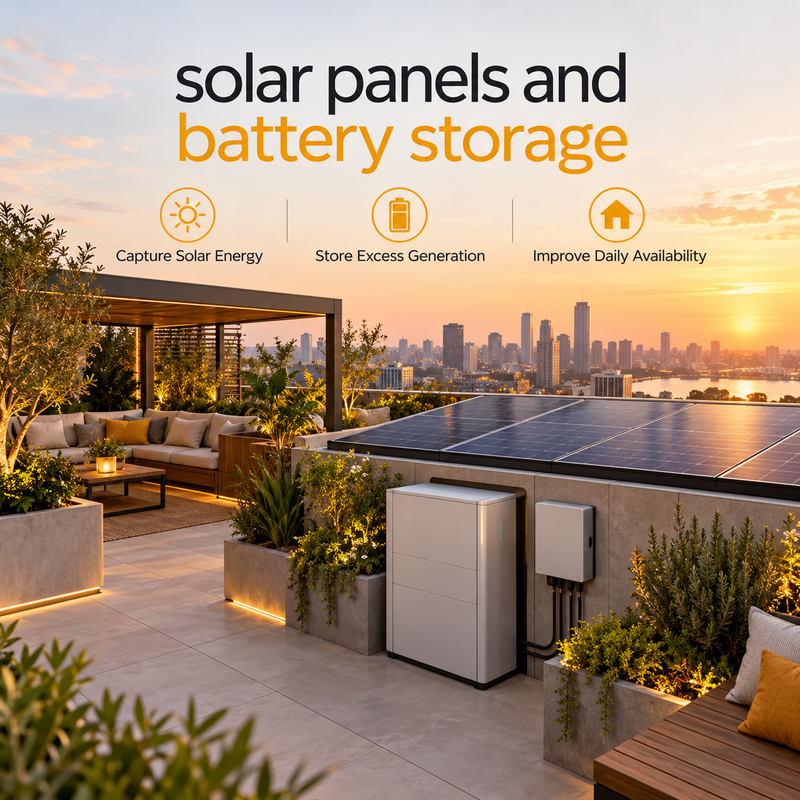
solar panels and battery storage

Choosing  the right solar  panels and  battery storage solutions is essential  for businesses  looking  to harness  renewable energy efficiently. As a B2B buyer,  you may  have specific concerns  about the performance, reliability, and cost-effectiveness of  these  systems. This article will explore  critical considerations when selecting solar  panels and battery storage, including  quality comparisons,  cost  influences, and evaluation  criteria, specifically  focusing on LiFePO4 energy storage  systems. For instance, you might consider our High Performance 50Ah LiFePO4 Lithium Ion Battery Pack for your energy storage needs.

How to Compare Quality and Specifications of Solar Energy Products

How to Compare Quality and Specifications of Solar Energy Products

Quality comparisons of solar energy products should focus on specific technical specifications that affect performance. Key attributes to evaluate include efficiency ratings, temperature  coefficients, and durability ratings.  Efficiency ratings indicate how well a solar panel converts sunlight into usable energy, while temperature coefficients measure how performance declines  with rising temperatures. High-quality panels typically exhibit lower temperature coefficients, making them more reliable  in diverse climates.

Additionally, consider the  materials used in manufacturing.  For instance, panels made from monocrystalline  silicon tend to offer higher  efficiency and longevity  compared to polycrystalline  alternatives. When comparing battery storage solutions, pay attention to the cycle life, discharge rate, and  depth of discharge (DoD). LiFePO4 batteries are known for their long cycle life and stable  discharge rates, making them a solid choice  for applications requiring  consistent energy availability. You may want to check out our Deep Cycle 12V 24V LiFePO4 Lithium Ion Solar Energy Battery Storage Systems for reliable options.


Lastly,  ensure that the specifications you consider align with your operational requirements. By  focusing on relevant attributes, you  can  make a more nuanced comparison among different solar energy  products.

Key Factors Influencing the Cost of Solar Panels and Battery Storage

Several factors influence the cost of solar panels and battery storage systems, including materials, manufacturing processes, and market demand. The  choice of  materials significantly affects pricing; for example, high-efficiency panels typically cost more due to  advanced materials and technology. Additionally,  the manufacturing process plays a role;  companies with automated production lines may have lower  labor costs, translating to more competitive  pricing for buyers.

Another consideration is the scale  of your purchase. Many manufacturers, including Shenzhen Yanshuosheng Technology Co., Ltd., may have minimum order quantities (MOQs) that can affect  pricing structures.  Bulk purchases often  yield better pricing, but it's  essential  to balance this with your actual energy needs to avoid overcommitting.

Finally,  regional market conditions can impact costs as well. Factors such as tariffs, shipping costs, and local incentives for renewable energy can vary significantly between countries.  Understanding these  variables will help you  budget accurately for  your  solar energy  solutions.

How to Evaluate the Quality of LiFePO4 Energy Storage Systems

To evaluate the quality  of LiFePO4 energy storage systems, focus on  several critical aspects. First, examine the battery's cycle life, which indicates  how many charge-discharge cycles a battery can undergo before its capacity diminishes significantly.  A longer cycle life means lower replacement costs over time, making it a key factor in your decision.

Next, assess the battery management system (BMS). A well-designed BMS ensures optimal performance and safety by  managing charging, discharging, and temperature control. Look for systems with independent BMS features  that offer real-time  monitoring and protection against overcharging or overheating.

Another  crucial aspect is the certifications and testing  the product has undergone. Certifications such as UN38.3 and CE indicate that the products meet  international safety and quality standards. This not only ensures compliance  but also provides  peace of mind regarding the reliability of the battery  system in  real-world applications.


Lastly, consider real-world performance data, if available. Reviews from  other  users and case studies can provide insights  into how the batteries perform under actual operating  conditions, helping you make a more  informed choice.

How to Select the Right Energy Storage Solution for Your Projects

Selecting the right energy storage solution for your projects involves a comprehensive  understanding of your specific needs and potential applications. Start by determining  the energy capacity required for your operations. This  includes analyzing peak demand, energy consumption patterns, and the  expected duration of energy supply needed during outages.

Next, consider the integration capabilities of the energy  storage system.  Ensure that it can  seamlessly connect  with your existing solar panels and other components. Compatibility with different solar inverters and monitoring systems is crucial for maximizing efficiency and performance.

Customization options  should also be a priority. Many  manufacturers offer tailored solutions that align with unique project requirements. For instance, Shenzhen Yanshuosheng Technology  Co., Ltd. specializes in customizable LiFePO4 energy storage systems that can be adjusted according to energy needs and operational  conditions.


Finally, evaluate the long-term service and  support provided by the manufacturer. A  reliable partner can assist  with installation, maintenance,  and troubleshooting, ensuring  that  your energy storage solution operates effectively throughout  its lifespan.

What to Consider When Choosing Solar Panels and Battery Storage Solutions

When selecting  solar panels and battery storage systems, several factors should be taken  into account. First, assess the energy needs of  your application,  whether it’s for  solar installations, RVs, UPS, or marine usage. Understanding  your energy requirements will guide your selection  of the appropriate  capacity  and configuration.

Next, consider  the compatibility of solar panels with your chosen battery storage solution. For instance, a LiFePO4 battery system works best with solar panels  that have a compatible  output  voltage and current specifications. Additionally, evaluate the  manufacturer's reputation and certifications, such as  UN38.3 and CE, which ensure compliance with international safety and quality standards.

Finally, think about the installation and maintenance requirements. Some systems may  require specialized installation, which could  impact your overall costs  and timeframes. A  well-rounded approach that includes energy requirements, compatibility, and logistics  will help you make an informed decision.

Get a Free Quote

Our representative will contact you soon.
0/1000