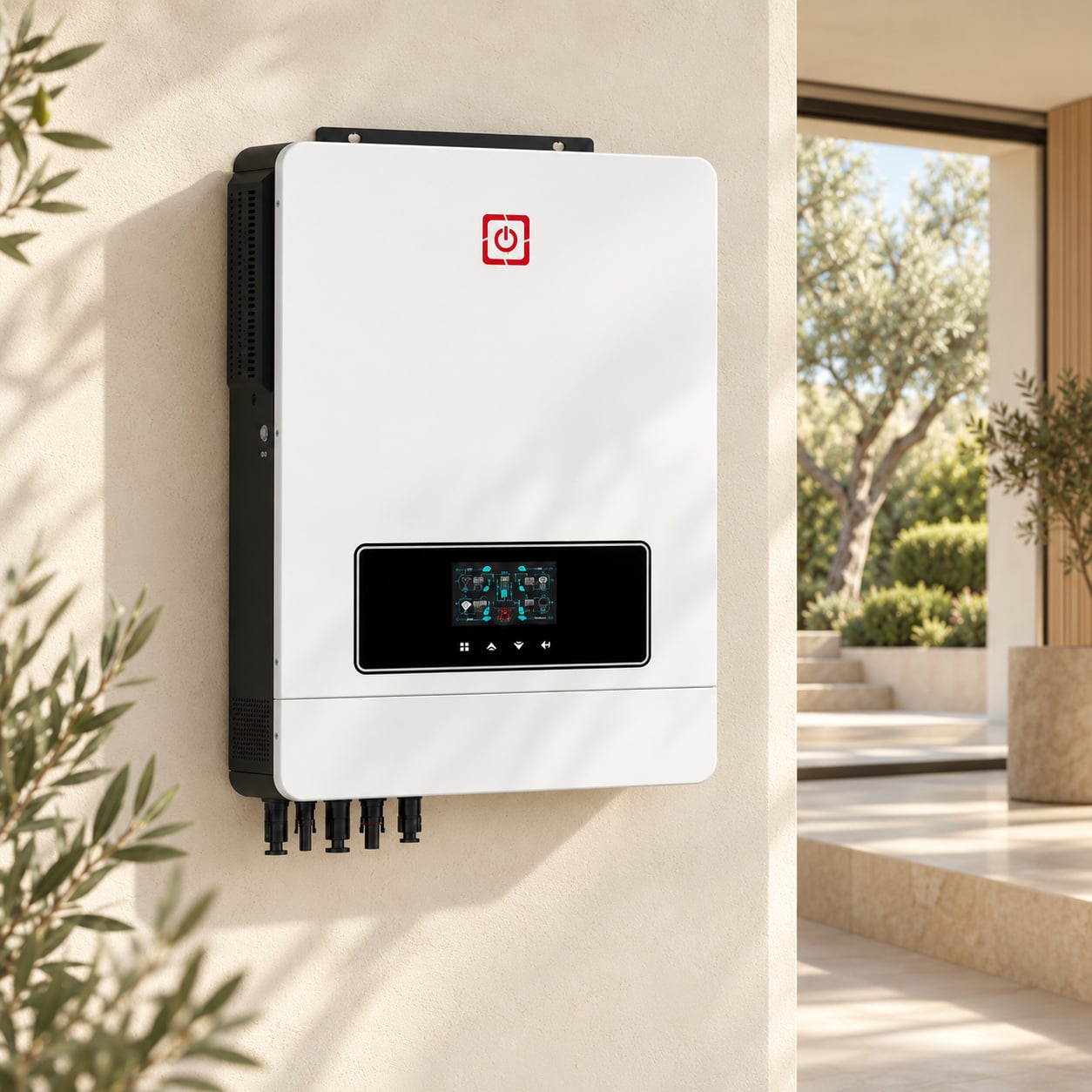
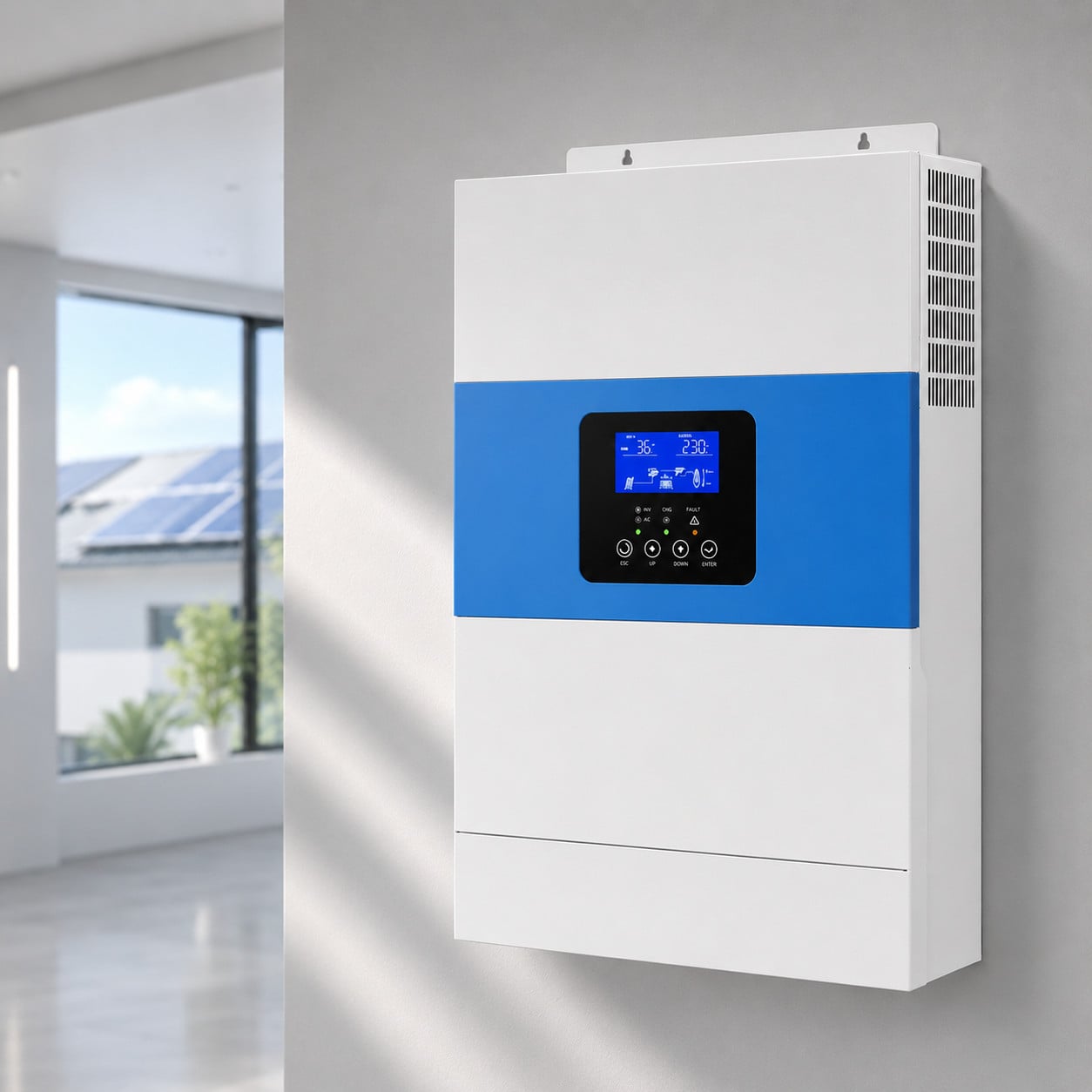
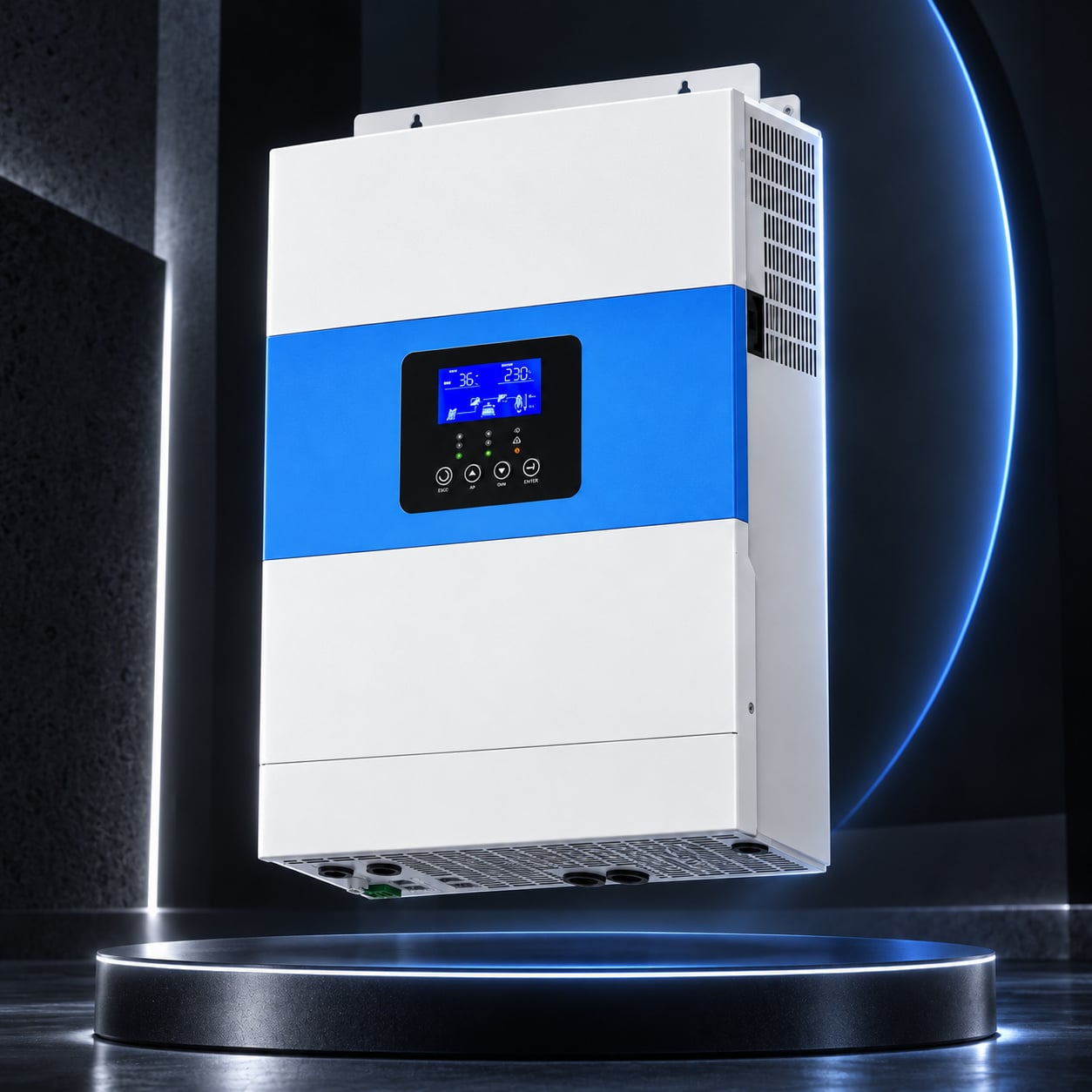
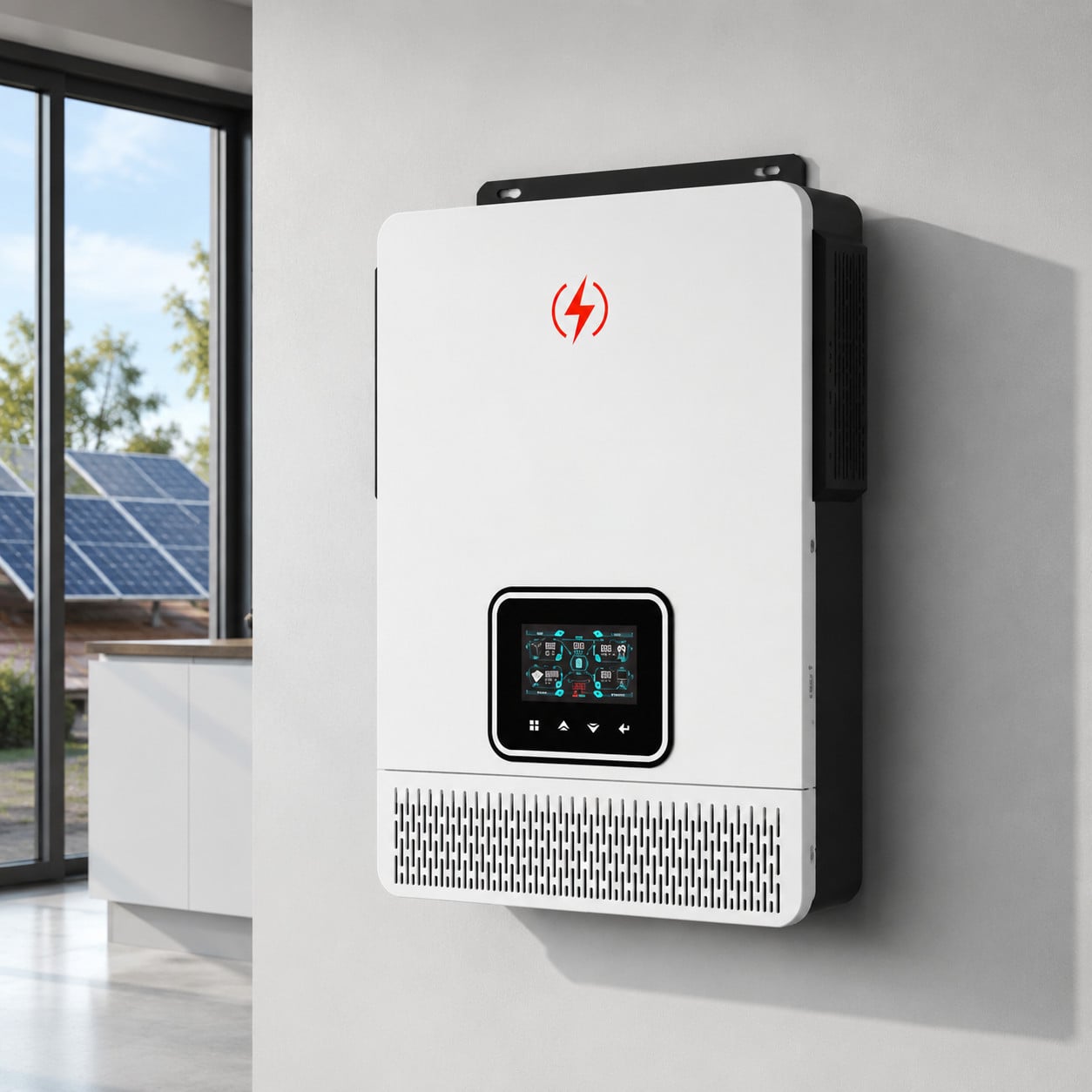
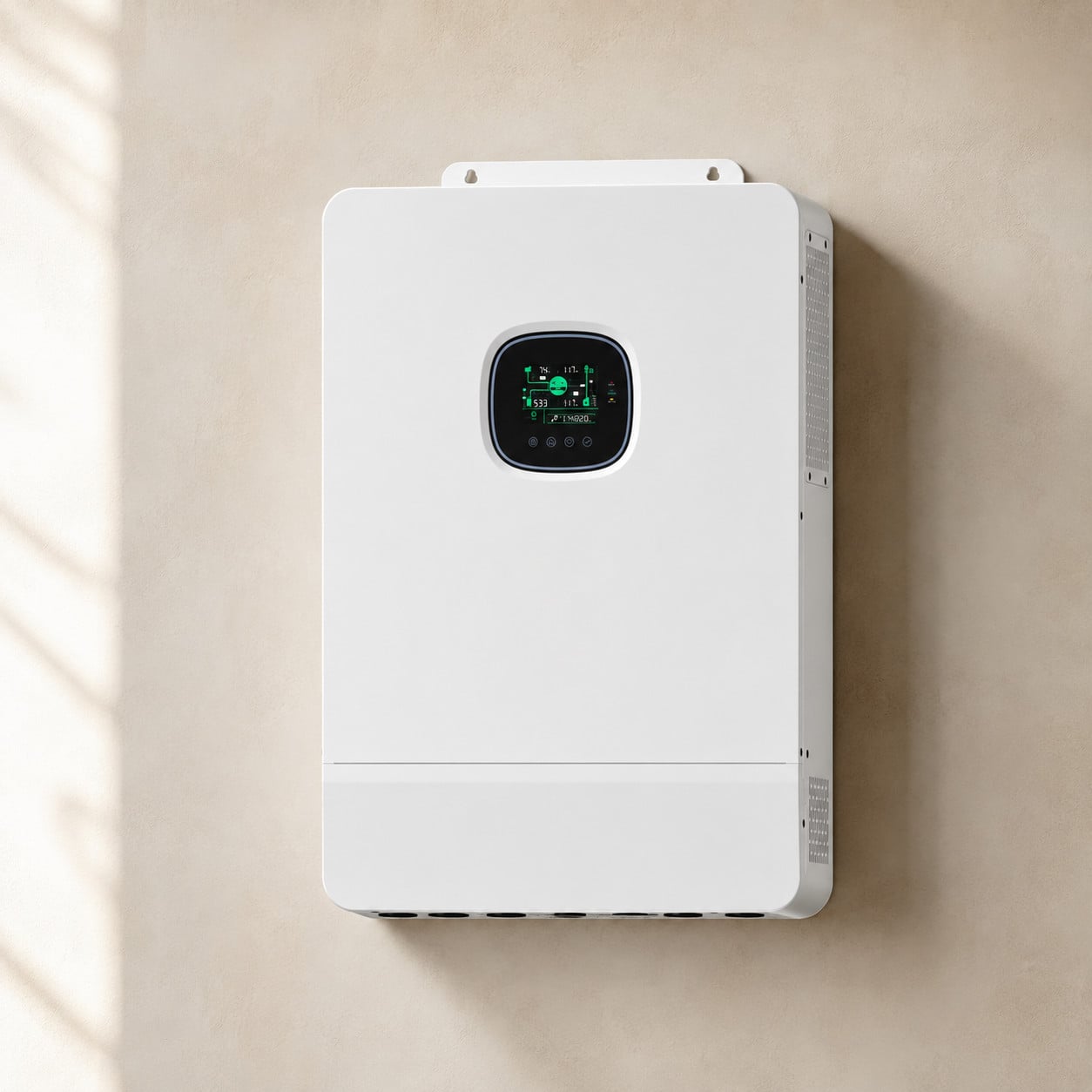
Home Solar and Battery Solutions for Energy Storage

5,000+ units ready stock, 1–5 days fast global delivery

application/home-solar-and-battery, application/home-solar-and-battery, 
Inquiry
Inquiry

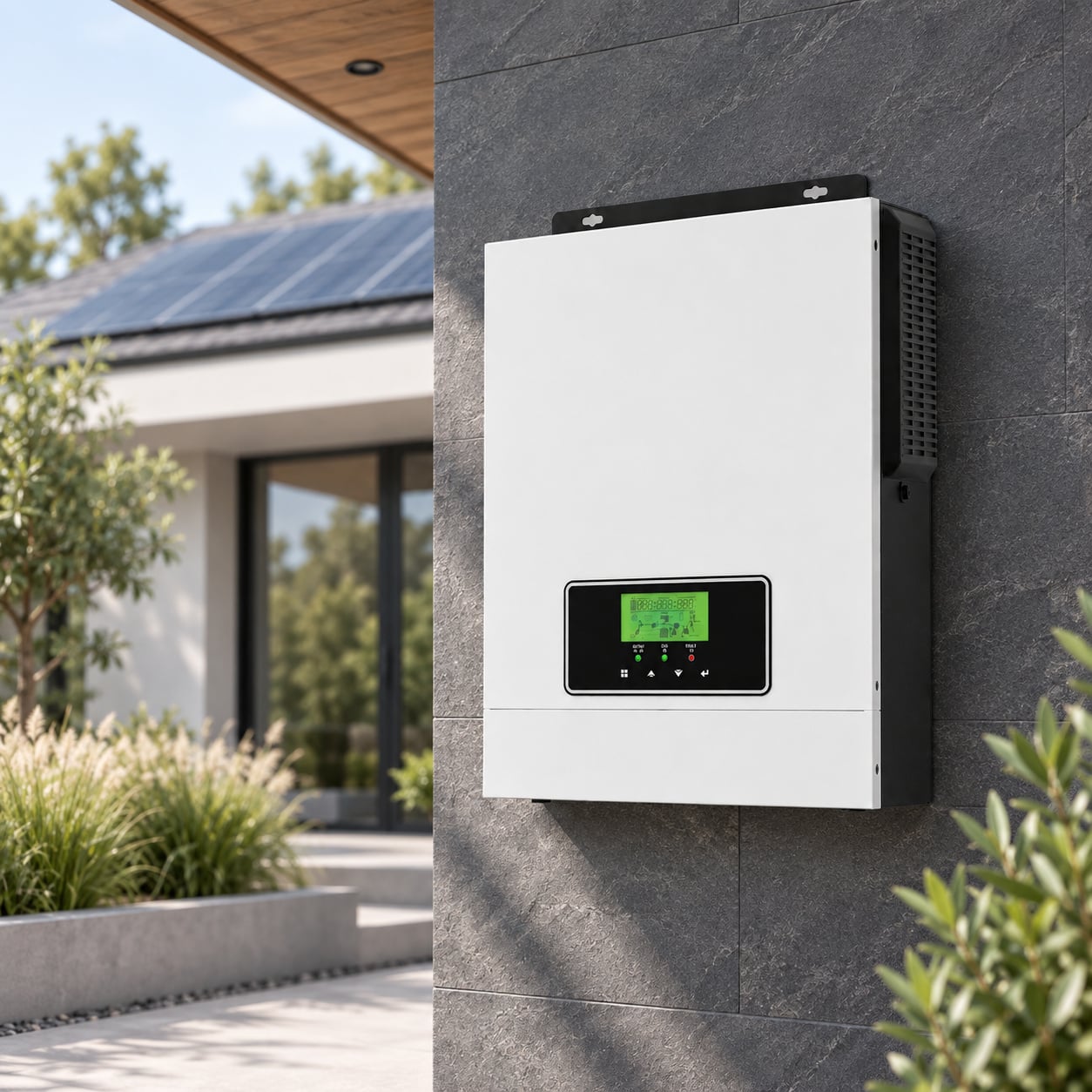
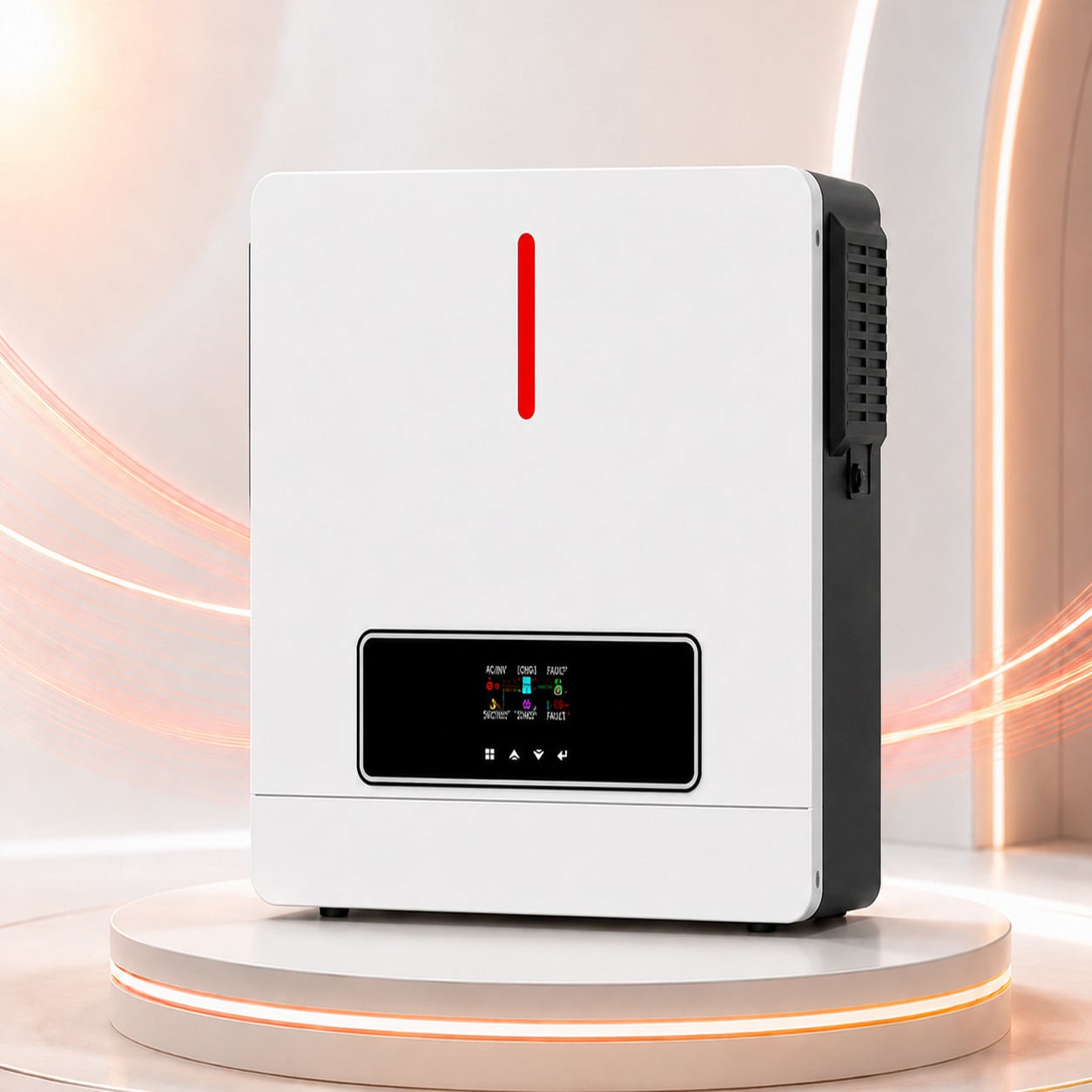
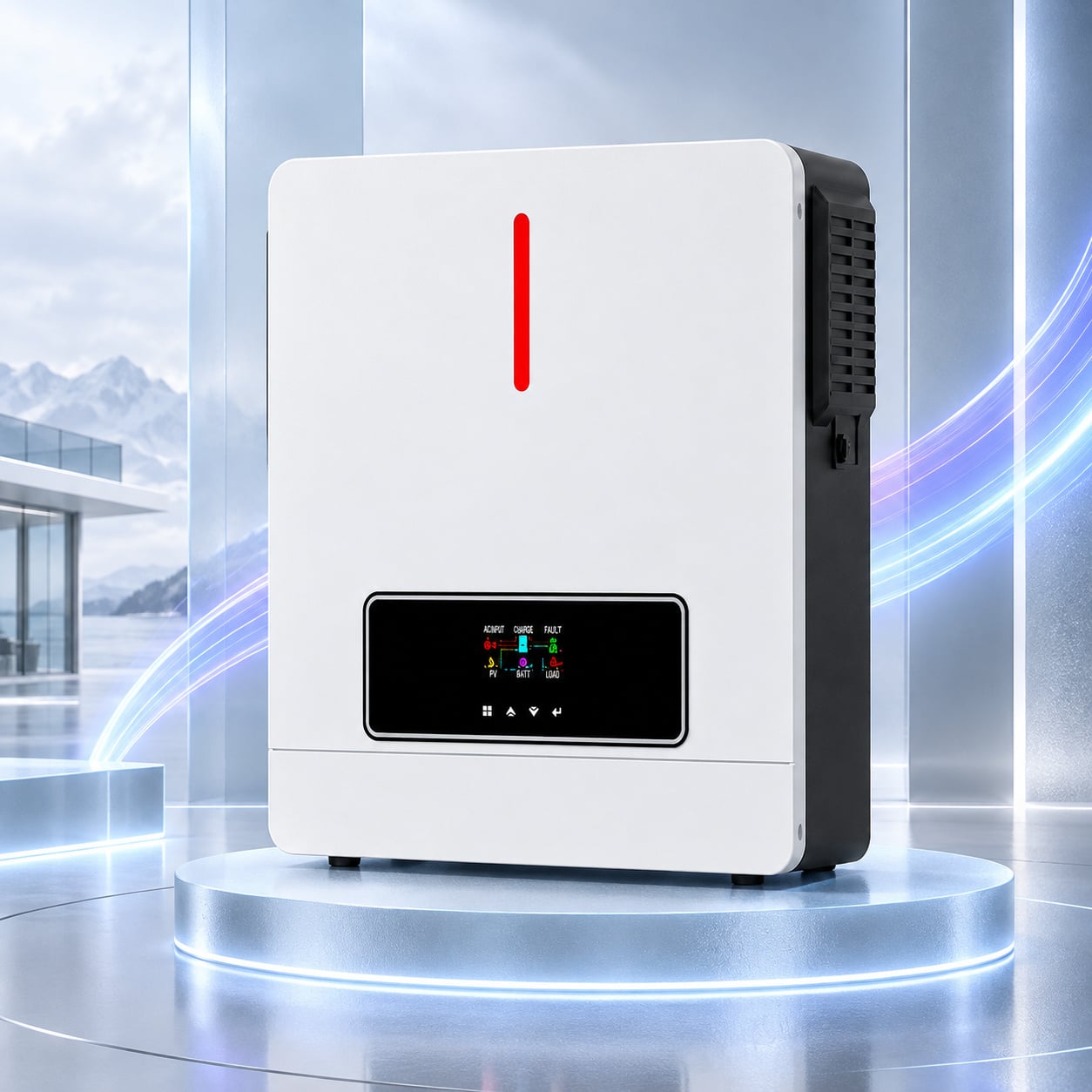
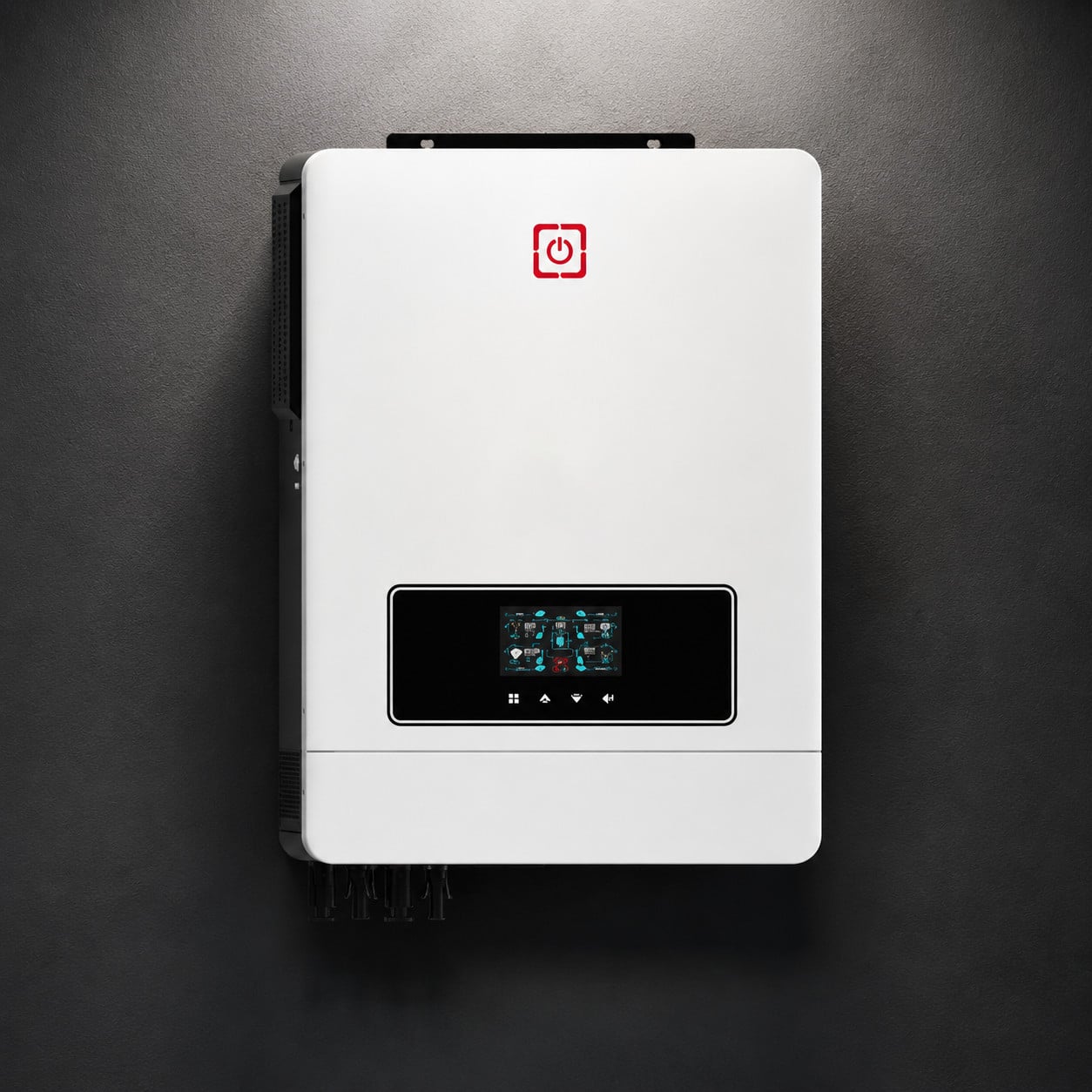
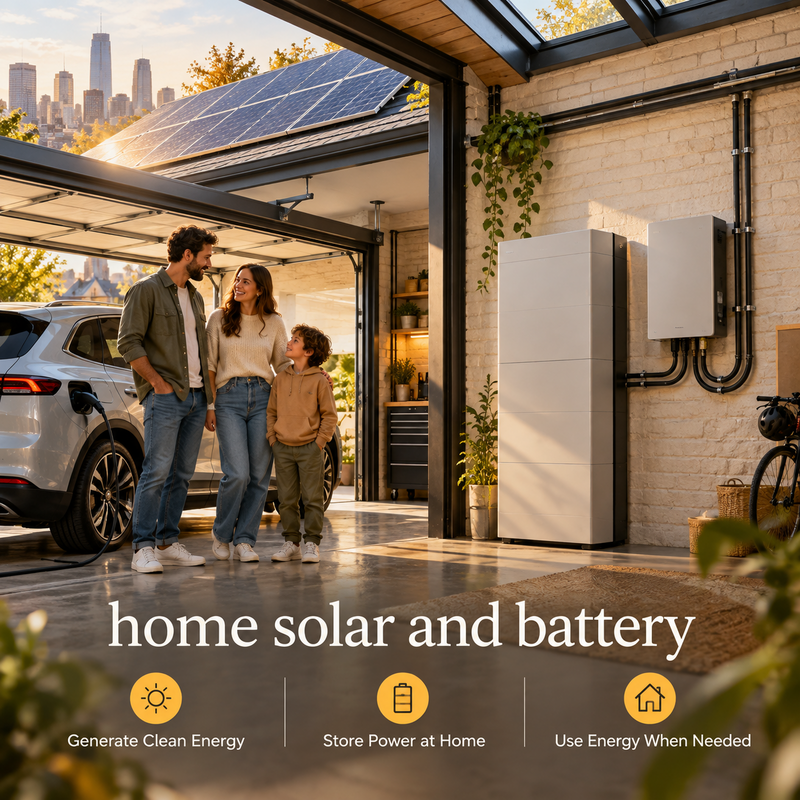
Home solar and battery

Home solar and battery systems are becoming increasingly vital for residential energy management, offering an efficient way to harness renewable energy while providing backup power solutions. For B2B buyers, especially purchasing managers and product managers in the energy sector, understanding the specifications and applications of LiFePO4 energy storage systems is crucial. This article will address your main concerns regarding the selection, quality, and application of microinverters solar products to help you make informed purchasing decisions.

Best Practices

Best Practices

When selecting YANSHUO home solar and battery systems, applying best practices can significantly enhance the purchasing process and end-user satisfaction: 

Conduct a Needs Assessment: Identify the specific energy requirements of your application—this includes peak load demands and average daily energy consumption. 

Request Detailed Specifications: Ensure that suppliers provide comprehensive data on battery life expectancy, efficiency, and performance under various conditions, such as temperature fluctuations. 

Evaluate Manufacturer Certifications: Look for reputable certifications like UN38.3 and CE, which indicate compliance with global safety and performance standards. This is crucial for ensuring product reliability. 

Consider Customization: Discuss with manufacturers the possibility of customizing battery systems to fit specific applications or integration with existing solar setups. This could involve adjusting the capacity or incorporating specific monitoring technologies. 

Test Samples: Before bulk purchasing, request samples of the LiFePO4 energy storage systems for performance testing under real-world conditions. This helps verify that the product meets your operational requirements. 

By following these best practices, buyers can mitigate risks associated with purchasing and ensure that the chosen systems deliver optimal performance.

What to Expec

When engaging with suppliers for home solar and battery systems, buyers should expect a thorough exchange of information: 

Transparent Pricing: Understand the factors influencing pricing, including material costs, production capacity, and customization demands. Be wary of quotes that lack detailed breakdowns. 

Lead Times: Inquire about production lead times, especially if the order requires customization. Factors such as material availability and manufacturing capacity can significantly impact delivery schedules. 

Post-Purchase Support: Ensure that the supplier offers adequate support post-purchase, including installation guidance, warranty information, and maintenance advice. 

Quality Assurance Processes: Ask about the quality control measures in place. A reputable manufacturer will have robust inspection processes to ensure each unit meets specified standards. 

By setting these expectations, buyers can foster better supplier relationships and reduce the likelihood of unexpected issues.

Applications of LiFePO4 Batteries in Solar and Energy Storage

YANSHUO LiFePO4 batteries are versatile and can be deployed across various applications: 

Residential Solar Systems: They provide energy storage solutions that allow homeowners to store excess solar energy for use during non-sunny periods, effectively maximizing hybrid solar inverter investment. 

RV and Marine Applications: Due to their lightweight and compact design, LiFePO4 batteries are ideal for recreational vehicles and marine applications where space and weight are critical concerns. 

Uninterruptible Power Supply (UPS): In commercial settings, these batteries can support backup power systems, ensuring continuous operation during power outages, which is vital for businesses reliant on technology. 

Microgrids: In remote areas or developing regions, they can be integrated into microgrid systems that utilize renewable energy sources, providing reliable power where traditional infrastructure may be lacking. 

By understanding these applications, B2B buyers can determine the suitability of LiFePO4 batteries for their specific projects.

How to Ensure Quality in Home Solar and Battery Products

Quality assurance is paramount when investing in YANSHUO home solar and battery systems. Here are several strategies to ensure the products meet required standards: 

Supplier Audits: Conduct audits of potential suppliers to assess their manufacturing capabilities, quality control processes, and adherence to relevant certifications. 

Material Verification: Confirm that the materials used in battery construction meet industry standards for safety and performance. This includes checking for proper sourcing of lithium and phosphates. 

Performance Testing: Request performance data from existing installations of the products you are considering. This can include real-world efficiency metrics, cycle life reports, and customer testimonials. 

Warranty and Support Policies: Understand the warranty terms offered by manufacturers. A strong warranty not only reflects confidence in the product but also provides peace of mind regarding long-term performance. 

By implementing these quality assurance measures, buyers can significantly reduce risks associated with purchasing LiFePO4 energy storage systems, ensuring reliable and effective energy solutions for their needs.

Understanding Specifications for Efficient Energy Storage Systems

When evaluating home solar and battery systems, it’s essential to focus on several key specifications that directly impact performance and longevity. 

Battery Chemistry: LiFePO4 (Lithium Iron Phosphate) batteries are known for their thermal stability, safety, and longevity compared to other lithium-ion chemistries. They typically have a longer cycle life, making them suitable for daily use in solar panel battery inverter applications. 

Capacity and Power Rating: The capacity of a battery, usually measured in kilowatt-hours (kWh), indicates how much energy it can store, while the power rating, measured in kilowatts (kW), determines how quickly energy can be delivered.  Understanding these ratings can help buyers match the LiFePO4 energy storage systems to their energy consumption needs. 

Depth of Discharge (DoD): This specification indicates how much of the battery's capacity can be used without damaging it. For LiFePO4 batteries, a DoD of 80-90% is common, which allows for efficient energy usage while maintaining battery health. 

Efficiency Ratings: Look for round-trip efficiency ratings, which indicate how much of the energy put into the battery can be retrieved. Higher efficiency translates to less energy wasted during storage. 

Weight and Size: These factors affect installation and integration into existing LiFePO4 energy storage systems. Ensure that the physical dimensions align with space and structural capacities. 

By understanding these specifications, B2B buyers can make better decisions that align with their operational needs and energy goals.

Frequently Asked Questions

What does the home solar and battery system include?

Our system includes LiFePO4 residential storage batteries, integrated BMS, and compatible inverter/charger interfaces designed for solar, RV, UPS, and marine use.
Yes. Our LiFePO4 batteries have independent BMS and certifications including UN38.3 and CE to ensure safety and compliance for residential installations.
LiFePO4 batteries offer long cycle life (typically 2000+ cycles) and stable performance. Warranty terms vary by model; contact us for specific warranty periods and conditions.
Yes. The storage system supports off-grid operation and backup power, providing reliable energy for homes, RVs, or marine applications during outages.
We ship to over 50 countries and provide technical documentation, installation guides, and remote support to assist with setup and integration.

Get a Free Quote

Our representative will contact you soon.
0/1000