Inverter for Home Price with Battery Solutions

5,000+ units ready stock, 1–5 days fast global delivery

application/inverter-for-home-price-with-battery, application/inverter-for-home-price-with-battery, 
Inquiry
application/inverter-for-home-price-with-battery, application/inverter-for-home-price-with-battery, 
Inquiry

inverter for home price with battery

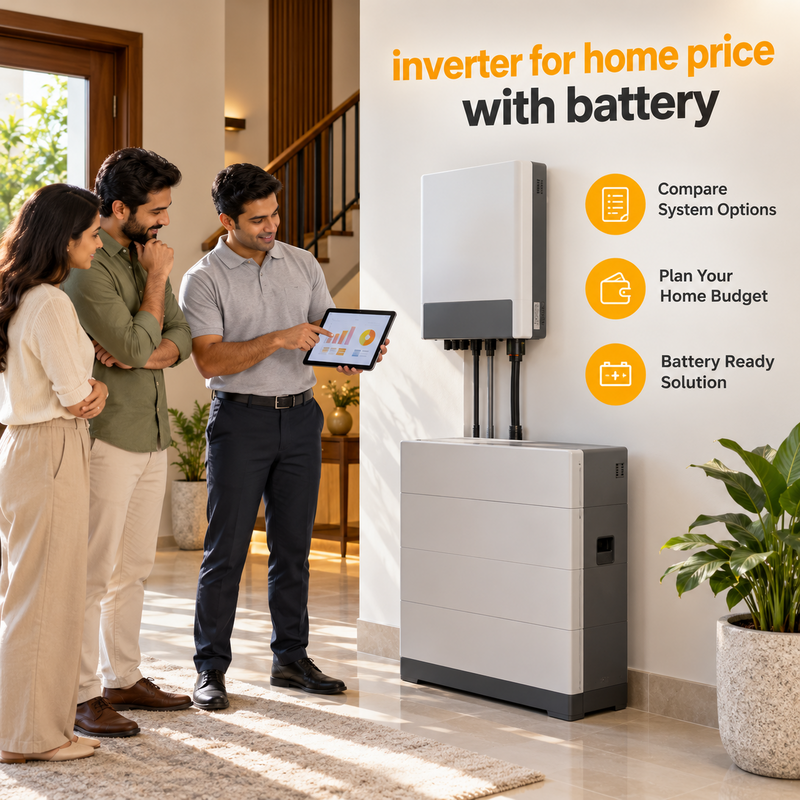
Inverters for home use with battery storage are essential components of modern energy solutions,  particularly in renewable energy applications like solar power systems.  Understanding the intricacies of inverter for  home price  with battery options is crucial for purchasing  managers and engineers looking  to optimize  energy  management in residential settings.  This article  aims to  provide valuable insights into the specifications,  sourcing,  pricing, and benefits of inverters paired with  battery storage  systems, equipping buyers  with the  knowledge needed for  informed purchasing  decisions.

 
Inverters for Home with Battery Solutions

Inverters for Home with Battery Solutions

Inverters for home with battery solutions serve as the backbone of residential energy storage systems,  providing a seamless transition between stored energy and household usage. These inverters are designed to work with various battery technologies, including Lithium Iron  Phosphate (LiFePO4), which  is known for  its safety, efficiency, and long cycle life.

The integration  of batteries with inverters allows homeowners to store excess  energy generated from renewable sources, such as solar panels,  for  use during peak demand times or outages. This not only enhances energy  independence but also contributes  to cost savings on electricity bills.

When  selecting an inverter-battery solution, buyers should consider:

Compatibility: Whether the inverter is compatible  with the  specific battery technology being used. Scalability: The ability to expand the  system in the future, accommodating  additional batteries or power sources. Monitoring Features: Advanced systems may  offer app-based monitoring, providing real-time insights into  energy usage  and  system performance.

By focusing  on these attributes, buyers can ensure that their inverter systems meet their long-term energy needs effectively.

Where to Find Reliable Suppliers for Home Inverters with Battery

Finding reliable suppliers for inverters with battery solutions can be a daunting task, especially in a global market with numerous options.  Here are some tips to identify trustworthy manufacturers:

Industry  Reputation: Research suppliers with a proven  track  record in the energy storage industry. Look for companies that have been in business for several years and have positive reviews from  other  B2B clients.

Certifications and Compliance: Ensure that suppliers provide products that meet international safety and quality  certifications such as UN38.3 and CE. This not only guarantees product reliability but also  eases the importation process across borders.

Technical Support: Choose suppliers that offer comprehensive  technical support. This is crucial when integrating  inverters with battery systems, as buyers may require guidance on installation, configuration,  and  troubleshooting.

Customization Capabilities: Suppliers that offer  customization options for inverters can cater to specific project requirements, from output  specifications to aesthetic considerations.

Local Presence: Suppliers with local representatives can provide  timely support and assistance, which is particularly beneficial  for large installations or  ongoing maintenance needs.

By  focusing on  these aspects, purchasing managers can streamline their supplier selection process and ensure  they partner with reliable manufacturers.

Understanding Inverter Pricing for Home Systems

The pricing of  inverters for home systems can vary widely based on several factors. Here’s what buyers should  consider:

Power Rating:  Higher power-rated  inverters typically come with a higher price tag. Buyers  should  assess their actual power needs to avoid overspending on unnecessary capacity.

Type of Inverter: Pure sine wave inverters are generally more  expensive than modified sine wave inverters due to their advanced technology and greater efficiency. Buyers must weigh the benefits against their budget  and application requirements.

Battery  Compatibility:  Inverters designed specifically for certain battery types or configurations may be priced higher due to specialized components and technology.

Additional  Features: Inverters with  advanced features such as smart monitoring, built-in BMS, or enhanced safety features tend to  cost more. However, these features can lead to longer-term savings through increased efficiency and reduced  maintenance.

Bulk Orders: Buyers looking to purchase  multiple units may benefit from reduced pricing. Discussing MOQ (Minimum Order Quantity) with suppliers  can lead to  significant  cost savings.

Understanding these pricing  dynamics will help buyers make informed decisions and budget  effectively for their home energy systems.

Versatility and Benefits

Inverters for home use with battery solutions offer numerous advantages that go beyond mere power conversion. Here are some key benefits:

Energy  Independence: By storing excess energy generated from  solar panels or other renewable sources, homeowners can reduce reliance on  the grid,  enhancing  energy security.

Cost Savings: Users can take advantage of time-of-use electricity rates, utilizing stored energy during peak pricing periods. This can lead to substantial savings  over time.

Environmental Impact: Utilizing renewable energy reduces the carbon footprint and promotes  sustainable living. Inverters with battery storage play a critical  role in this transition.

Backup Power: In the event of a power outage, battery systems can provide immediate backup power, ensuring  that essential appliances remain operational.

Scalability: Many  inverter systems  allow for easy expansion,  enabling homeowners to increase their energy storage capacity as their needs grow.

By considering these benefits, purchasing managers and decision-makers can align their energy strategies with both operational efficiency and environmental responsibility, ensuring a  profitable  and sustainable investment.

In summary, inverters for home use with battery storage are a key element in modern energy management. By understanding specifications, exploring reliable suppliers, evaluating  pricing factors, and recognizing the  versatility  and benefits of these systems, buyers can make  informed decisions that  align with their residential energy  goals.

Key Specifications of Inverters for Home Use with Battery Storage

When evaluating inverters for  home use with battery storage, several key specifications come into play. These include:


Output Power Rating: This indicates the maximum power the inverter can supply. For residential applications, buyers  typically  look for inverters with a power rating that meets  their  household energy needs, often ranging from 1 kW to 10 kW.


Input Voltage Range: Inverters must accommodate the voltage output of the battery system. Common configurations include 12V,  24V, and 48V systems. Ensuring compatibility with the battery's voltage is essential for optimal performance.


Efficiency Rating: A high efficiency rating (usually above 90%) is  crucial as it determines how much of the stored energy  is converted to usable power. Lower efficiency means  more energy loss during conversion, impacting overall  energy savings.

Waveform Output: Inverters produce either modified sine wave or pure sine wave output. Pure sine wave inverters are preferred for sensitive electronics as they provide cleaner power, reducing the risk of electrical interference.

Battery Management System (BMS):  A robust BMS integrated into the inverter can enhance battery life by managing charge and discharge cycles. This is particularly important for LiFePO4  batteries,  which are  known for their longevity when adequately managed.

Certifications: Look for certifications such as  UN38.3 and CE, which indicate compliance with safety and quality standards. This is particularly important for buyers sourcing products for international markets.

Understanding these specifications helps buyers  choose  the right inverter, ensuring compatibility with existing systems and maximizing performance.

Get a Free Quote

Our representative will contact you soon.
0/1000