How to Choose the Right Solar Cell Micro Inverter

5,000+ units ready stock, 1–5 days fast global delivery

application/solar-cell-micro-inverter, application/solar-cell-micro-inverter, 
Inquiry
Inquiry

solar cell micro inverter

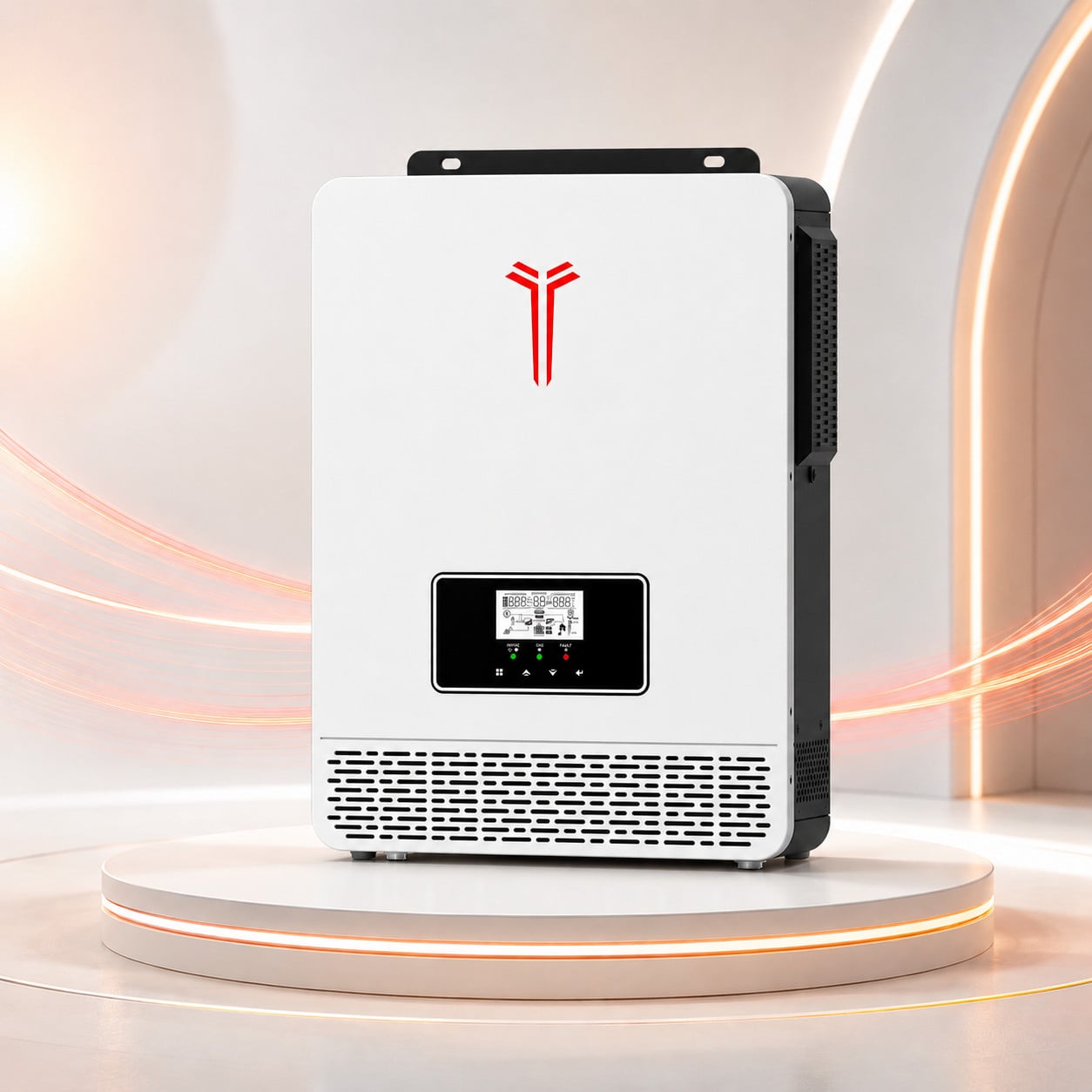
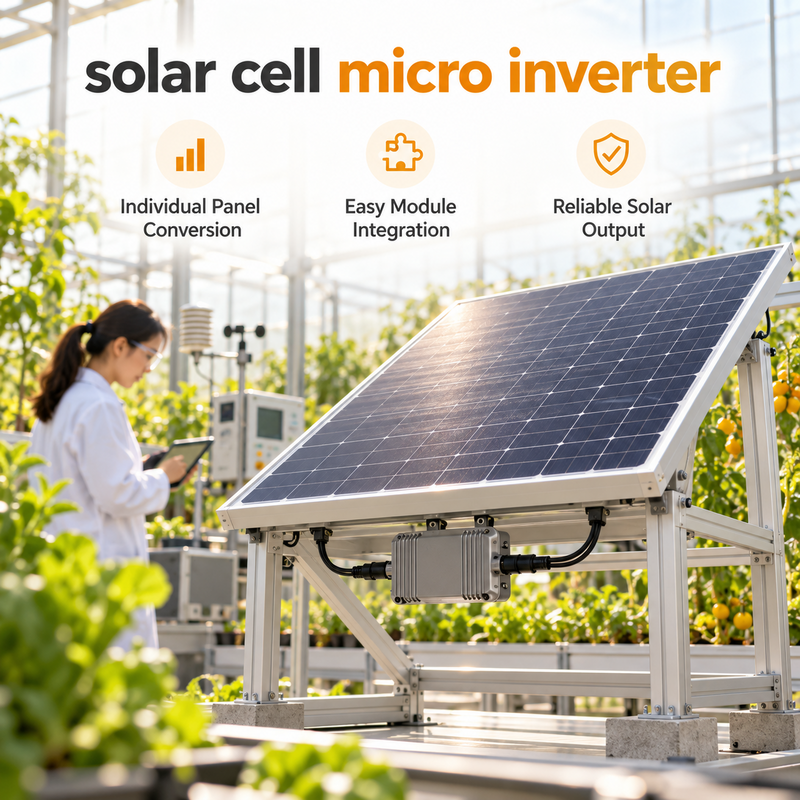
Understanding solar cell micro inverters is  essential for  businesses looking  to optimize their solar energy systems. These devices convert direct current (DC) generated by solar panels into alternating current (AC)  for use in homes and businesses. As the market for  solar energy continues to expand,  purchasing  managers,  engineers,  and product  managers must evaluate  various  options to ensure  they select the right micro  inverter for their specific applications.  This article will guide you through selecting  the right solar cell micro  inverter,  key specifications to consider,  installation  tips, applications, and quality control in manufacturing.

Key Specifications to Evaluate in Solar Cell Micro Inverters

Key Specifications to Evaluate in Solar Cell Micro Inverters

When evaluating solar cell micro inverters, several specifications are critical:

Input  Voltage Range: Ensure the inverter’s input voltage range aligns with that  of your solar panels. An  incompatible range may lead to inefficiencies or system  failures. Output Power: This is crucial for matching the inverter to your solar panel setup. Assess the total wattage of your  panels  to choose an inverter  that can handle  the load. Efficiency Ratings: Look for inverters with high efficiency ratings, typically above  95%. This  indicates better performance and higher energy yield. Grid  Compatibility: Confirm  that the  inverter complies with local grid requirements, including  safety  certifications and communication protocols.  Warranty Period: A longer warranty  can indicate a manufacturer’s confidence in their product’s durability and performance.

Understanding these specifications  can help you avoid common pitfalls, such as selecting an inverter that cannot  handle peak loads  or one that fails to meet grid standards.

Installation Tips for Efficient Solar Cell Micro Inverter Setup

Proper  installation of solar cell micro inverters is vital for ensuring their longevity  and efficiency. Begin by carefully reading  the manufacturer's installation manual, as it will contain specific guidelines  tailored to the inverter model. Here are some key  tips to follow during installation:

Location:  Install  the  micro inverter in a shaded area to prevent overheating, as  excessive heat can reduce performance  and lifespan. Ensure it has adequate airflow for cooling. Mounting: Use secure mounting hardware to  prevent any vibration or movement that might damage the unit. Verify that the mounting surface  is stable and  can  support the inverter's weight.  Wiring: Follow local electrical  codes when  connecting the inverter to your solar panels and electrical system. Use appropriately rated cables for the current and voltage levels. Testing: After installation, conduct thorough testing to  ensure that all connections are secure  and the system functions correctly. Monitor performance during the initial days of operation to detect any issues early.

Adhering to these  installation practices can significantly impact the performance and reliability of your solar energy system.

Understanding the Applications of Solar Cell Micro Inverters in Projects

Solar cell  micro  inverters are versatile and can be used in various applications, including residential,  commercial, and industrial installations. In residential settings,  they  provide homeowners with the ability to  maximize energy production by  optimizing each panel's output individually.  This is particularly beneficial in installations with shading issues where traditional string inverters may  underperform.

In commercial and industrial applications, micro  inverters allow for modularity  and  scalability, making  it easy to expand systems as  energy needs grow. They are also suitable for  complex roof layouts, enabling more efficient use of available space. Additionally, their real-time monitoring capabilities empower users to track energy  production and diagnose issues promptly.

Understanding the  specific applications can help businesses  determine the  best micro inverter solutions for their  energy projects, ensuring a return on investment.

Quality Control in Solar Cell Micro Inverter Manufacturing

Quality control is  a critical  aspect  of solar cell  micro inverter manufacturing. At Shenzhen  Yanshuosheng  Technology Co., Ltd., we  emphasize rigorous testing and  certification processes to ensure our products meet  international standards. Here are some key quality control measures:

Material Selection: High-quality materials are essential for durability and performance. Inverters should use robust components that can withstand environmental stressors. Testing Protocols: Comprehensive testing should include thermal cycling, humidity exposure, and  electrical performance assessments to ensure reliability  under various conditions. Certifications: Ensure that the inverter  meets relevant certifications such as UN38.3  and CE, which  demonstrate compliance with  safety and performance standards. Production Consistency: Establishing a consistent  manufacturing process helps minimize defects and guarantees that each unit performs to specifications.

By prioritizing quality control, manufacturers can provide reliable solar cell micro inverters that meet the demands of modern energy  systems, thereby  enhancing trust  with B2B  buyers.

How to Choose the Right Solar Cell Micro Inverter for Your Needs

Selecting the right  solar cell micro inverter involves understanding  your  system's requirements  and application scenarios. Key  factors to consider include  the inverter’s power rating, efficiency, and compatibility with your solar panels. The power rating should match or  slightly exceed the  output of  the solar panels  to ensure optimal performance. Additionally, consider the inverter's  efficiency  rating, which indicates how much of  the DC power is converted to usable AC power. Higher efficiency ratings mean better energy  conversion, translating  to  cost savings over time.

Consider  the environmental conditions where  the inverter will be installed, such as temperature ranges and exposure to moisture or dust. Some micro inverters are designed for harsher conditions and offer better protection against these factors. Lastly, make sure the inverter is compatible with your solar panel type and the overall system design. Collaborating with a knowledgeable supplier can ensure you  make an informed decision  that meets your operational needs.

Get a Free Quote

Our representative will contact you soon.
0/1000