Choosing the Right 48V Lithium Battery for Your Project

5,000+ units ready stock, 1–5 days fast global delivery

application/48v-lithium, application/48v-lithium, 
Inquiry
Inquiry

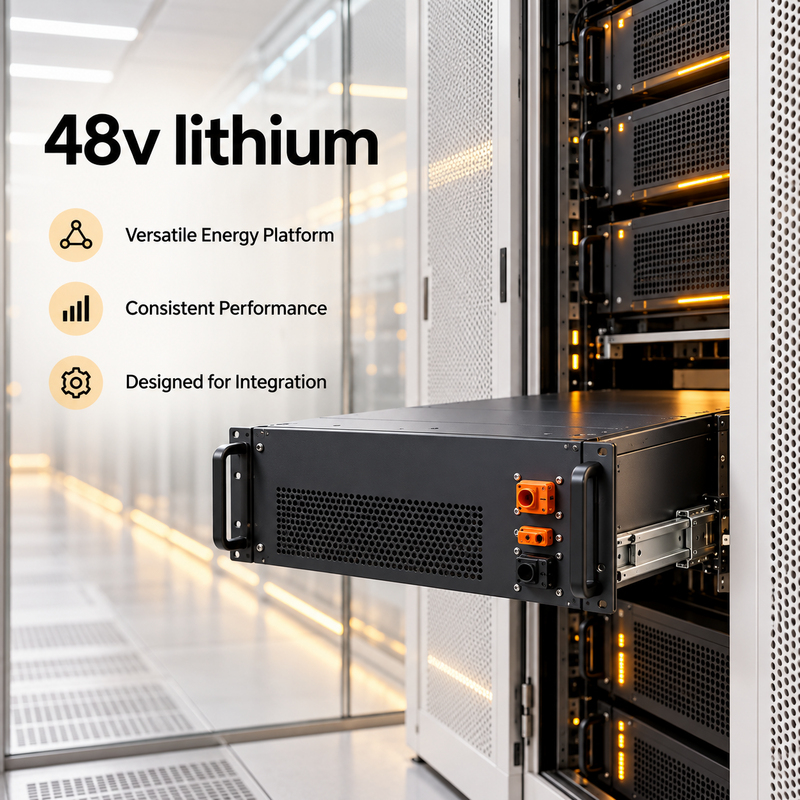
48v lithium

The demand for 48V lithium batteries is growing rapidly due to their efficiency and versatility in various applications, including solar energy storage, electric vehicles,  and marine systems. As a B2B buyer, you may have concerns about selecting the right battery to 48V lithium batteries meet your specific needs, evaluating quality standards, and understanding cost implications. This article will guide you through key considerations when choosing 48V lithium batteries, ensuring you make informed purchasing decisions tailored to your project's requirements. 

Evaluating Quality Standards in 48V Lithium Battery Manufacturing

Evaluating Quality Standards in 48V Lithium Battery Manufacturing

Quality standards are paramount in the production of 48V lithium batteries. Buyers should look for batteries that adhere to recognized certifications, such as UN38.3 for transport safety and CE for compliance with European health, safety, and environmental protection standards. These certifications not only assure safety but also reflect the manufacturer's commitment to quality. It's also essential to understand the manufacturing processes employed by the supplier. A reputable manufacturer should utilize advanced production equipment and rigorous quality control measures throughout the 48v lithium ion charger production cycle. This may include automated testing for capacity, cycle life, and safety features. Additionally, inquire about the manufacturer’s experience in the industry and their track record with similar projects. Quality inspections should be part of your purchasing process. Before placing a large 48V lithium batteries order, request samples to evaluate performance under your specific operating conditions. This step is critical to ensure that the battery meets your expectations in real-world applications. 

Cost Factors to Consider When Purchasing 48V Lithium Batteries

The cost of 48V lithium batteries can vary significantly based on several factors, including material quality, capacity, and production scale. When evaluating costs,  consider the total cost of ownership rather than just the upfront price. For instance, batteries with higher energy density may have a higher initial cost but can provide better performance and longer lifespan, ultimately reducing replacement frequency and costs. Another cost consideration is the minimum order quantity (MOQ). Manufacturers often have different pricing structures based on volume, so it may be beneficial to consolidate orders or partner with other buyers to meet MOQ requirements. Additionally, factor in shipping costs, which can be substantial for heavy batteries,  especially when importing. Finally, inquire about warranty terms and post-purchase support, as these can affect long-term costs. A manufacturer like Shenzhen Yanshuosheng Technology Co.,  Ltd. may offer robust support and warranties, which can provide further peace of mind. 

Applications of 48V Lithium Batteries in Various Industries

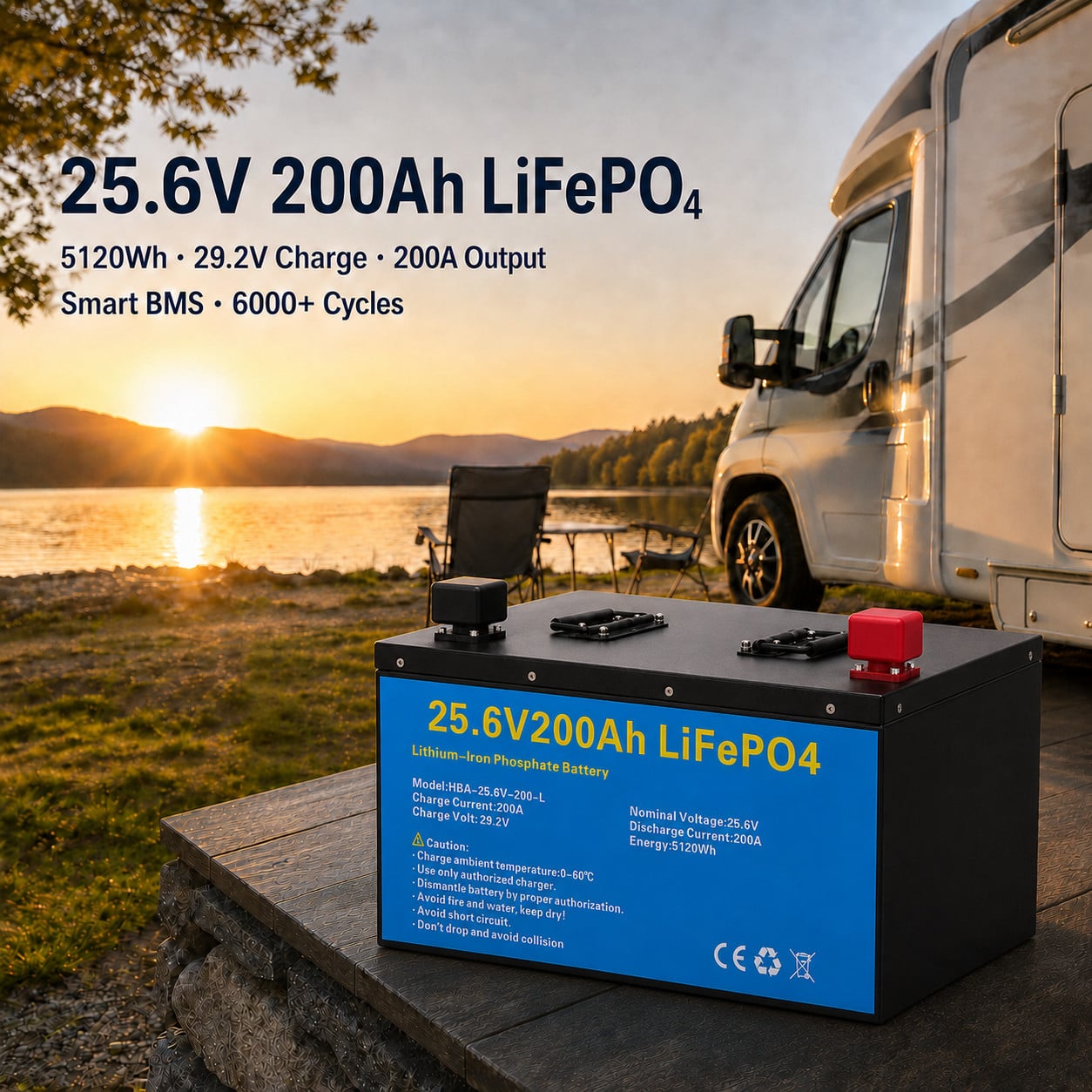
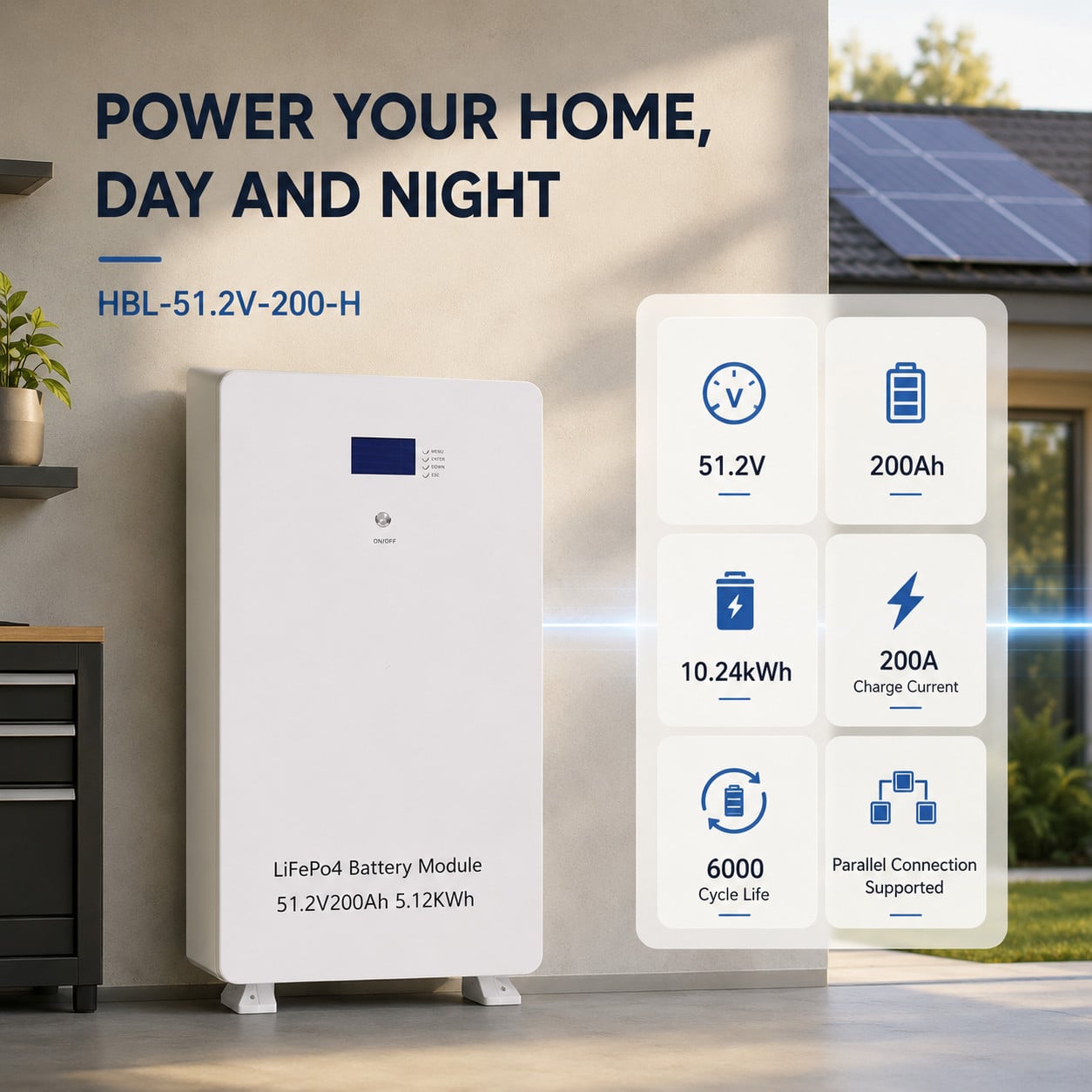
48V lithium batteries are widely used across numerous industries due to their versatility and efficiency. In the renewable energy sector, they are commonly employed in solar energy storage systems, allowing users to store excess energy generated during sunny periods for use during less favorable conditions. In the transportation sector, particularly in electric vehicles and RVs, these batteries are favored for their high energy density and reliability. They support rapid acceleration and extended range, making them ideal for both personal and commercial transportation needs. Marine applications also benefit from 48v lithium ion battery charger, offering lightweight and compact solutions for powering boats and other marine equipment. Their  48V lithium batteries ability to withstand harsh marine environments, combined with low maintenance requirements, makes them an attractive option for boat manufacturers and owners. Furthermore, uninterruptible power supplies (UPS) use 48V lithium batteries to ensure continuous power during outages, providing critical backup for data centers and sensitive equipment. Understanding the specific application requirements will help you select the right battery for your needs. 

Installation Guidance for 48V Lithium Batteries in Energy Systems

Proper installation of 48V lithium batteries is crucial for optimal performance and safety. Before installation, review the manufacturer's guidelines, which typically include specific recommendations on mounting, wiring, and environmental conditions. Ensure that the installation area is well-ventilated and free from extreme temperatures, as lithium batteries can be sensitive to heat and moisture. Additionally, pay attention to the electrical connections; improper wiring can lead to performance issues or safety hazards. Utilize appropriate fuses and circuit breakers to safeguard the 48V lithium batteries  system. Before finalizing the installation, conduct thorough testing to verify that all components are functioning correctly. This step is often overlooked but is essential to ensure reliability. If you're unsure about any aspect of the installation, consider consulting with a professional who has experience with 48v lithium battery charger systems to avoid common pitfalls. choosing the right 48V lithium battery requires careful consideration of various factors, from specifications and quality standards to cost and application suitability. By following the guidance outlined, you can make informed decisions that align with your project's requirements, enhancing performance and reliability in your energy systems. 

How to Choose the Right 48V Lithium Battery for Your Project

Choosing the right 48V lithium battery involves assessing several critical factors, including capacity, discharge rates, and compatibility with your application. Start by determining the energy requirements of your project. For instance, if you're powering a solar energy system, you may need batteries with higher capacity to store energy generated during the day for nighttime use. Next, consider the discharge rate, which affects how quickly power can be drawn from the battery. This specification is crucial for applications like electric vehicles or high-demand power systems where immediate energy availability is essential. Additionally, ensure that the battery's design and size fit your installation space and that it can handle the 48V lithium batteries environmental conditions it will face, such as temperature extremes or humidity. Finally, consult the manufacturer regarding any customization options, such as specific dimensions or integrated Battery Management Systems (BMS), which can enhance safety and performance. Shenzhen Yanshuosheng Technology Co., Ltd. specializes in tailored solutions, providing batteries that meet diverse application needs. 

Frequently Asked Questions

What is the 48v lithium product used for?

The 48v lithium LiFePO4 battery is for solar storage, RVs, UPS, marine systems and other deep-cycle energy storage applications.
It carries UN38.3 transport certification and CE marking, ensuring safety and compliance for global deployment.
Yes, the battery includes an independent integrated BMS that manages cell balance, protection and monitoring for safe operation.
Our LiFePO4 48v batteries offer long cycle life (typically 2000+ cycles at recommended depth) and come with a manufacturer warranty; contact us for specific terms.
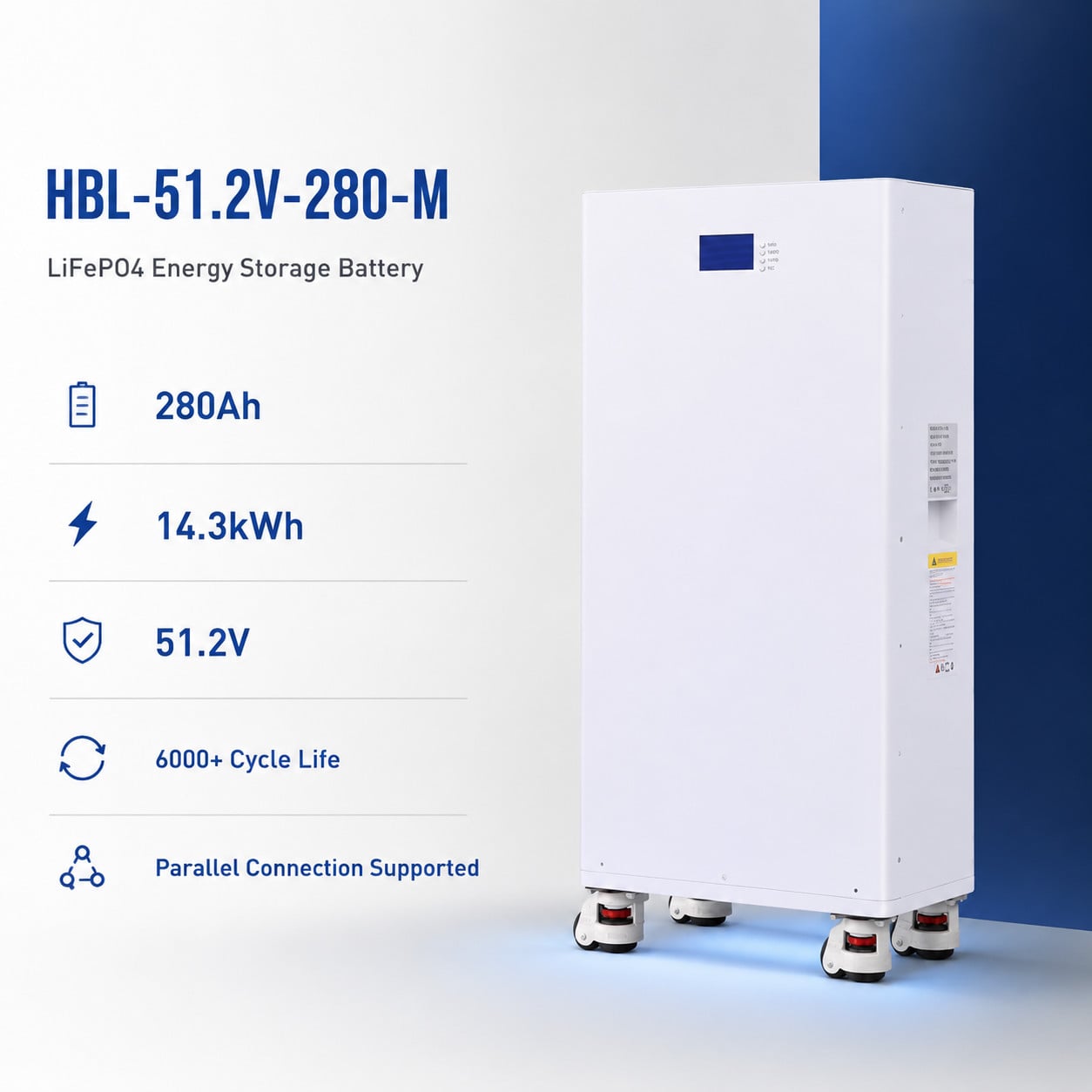
Yes, it supports parallel and series connections for larger capacity or higher voltage systems when configured per installation guidelines and BMS compatibility.

Get a Free Quote

Our representative will contact you soon.
0/1000