Essential Batteries for Home Solar Storage Solutions

5,000+ units ready stock, 1–5 days fast global delivery

application/batteries-for-home-solar-storage, application/batteries-for-home-solar-storage, 
Inquiry
Inquiry

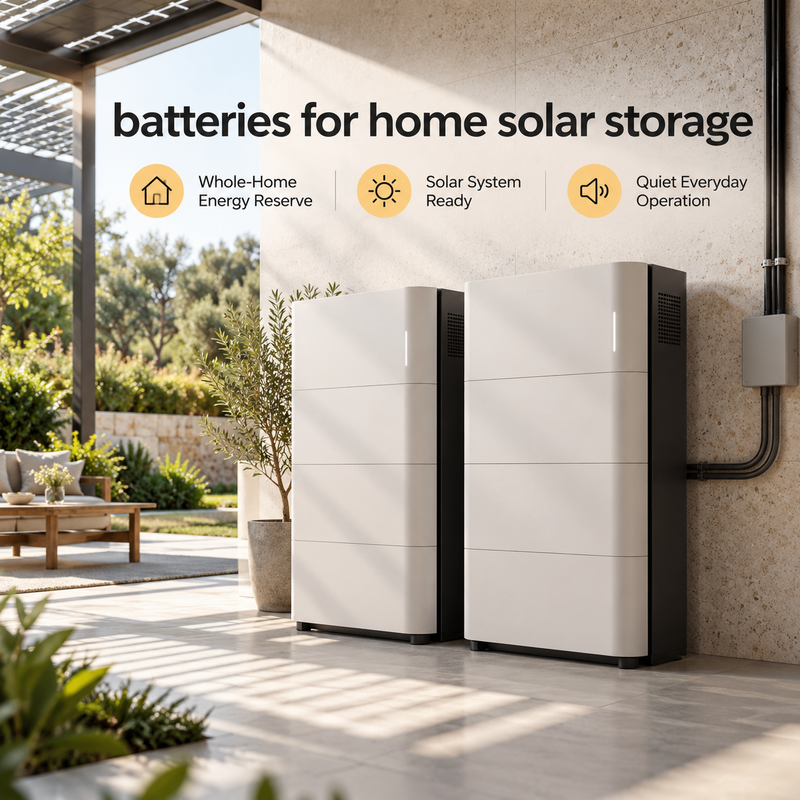
batteries for home solar storage

Batteries for home solar storage are essential  components  in residential energy systems, enabling  homeowners  to harness solar energy  efficiently. As the demand for sustainable energy solutions grows, understanding the specifications, sourcing, and applications  of these batteries  is crucial  for  B2B buyers such as  purchasing managers, distributors, and  engineers.  This article will provide  insights into key specifications  for sourcing,  reliable supplier identification, cost  considerations, common issues, and  the applications of LiFePO4  batteries  in residential  energy systems.

Where to Find Reliable Suppliers for Home Solar Storage Solutions

Where to Find Reliable Suppliers for Home Solar Storage Solutions

Identifying reliable suppliers for  batteries for home solar storage involves  a combination of research and networking. Here are  practical approaches to finding trustworthy  manufacturers:

Industry  Directories: Utilize B2B platforms and industry-specific directories to find manufacturers specializing in energy storage solutions. These platforms often  provide customer reviews and  ratings.


Trade Shows and Expos:  Attend industry trade shows to meet suppliers face-to-face. This allows for direct discussions about  their products, capabilities,  and certifications. Networking at these events  can  lead to valuable connections.

Referrals and Reviews: Seek recommendations from industry peers or consult online forums. Buyers who have previously sourced  batteries can share their experiences and insights about supplier reliability.

Manufacturer  Websites: Evaluate potential suppliers  through their websites. Look for  detailed product  information, certifications, and case studies that demonstrate their expertise in the solar storage market.

Sample Requests: Before committing to  a large order, request samples to assess quality, performance, and compatibility with your existing systems. For example, consider looking into Energy Storage Systems 3.6KW 5.5KW 24V 48V On/Off Grid Solar Inverter Pure Sine Wave Inverter MPPT Hybrid Inverters for sample requests.

Using these strategies will help buyers identify reliable suppliers capable of meeting their specific needs for  solar storage solutions.

Quality and Cost Considerations

When sourcing batteries for home solar storage, balancing quality  and  cost is crucial. Buyers should  consider the following points:

Initial Costs vs. Long-Term Value: While cheaper batteries may seem appealing, they could lead  to higher costs in the long run due to shorter cycle life or lower efficiency. Investing in high-quality LiFePO4 batteries can provide better longevity and  reliability.

Quality Control Processes: Assess the supplier's quality control measures,  including testing protocols and certifications. A supplier with robust quality assurance is more likely to  provide reliable products.

Customization Options: Check if  the supplier offers customization to  meet  specific project requirements. Custom solutions can enhance performance  and integration with solar systems.


Total Cost of Ownership: Consider not just the  purchase price but also installation,  maintenance, and replacement costs over the battery's lifespan. A higher upfront  investment may be justified by lower maintenance needs and longer life.

Warranty and Support: Evaluate the warranty  terms  and customer support offered by the supplier. A  solid warranty indicates confidence in product quality and provides peace of mind for buyers.

By considering these factors, buyers can  make  informed decisions that align quality with budgetary constraints.

Common Problems with Home Solar Batteries and Effective Solutions

While LiFePO4 batteries are generally reliable, buyers should be aware of potential issues that may arise and how to address them:

Capacity Degradation: Over time, battery capacity can decrease due to various factors such as improper  charging,  excessive heat,  or  deep discharges. To mitigate this, buyers should ensure the proper operation of  the Battery Management System and adhere  to recommended charging practices.

Compatibility Issues:  Ensure that the battery chosen is compatible with the solar inverter and other system components. Buyers should verify specifications before purchase  to avoid operational mismatches.

Installation  Challenges: Incorrect installation can lead  to poor performance or safety hazards.  Engage qualified professionals for installation  and refer to  the manufacturer's guidelines for  best practices.

Maintenance Needs: While LiFePO4 batteries require minimal maintenance,  regular checks on connections, and monitoring of the BMS can  help detect issues early.

Performance in Extreme Conditions: Extreme temperatures can  affect battery  performance. Buyers should select batteries  rated for their local climate conditions and consider insulation or temperature management systems if necessary.

By understanding these common  problems and implementing effective solutions, buyers can ensure the longevity and performance of their home solar storage batteries.

Applications of LiFePO4 Batteries in Residential Energy Storage Systems

LiFePO4 batteries are increasingly used in residential energy  storage systems due  to their versatility and reliability. Key applications  include:

Solar Energy Storage: These batteries are ideal for  storing  excess solar energy generated during the day for use at night or  during cloudy days, enhancing energy independence.

Backup Power Solutions: In case  of power outages, LiFePO4 batteries can provide backup power for essential appliances, ensuring homeowners remain connected.

Off-Grid Systems: For homes  not connected  to the grid, LiFePO4 batteries offer a reliable energy solution, allowing for  sustainable  living through solar energy.

Load Shifting: Homeowners can use stored energy  during  peak hours when electricity rates are higher, effectively reducing energy costs.

Electric Vehicle Charging: As  electric vehicle adoption  increases, these batteries  can also support home charging stations,  integrating renewable  energy with electric mobility.

Understanding these applications enables buyers to leverage LiFePO4  batteries  effectively, optimizing their residential energy systems for performance and efficiency.

Key Specifications to Evaluate When Sourcing Solar Storage Batteries

When sourcing  batteries for home solar storage, several specifications are critical to ensure optimal performance and  compatibility with your solar energy system. Key specifications include:


Chemistry Type: Lithium Iron Phosphate (LiFePO4) batteries are popular due to their safety, longevity,  and thermal stability compared to  other lithium-ion batteries.  Understanding the benefits of LiFePO4 can help buyers  select  the best option for their  needs. For instance, consider the High Performance 50Ah LiFePO4 Lithium Ion Battery Pack Deep Cycle 12V High Efficiency Lithium Iron as a viable choice.

Capacity (Ah): The amp-hour (Ah) rating indicates the energy storage capacity of the battery.  A higher capacity means longer usage without recharging. Buyers should match the battery capacity to their energy consumption needs  to avoid running out  of power during peak usage times.

Voltage: Ensure compatibility with your solar system. Common residential systems operate at 12V, 24V, or 48V.  Selecting a battery that matches your system voltage is essential for proper performance.

Cycle Life: This specification  indicates  how many charge-discharge cycles the battery can undergo before its capacity significantly declines. A longer cycle life translates to better long-term value.

BMS (Battery Management System): A good BMS is crucial  for safety and performance. It regulates battery operation, prevents overcharging and deep discharge, and balances the cells for longer  life.

Certifications: Look for batteries with relevant certifications, such as UN38.3 and CE, to ensure compliance with international safety and  quality standards.

Understanding these specifications will empower buyers to make  informed decisions and  select the right batteries for their solar storage systems.

Get a Free Quote

Our representative will contact you soon.
0/1000