Battery Storage Systems for Efficient Energy Solutions

5,000+ units ready stock, 1–5 days fast global delivery

application/battery-storage-system, application/battery-storage-system, 
Inquiry
Inquiry

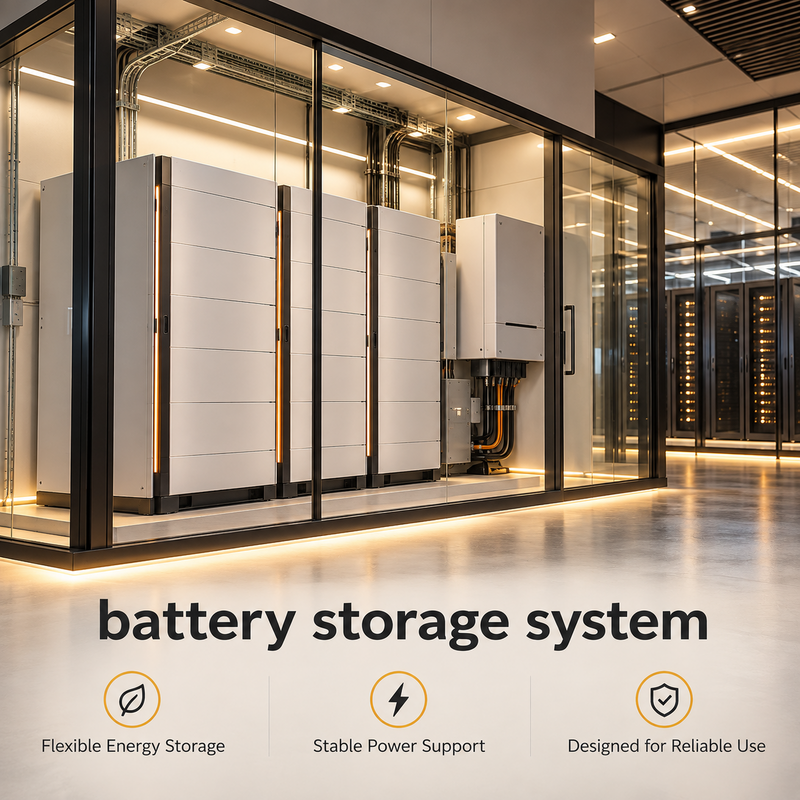
battery storage system

Battery storage systems, particularly those utilizing LiFePO4 technology, are becoming increasingly integral for various applications, including  solar energy storage,  RV power solutions, UPS  systems,  and marine energy management. As  businesses  seek reliable and efficient  energy storage solutions,  understanding the key specifications,  quality  evaluations, and purchasing guidelines for these  systems is crucial. This  article  will  help purchasing managers,  distributors,  and engineers  navigate  the complexities of battery storage systems, ensuring informed decisions  that  meet their operational needs.

Wholesale Purchasing Guide for Battery Storage Solutions

Wholesale Purchasing Guide for Battery Storage Solutions

For businesses looking to purchase  battery storage systems wholesale, a strategic approach is essential. Here are some key  steps to consider:

Identify  Your Requirements: Clearly outline the specifications your application demands,  including capacity,  voltage, and cycle life. This information will  guide your search for suitable suppliers.

Request Detailed  Quotations: When contacting manufacturers, provide them with comprehensive details, including expected order quantity, desired specifications, and application context. This will help suppliers offer tailored solutions.


Minimum Order Quantities (MOQ): Be aware of the MOQ set by suppliers, which can vary significantly. Understanding these figures will help you plan your  budget  and inventory accordingly.

Lead Time Considerations: Inquire  about  lead  times for production  and shipping. Factors such  as customization requirements and current production capacity can affect delivery schedules.

Evaluate Payment Terms and Shipping  Options: Different  suppliers offer various payment terms and shipping arrangements.  Understanding these will help you manage cash flow and logistics effectively.

By following these steps, businesses can streamline  their purchasing  process, ensuring they select the right battery storage solutions at competitive prices.

Evaluating the Quality of LiFePO4 Battery Storage Systems

Quality evaluation is critical  when sourcing LiFePO4 battery storage systems. Here are essential factors to consider:

Certifications: Ensure that the  batteries meet relevant standards such  as UN38.3 and CE certifications. These certifications  indicate compliance  with safety and performance regulations, reducing the risk of product failure.

Manufacturer Reputation:  Research the manufacturer’s background, including their experience in the industry, customer reviews, and case studies.  Established companies often have proven track records in quality control and customer service.

Quality Control Processes: Inquire about the manufacturer’s quality control measures, such as testing protocols for individual battery cells and complete battery packs. A rigorous quality assurance program  can prevent issues during operation.

Warranty  and Support:  Evaluate the warranty offered on the battery storage systems. A longer warranty  period typically indicates manufacturer confidence in product quality. Additionally, check the availability  of customer support for troubleshooting and maintenance.

Sample Approval:  Before placing a large order, request  samples  to test under  actual operating conditions. This helps confirm  that the  batteries  meet your performance expectations and compatibility requirements.

By focusing on these quality evaluation metrics, buyers can mitigate risks associated  with battery storage systems, ensuring a reliable energy solution for their applications.

Where to Find Reliable Suppliers for Battery Storage Systems

Finding trustworthy suppliers for battery storage systems is vital for maintaining operational efficiency. Here are some strategies to locate  reliable partners:

Industry Directories and Trade Shows: Utilize industry directories and attend trade shows focused on energy solutions and  battery  technology. These events provide opportunities to meet manufacturers and assess their offerings  firsthand.

Online Marketplaces: Platforms such  as Alibaba and  Global Sources  connect buyers with suppliers across the  globe. However, it’s crucial to verify supplier credentials and  read reviews before making  commitments.

Networking: Leverage  industry contacts and  networks. Recommendations from peers can lead to suppliers that have proven their reliability  and quality.

Certification Bodies: Consult certification bodies that evaluate and certify manufacturers. These organizations often maintain lists of certified suppliers, which can help ensure product quality and compliance.


Local  Distributors: Engage with local distributors who specialize in battery solutions. They often have established  relationships  with manufacturers  and can facilitate the purchasing process, including logistics and support.

By employing these strategies, businesses can effectively identify suppliers that meet their  quality and reliability standards for battery storage systems.


Applications of Battery Storage Systems in Various Industries

Battery storage systems have diverse applications across multiple industries, enhancing  energy management, reliability,  and sustainability. Here are some notable sectors utilizing these systems:

Solar Energy: Battery storage systems are critical for solar  applications, allowing  excess energy generated during the day to be  stored and used at night or during cloudy periods. This capability enhances  energy independence and reliability.

Recreational Vehicles (RV): RVs benefit from compact and efficient battery storage systems, enabling travelers to power appliances and electronics without relying  solely on generator power.

Uninterruptible Power Supply (UPS): In data centers and critical infrastructure, battery storage systems provide backup power during  outages, ensuring continuity of  operations and data integrity.

Marine Applications: Battery  systems are increasingly used in marine environments to power electric motors, onboard  electronics, and auxiliary systems,  contributing to cleaner  and quieter operations.

Telecommunications:  Battery storage plays a vital role in telecommunications by providing backup power to cell  towers and  other critical equipment, ensuring constant connectivity.

By understanding the applications of battery  storage systems, businesses  can better align their purchasing decisions  with industry requirements, maximizing the  benefits of their energy solutions.

Key Specifications to Consider in Battery Storage Systems

When evaluating  battery  storage systems, particularly LiFePO4 options, several  key specifications should be prioritized to ensure optimal performance. 

Battery Capacity and Voltage:  Capacity is measured in amp-hours (Ah) and indicates how much energy a battery can  store. Voltage levels affect compatibility with different systems, so ensure that the selected battery's voltage matches your application requirements.

Cycle Life: This refers  to the number of charge and discharge cycles a battery can undergo before its capacity significantly degrades. LiFePO4 batteries typically offer a cycle life of over 2000 cycles, making them suitable for long-term applications.

Depth of Discharge (DoD): This specification indicates the percentage of the  battery capacity that can be used without damaging  the battery. A higher DoD  means you can utilize more of the stored energy.

Self-discharge  Rate: This is the rate at which a battery  loses charge when not in use. Lower  self-discharge rates are preferable, especially for applications where  batteries may sit idle for  extended periods.

Temperature Range:  Consider the operating temperature range of the battery, as extreme temperatures can affect performance and longevity. LiFePO4 batteries generally perform well in a wide temperature range, but specific applications may require additional thermal  management.

Understanding these specifications helps buyers assess the suitability of a  battery storage system for their  specific application, ensuring  that performance aligns with operational needs.

Get a Free Quote

Our representative will contact you soon.
0/1000