Reliable 48 Volt Chargers for Energy Storage Solutions

5,000+ units ready stock, 1–5 days fast global delivery

application/charger-48-volt, application/charger-48-volt, 
Inquiry
Inquiry

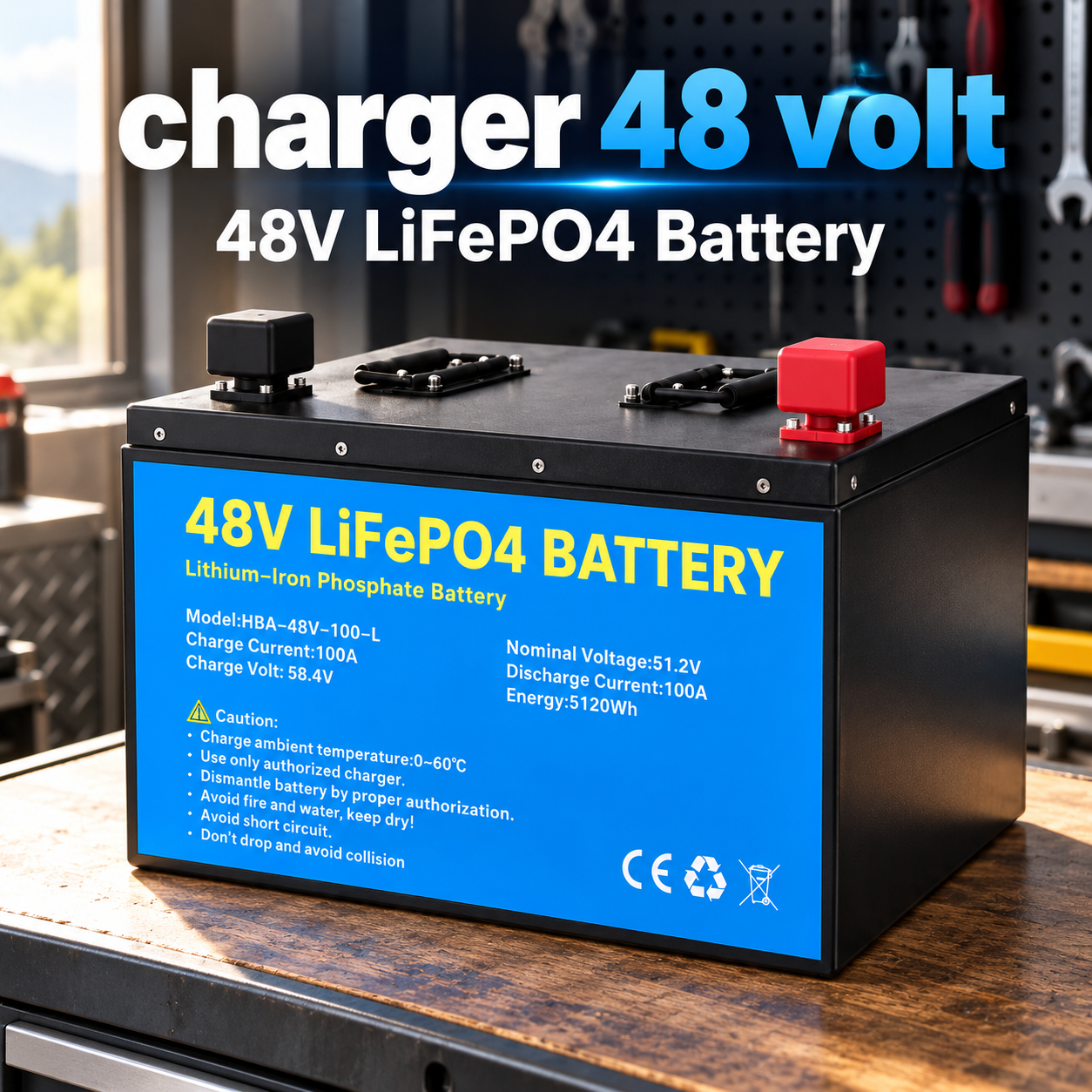
charger 48 volt

In the realm of energy storage solutions, the  charger  48  volt  plays a pivotal role,  particularly for applications involving LiFePO4 energy  systems. As  companies increasingly rely  on these systems for solar, RV, UPS, and marine applications,  understanding how  to source  a reliable charger becomes  essential. This  article  addresses  key concerns for  B2B buyers, such as product quality,  cost factors, installation issues, and application suitability, helping  purchasing managers and  engineers make informed  decisions.

Evaluating the Quality of 48 Volt Chargers for Industrial Applications

Evaluating the Quality of 48 Volt Chargers for Industrial Applications

Quality assessment of 48 volt chargers involves reviewing several key specifications. Start with the materials used in the charger’s construction; high-quality materials can impact performance, durability, and safety. Look for chargers with  robust internal components that  can withstand the  demands of industrial applications, such as  high load cycles and environmental stress.

Another critical aspect is the charger's efficiency rating. A higher efficiency means less energy loss during  charging, which  translates to better overall performance and cost savings in the long run. Additionally, verify that the  chargers come with a reliable Battery Management  System (BMS). An effective BMS enhances battery life and ensures safe operation, which  is particularly important  in industrial settings  where the risk  of failure can  have significant repercussions.

Buyers should also inquire about the manufacturer's quality control processes. A reputable supplier  will have stringent  quality inspections at each  stage of production,  from raw materials to final assembly. Requesting detailed quality  documentation, including  test reports and certifications, can provide further assurance of  the product's reliability.

Cost Factors to Consider for 48 Volt Charger Procuremen

When  assessing the cost of 48 volt chargers, various factors come into play. The initial purchase price is important, but total cost of ownership should also be considered. This includes the efficiency  of the charger,  which affects operating costs, and the  expected lifespan of the product. A more efficient charger may have a higher upfront  cost but could lead to significant savings on energy bills over time.

Volume  discounts can  also  influence pricing. Suppliers may offer better rates for bulk orders,  so it’s beneficial to determine your expected purchasing volume upfront.  Additionally,  consider any customization needs,  as tailored solutions may incur extra costs.

Shipping and handling fees are another factor to keep in mind. Depending on the  supplier's location, these costs can  vary  significantly. Ensure that you factor in logistics when comparing prices from  different manufacturers. Lastly,  be aware of any potential import duties or tariffs  if you are sourcing  from  international suppliers, as these can affect the overall cost structure.

Common Installation Issues with 48 Volt Chargers and Solutions

Installation of 48 volt chargers can present several challenges. One common issue is ensuring compatibility with  existing systems. Buyers should confirm that the charger's  specifications match  the requirements of their energy storage systems, including voltage, current ratings, and  connector types.

Another consideration is the physical installation environment. Chargers may need  to be mounted in specific orientations  or protected from extreme temperatures and moisture. Proper  ventilation is also crucial to prevent overheating during operation.  To mitigate these installation issues, it’s  advisable to work closely with the supplier during the  planning stages. They can provide guidance  on installation best practices  and environmental considerations.

Additionally, buyers should be prepared to conduct a thorough testing phase  after installation. This ensures  that  the  charger operates as expected within the system and  that any potential issues are identified  and resolved promptly. Having a qualified technician  perform these tests can provide peace of mind and ensure  optimal performance.

Applications of 48 Volt Chargers in Solar and Marine Projects

48 volt chargers are widely used in solar  and marine applications due to their compatibility with LiFePO4 battery systems.  In solar energy setups, these chargers are essential for optimizing  the charging process, ensuring  that batteries are efficiently replenished  from solar panels. Their ability to manage charge  cycles effectively can extend the life of the battery systems, providing long-term reliability.

In marine  applications,  the robustness of 48 volt chargers is critical. Marine environments can be harsh, with  exposure to saltwater, humidity, and  vibration. Chargers designed for marine use  often include features such as waterproof  enclosures and corrosion-resistant materials to withstand these conditions.

When selecting a charger for these applications,  buyers  should consider the specific needs of their projects. For instance, in solar applications, a charger with advanced MPPT (Maximum Power Point Tracking) technology can enhance  energy  harvesting  from solar panels.  In marine applications, the charger should comply with relevant maritime  safety standards to ensure safe operation onboard vessels.

By  understanding these applications, purchasing managers can make more informed decisions when evaluating potential chargers for their specific needs.

Where to Source Reliable Wholesale 48 Volt Chargers for Bulk Orders

When sourcing wholesale 48 volt chargers, it’s essential to consider manufacturers with a  proven track record in the  energy storage sector.  Look for suppliers who specialize in LiFePO4 systems, as they will have a deeper understanding of the  specific requirements and challenges associated with these products. Certifications such  as UN38.3 and CE indicate compliance with international  safety and quality standards, which is crucial when evaluating  potential  suppliers.

Engaging  with manufacturers who have  extensive export experience can also provide insights into their  ability to meet demand across various  markets. A supplier’s production capacity and minimum order  quantities (MOQ) should align with your purchasing needs. Additionally, consider manufacturers who  offer customization options. Customization  can ensure  that  the chargers meet specific  application requirements,  enhancing their compatibility  with existing energy systems.

Get a Free Quote

Our representative will contact you soon.
0/1000